Kriegsmarine Photo Albums, Crew Member on the Battleship "Hessen" and Later on the Pocket Battleship Admiral Scheer

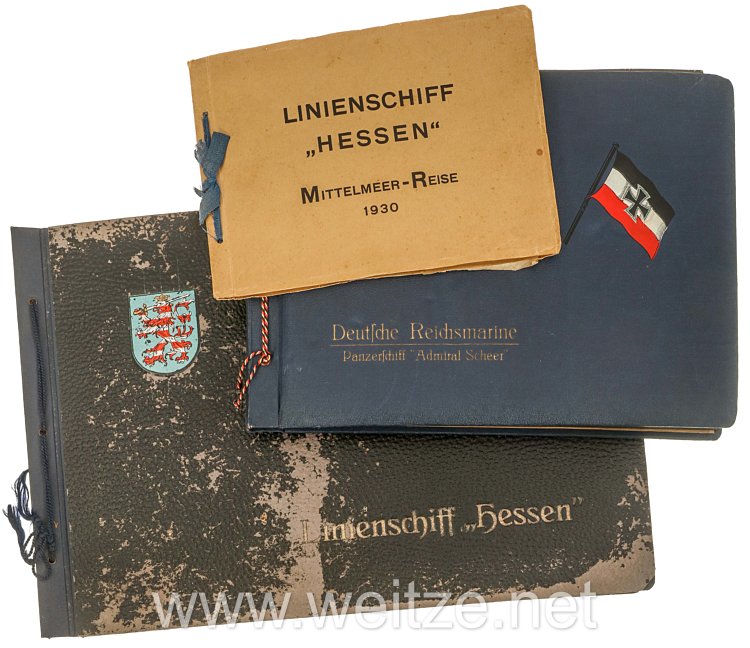
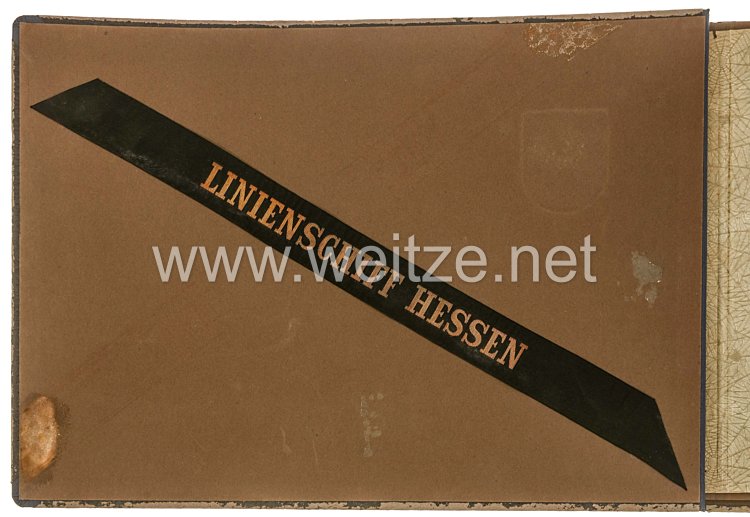
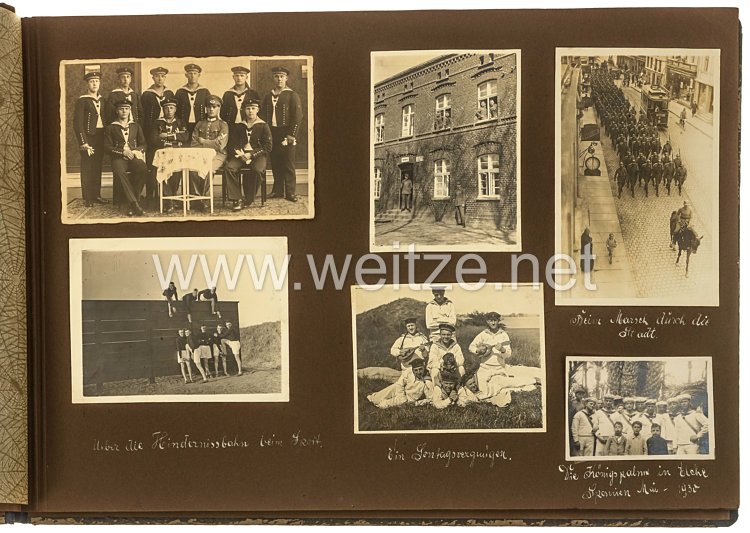
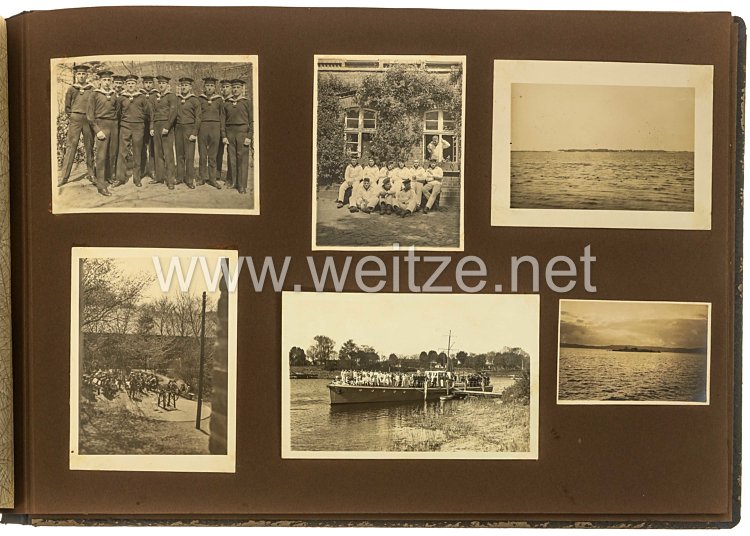
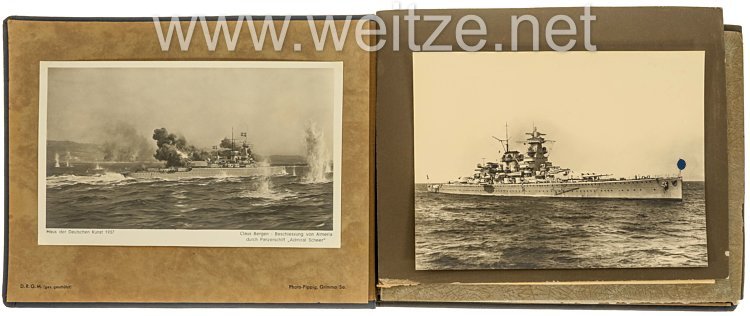
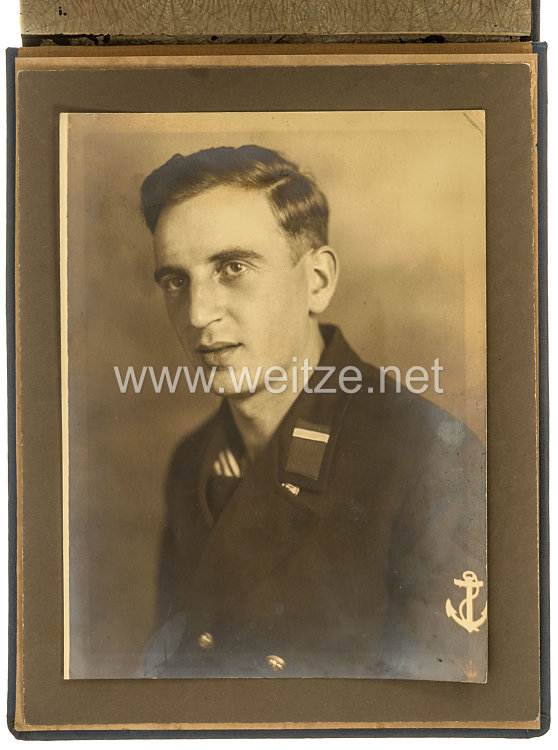
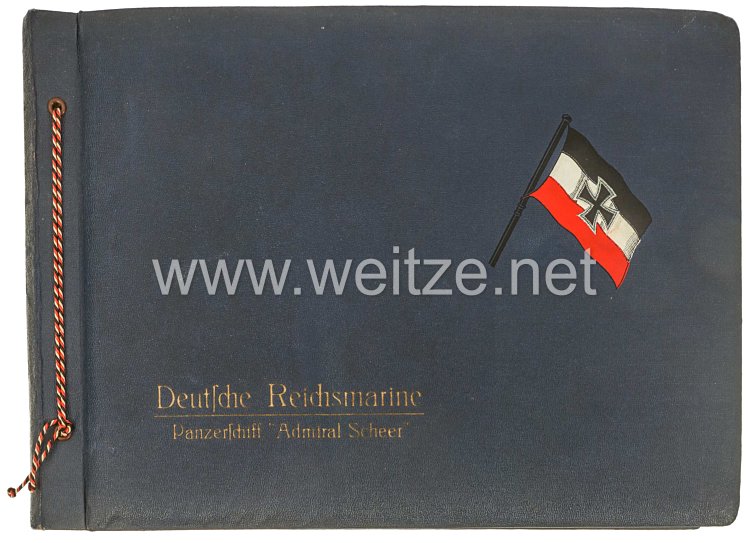
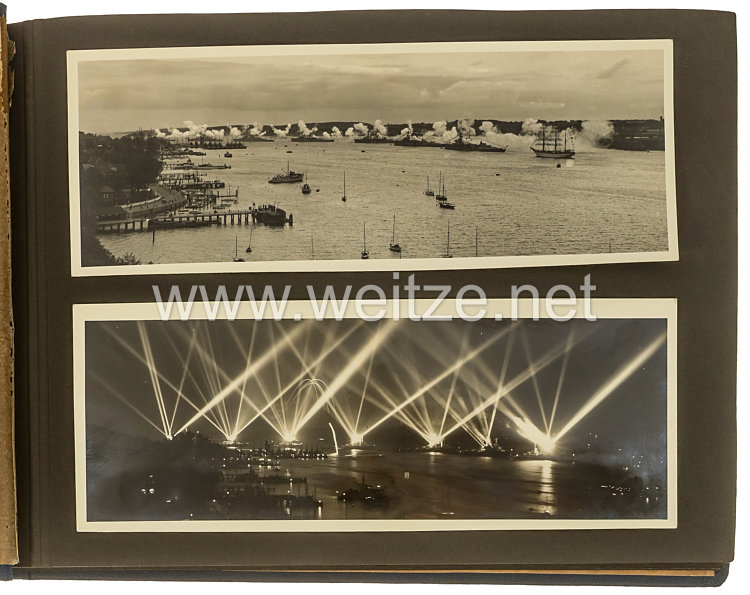
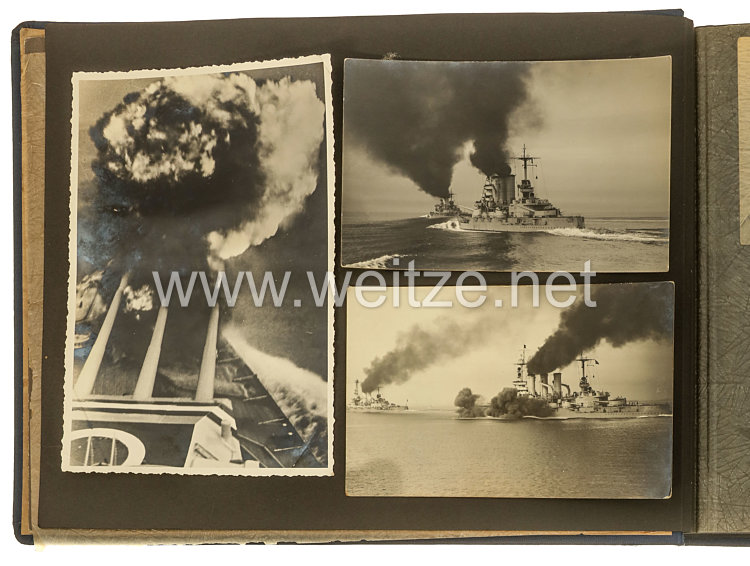
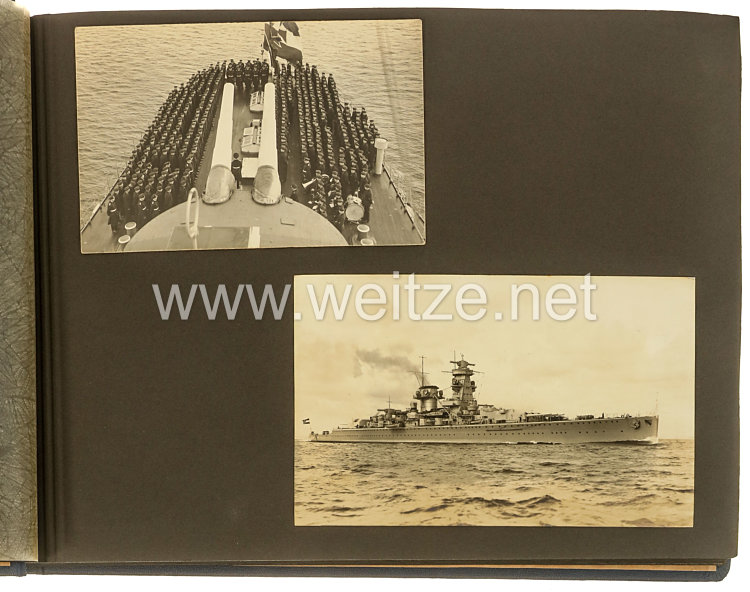
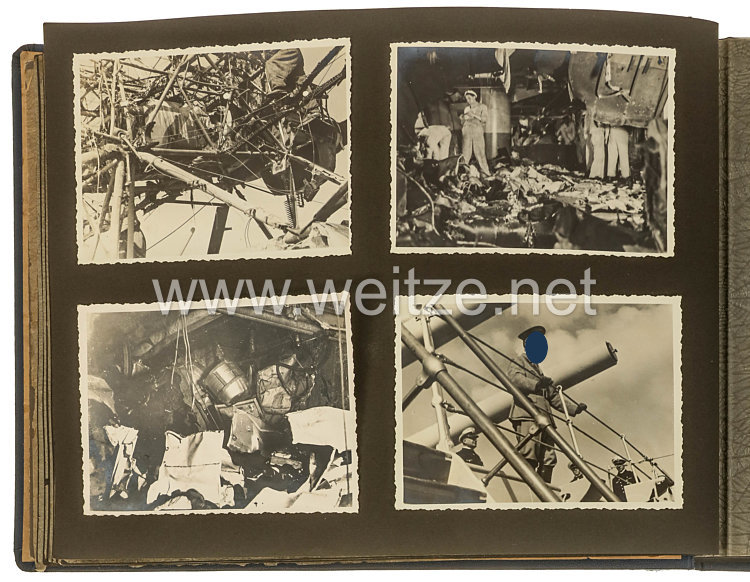
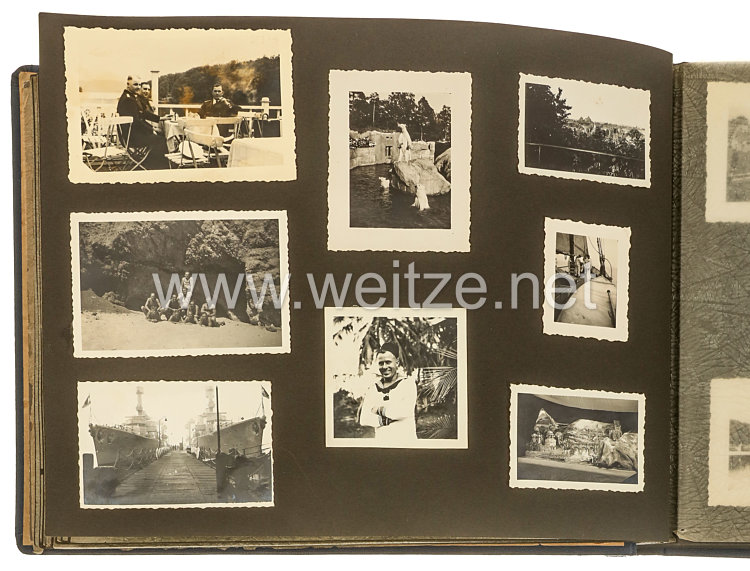
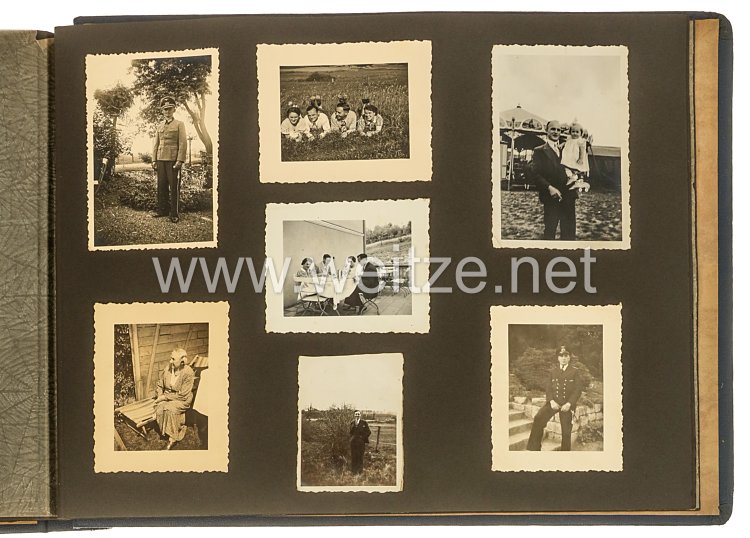
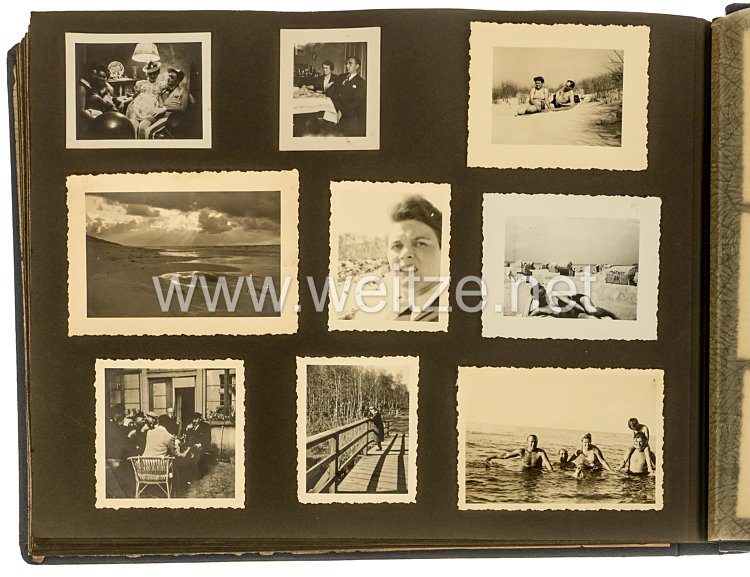
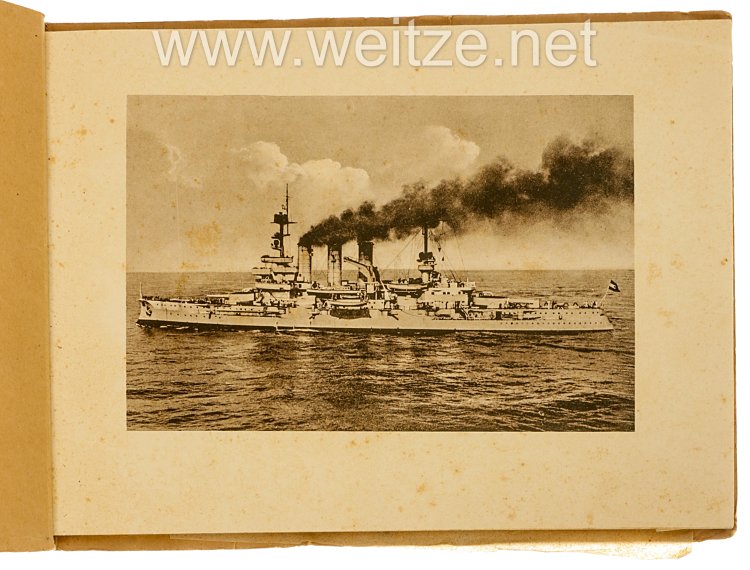
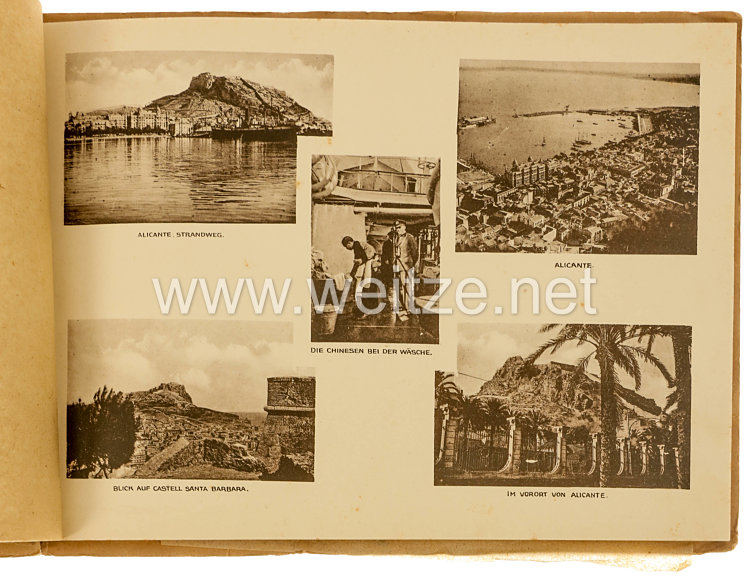
2 albums, booklet about the Mediterranean cruise 1930, cap tally "Linienschiff Hessen", approx. 390 photos. Oath ceremony 1928, battleship "Hessen" puts to sea, Stralsund barracks, Hamburg, service aboard ship, gunnery exercises, assignment to the pocket battleship "Admiral Scheer", on the artillery training vessel "Fuchs", Paul von Hindenburg inspects the ship, Adolf Hitler visits the ship, photographs of heavy bomb damage by Republican aircraft in the Spanish Civil War, in Spain, entry into the U-boat service, group photos on the submarine, home leave, civilian life. Used condition.
349206
620,00

Kriegsmarine Photo Albums, Crew Member on the Battleship "Hessen" and Later on the Pocket Battleship Admiral Scheer

These photo albums document the remarkable naval career of a German Kriegsmarine serviceman during one of the most turbulent periods in German naval history, spanning from the Weimar Republic through the early years of World War II.

The collection begins with the oath of service in 1928, when the German Navy operated under the strict limitations of the Treaty of Versailles. This treaty had reduced the German fleet to 15,000 men, six old battleships, six cruisers, and limited auxiliary vessels. The Linienschiff Hessen (battleship Hessen), where the sailor initially served, was one of these permitted vessels – a remnant from the Imperial Fleet, originally launched in 1905 as part of the Braunschweig-class pre-dreadnought battleships.

The Mediterranean cruise of 1930 was part of the Reichsmarine's diplomatic and training missions, serving to demonstrate international presence and train young sailors. Such voyages were significant events in the crew's life and were extensively documented. The preserved booklet about this journey offers valuable insights into daily life aboard during the Weimar era.

The transfer to the Panzerschiff Admiral Scheer marks a significant development in the sailor's career. The Admiral Scheer, named after Admiral Reinhard Scheer, commander of the High Seas Fleet at the Battle of Jutland, was one of three famous Deutschland-class armored ships (also known as “pocket battleships”). Commissioned in 1934, it represented Germany's clever circumvention of Versailles restrictions through innovative construction using diesel propulsion and welded armor steel.

The photographs of Paul von Hindenburg inspecting the ship are of particular historical significance. Hindenburg, Reich President until his death in 1934, represented the connection between the old Imperial military tradition and the new Republic. The images of Adolf Hitler's visit demonstrate the increasing Nazification of the Navy after 1933 and Hitler's intensive propaganda use of the newly emerging Kriegsmarine.

The most dramatic documents in this collection are undoubtedly the photographs of heavy bomb damage during the Spanish Civil War. The Admiral Scheer participated in Operation Ursula, Germany's military intervention supporting General Franco's Nationalist forces. On May 29, 1937, the Admiral Scheer was attacked by Republican aircraft during the international naval blockade off Ibiza. Although the ship sustained damage, it was limited. These photographs are rare contemporary documentation of German naval operations during this conflict, which served as a testing ground for weapons and tactics of the coming World War.

The artillery training vessel Fuchs, where the sailor also served, was part of the Kriegsmarine's training system. These smaller units played an essential role in training gunners and developing firing techniques.

The entry into the U-boat service reflects the strategic reorientation of the Kriegsmarine in the late 1930s. Under Admiral Karl Dönitz, the U-boat force was massively expanded despite initial restrictions under the Anglo-German Naval Agreement of 1935. U-boat crews were considered the elite of the Kriegsmarine, and transfer there meant additional training and increased responsibility.

The photographs from Stralsund and Hamburg document the most important naval bases of the Baltic and North Seas. Stralsund was a traditional naval location with significant barracks and training facilities, while Hamburg, as Germany's largest port, was central to naval operations.

The cap tally “Linienschiff Hessen” is an authentic piece of naval equipment. These ribbons, worn on the back of sailors' caps, displayed the name of the ship on which the sailor served and are today sought-after collectibles that document the direct connection to specific vessels.

The inclusion of photographs from home leave and civilian life gives this collection a human dimension. It reminds us that behind military history stood individual people with families and personal lives. These images offer a contrast to military austerity and show the sailor in his private context.

Taken together, these albums provide an extraordinary visual chronicle of German naval history from 1928 to the early war years. They document the transformation from the restricted Reichsmarine of the Weimar Republic to the expansive Kriegsmarine of the Third Reich, the technological progress from old battleships to modern armored ships and U-boats, and the political radicalization of the German armed forces. Such personal collections are invaluable primary sources for historians and provide insights that official documents cannot convey.