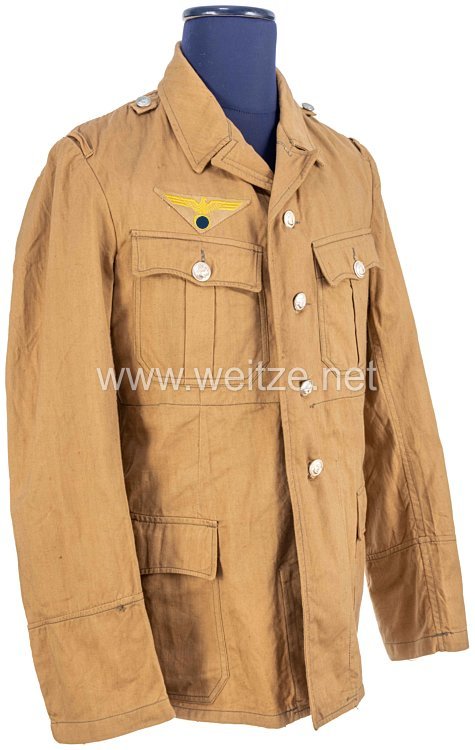
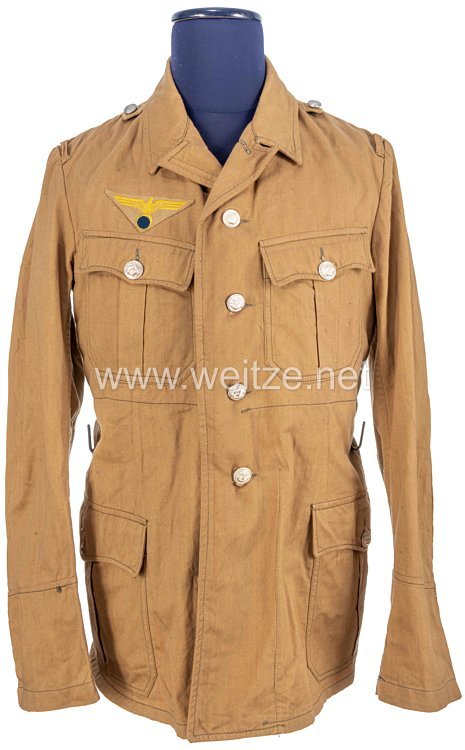
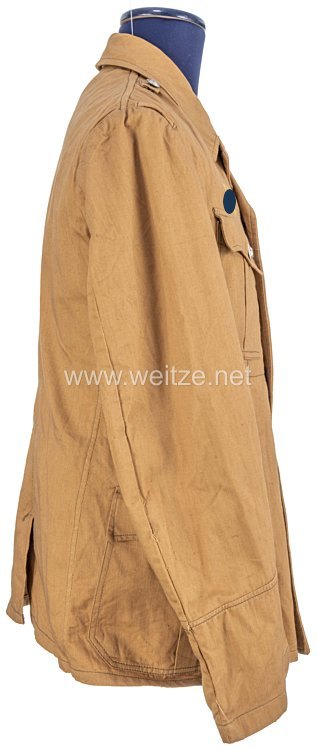
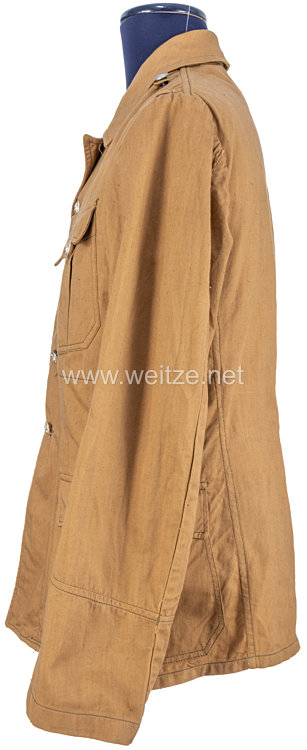
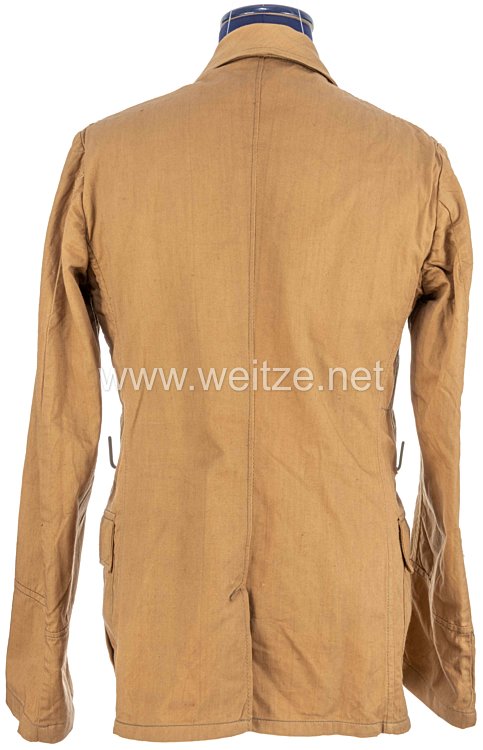
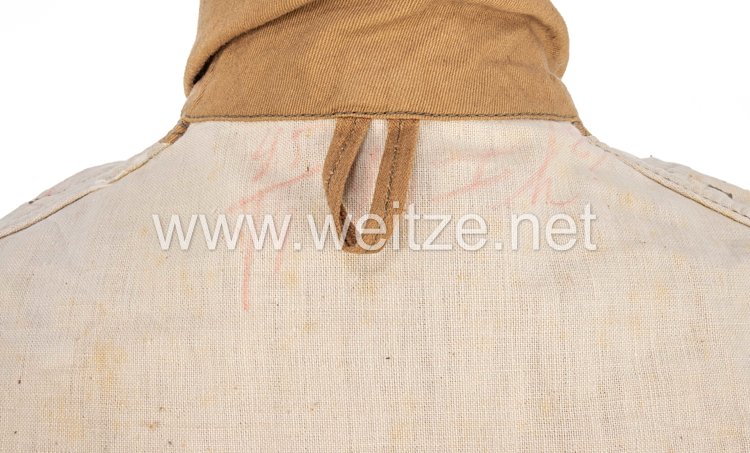
Kriegsmarine Afrika Korps Tropical Field Tunic for an Official

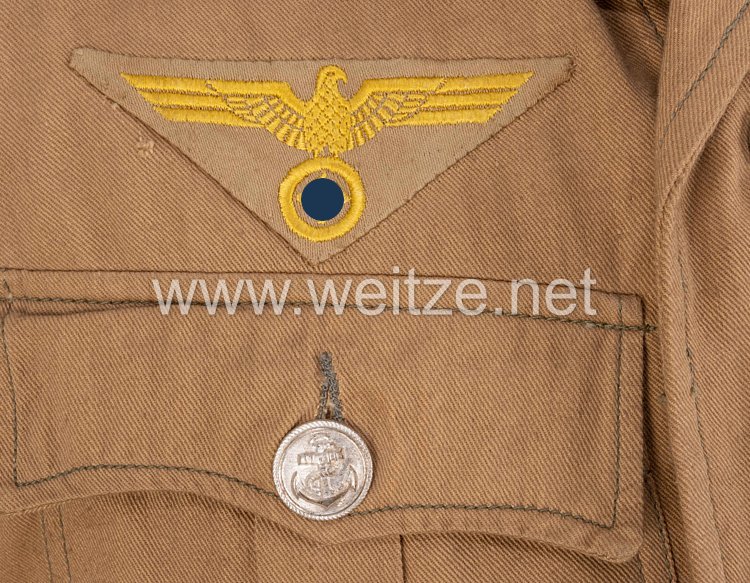
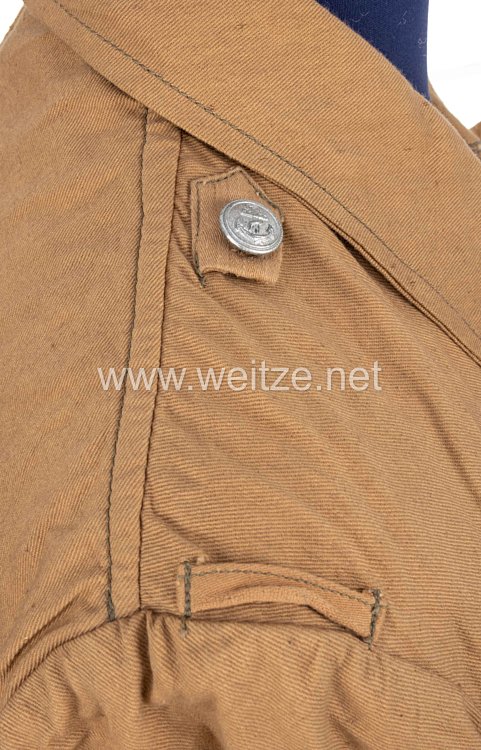
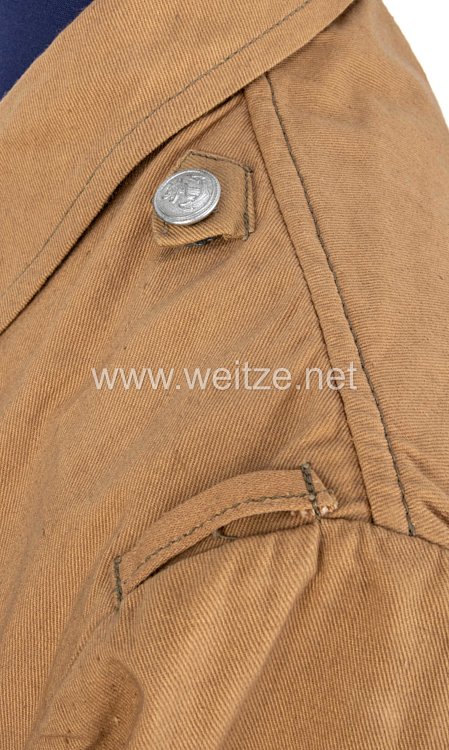
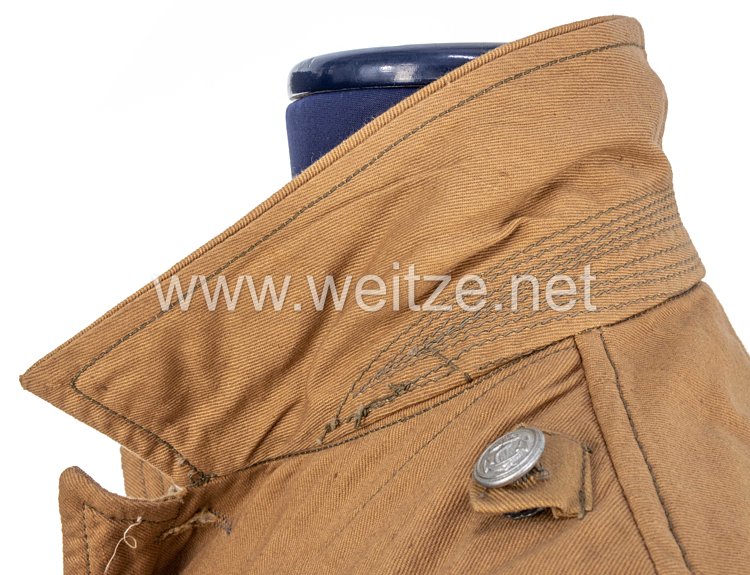
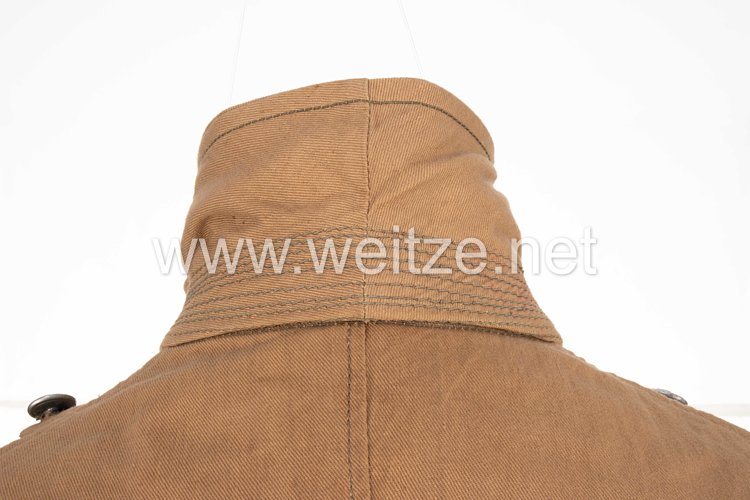
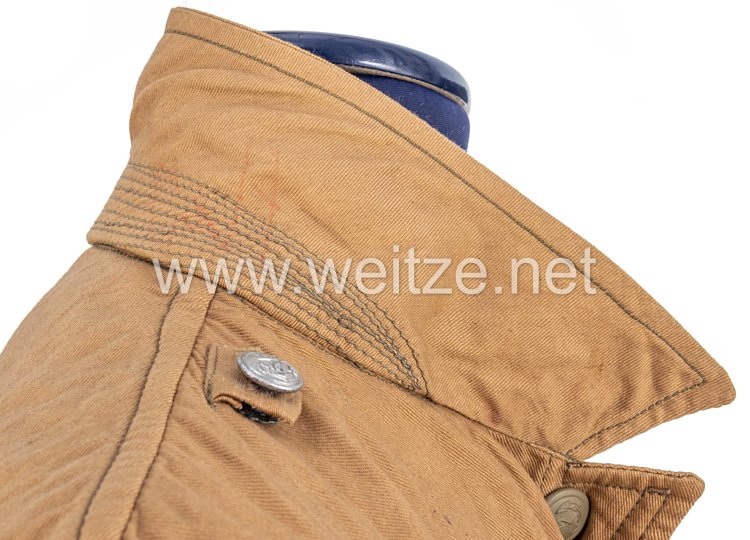
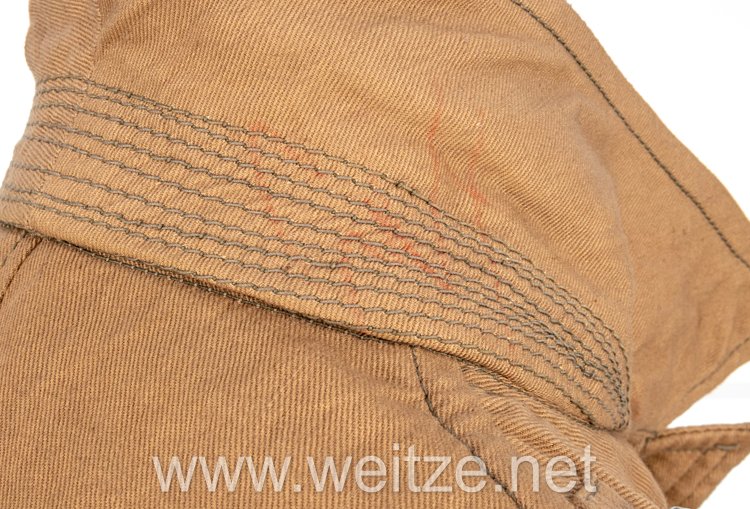
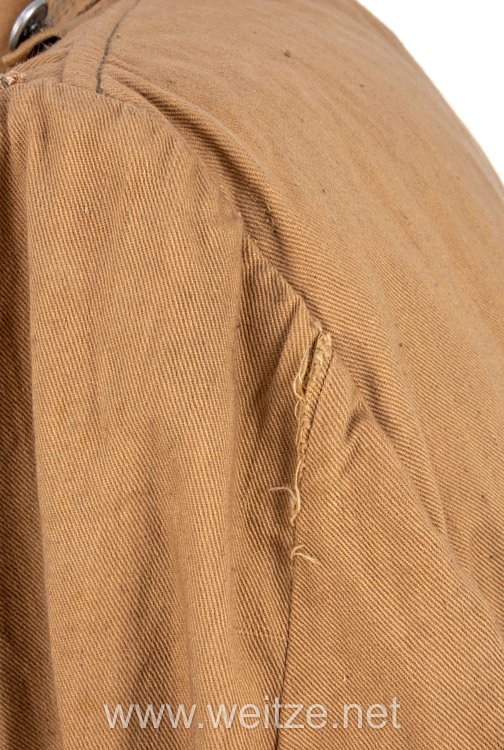
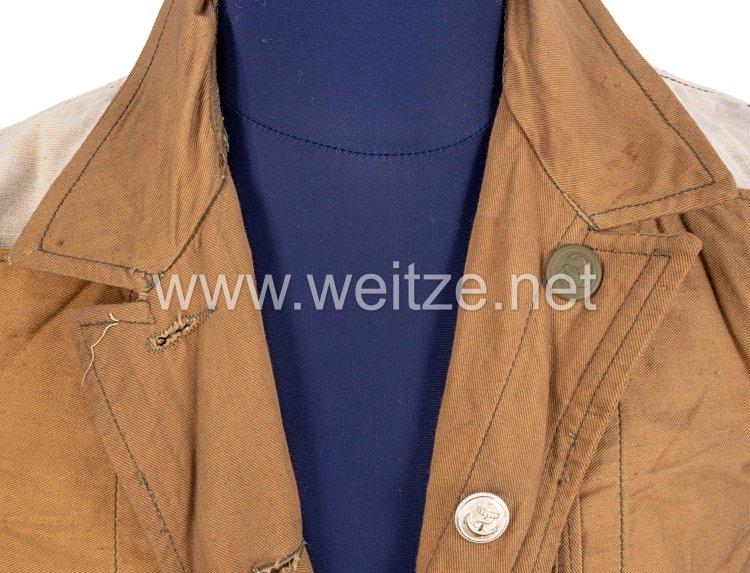
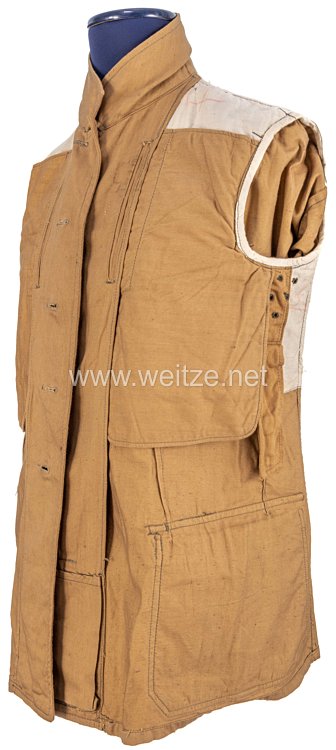
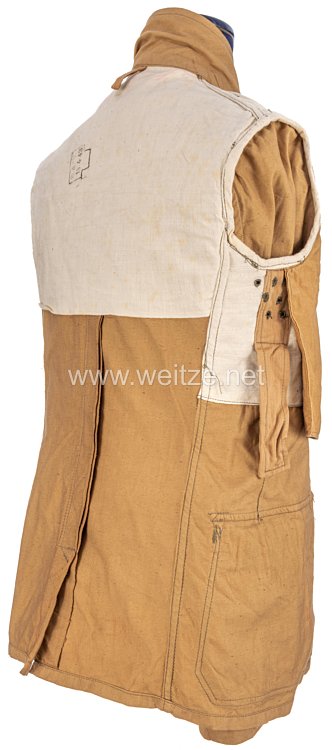
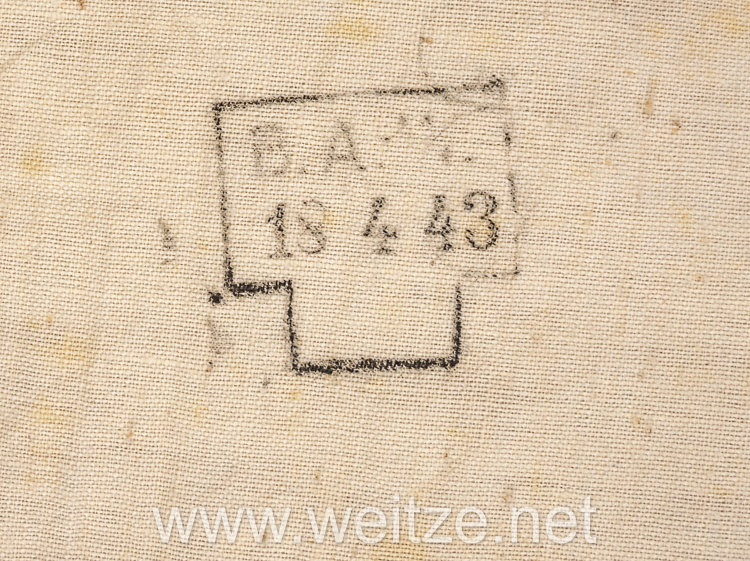
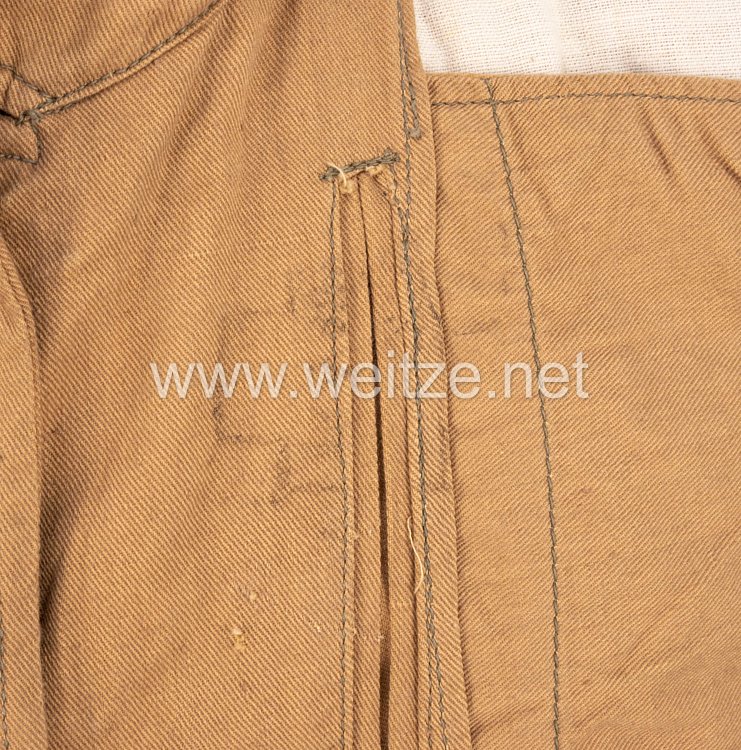
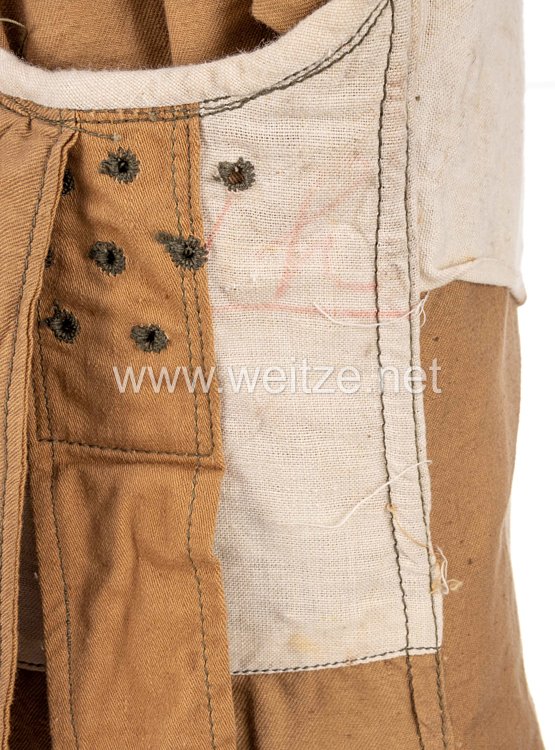
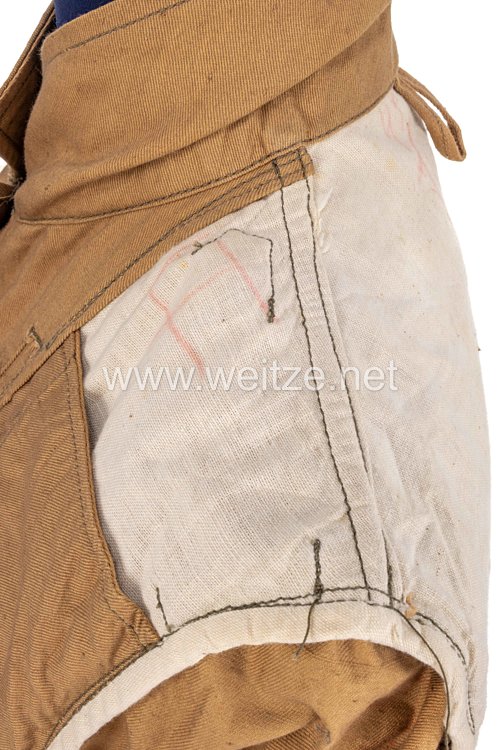
, circa 1943. Sand-colored cotton fabric, with breast eagle in machine-embroidered enlisted ranks execution, silvered naval buttons for officials, shoulder boards missing. Interior with chamber stamp "B.A.K 18.4.43". Sleeve length 65 cm, chest circumference 78 cm, length 70 cm. Only lightly worn, condition 2+
422794
1.300,00

Kriegsmarine Afrika Korps Tropical Field Tunic for an Official

The Kriegsmarine tropical field tunic for officials of the Afrika Korps represents a fascinating example of German military clothing from World War II, particularly in the context of the North African theater of war. This special uniform combines the maritime traditions of the Kriegsmarine with the practical requirements of desert warfare.

The German Afrika Korps was established in February 1941 under the command of Lieutenant General Erwin Rommel to support Italian forces in North Africa. Although the Afrika Korps primarily consisted of army units, members of the Kriegsmarine also served in various functions in North Africa. They mainly operated in port cities such as Tobruk, Benghazi, and Tripoli, where they administered port facilities, coordinated supply operations, and operated naval bases.

The tropical uniforms were specially developed from 1940/41 for deployment in hot climates. The sand-colored cotton fabric offered better ventilation and heat resistance than the traditional field-gray uniforms. The coloring simultaneously served as camouflage in the desert environment. The Kriegsmarine adapted its uniform regulations to these new requirements and developed its own tropical variants of service uniforms.

Particularly noteworthy about this specimen is the combination of various equipment features: the machine-embroidered breast eagle in the version for enlisted personnel together with the silver-plated naval buttons for officials demonstrates the special position of naval officials within the military hierarchy. Naval officials were civilian specialists with military status who performed technical and administrative tasks. They could be engineers, administrative officials, medical personnel, or other specialists.

The chamber stamp “B.A.K 18.4.43” inside the uniform is of particular historical significance. It documents the issue by a clothing depot on April 18, 1943. This timing falls during the critical phase of the North African campaign. In May 1943, the Axis powers capitulated in Tunisia, marking the end of the African campaign. The uniform was thus issued shortly before the collapse of the German position in North Africa.

The construction of the field tunic followed the uniform regulations of the Kriegsmarine but was adapted to tropical conditions. The four-pocket design with attached breast pockets corresponded to the standard for field tunics. The missing shoulder boards might indicate that the uniform was issued incompletely or that these were later removed. Shoulder boards usually bore the rank insignia and were designed in a special version for naval officials.

The measurements (sleeve length 65 cm, chest circumference 78 cm, length 70 cm) correspond to a medium size and were manufactured according to the standardized clothing sizes of the Wehrmacht. The light wear pattern suggests that the uniform may have been in use for only a short time, which appears plausible given the imminent end of the war in North Africa.

The supply situation in North Africa was extremely precarious due to the long supply routes across the Mediterranean. British and Allied naval forces as well as the air force operating from Malta continuously attacked the convoys. This led to significant shortages in equipment and clothing. The fact that new uniforms were still being issued in April 1943 demonstrates the German military administration's efforts to maintain supply lines.

After the capitulation in Tunisia on May 13, 1943, approximately 250,000 German and Italian soldiers entered Allied captivity. Many uniforms and pieces of equipment were secured as captured material or preserved by the soldiers themselves as personal mementos. This explains why such uniform pieces can be found in collections today.

From a military-historical perspective, this tropical field tunic documents the adaptability of the German armed forces to different theaters of war and climate zones. It also demonstrates the complex organizational structure of the Wehrmacht, in which different service branches and ranks had their own uniform regulations and markings. For research purposes, such original objects are of invaluable worth, as they represent material witnesses of a past era and provide insights into manufacturing, logistics, and wearing habits.

The North African campaign lasted from 1940 to 1943 and was characterized by mobile warfare across vast desert expanses. The extreme climatic conditions—scorching heat during the day, cold nights, sandstorms, and limited water resources—placed extraordinary demands on men and materials. The development of specialized tropical clothing was therefore a military necessity. The Kriegsmarine's involvement in this theater, though less prominent than that of the Heer (army), was nonetheless crucial for maintaining the logistical lifeline of Axis forces in Africa.