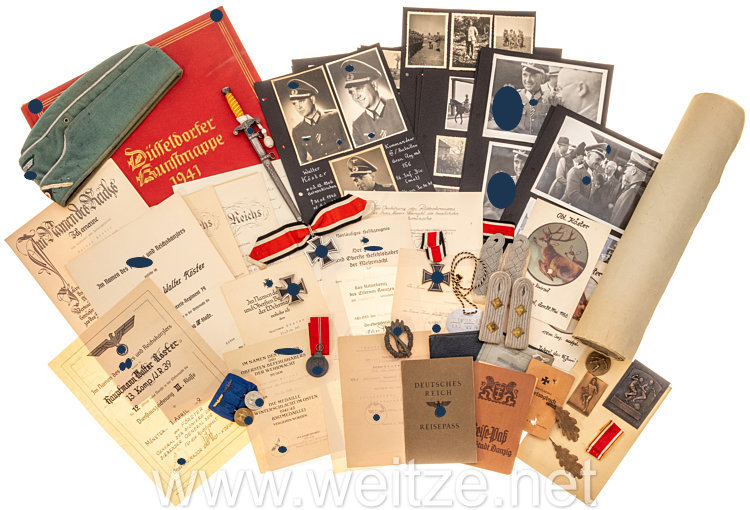
Wehrmacht: großer Nachlass des Ritterkreuzträgers Major Walter Köster, Kommandeur III./Infanterie-Regiment (mot) 156
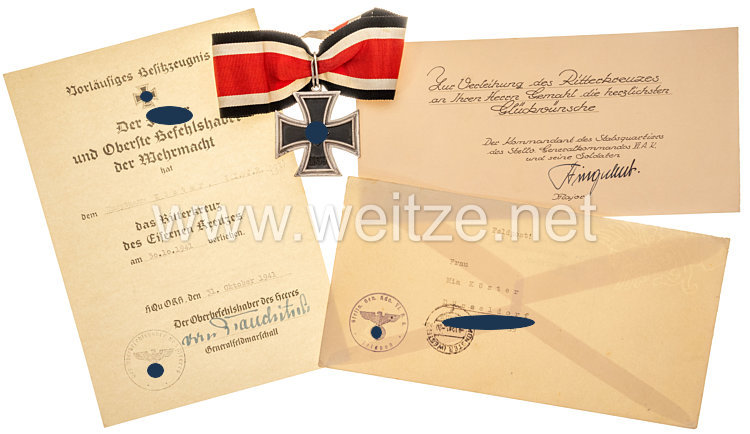
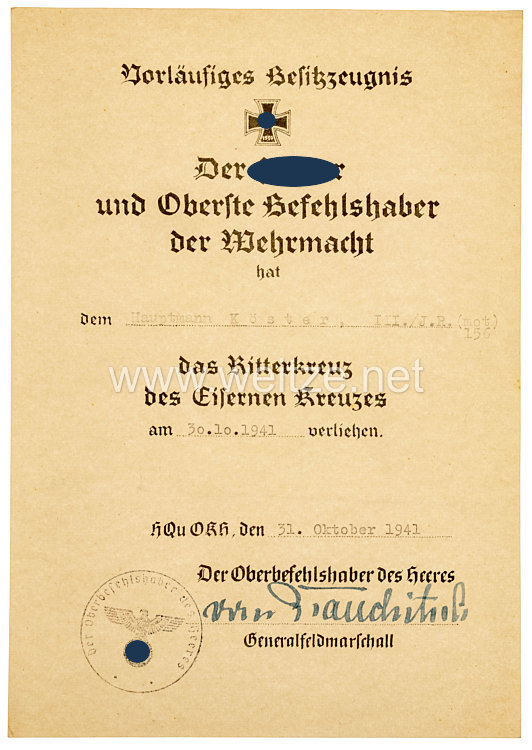
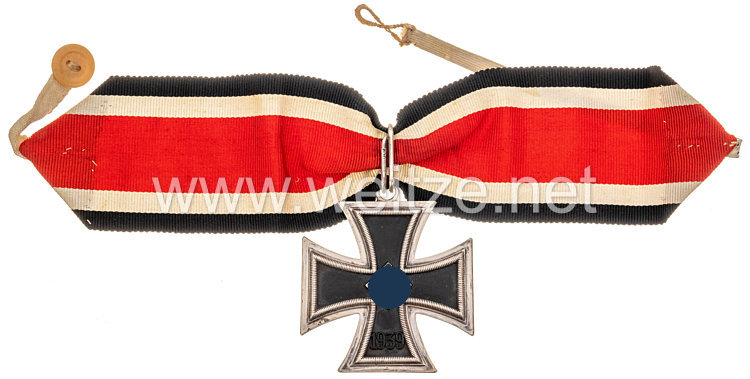
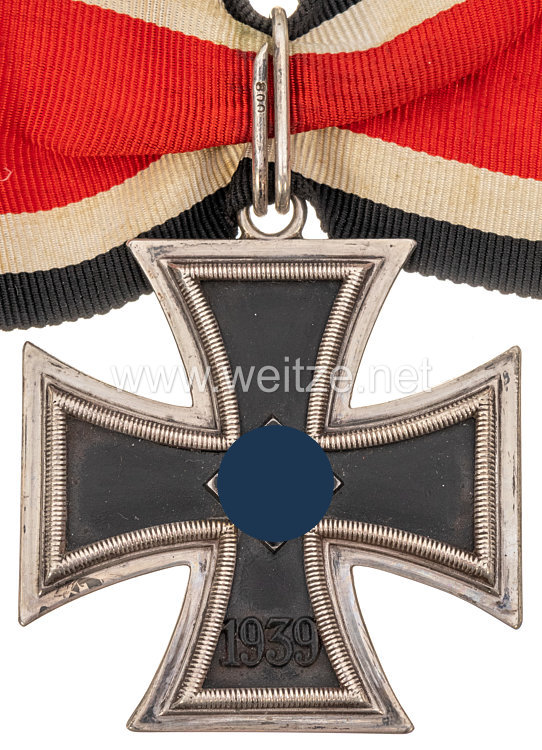
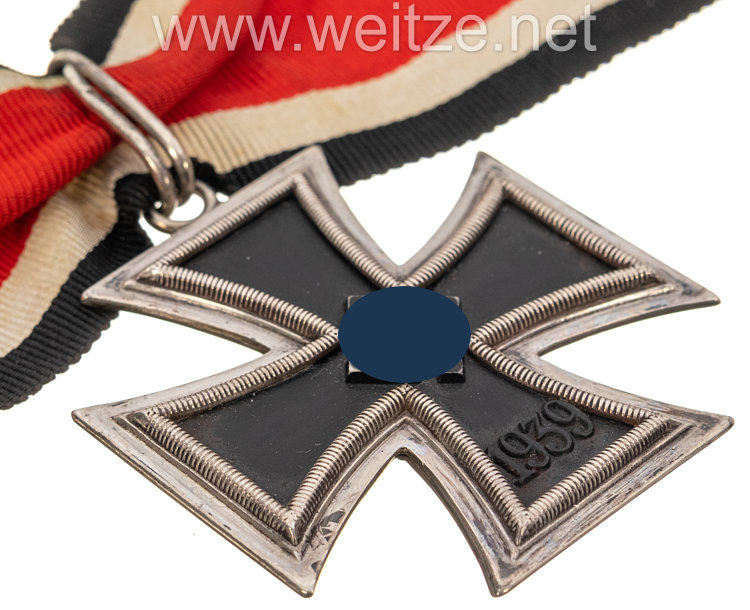
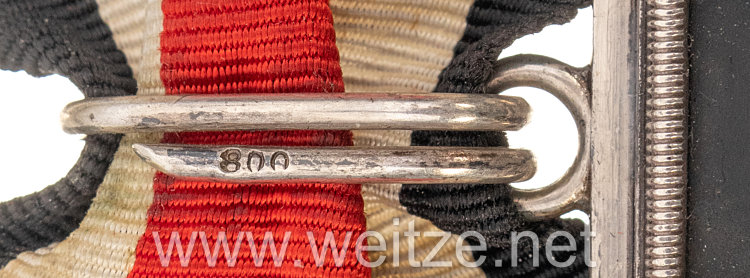
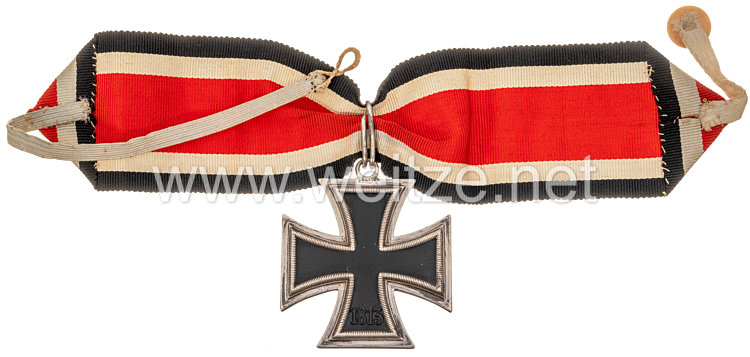
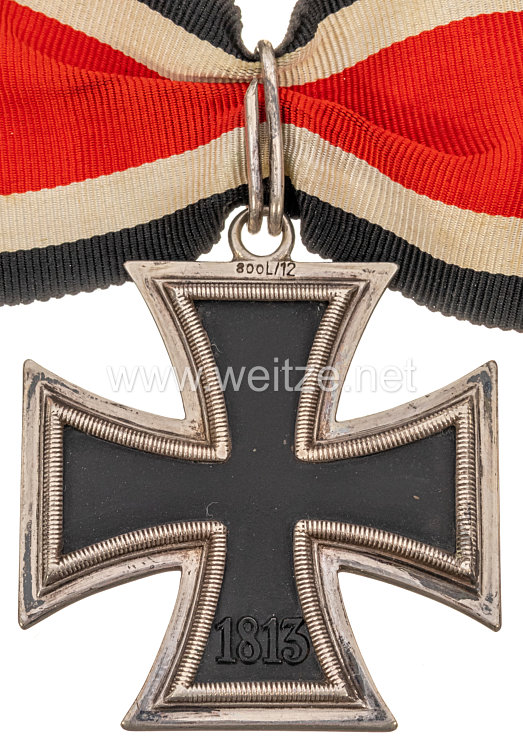
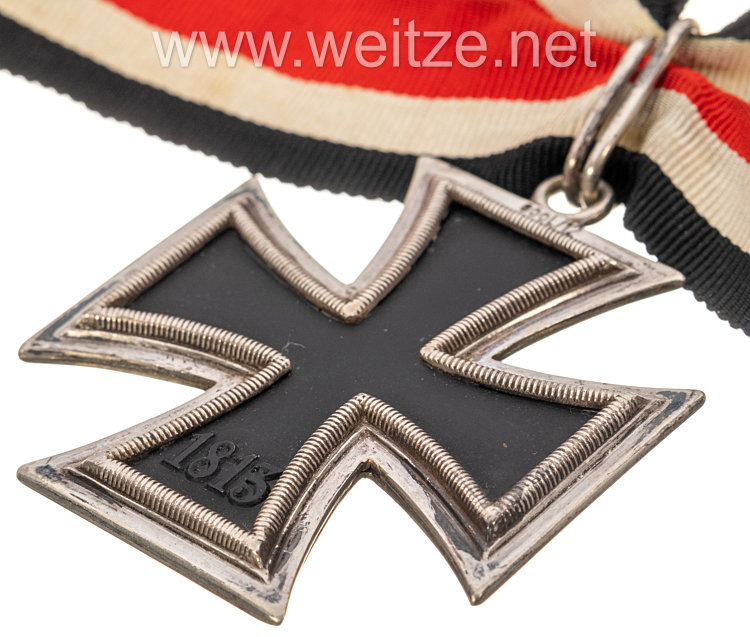
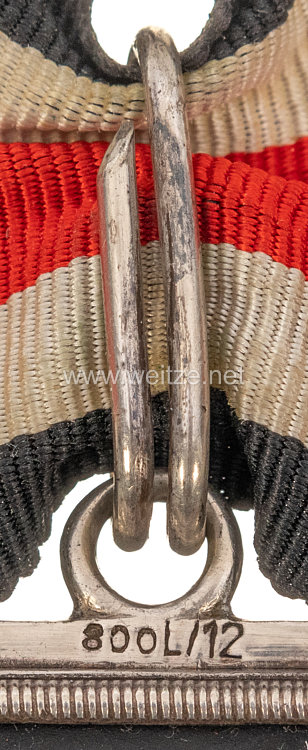
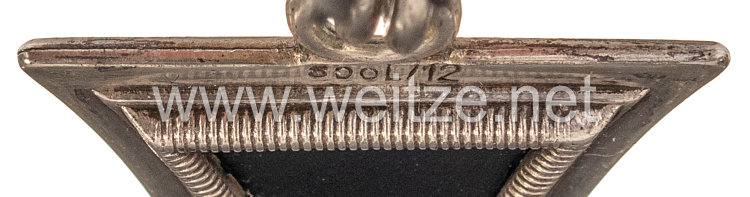
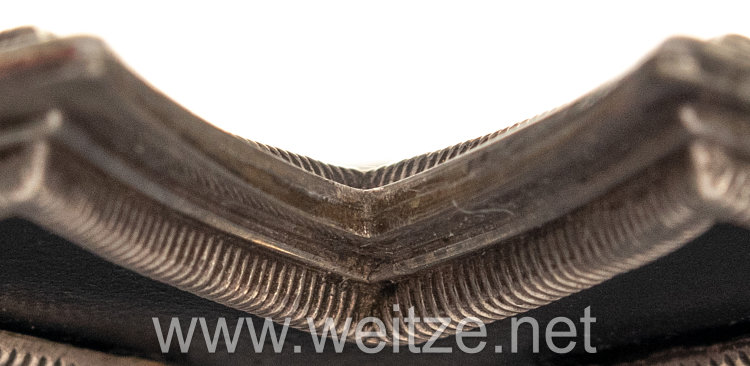
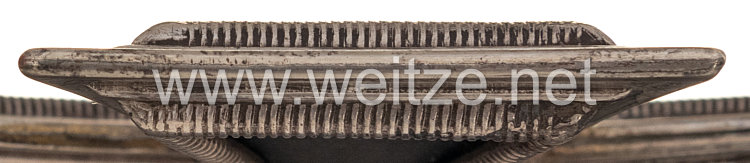
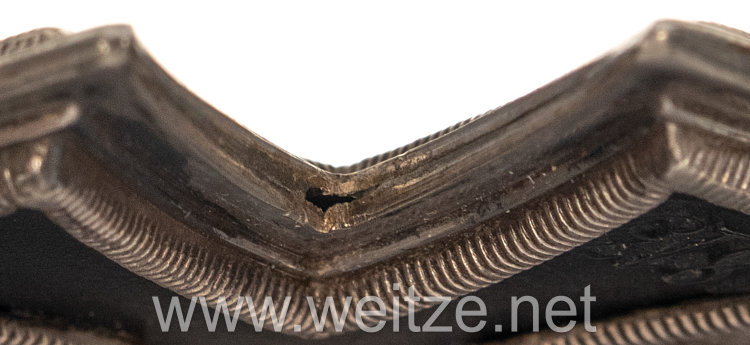
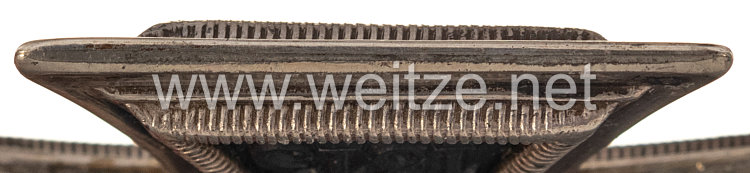
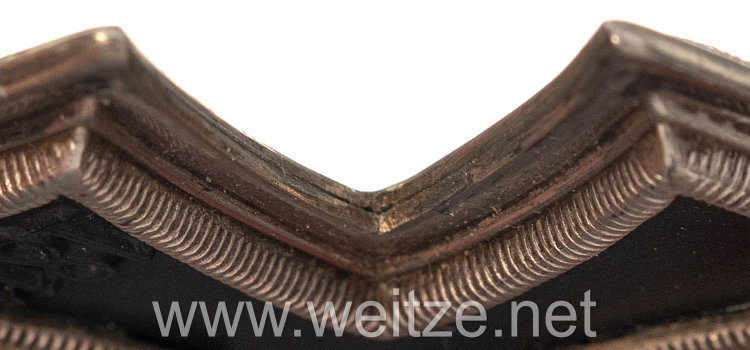
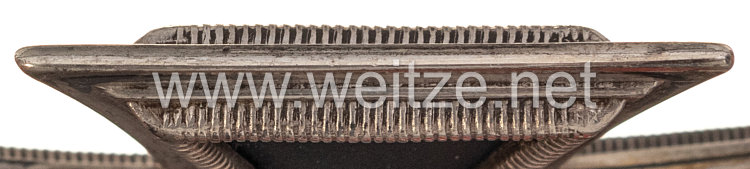
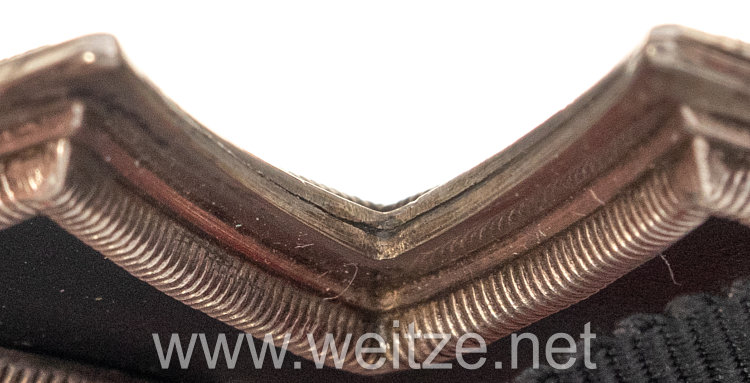
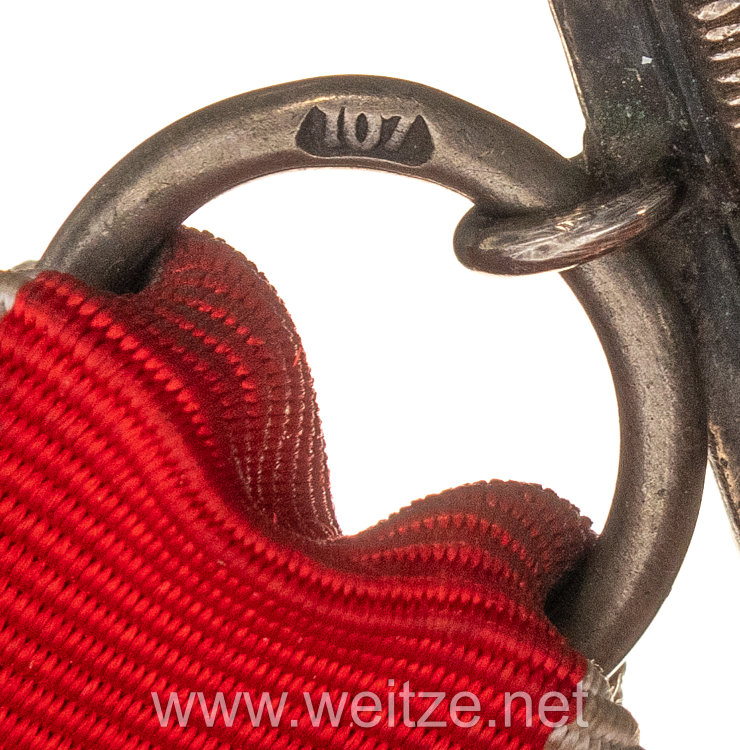
Ritterkreuz zum Eisernen Kreuz 1939, eine klassische Fertigung der Firma C.E. Juncker, Berlin. Geschwärzter Eisenkern an Silberzarge. Rückseitig gestempelt "800 L/12". Leicht getragen, in gutem Zustand. Komplett mit dem getragenen original Halsband. Dazu das vorläufige Besitzzeugnis zum Ritterkreuz des Eisernen Kreuzes ausgestellt auf "Hauptmann Köster, III./I.R. (mot) 156", datiert " HQ u OKH, den 31. Oktober 1941". Mit Original-Tintenunterschrift Der Oberbefehlshaber des Heeres "von Brauchitsch" Generalfeldmarschall.3500
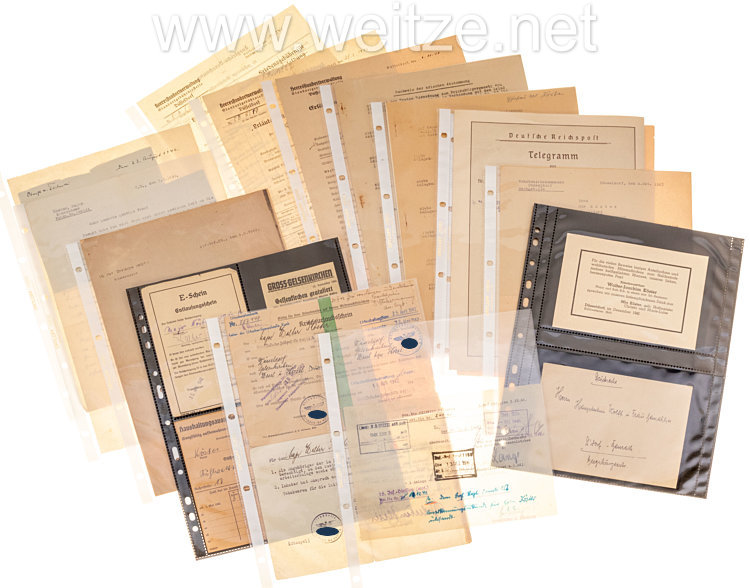
Übersendungsschreiben für die Urkunde vom Gen. Kdo. XXXXVIII. Pz. Korps an die 16. Inf.-Division (mot) und vom Inf.-Rgt. (mot) 156. Auszug aus dem Div.-Tagesbefehl Nr. 85 und 87. : 1. Verleihung des Ritterkreuz durch den Führer und Obersten Befehlshaber der Wehrmacht und 2. Anerkennung des Führers für die hervorragenden Leistungen am 28.9.41 auf dem Schlachtfelde bei Belozerkowka. Feldpostbrief an die Ehefrau mit dem Glückwunsch zur Ritterkreuzverleihung durch den Kommandant des Stabsquartiers des stellv. Generalkommandos VI. A.K. . Dazu 3 Zeitungsausschnitte "Der Gelsenkirchener Ritterkreuzträger Walter Köster..", ein Anschreiben der Gelsenkirchener Allgemeinen Zeitung vom 13.11.41 .
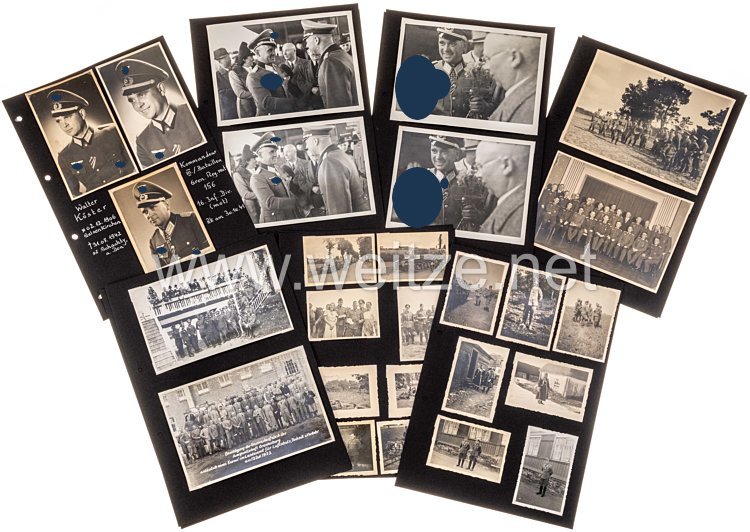
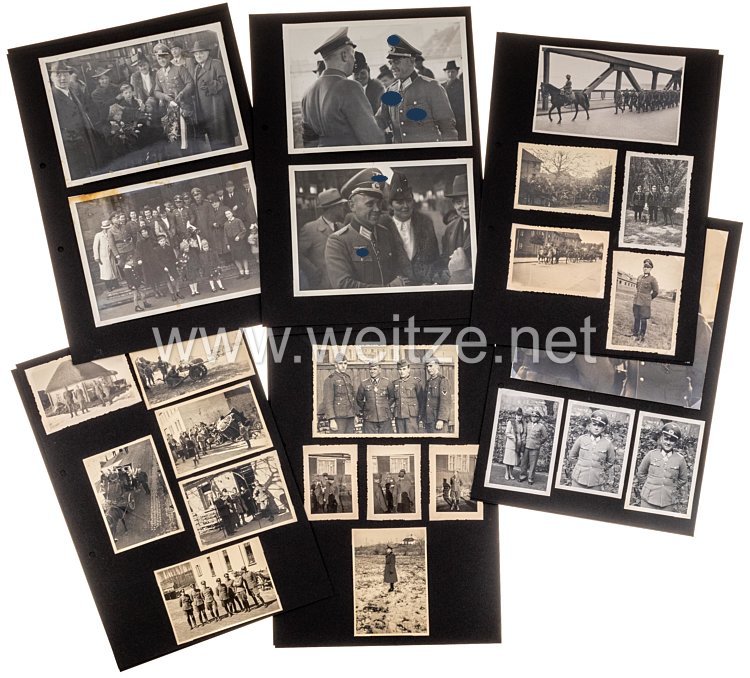
23 original Fotos von Major Köster mit Ritterkreuz, sehr schöne Fotos der Verleihung, Portraitfotos und als Major beim Heimatbesuch 1942.
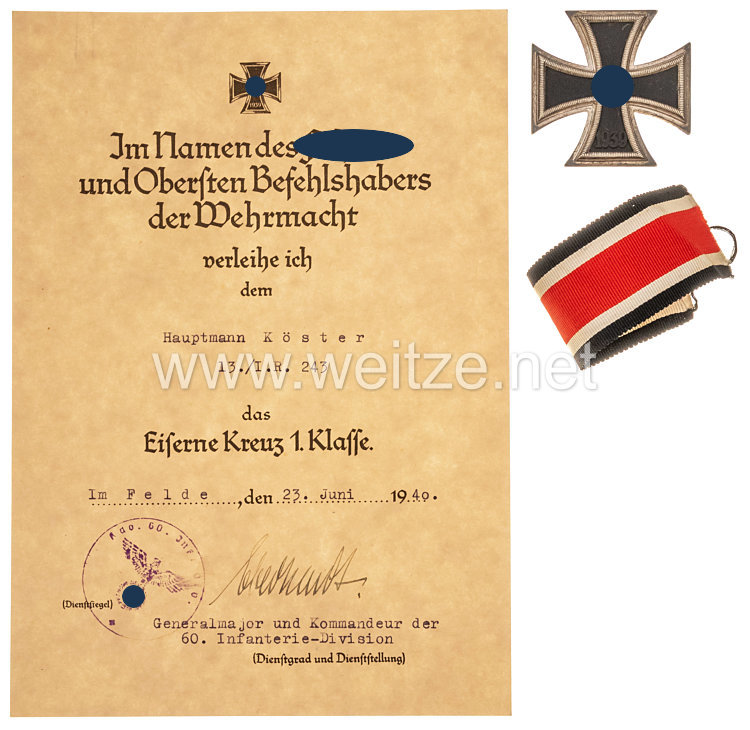
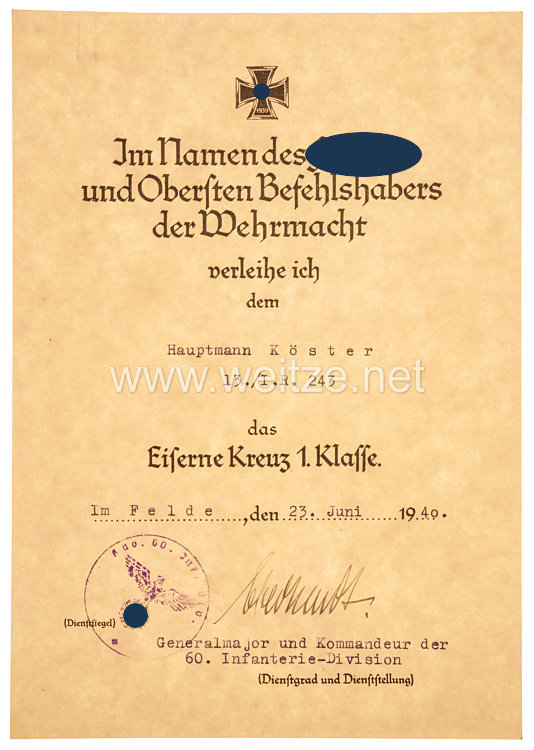
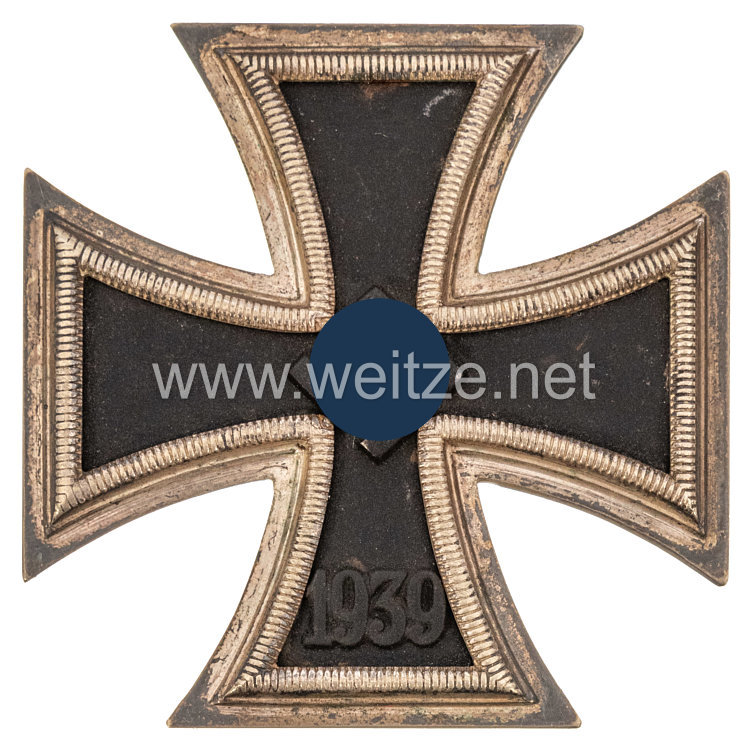
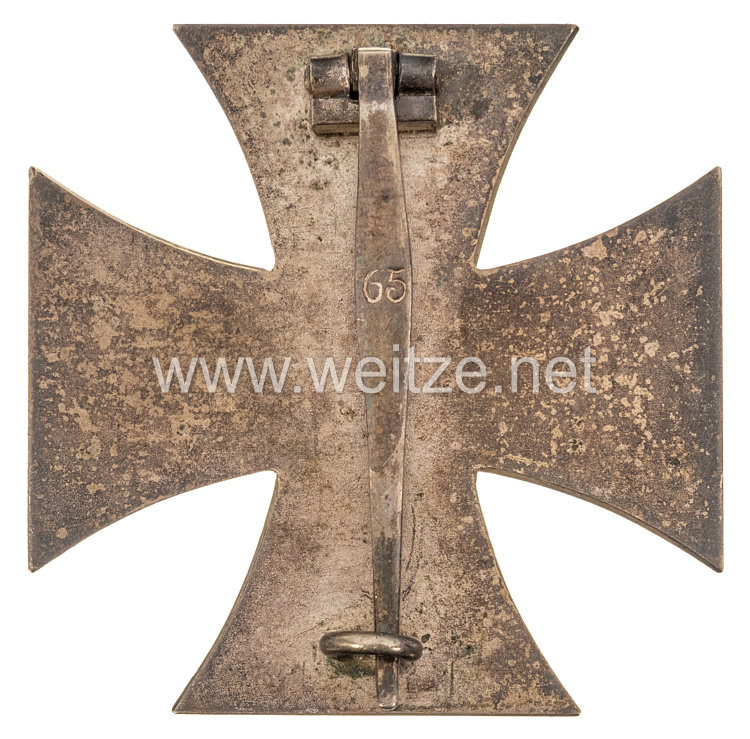
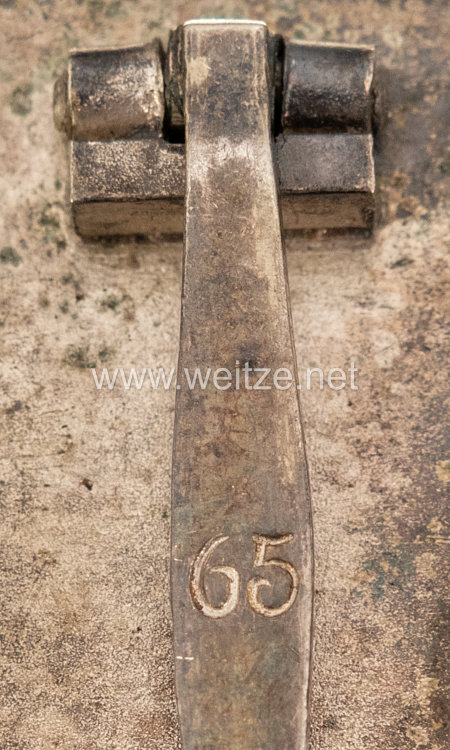
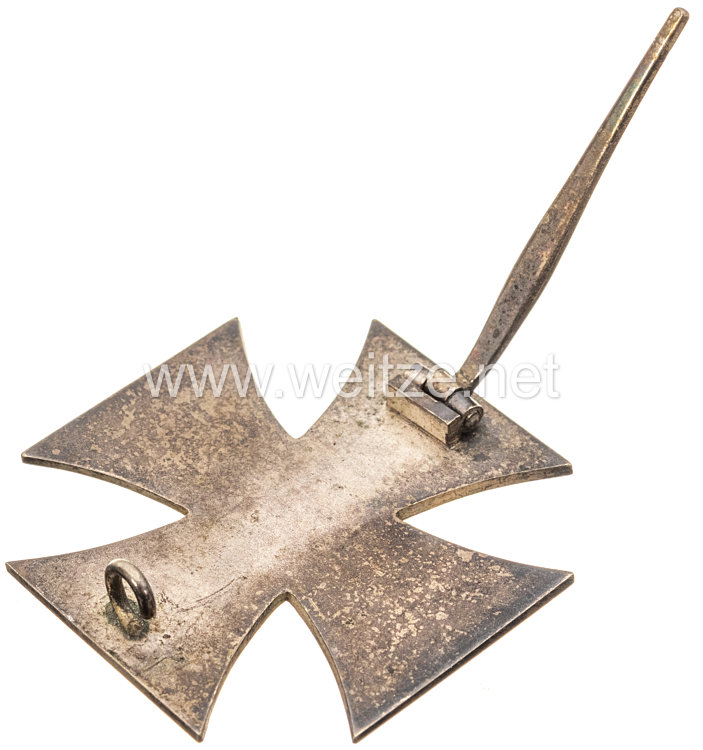
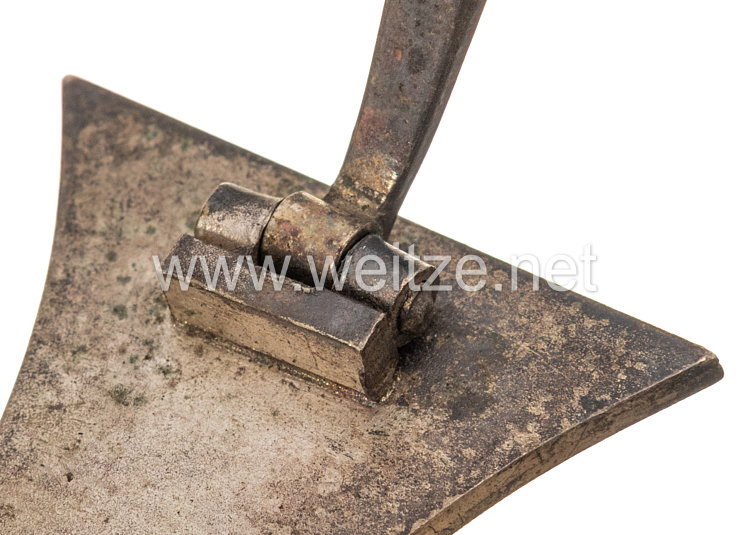
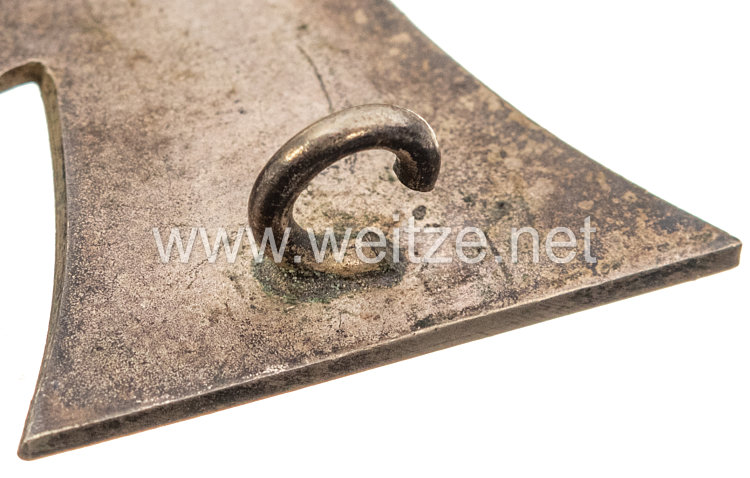
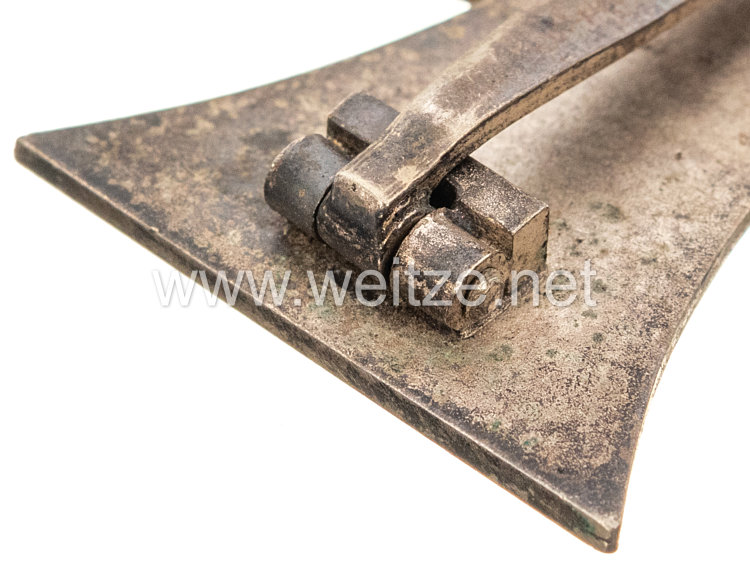
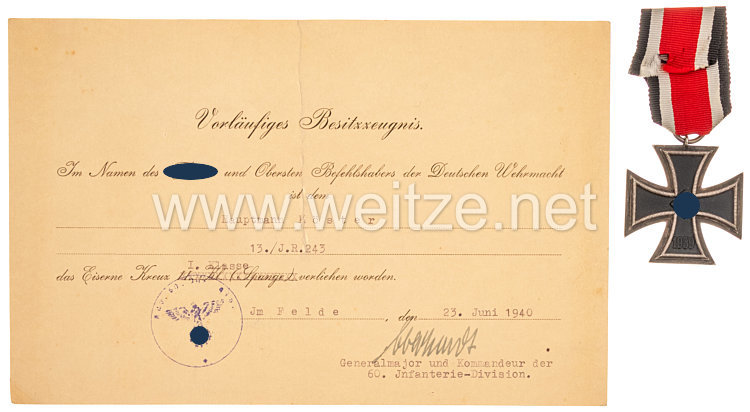
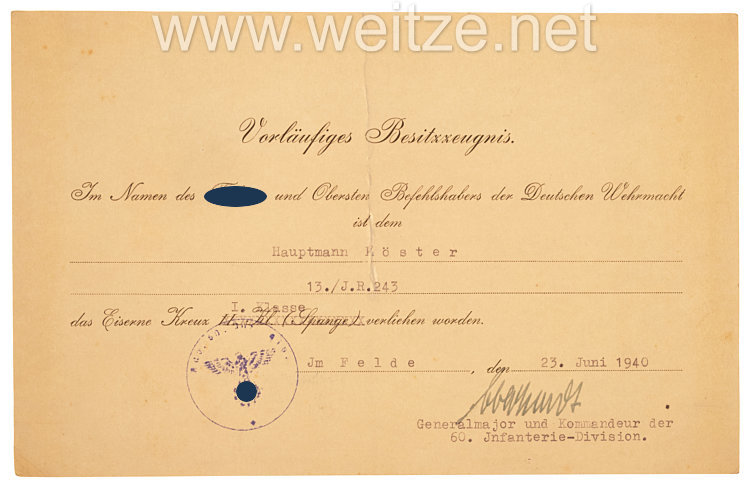
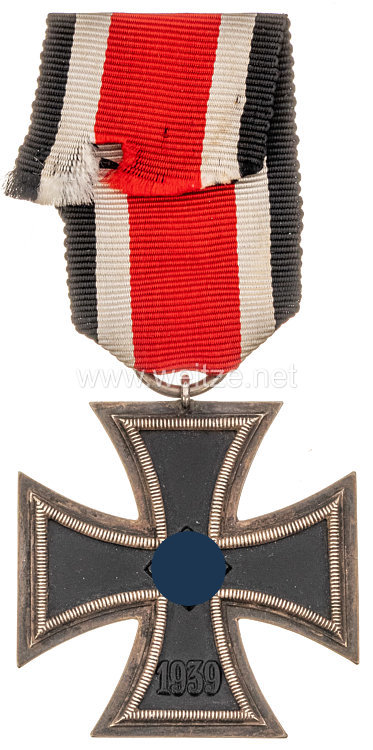
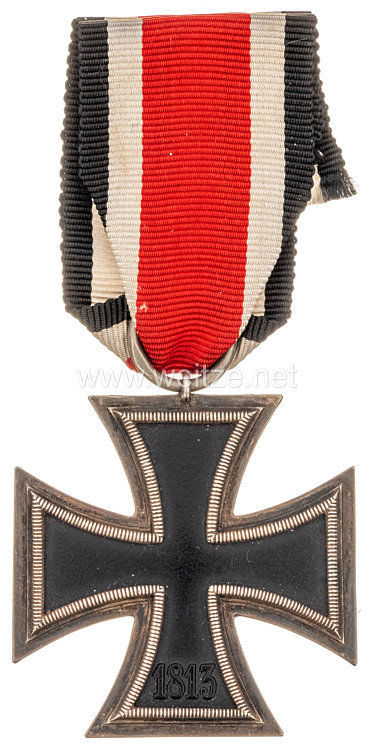
Eisernes Kreuz 1939 1. Klasse, Hersteller "65". Getragenes Stück. Dazu das Vorläufige Besitzzeugnis und die Verleihungsurkunde zum Eisernen Kreuz 1. Klasse, ausgestellt 23. Juni 1940, beide Urkunden mit original Unterschrift "Eberhardt" Generalmajor und Kommandeur der 60. Infanterie-Division. Dazu ein sehr schönes Portraitfoto um 1940 mit dem frisch verliehenen EK 1 . Dazu das Eiserne Kreuz 1939 2. Klasse am Band, Zustand 2. Weiterhin das Band zum EK, welches im Knopfloch getragen wurde.
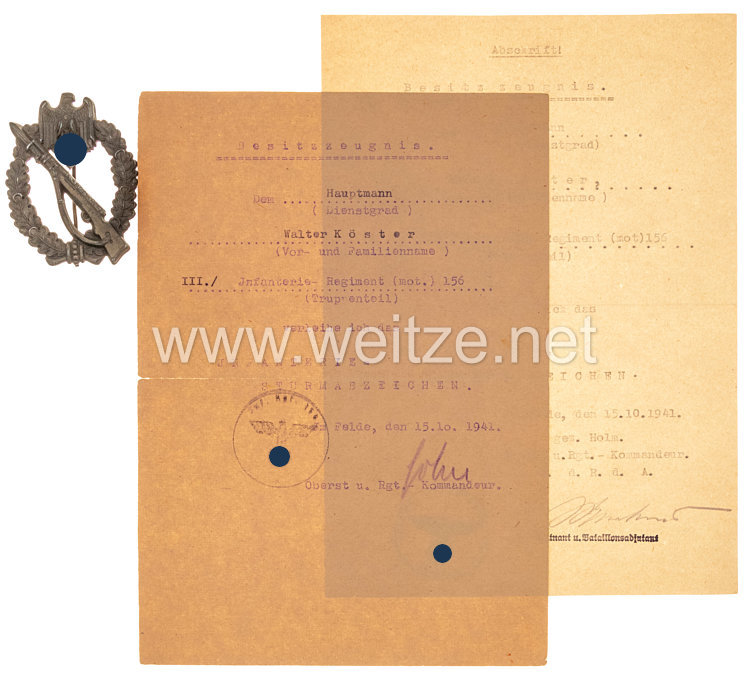
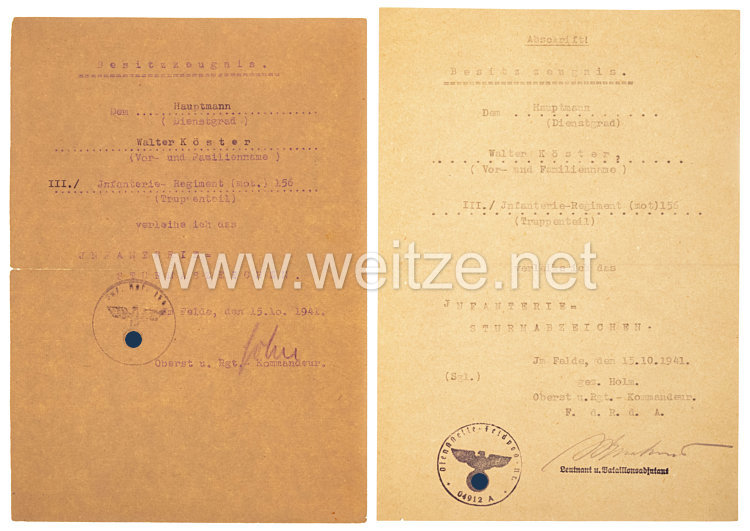
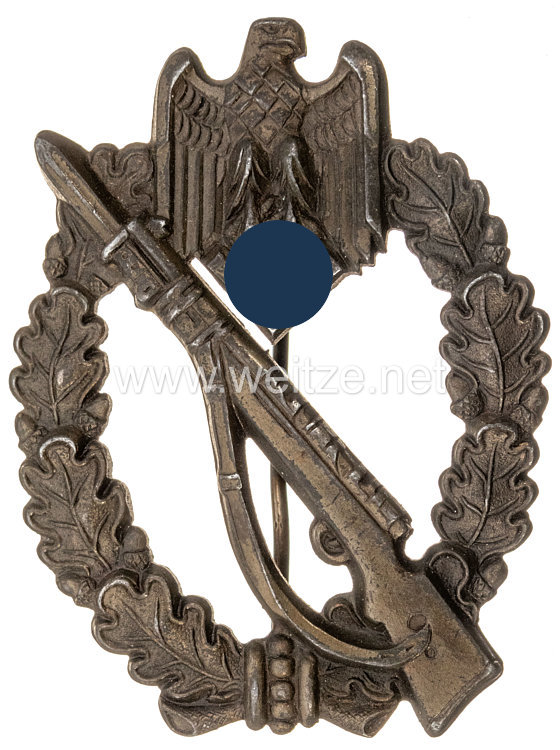
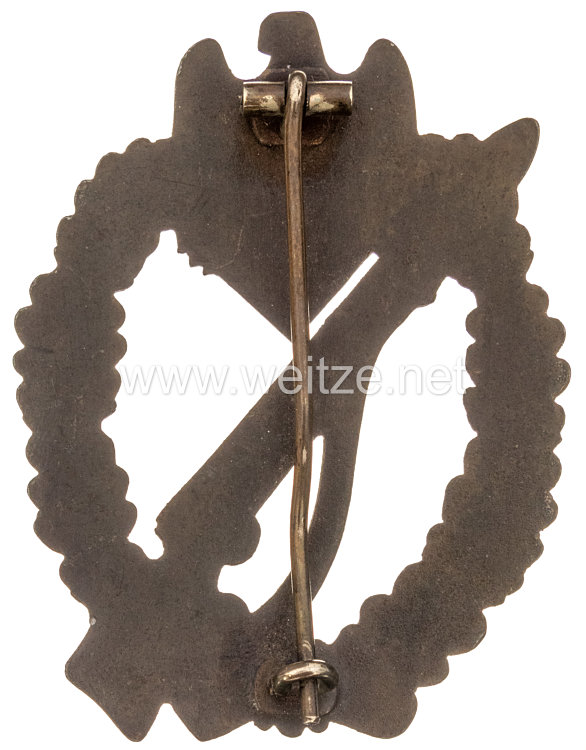
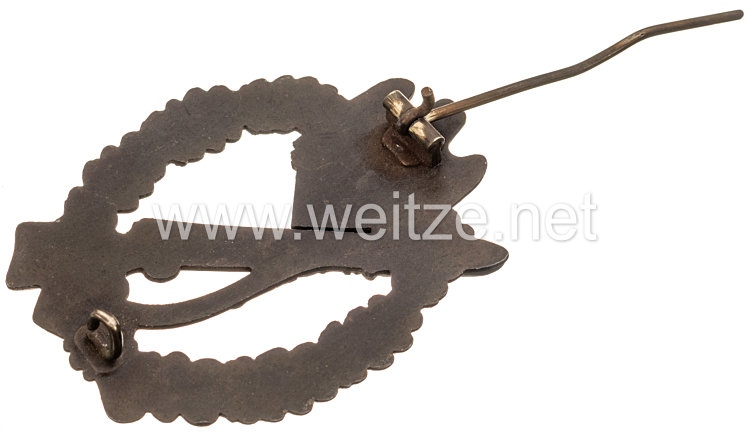
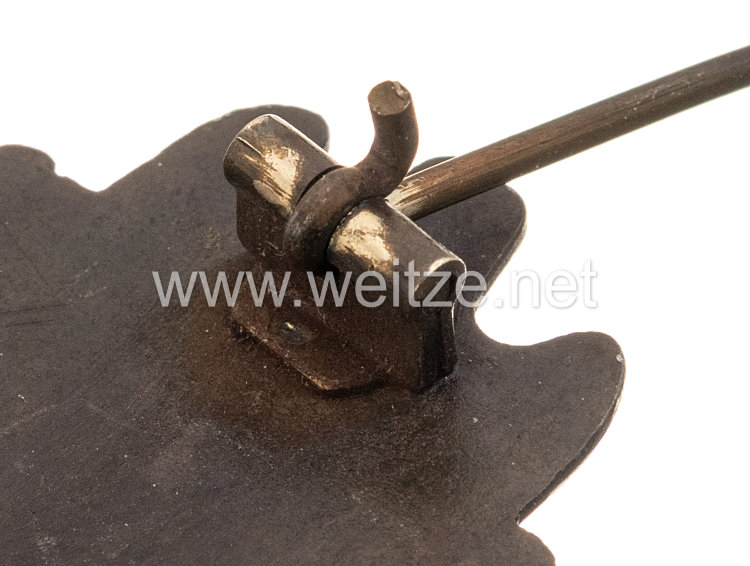
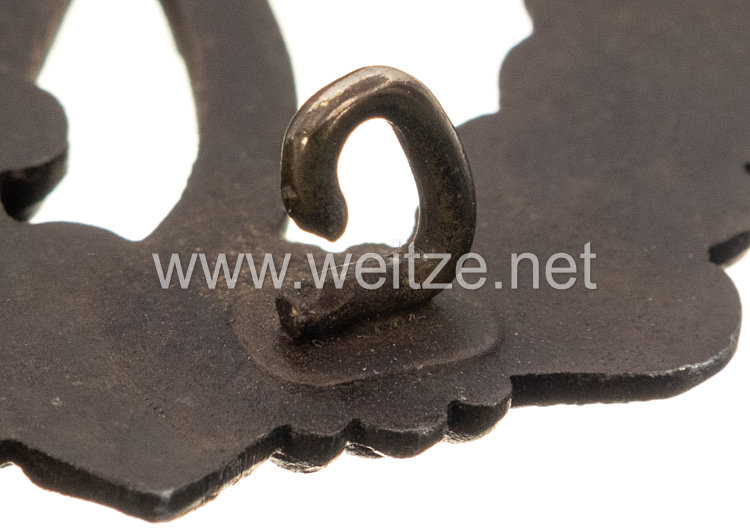
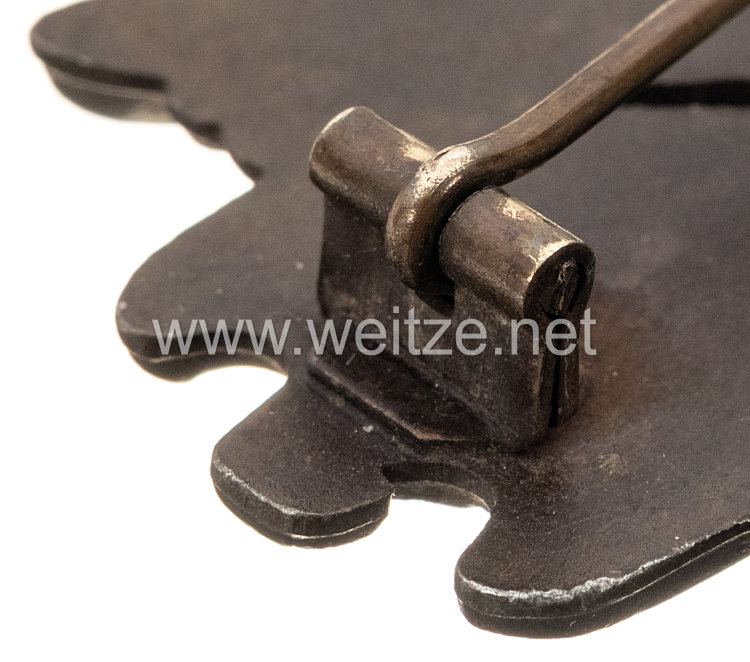
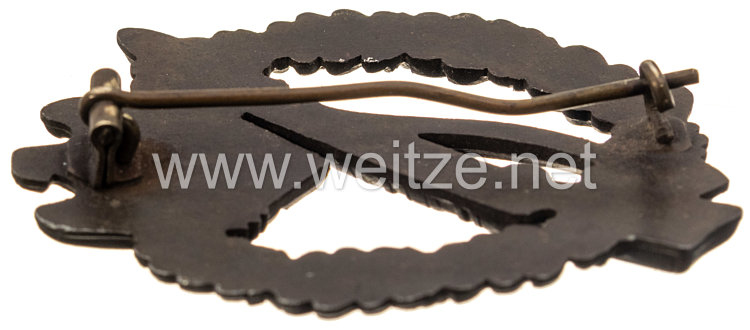
Infanteriesturmabzeichen in Bronze, ohne Hersteller. Getragen. Dazu das Besitzzeugnis, ausgestellt im Felde 15.10.1941. Dazu die Abschrift des Besitzzeugnis.
Übersendungsschreiben vom Gen. Kdo. XXXXVIII. Pz. Korps an die 16. Inf.-Division (mot) für die "Anerkennungsurkunde des Herrn Oberbefehlshabers des Heeres für Hauptmann Köster, Kdr. III./I.R. 156 (mot).
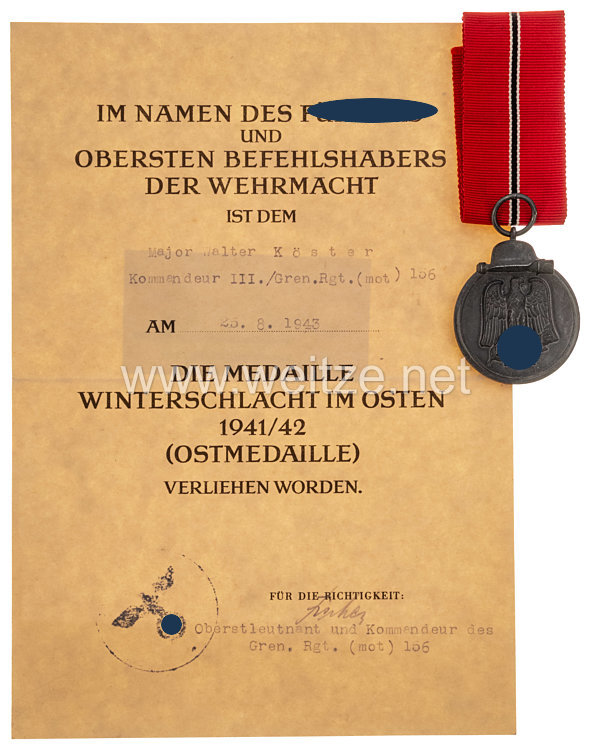
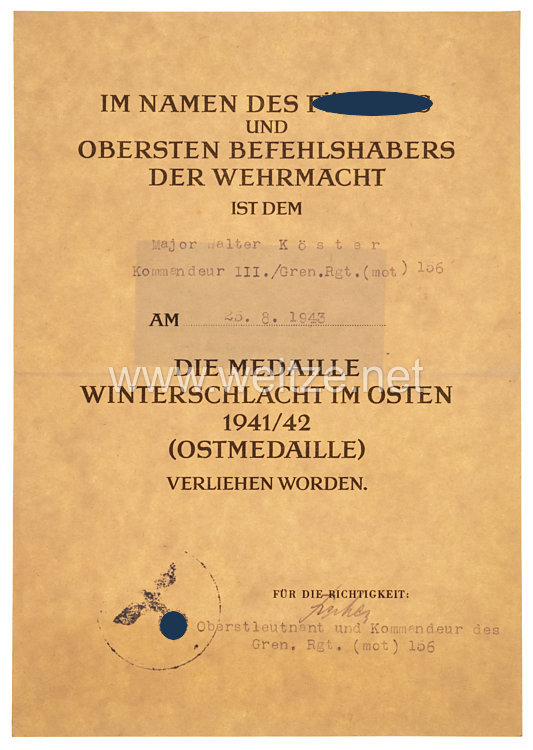
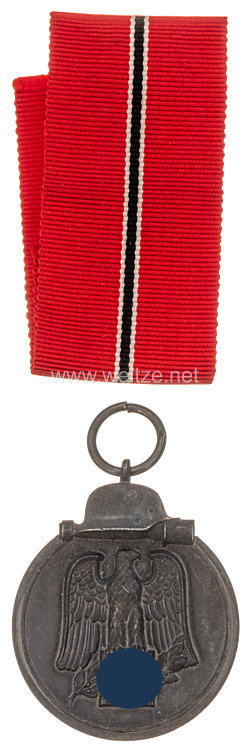
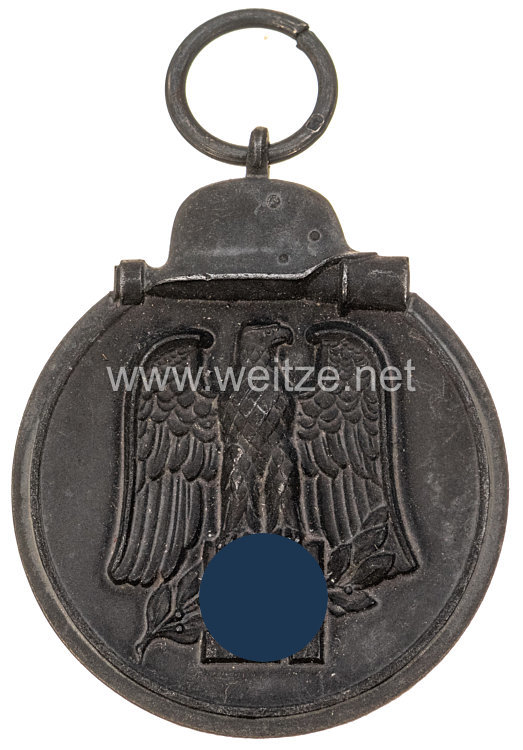
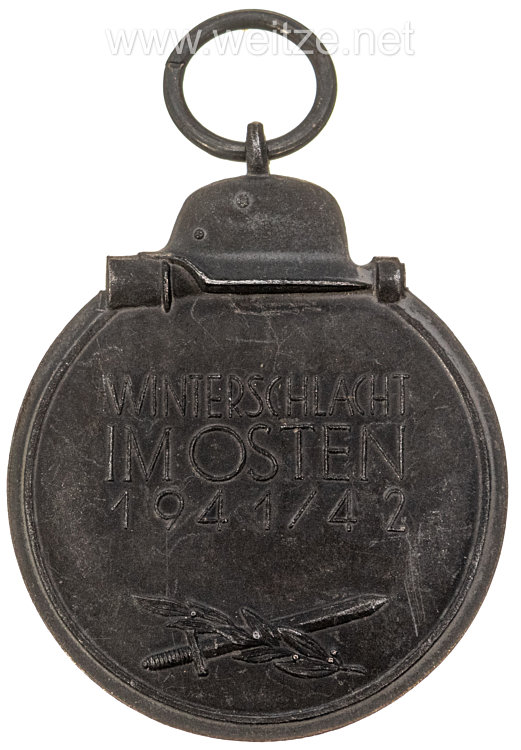
Winterschlachtmedaille im Osten, Feinzink, am Band, ungetragen. Dazu die Verleihungsurkunde, posthum ausgestellt an "Major Köster, Kommandeur III./Gren. Rgt. (mot) 156", datiert 25.8.1943. Dazu das Anschreiben an die Witwe zur Übersendung der Winterschlachtmedaille, datiert 23.9.1943.
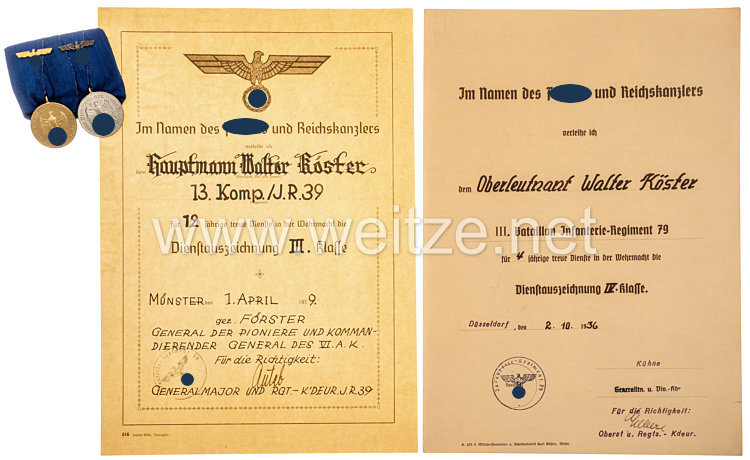
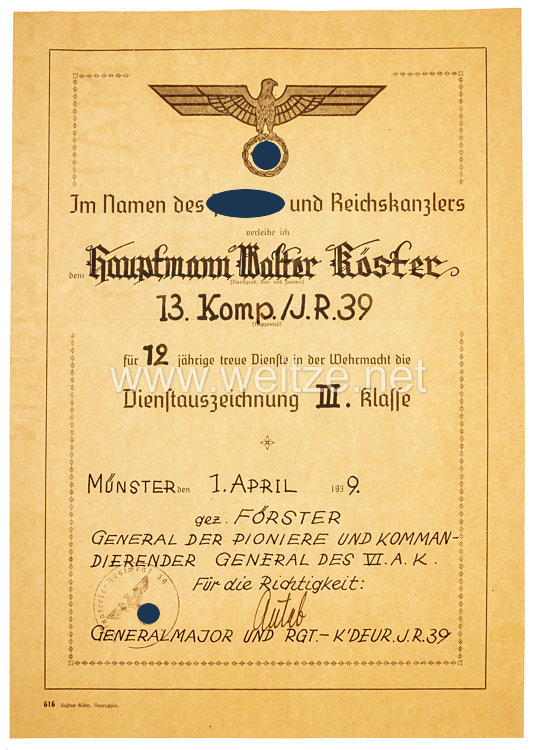
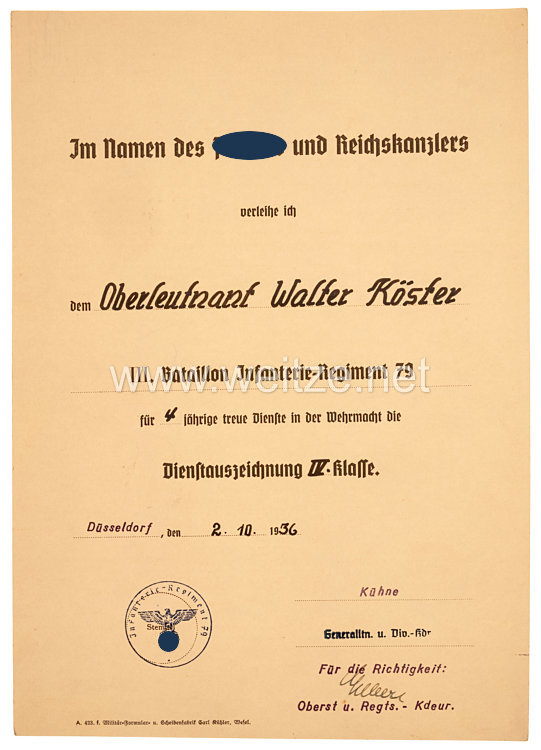
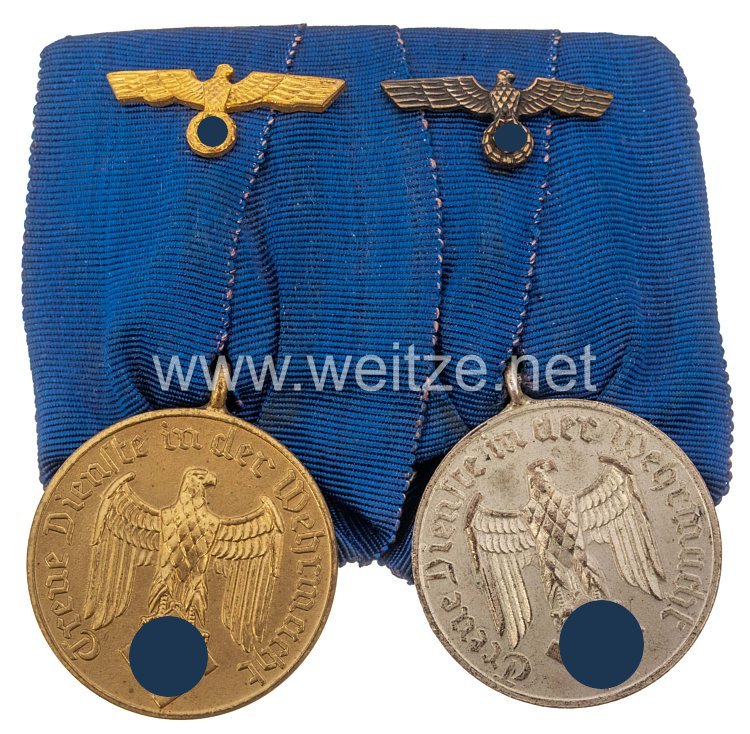
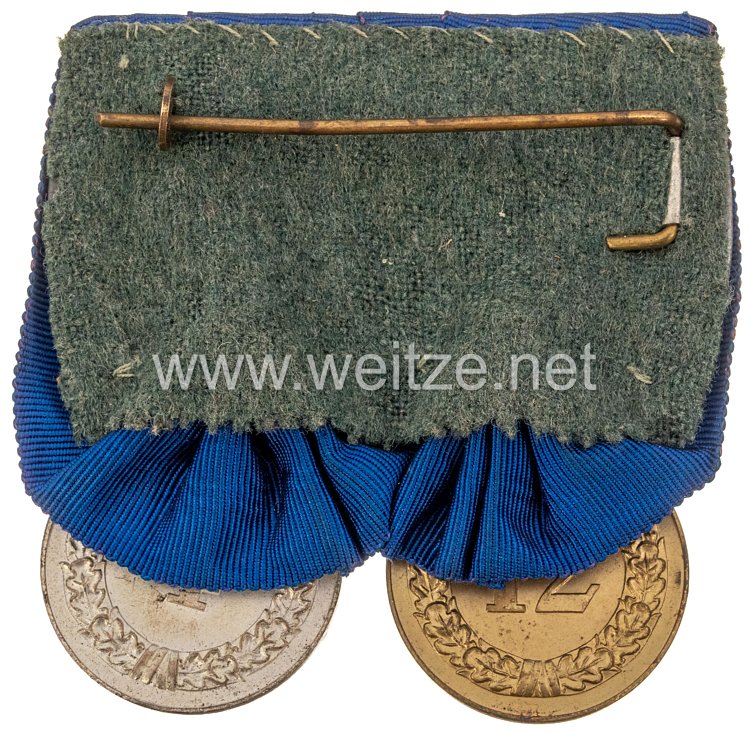
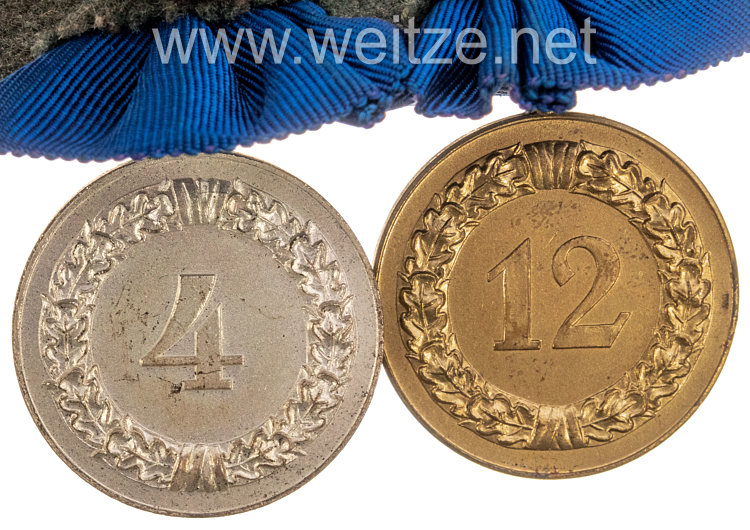
Ordensschnalle mit WH Dienstauszeichnung für 12 und 4 Jahre. Dazu die beiden Verleihungsurkunden, ausgestellt 1936 und 1939.
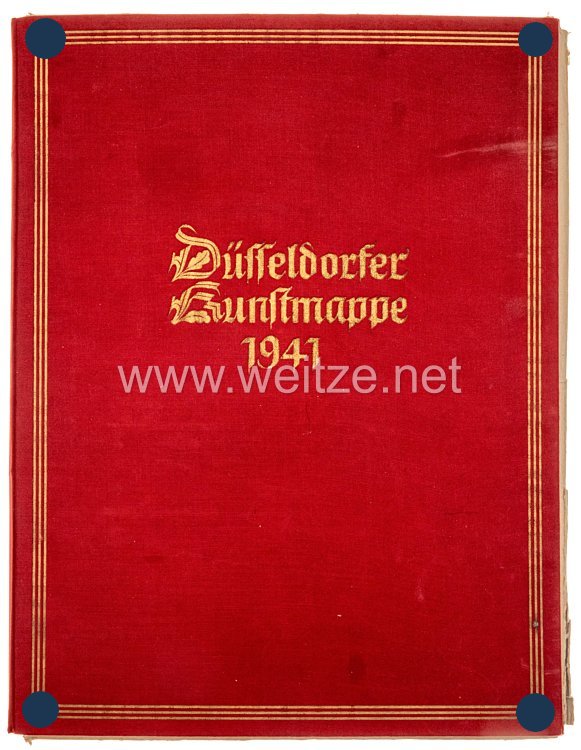
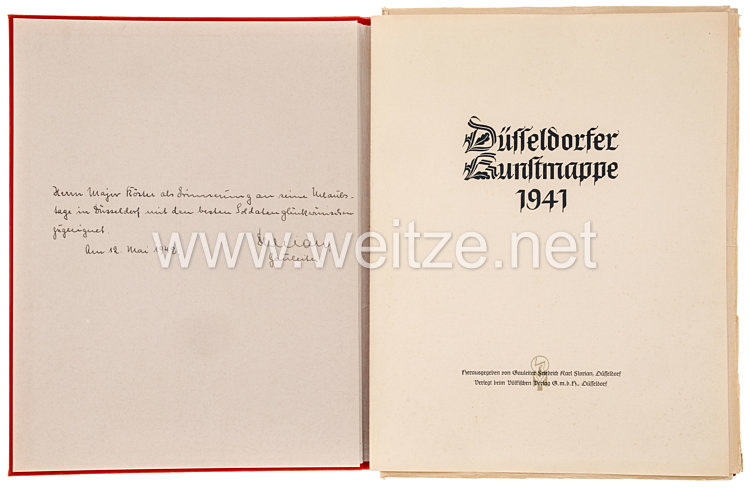
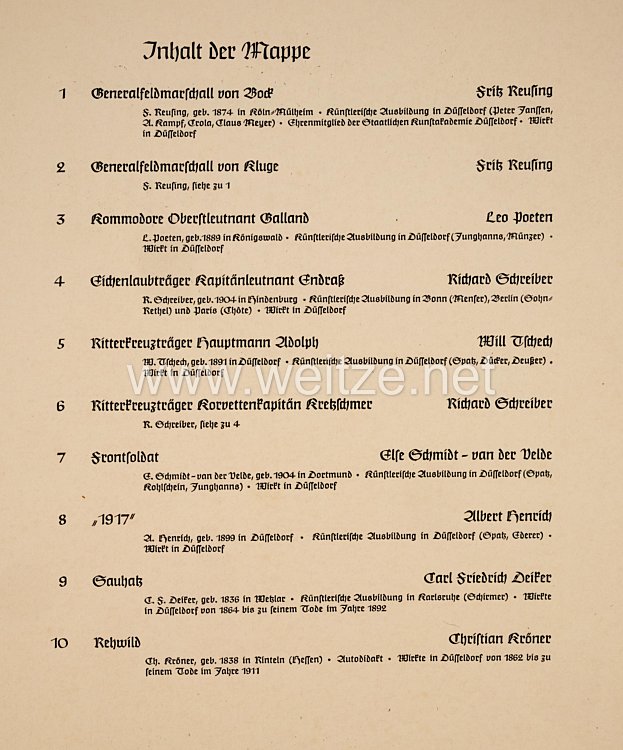
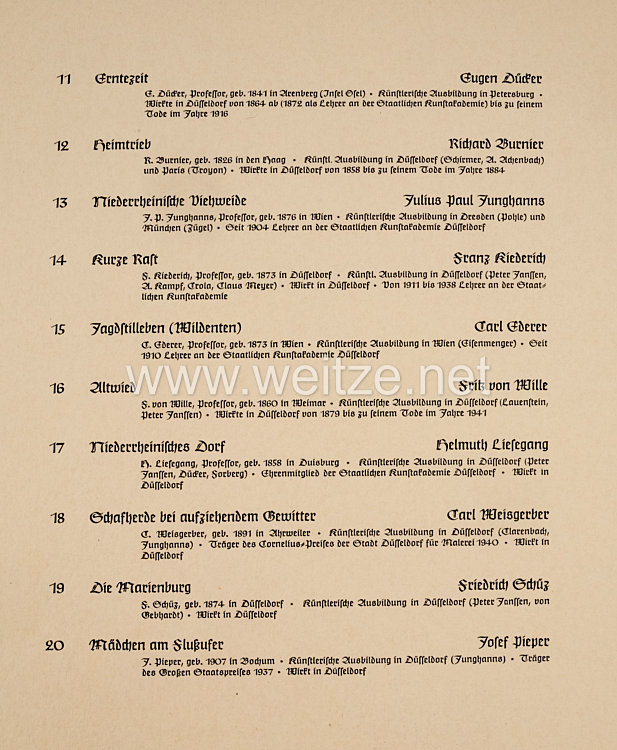
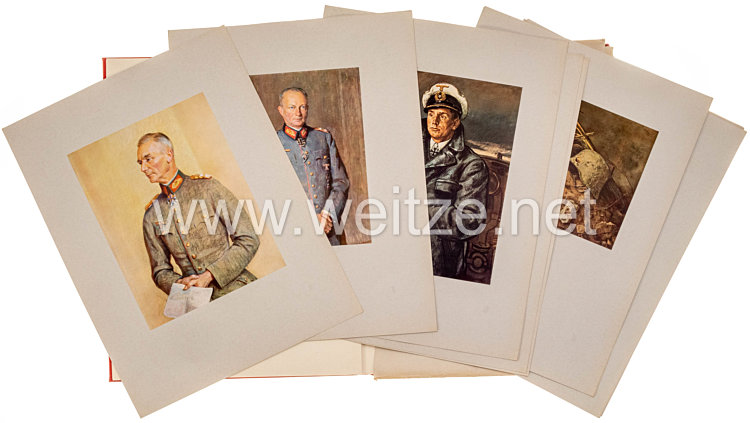
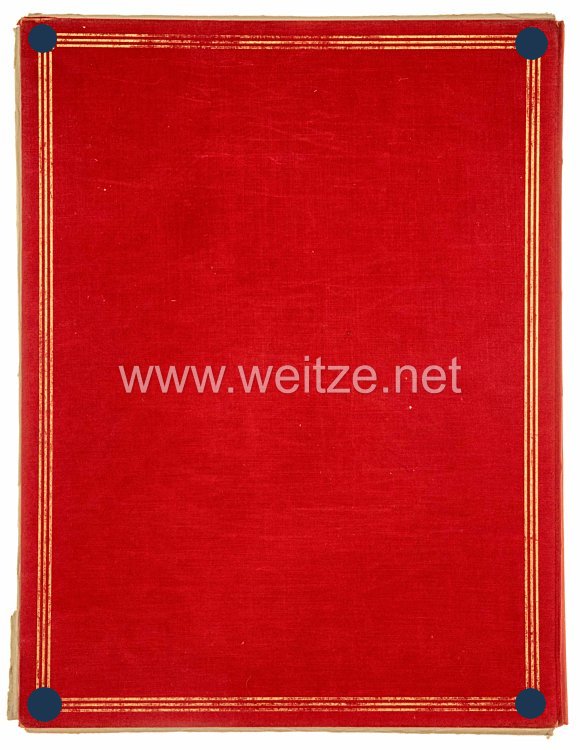
Große "Düsseldorfer Kunstmappe 1941", innen mit handschriftlicher Geschenkwidmung des Gauleiters Florian "Herrn Major Köster als Erinnerung an seine Urlaubstage in Düsseldorf mit den besten Soldatenglückwünschen zugeeignet. Am 12. Mai 1942".
Kriegsurlaubsschein in die Heimat nach Düsseldorf April 1942, dazu ein Berechtigungsschein als Ostfrontkämpfer "wöchentlich 2 Eier zu empfangen".. beides ausgestellt Feldpost-Nr. ,4912 A.
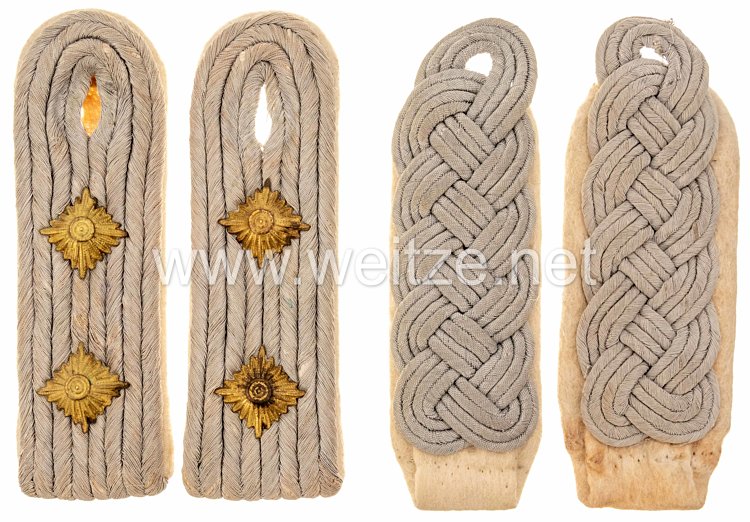
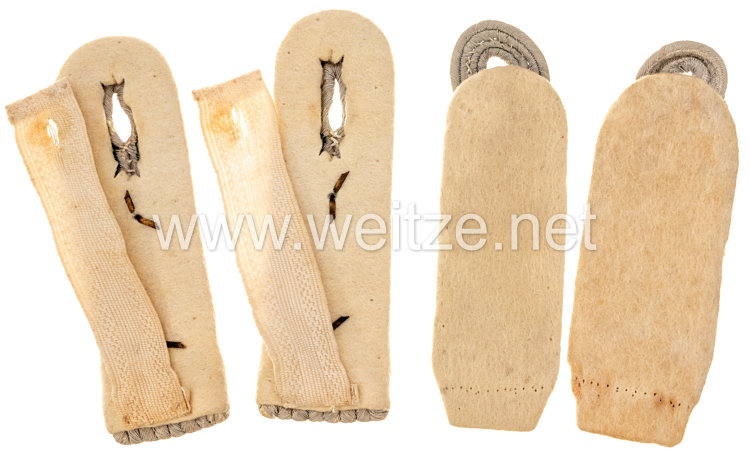
Wehrmacht Erkennungsmarke "Nr. 1 13/I.R. 243", Aluminium, am Halstrageband. Paar Schulterstücke als Hauptmann und Major der Infanterie, beide getragen.
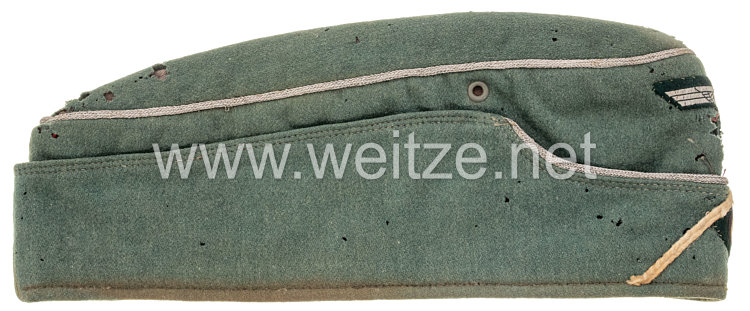
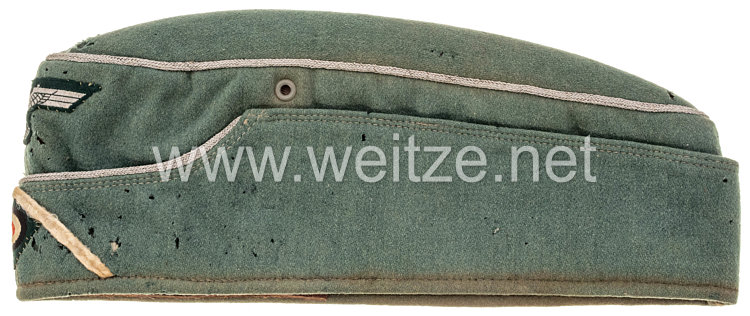
Schiffchen für Offiziere der Infanterie, frühe Ausführung um 1940. Viel getragen, mit Mottenschäden, Zustand 2-3.
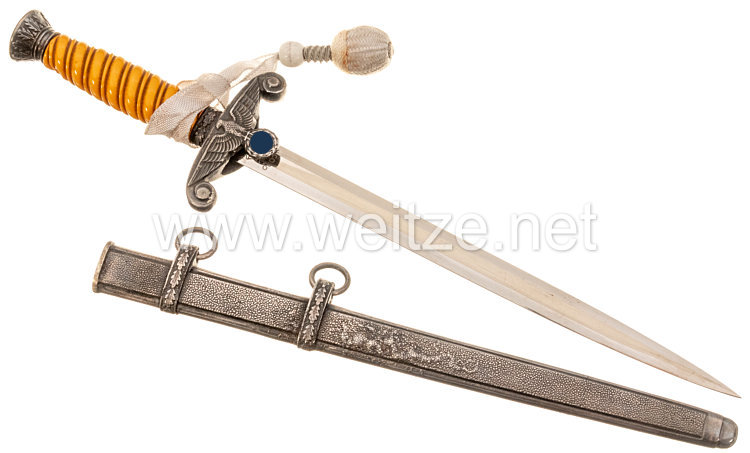
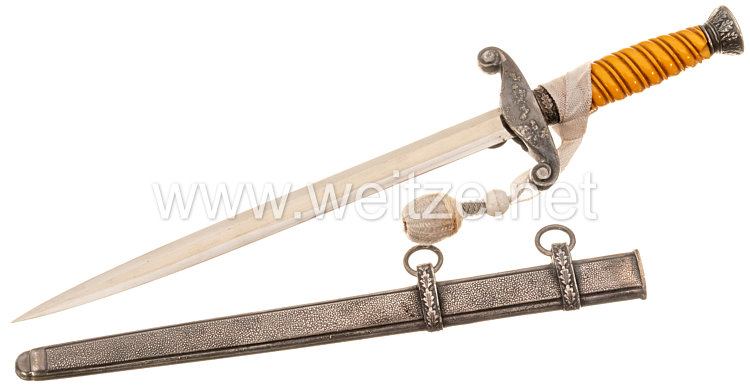
Wehrmacht Miniatur des Heeres Offiziersdolch. Große Ausführung, Länge 23,5 cm, ohne Hesteller. Leichte Altersspuren, Zustand 2.
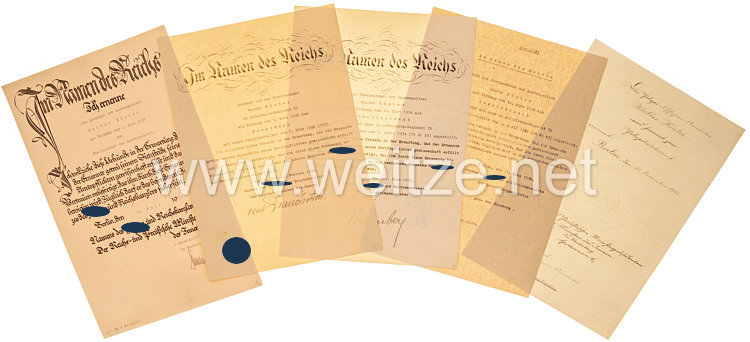
Ernennungsurkunde zum Polizeileutnant, ausgestellt Berlin, den 13. November 1933.
Ernennungsurkunde zum Polizeileutnant 1933 sowie zum Oberleutnant der Landespolizei, 1935, mit original Unterschrift "Daluege".
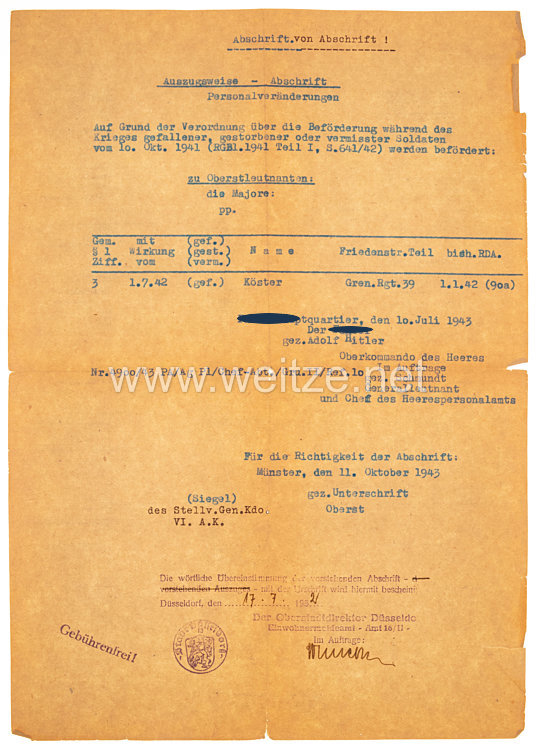
Übernahmeurkunde vom Oberleutnant der Landespolizei zum Oberleutnant in der Wehrmacht , datiert 11. März 1936, mit original Unterschrift "Der Reichskriegsminister Blomberg". Ernennungsurkunde zum Hauptmann, datiert Berlin, den 28. Februar 1938 mit original Unterschrift "Der Oberbefehlshaber des Heeres von Brauchitsch". Abschrift der posthumen Beförderung zum Oberstleutnant, datiert 11. Oktober 1943.
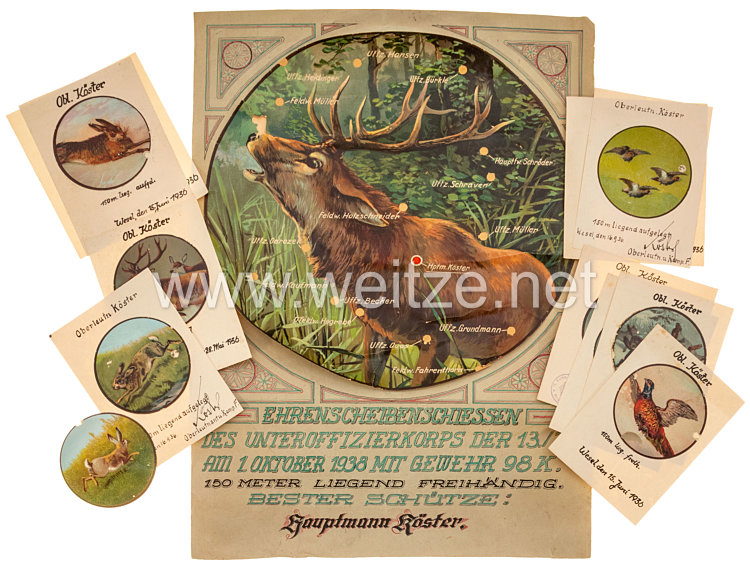
Große Urkunde "Ehrenscheibenschiessen des Unteroffizierskorps der 123./39 am 1. Oktober 1938 mit Gewehr 98 k" als bester Schütze 150 Meter liegend freihändig an Hauptmann Köster. Weiterhin 11 beschriftete Schießscheiben, geschossen beim Inf.-Regt. 11 in Wesel, 1936.
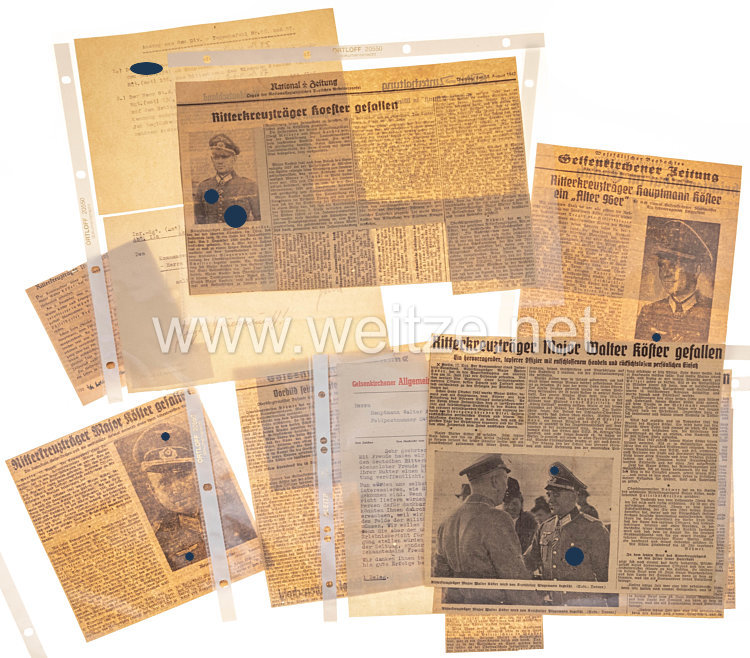
8 Zeitungsauschnitte "Ritterkreuzträger Major Walter Köster gefallen". Beileidsschreiben des Major Köster, Kommandeur Feldpost Nr. 04912A (Infanterie-Rgt. 1, III. Btl.) an die Witwe mit Briefumschlag. Beileidsschreiben des Oberst v. T.. Kommandeur Feldpost Nr. 00332 (Jäger Regiment 56) an die Witwe mit Briefumschlag. Beileidschreiben des Oberbürgermeisters von Düsseldorf an die Witwe, datiert 6. August 1942. Kopie des Beileidsschreibens des Kommandeurs der 16. Inf. Div. (mot), datiert 6.8.1942.
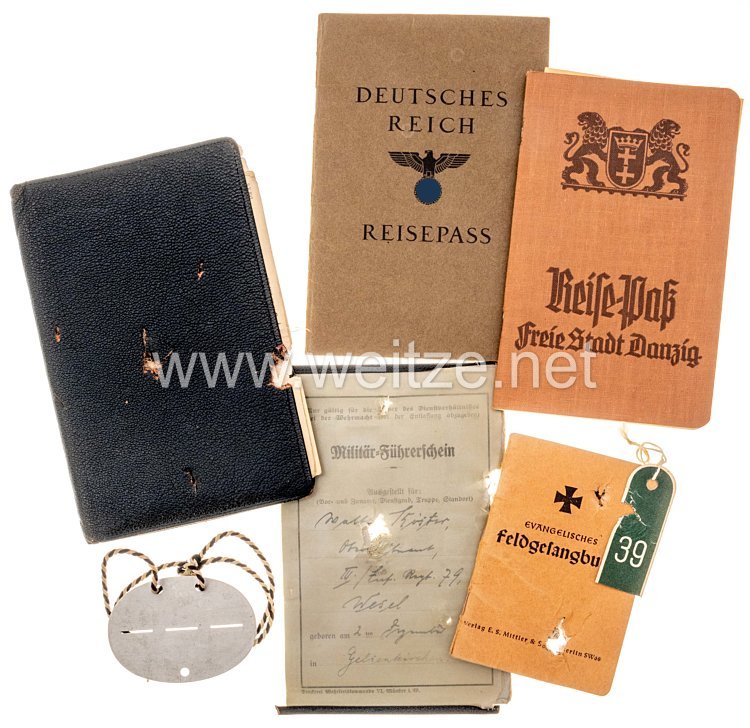
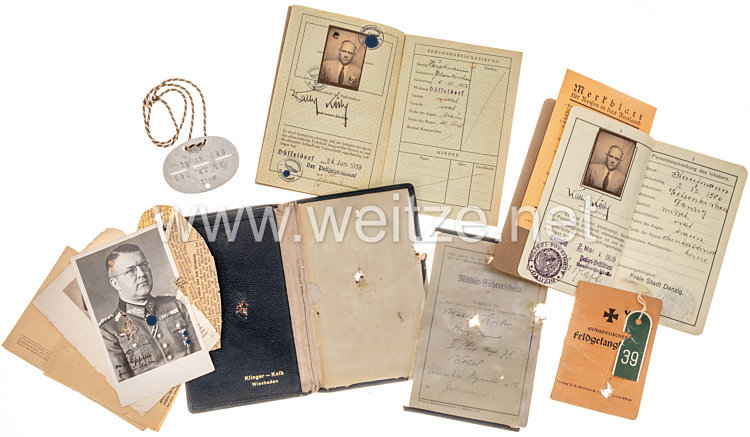
Dazu die persönliche Brieftasche von Major Köster mit Militär-Führerschein, Feldgesangbuch, Foto seines kommandieren Generals und weiteren Unterlagen - von Granatsplittern durchlöchert.
2 vorgedruckte Dankschreiben der Witwe "Düsseldorf, im Dezember 1942".
Übersendungsschreiben des Wehrbezirkskommando Düsseldorf mit der Überlassung des Wehrpasses an die Witwe, datiert 8. Oktober 1943.
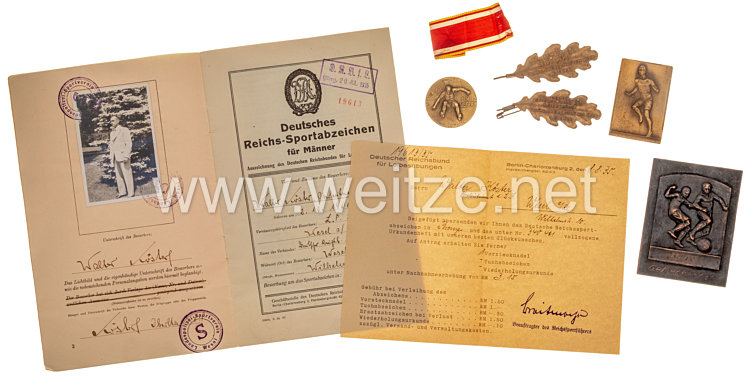
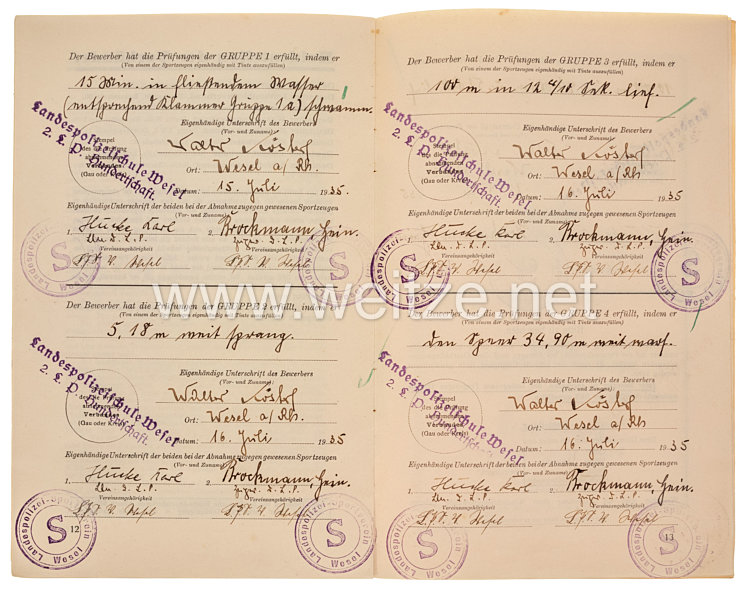
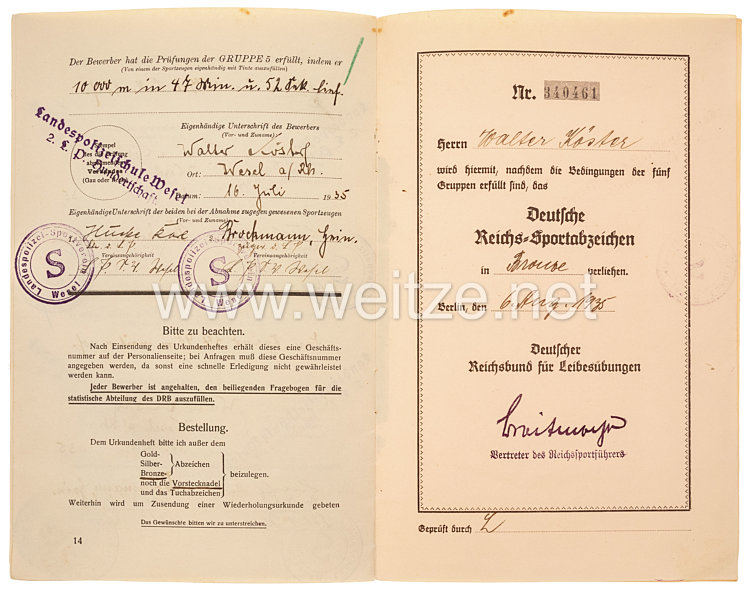
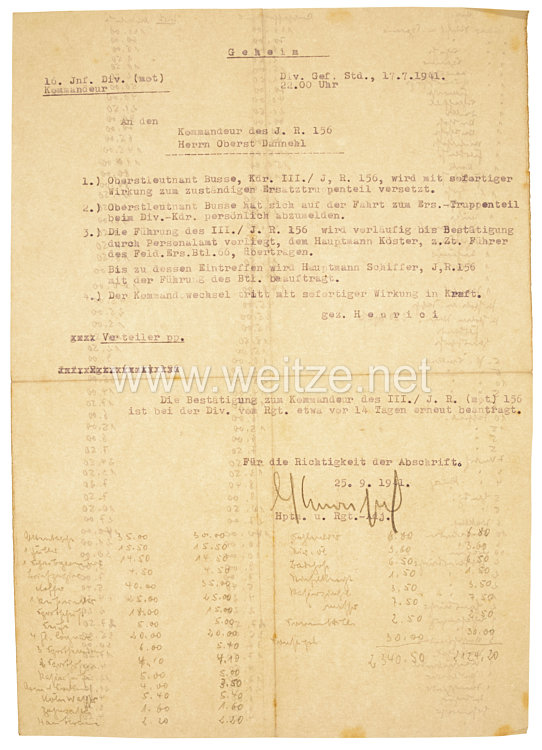
Reichssportabzeichen Ausweisbuch von 1935, Ariernachweis vom Inf.Rgt. 79 zur Hochzeit 1936, Reisepaß der Freien Stadt Danzig 1939, Reisepaß Deutsches Reich1939, Reichskleiderkarte der Stadt Düsseldorf. Befehl des Kommandeur der 16. Inf. Div. "Geheim" datiert 17.7.1941: Übertragung der Führung des Feld.Ers. Btl. 66 an Hauptmann Köster. Heeresstandortverwaltung Düsseldorf: 3 Erläuterungen der zu zahlenden Friedensgebührnisse, datiert 1940 und 1941. Weiterhin noch 30 Fotos von 1933 bis 1942, Frankreichfeldzug, Rußland, etc.
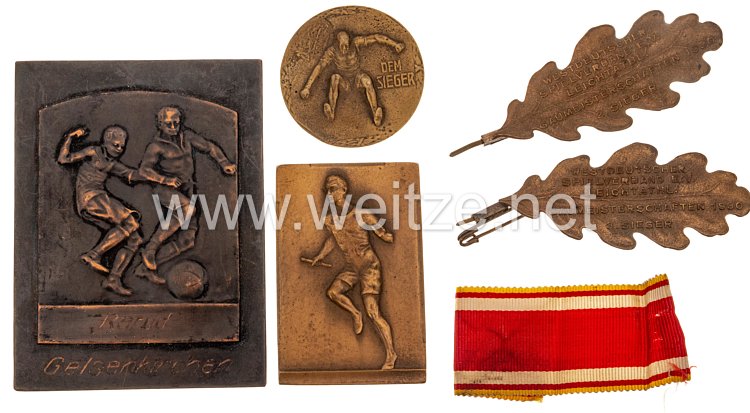
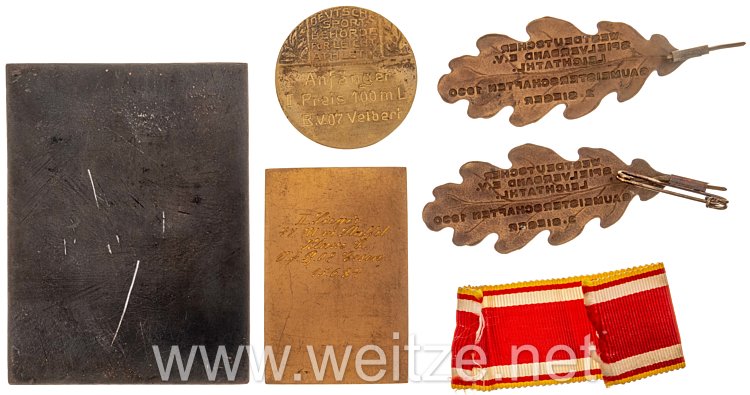
Weiterhin 4 nichttragbare Sportauszeichnungen in Leichtathletik und Fußball aus den Jahren 1930, 1934, Band zum Danziger Ehrenkreuz.
Major Köster fiel am 31.7.1942 bei den Angriffskämpfen am unteren Don. Ein wirklich umfangreicher Nachlass eines tapferen Frontoffiziers, in dieser Vollständigkeit nur selten zu finden.
Übersendungsschreiben für die Urkunde vom Gen. Kdo. XXXXVIII. Pz. Korps an die 16. Inf.-Division (mot) und vom Inf.-Rgt. (mot) 156. Auszug aus dem Div.-Tagesbefehl Nr. 85 und 87. : 1. Verleihung des Ritterkreuz durch den Führer und Obersten Befehlshaber der Wehrmacht und 2. Anerkennung des Führers für die hervorragenden Leistungen am 28.9.41 auf dem Schlachtfelde bei Belozerkowka. Feldpostbrief an die Ehefrau mit dem Glückwunsch zur Ritterkreuzverleihung durch den Kommandant des Stabsquartiers des stellv. Generalkommandos VI. A.K. . Dazu 3 Zeitungsausschnitte "Der Gelsenkirchener Ritterkreuzträger Walter Köster..", ein Anschreiben der Gelsenkirchener Allgemeinen Zeitung vom 13.11.41 .
23 original Fotos von Major Köster mit Ritterkreuz, sehr schöne Fotos der Verleihung, Portraitfotos und als Major beim Heimatbesuch 1942.
Eisernes Kreuz 1939 1. Klasse, Hersteller "65". Getragenes Stück. Dazu das Vorläufige Besitzzeugnis und die Verleihungsurkunde zum Eisernen Kreuz 1. Klasse, ausgestellt 23. Juni 1940, beide Urkunden mit original Unterschrift "Eberhardt" Generalmajor und Kommandeur der 60. Infanterie-Division. Dazu ein sehr schönes Portraitfoto um 1940 mit dem frisch verliehenen EK 1 . Dazu das Eiserne Kreuz 1939 2. Klasse am Band, Zustand 2. Weiterhin das Band zum EK, welches im Knopfloch getragen wurde.
Infanteriesturmabzeichen in Bronze, ohne Hersteller. Getragen. Dazu das Besitzzeugnis, ausgestellt im Felde 15.10.1941. Dazu die Abschrift des Besitzzeugnis.
Übersendungsschreiben vom Gen. Kdo. XXXXVIII. Pz. Korps an die 16. Inf.-Division (mot) für die "Anerkennungsurkunde des Herrn Oberbefehlshabers des Heeres für Hauptmann Köster, Kdr. III./I.R. 156 (mot).
Winterschlachtmedaille im Osten, Feinzink, am Band, ungetragen. Dazu die Verleihungsurkunde, posthum ausgestellt an "Major Köster, Kommandeur III./Gren. Rgt. (mot) 156", datiert 25.8.1943. Dazu das Anschreiben an die Witwe zur Übersendung der Winterschlachtmedaille, datiert 23.9.1943.
Ordensschnalle mit WH Dienstauszeichnung für 12 und 4 Jahre. Dazu die beiden Verleihungsurkunden, ausgestellt 1936 und 1939.
Große "Düsseldorfer Kunstmappe 1941", innen mit handschriftlicher Geschenkwidmung des Gauleiters Florian "Herrn Major Köster als Erinnerung an seine Urlaubstage in Düsseldorf mit den besten Soldatenglückwünschen zugeeignet. Am 12. Mai 1942".
Kriegsurlaubsschein in die Heimat nach Düsseldorf April 1942, dazu ein Berechtigungsschein als Ostfrontkämpfer "wöchentlich 2 Eier zu empfangen".. beides ausgestellt Feldpost-Nr. ,4912 A.
Wehrmacht Erkennungsmarke "Nr. 1 13/I.R. 243", Aluminium, am Halstrageband. Paar Schulterstücke als Hauptmann und Major der Infanterie, beide getragen.
Schiffchen für Offiziere der Infanterie, frühe Ausführung um 1940. Viel getragen, mit Mottenschäden, Zustand 2-3.
Wehrmacht Miniatur des Heeres Offiziersdolch. Große Ausführung, Länge 23,5 cm, ohne Hesteller. Leichte Altersspuren, Zustand 2.
Ernennungsurkunde zum Polizeileutnant, ausgestellt Berlin, den 13. November 1933.
Ernennungsurkunde zum Polizeileutnant 1933 sowie zum Oberleutnant der Landespolizei, 1935, mit original Unterschrift "Daluege".
Übernahmeurkunde vom Oberleutnant der Landespolizei zum Oberleutnant in der Wehrmacht , datiert 11. März 1936, mit original Unterschrift "Der Reichskriegsminister Blomberg". Ernennungsurkunde zum Hauptmann, datiert Berlin, den 28. Februar 1938 mit original Unterschrift "Der Oberbefehlshaber des Heeres von Brauchitsch". Abschrift der posthumen Beförderung zum Oberstleutnant, datiert 11. Oktober 1943.
Große Urkunde "Ehrenscheibenschiessen des Unteroffizierskorps der 123./39 am 1. Oktober 1938 mit Gewehr 98 k" als bester Schütze 150 Meter liegend freihändig an Hauptmann Köster. Weiterhin 11 beschriftete Schießscheiben, geschossen beim Inf.-Regt. 11 in Wesel, 1936.
8 Zeitungsauschnitte "Ritterkreuzträger Major Walter Köster gefallen". Beileidsschreiben des Major Köster, Kommandeur Feldpost Nr. 04912A (Infanterie-Rgt. 1, III. Btl.) an die Witwe mit Briefumschlag. Beileidsschreiben des Oberst v. T.. Kommandeur Feldpost Nr. 00332 (Jäger Regiment 56) an die Witwe mit Briefumschlag. Beileidschreiben des Oberbürgermeisters von Düsseldorf an die Witwe, datiert 6. August 1942. Kopie des Beileidsschreibens des Kommandeurs der 16. Inf. Div. (mot), datiert 6.8.1942.
Dazu die persönliche Brieftasche von Major Köster mit Militär-Führerschein, Feldgesangbuch, Foto seines kommandieren Generals und weiteren Unterlagen - von Granatsplittern durchlöchert.
2 vorgedruckte Dankschreiben der Witwe "Düsseldorf, im Dezember 1942".
Übersendungsschreiben des Wehrbezirkskommando Düsseldorf mit der Überlassung des Wehrpasses an die Witwe, datiert 8. Oktober 1943.
Reichssportabzeichen Ausweisbuch von 1935, Ariernachweis vom Inf.Rgt. 79 zur Hochzeit 1936, Reisepaß der Freien Stadt Danzig 1939, Reisepaß Deutsches Reich1939, Reichskleiderkarte der Stadt Düsseldorf. Befehl des Kommandeur der 16. Inf. Div. "Geheim" datiert 17.7.1941: Übertragung der Führung des Feld.Ers. Btl. 66 an Hauptmann Köster. Heeresstandortverwaltung Düsseldorf: 3 Erläuterungen der zu zahlenden Friedensgebührnisse, datiert 1940 und 1941. Weiterhin noch 30 Fotos von 1933 bis 1942, Frankreichfeldzug, Rußland, etc.
Weiterhin 4 nichttragbare Sportauszeichnungen in Leichtathletik und Fußball aus den Jahren 1930, 1934, Band zum Danziger Ehrenkreuz.
Major Köster fiel am 31.7.1942 bei den Angriffskämpfen am unteren Don. Ein wirklich umfangreicher Nachlass eines tapferen Frontoffiziers, in dieser Vollständigkeit nur selten zu finden.