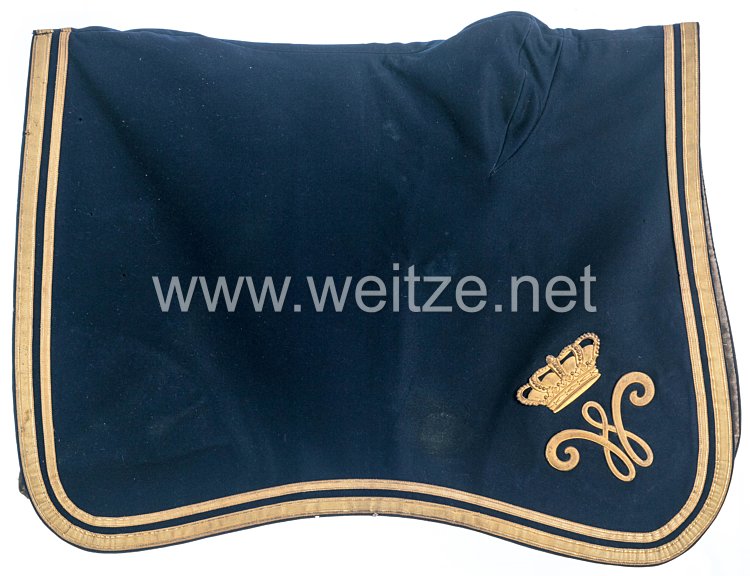
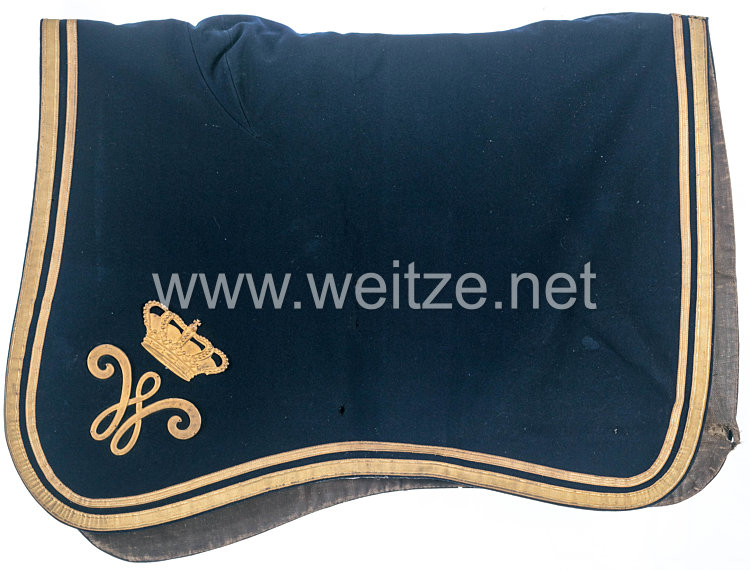
Brunswick Parade Shabraque (Saddle Cloth) for Mounted Officers of the Brunswick Infantry Regiment No. 92
This parade shabraque (saddle cloth) represents an outstanding example of military equipment used by mounted officers in the Kingdom of Prussia around the turn of the century. The object is attributed to the Brunswick Infantry Regiment No. 92, a regiment with a distinguished tradition in the Prussian Army.
The Brunswick Infantry Regiment No. 92 was established on October 1, 1866, following the Austro-Prussian War, when the Duchy of Brunswick was fully integrated into the Prussian military system. The regiment continued the traditions of Brunswick military history while maintaining its regional identity within the Prussian Army. The regiment's garrison was located in Brunswick, with individual battalions also stationed in Wolfenbüttel and Holzminden.
The shabraque served as a ceremonial saddle cloth for mounted officers during parades and formal occasions. Although Regiment No. 92 was an infantry unit, staff officers, battalion commanders, and other senior officers required horses for their duties. These officers wore such magnificent shabraques during official occasions, representing their rank and regimental affiliation.
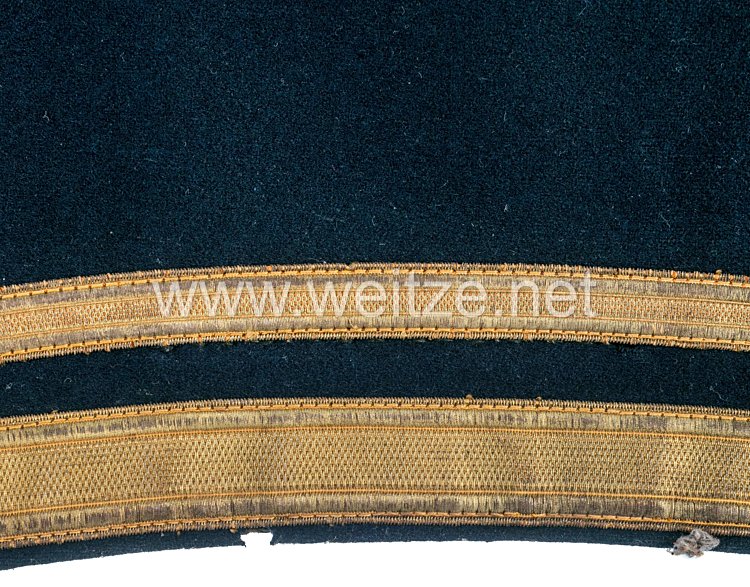
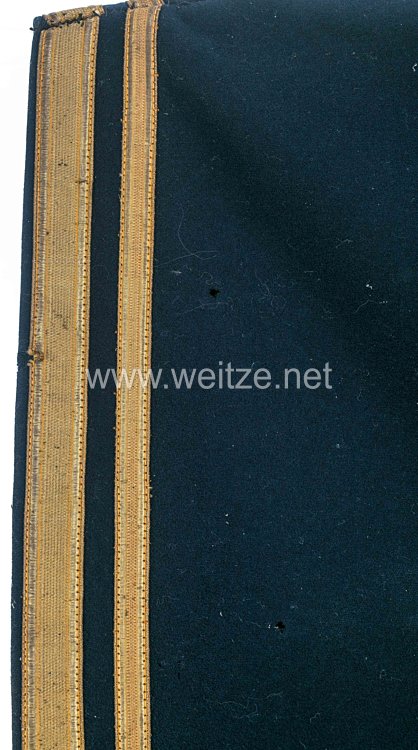
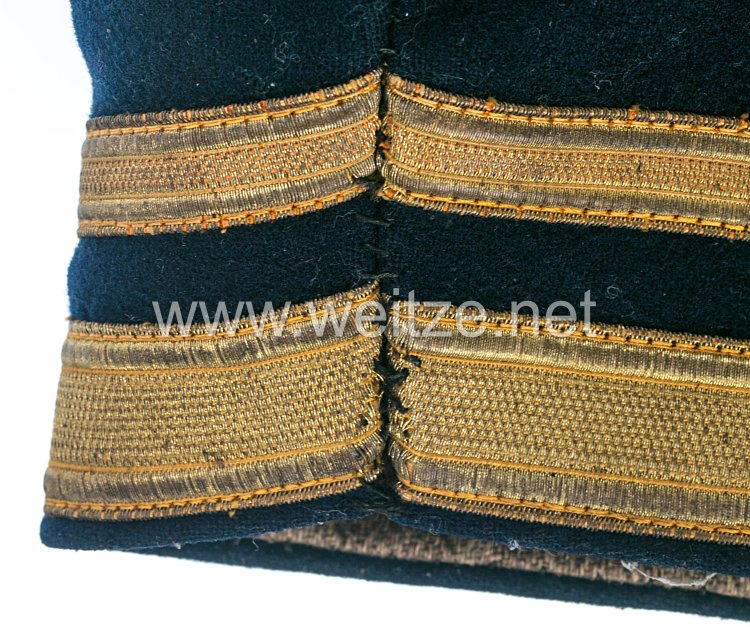
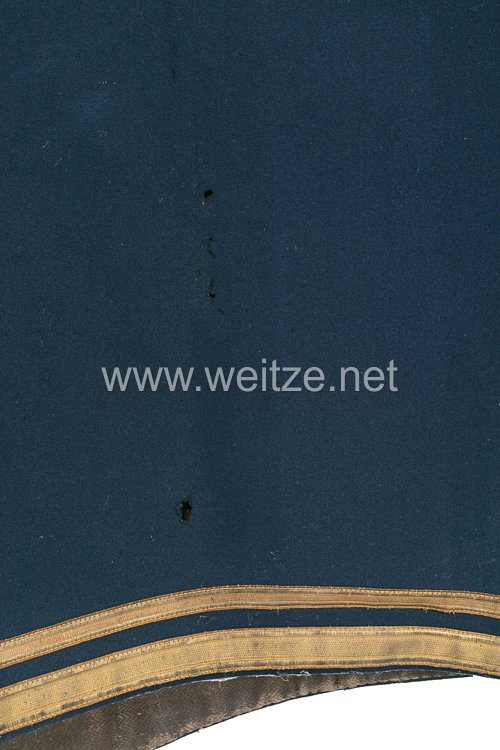
The dark blue cloth of the shabraque corresponds to the traditional branch color of the infantry in the Prussian Army. The surrounding golden braids were an essential element of officer equipment and distinguished the wearer from the enlisted ranks. The width and number of braids could indicate the exact rank of the bearer.
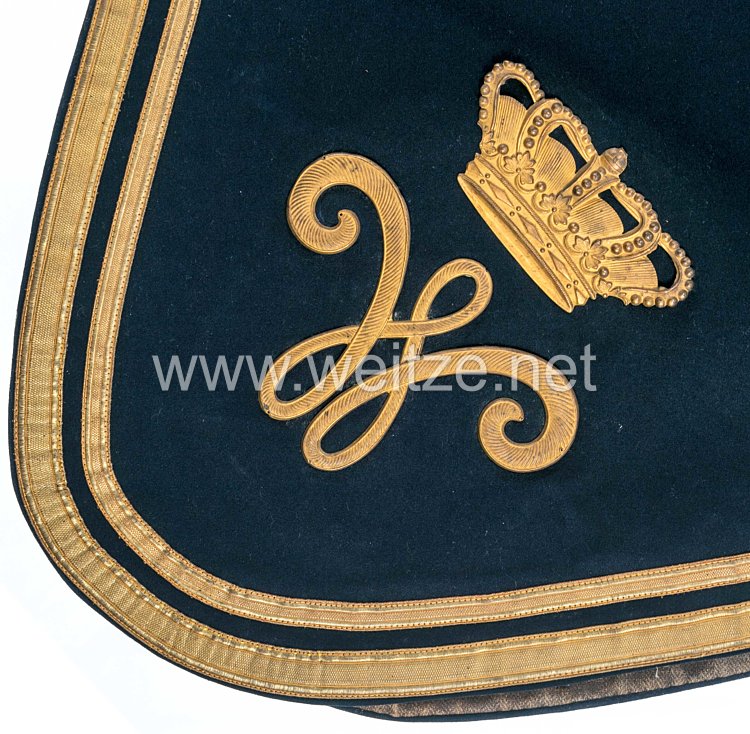
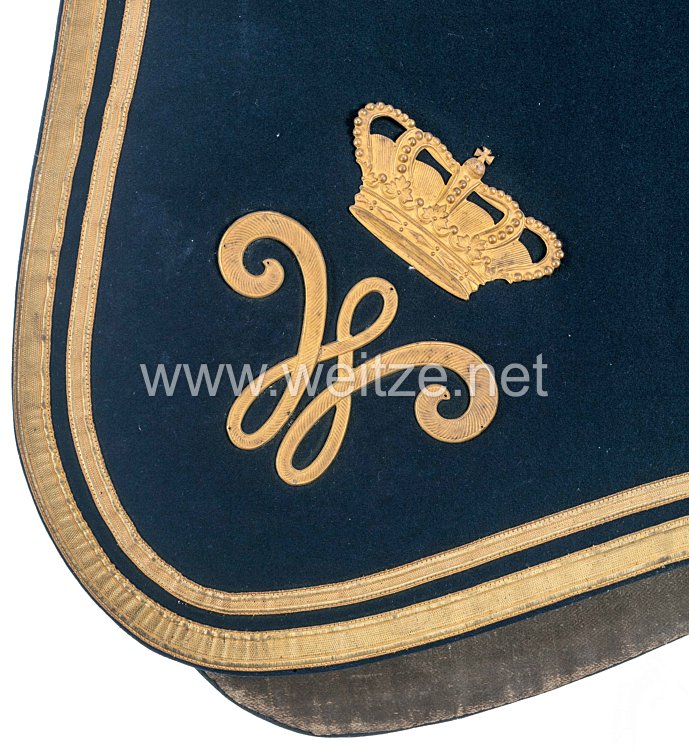
Of particular significance are the gilt metal ciphers applied on both sides, showing a crown above the letter “W”. This cipher stands for King Wilhelm II, who ruled as German Emperor and King of Prussia from 1888 to 1918. The placement of the royal cipher on military equipment expressed the regiment's personal connection to the monarch and symbolized loyalty to the Prussian royal house. This practice had its roots in the long tradition of Prussian military organization, where regiments frequently stood under the special patronage of the king or other members of the royal family.
The production of such parade shabraques followed the uniform regulations of the Prussian Army, which detailed precisely how military equipment items had to be designed. These regulations were regularly updated and ensured a uniform appearance of the army. Officers typically had to finance their parade equipment themselves, which led to particular quality and individual craftsmanship by specialized workshops.
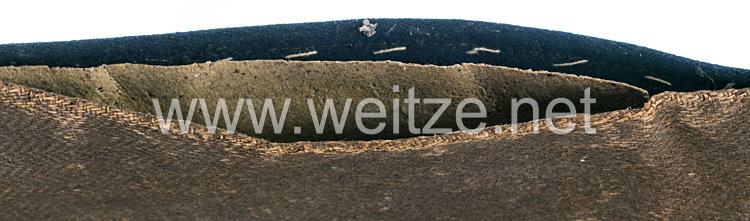
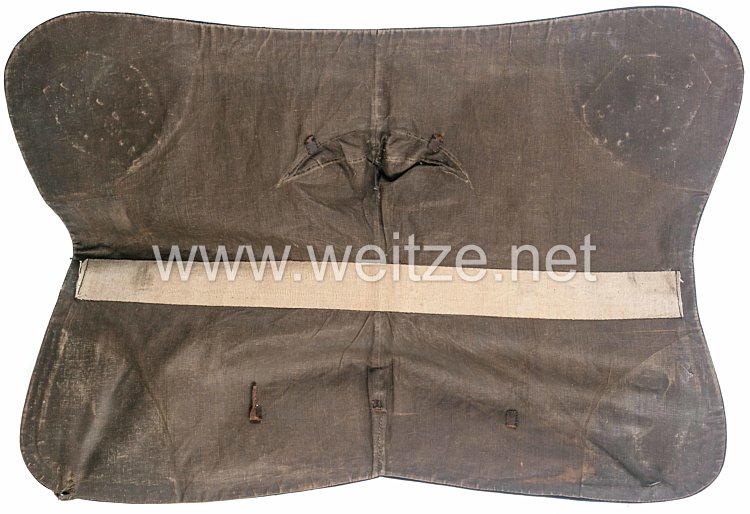
The dark linen lining on the underside served practical purposes: it protected the precious upper material from wear through contact with the horse's back and saddle, and absorbed perspiration. The use of linen as lining material was standard for high-quality shabraques of this period.
The period around 1900 was a golden age of military splendor in the German Empire. The army played a central role in society, and military parades were important social events. On such occasions, the full magnificence of military equipment was displayed, and objects like this shabraque contributed significantly to the imposing appearance.
The Brunswick Infantry Regiment No. 92 participated in the Franco-Prussian War of 1870/71 and later fought on various fronts during World War I. After the German defeat in 1918 and the abdication of Emperor Wilhelm II, the regiment was dissolved as part of demobilization. Monarchical symbols such as the “W” cipher lost their official significance but became important historical memorabilia.
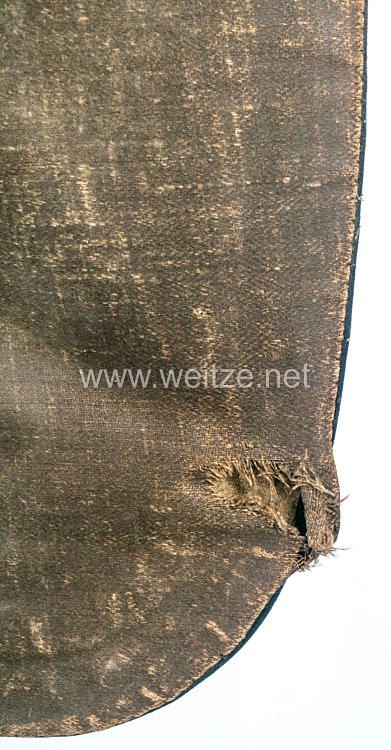
Such parade shabraques are today rare witnesses to Prussian-German military history. They document not only the craftsmanship of the period but also the social and symbolic significance of military equipment in the German Empire. The light signs of use and minor moth holes are typical for textile objects of this type and confirm the authentic use of the piece.
These elaborate parade items reflect the importance of visual representation in Imperial German military culture, where appearance and ceremony were integral to military tradition and social standing. The survival of such pieces allows modern observers to understand the material culture of the officer corps and the values of loyalty, tradition, and hierarchy that characterized the Prussian military establishment.