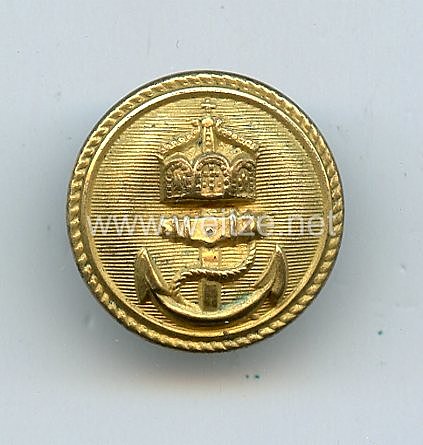
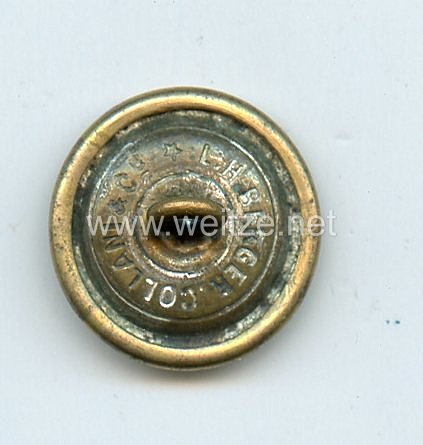
Imperial German Navy Officer's Button

gilt finish circa 1910, 19 mm, lightly worn, slightly dented, condition 2.


381980
20,00

Imperial German Navy Officer's Button

The Imperial German Navy Officer's Button in gilt finish represents a significant artifact of the maritime uniform tradition of the German Empire (1871-1918). This particular button, measuring 19mm in diameter and dating from around 1910, embodies the splendor and prestige of the imperial naval forces during one of the most dynamic periods in German naval history.

The Kaiserliche Marine (Imperial Navy) was established in 1871 with the founding of the German Reich and developed under the aegis of Kaiser Wilhelm II and Grand Admiral Alfred von Tirpitz into one of the world's most powerful naval forces. The period around 1910 marked the zenith of German naval expansion, as the Reich attempted to challenge Britain's maritime supremacy. This era was characterized by intensive shipbuilding, particularly of Dreadnought battleships and modern cruisers.

The uniform buttons of the Imperial Navy were subject to strict dress regulations that were detailed in official ordinances. Officer buttons were fundamentally distinguished from those of enlisted men by their gilt finish, symbolizing the higher rank and status of their wearers. The gilding was not merely an aesthetic choice but a precise rank insignia within the military hierarchy.

The characteristic naval anchor motif surmounted by the imperial crown formed the central design element of these buttons. The anchor symbolized maritime tradition and sea power, while the crown represented the direct connection to the Kaiser as supreme commander of the armed forces. This iconography was consistently used on all official uniform items, creating a unified visual identity for the Imperial Navy.

The 19mm size corresponds to the standardized dimension for smaller officer buttons, typically used on sleeves, pockets, or as secondary fasteners. Larger buttons with diameters of up to 23mm served as primary fasteners on uniform coats and overcoats. This standardization was part of the comprehensive modernization and professionalization of the Navy around the turn of the century.

The manufacture of such buttons was carried out by specialized military equipment factories operating under strict quality control. Companies such as Assmann & Söhne from Lüdenscheid and other established manufacturers supplied these uniform components to the Navy. The gilding was applied through fire-gilding or increasingly through galvanic processes, with the highest craftsmanship standards maintained.

Imperial Navy officer buttons were part of various uniform variants: the parade uniform, the dress uniform, the service uniform, and the shipboard uniform. Each of these uniform types had specific occasions and wearing regulations. The gilt buttons were primarily used on representative uniforms, while more practical versions were often preferred for shipboard duty.

The historical significance of these buttons extends beyond their mere functionality. They are material witnesses to an era of intense national ambitions and international tensions. The Anglo-German naval arms race significantly shaped European politics in the years before World War I and contributed to the escalation that led to the global conflict in 1914.

For collectors and military historians, such buttons offer important insights into the material culture of the Imperial Navy. The lightly worn condition of this specimen indicates actual use, which enhances its historical value. The slight indentation is a typical wear mark frequently found on original pieces and underscores its authenticity.

Following the end of World War I and the dissolution of the Imperial Navy in 1918, these uniform items became obsolete. The Reichsmarine of the Weimar Republic developed its own uniform tradition that distanced itself from imperial iconography. Many original pieces were melted down or entered private ownership, making preserved specimens sought-after collectibles today.

The scholarly study of such militaria contributes to understanding the everyday history and material culture of the German Empire. They supplement written sources and offer tangible connections to the past that keep historical epochs alive for subsequent generations.