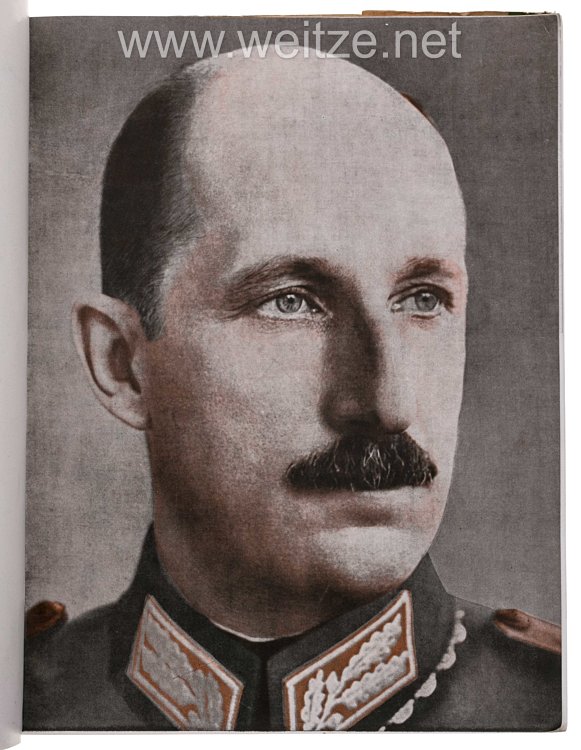
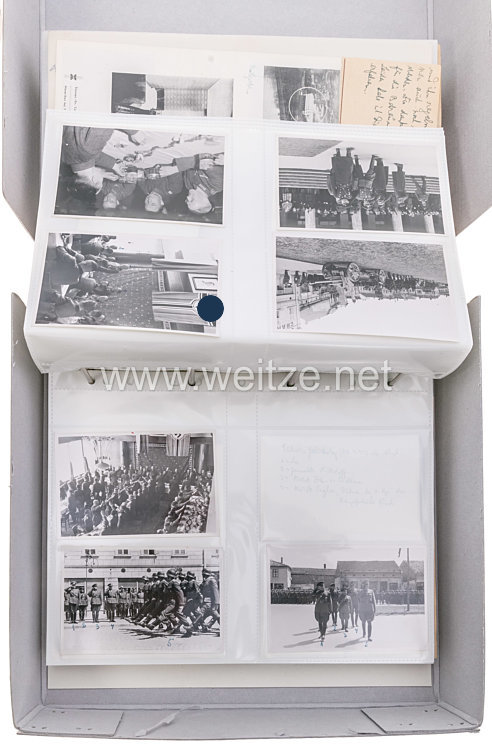
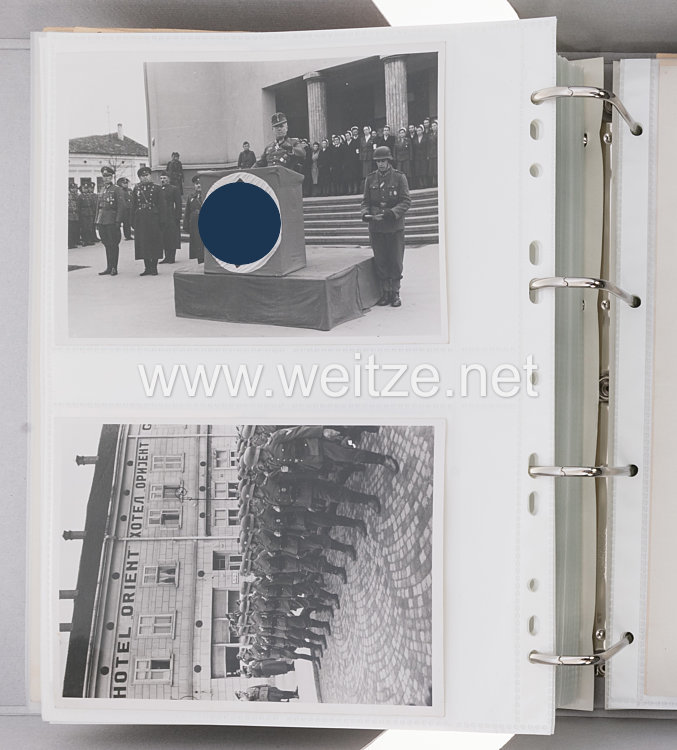
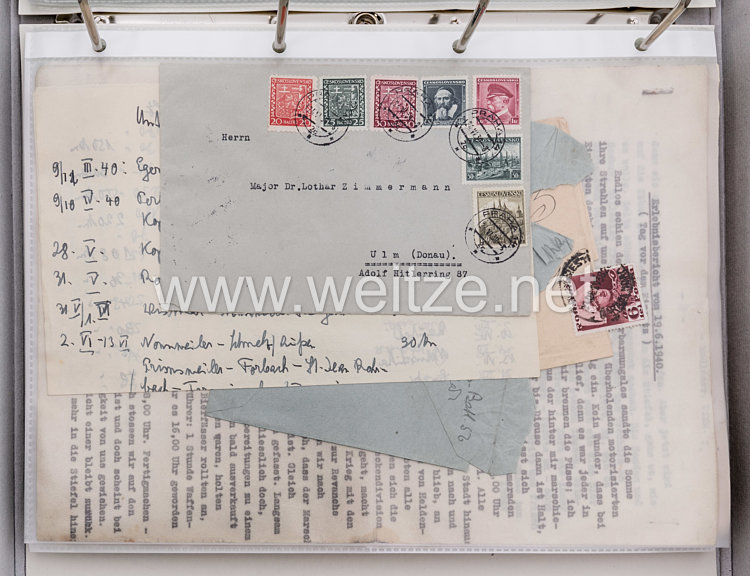
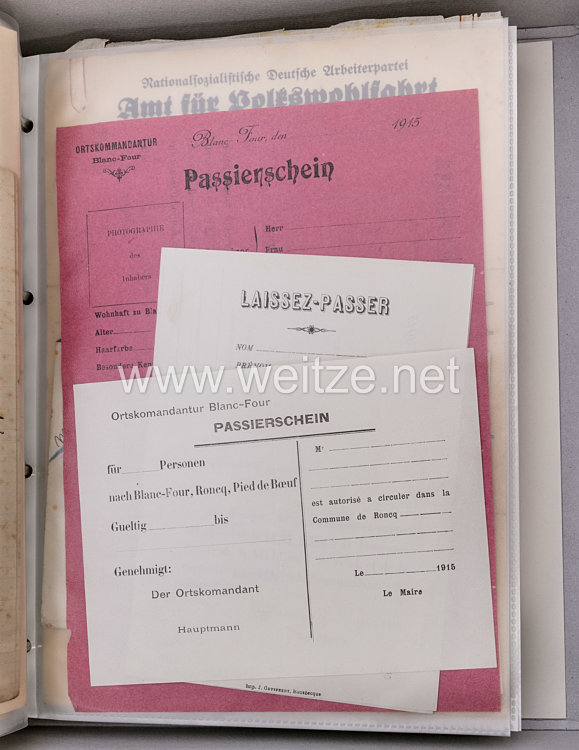
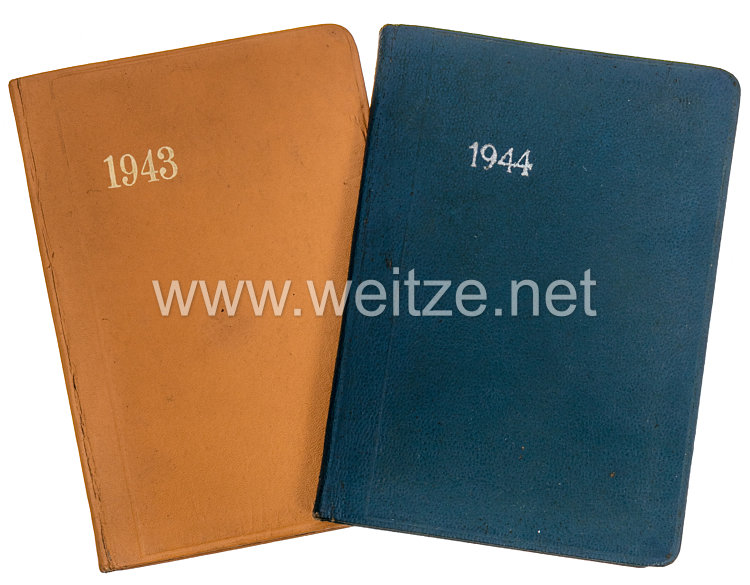
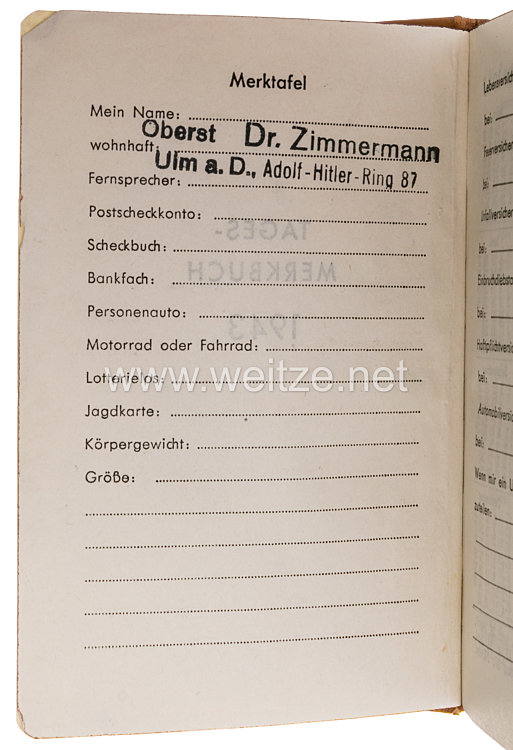
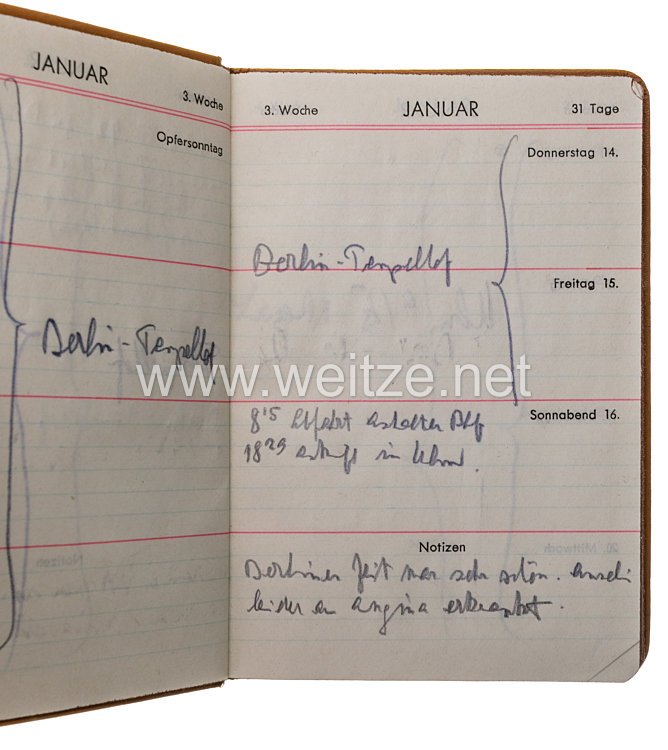
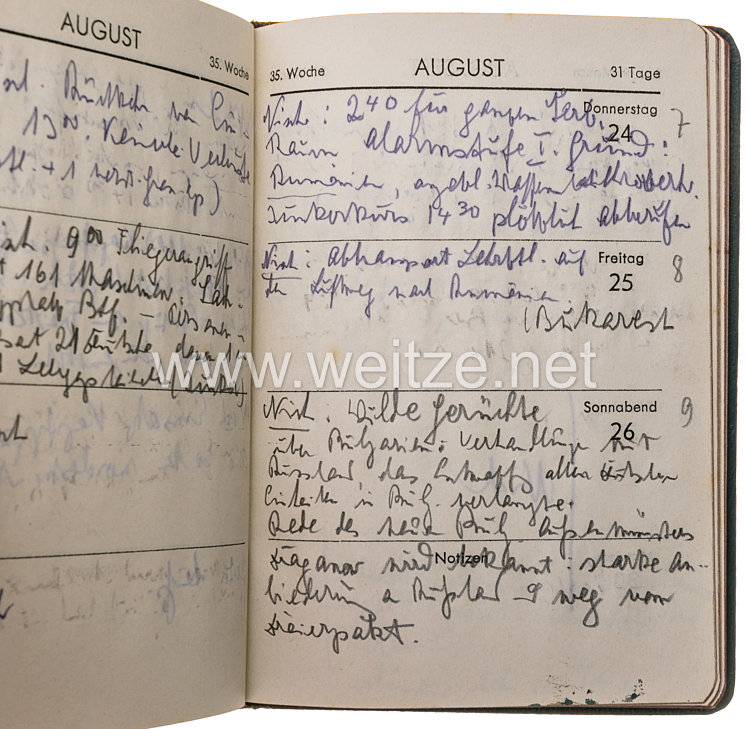
Wehrmacht großer Ordens- und Urkundennachlaß aus dem Besitz von Oberst Dr. Lothar Zimmermann, zuletzt Kommandeur der Kampfschule Nisch, Bulgarien
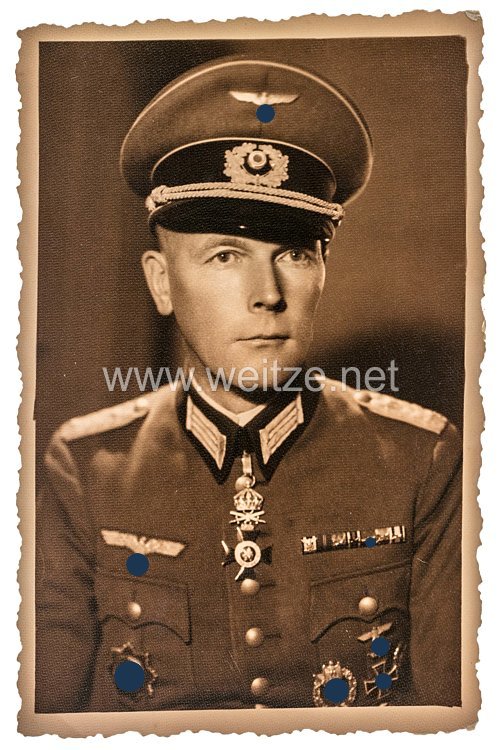
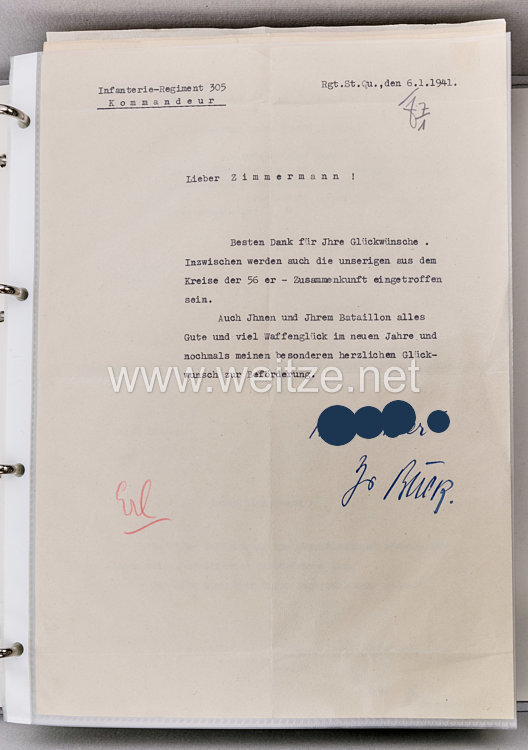
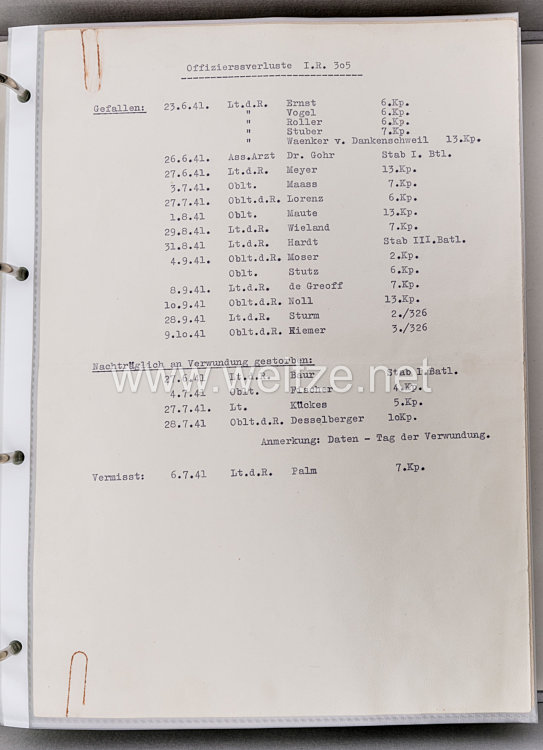
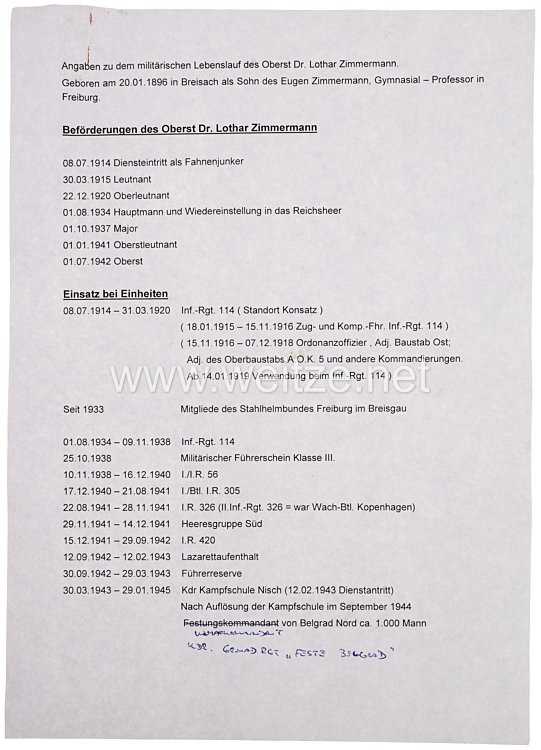
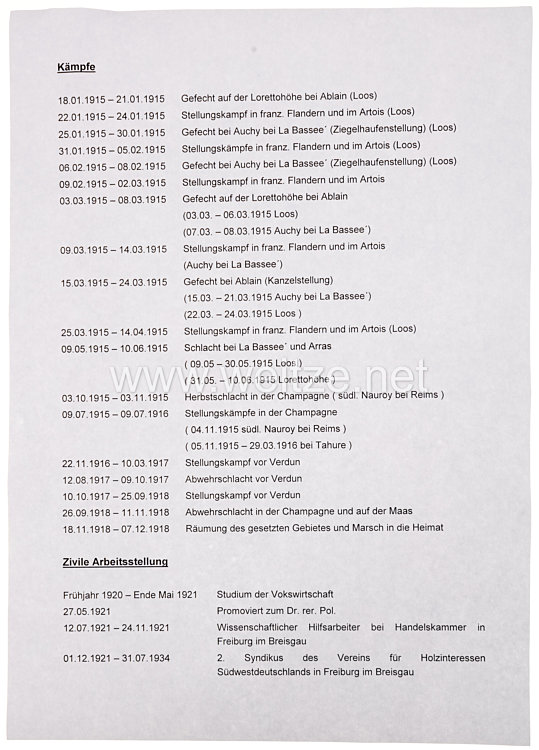
Lothar Zimmermann trat 1914 als Fahnenjunker in das Heer ein, während des 1. Weltkrieges Zug- und Kompanieführer im Inf. Rgt. 114, 1915 Beförderung zum Leutnant. Ab 1934 Wiedereinstellung als Hauptmann im Inf. Rgt. 114, 1937 Beförderung zum Major. 1940 Teilnahme an dem Unternehmen Weserübung - Invasion von Dänemark mit dem Inf. Rgt. 56 . 1.1.1941 Beförderung zum Oberstleutnant. Ab November 1941 Heeresgruppe Süd, Dezember 1941 - 29.9.1942 Inf. Rgt. 420. Nach Verwundung, Lazarettaufenthalt und Führerreserve vom 30.3.1943 bis 29.1.1945 Kommandeur der Kampfschule Nisch, Bulgarien. Nach Auflösung der Kampfschule im September 1944 Kommandeur des Gren. Regt. "Festung Belgrad" mit ca. 1000 Mann. Ab Januar 1945 Kampfkommandant von Fiume. Im Januar 1946 aus dem Lazarett Preco, Kroatien abgeholt, im Summer 1946 in Susak, Kroatien erschossen.
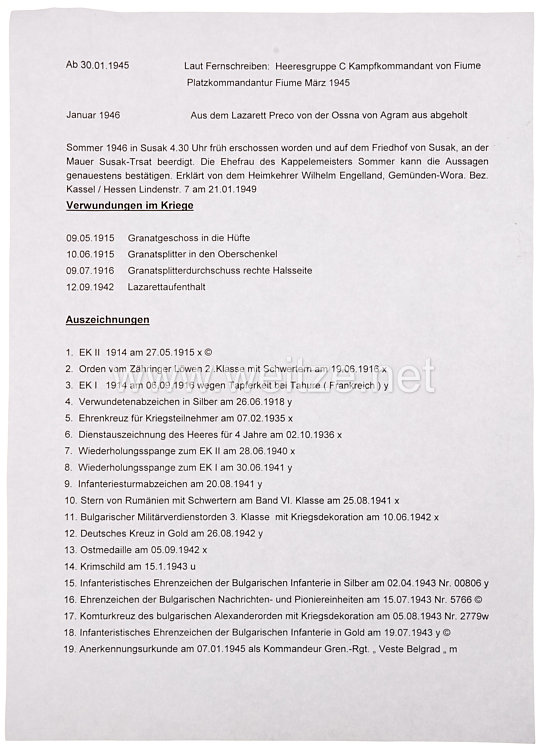
Auszeichnungen:
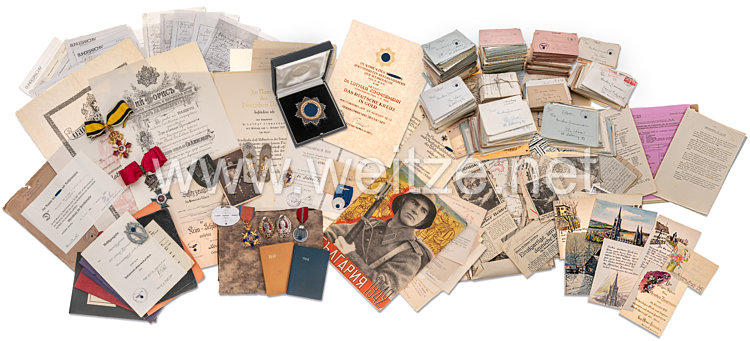
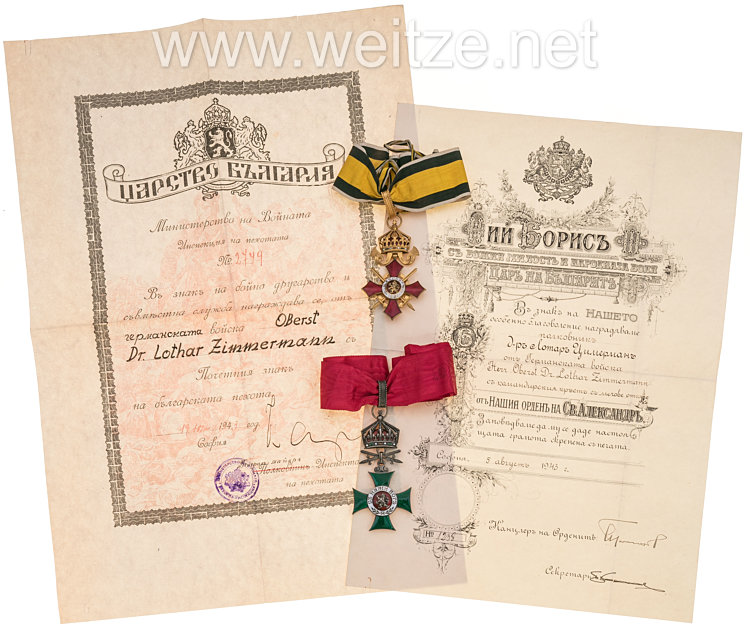
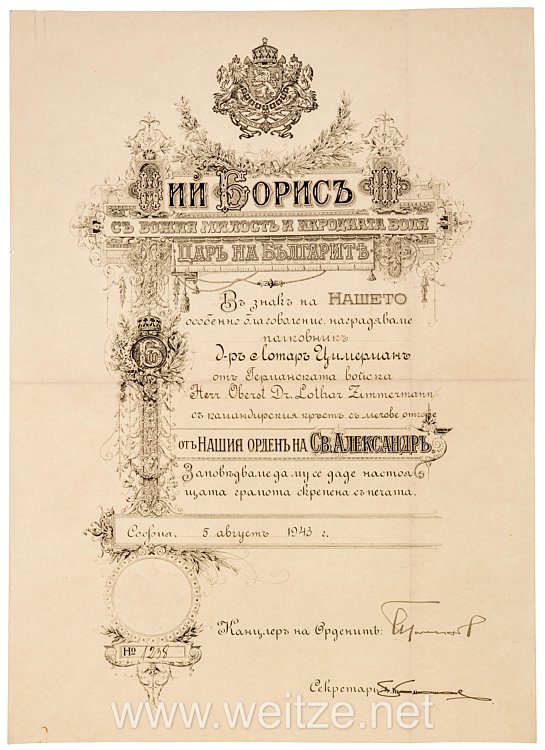
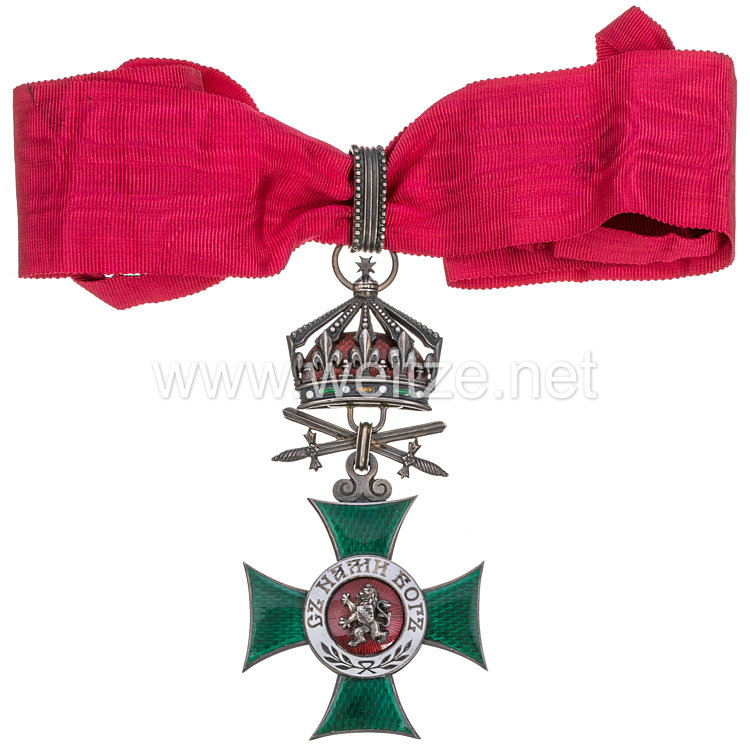
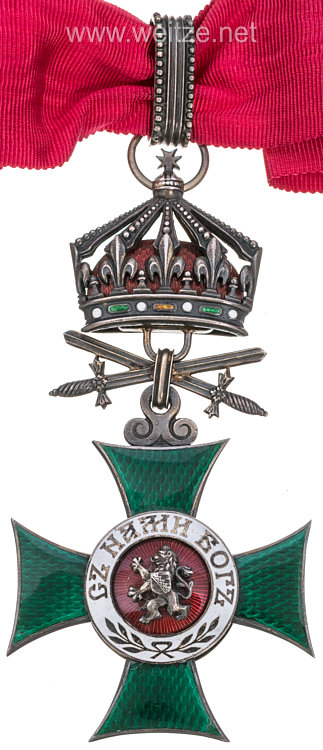
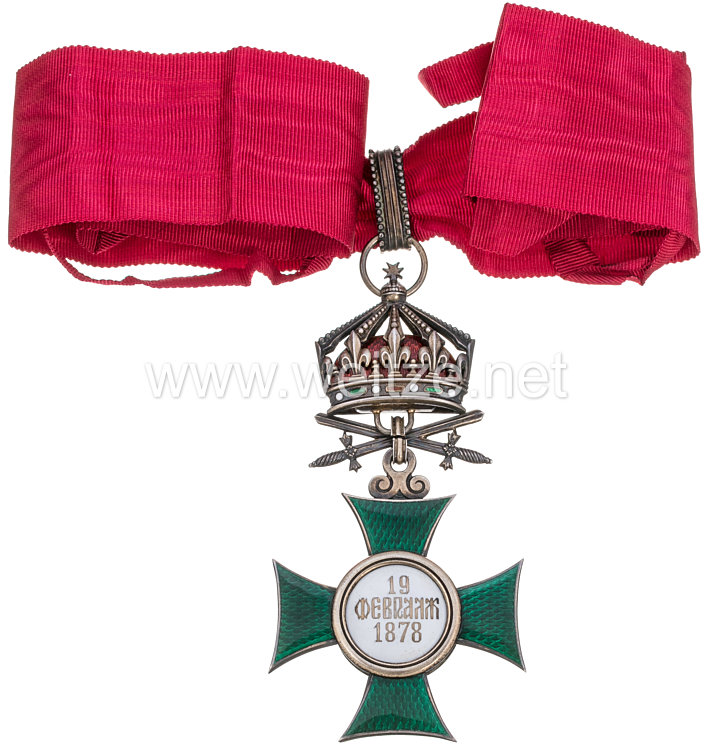
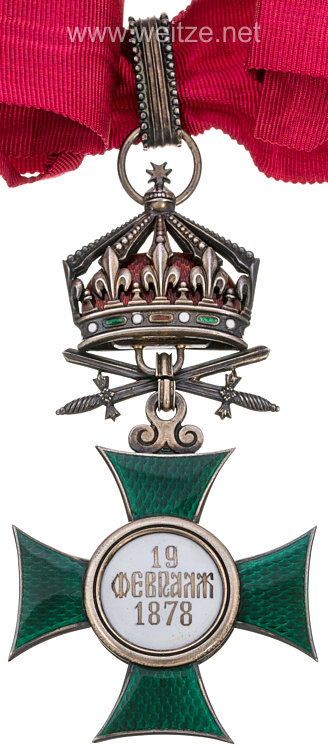
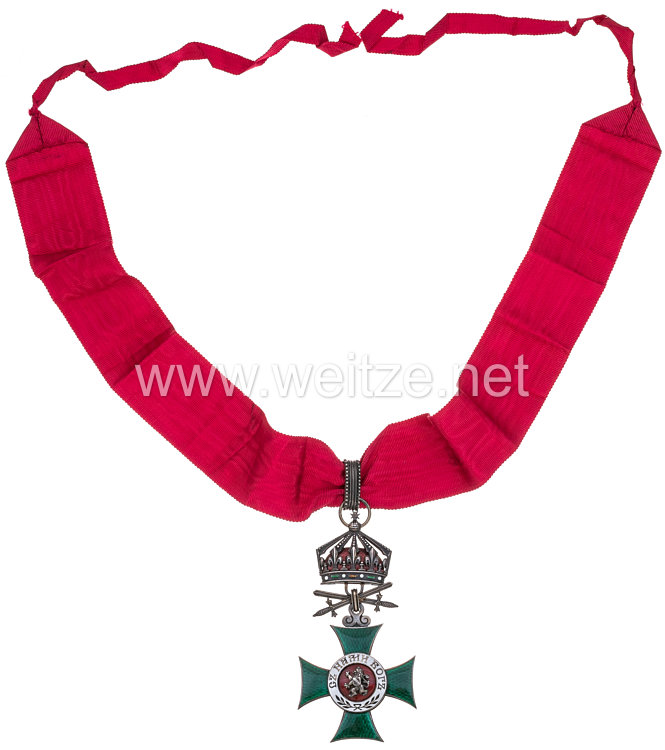
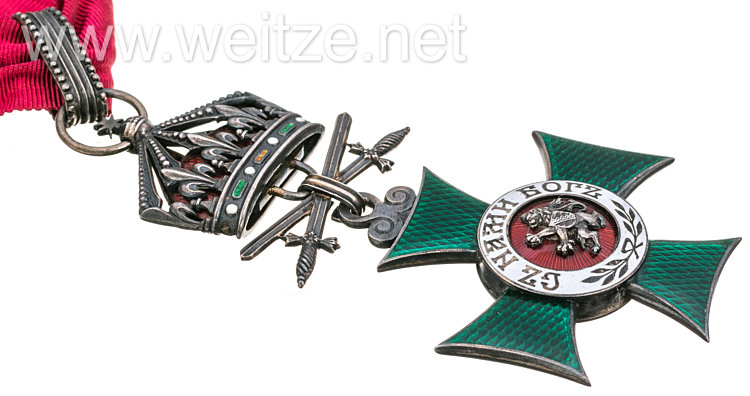
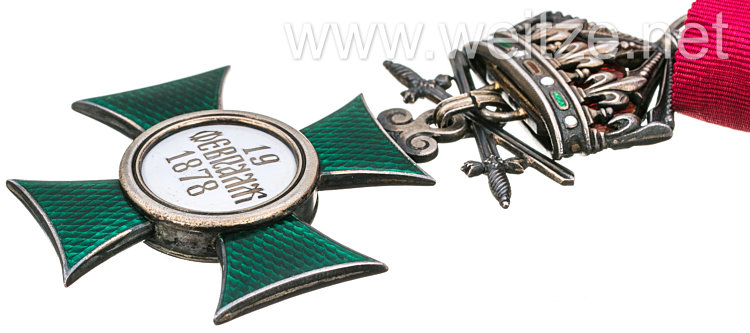
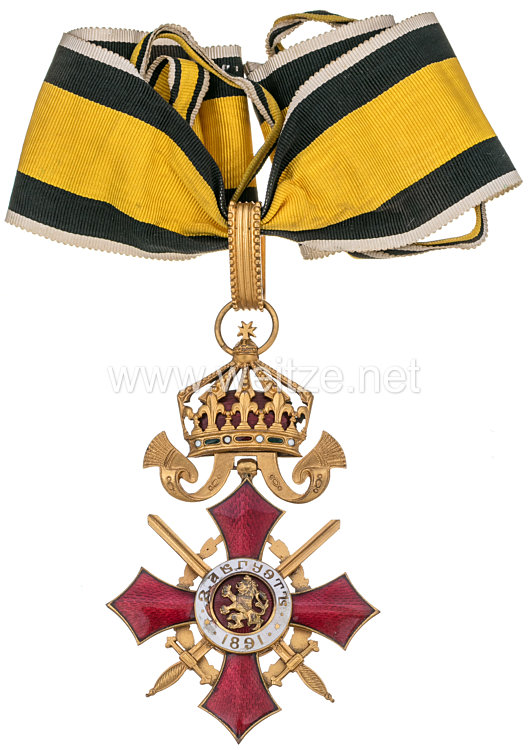
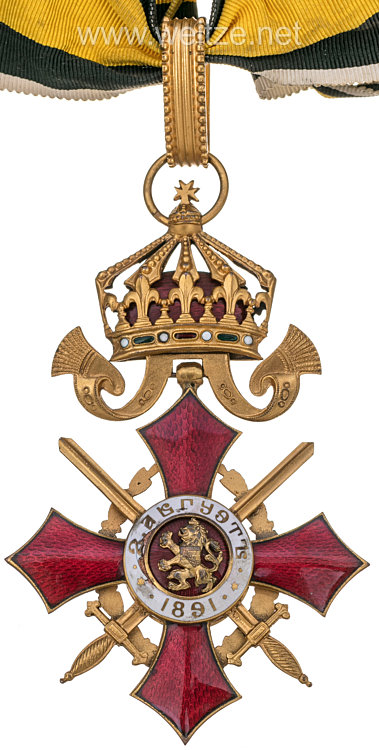
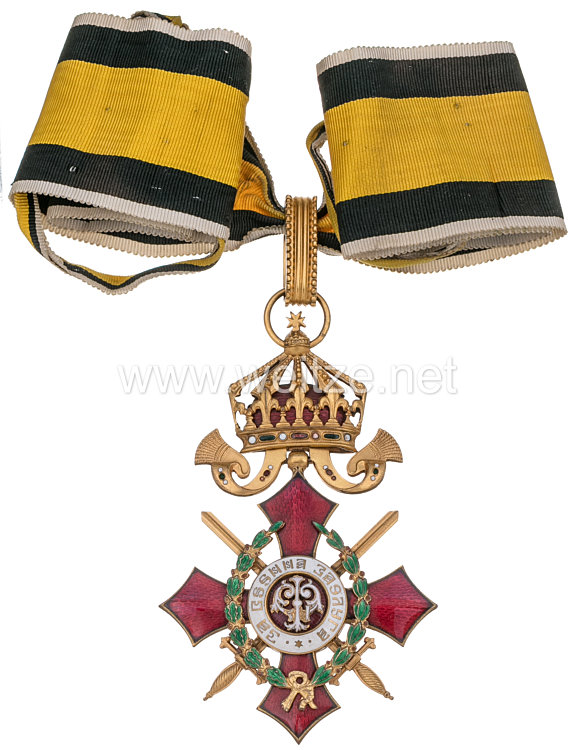
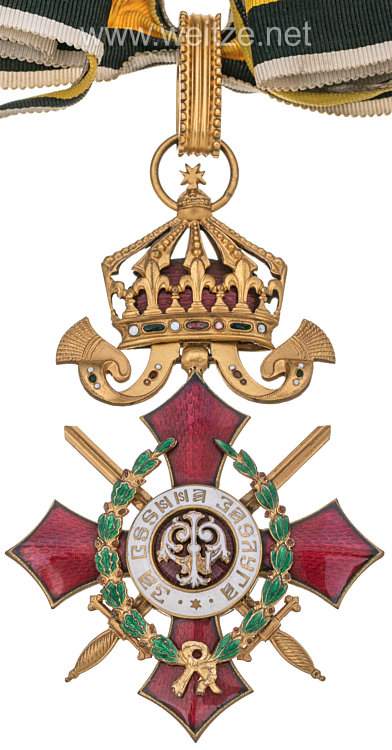
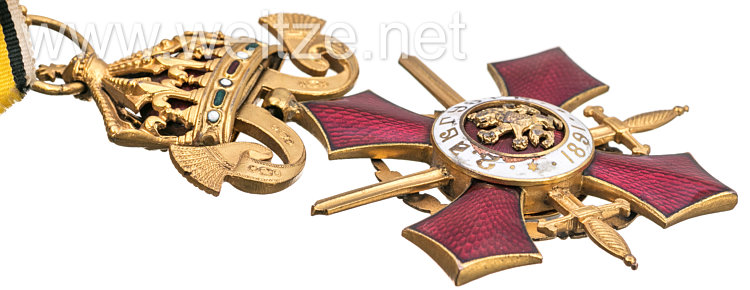
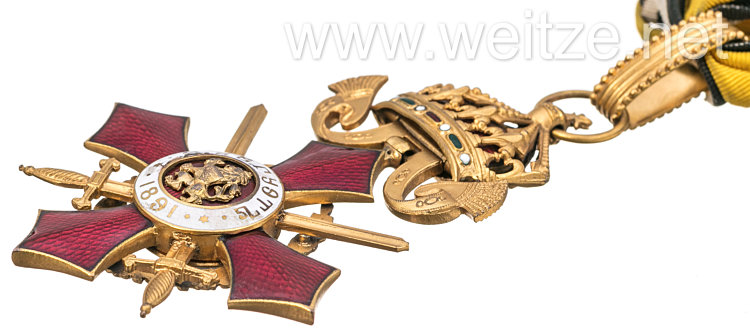
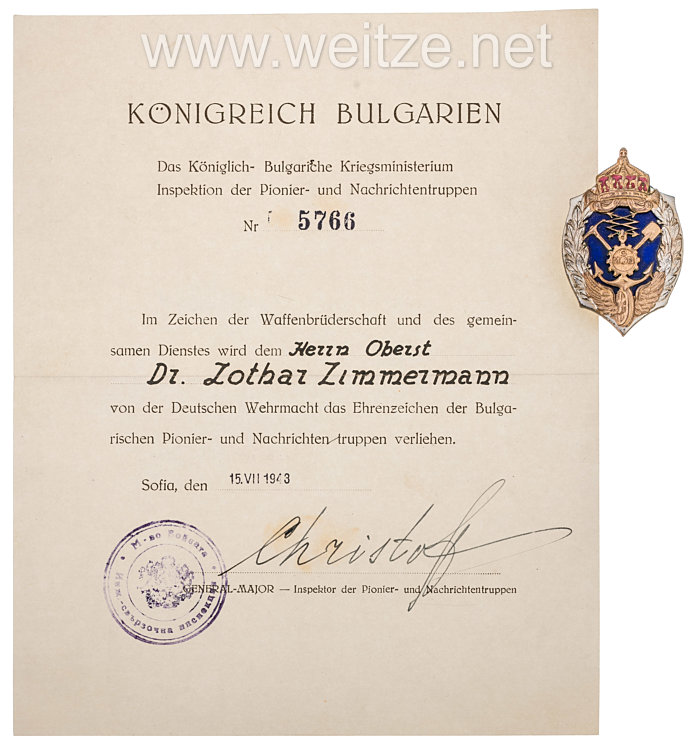
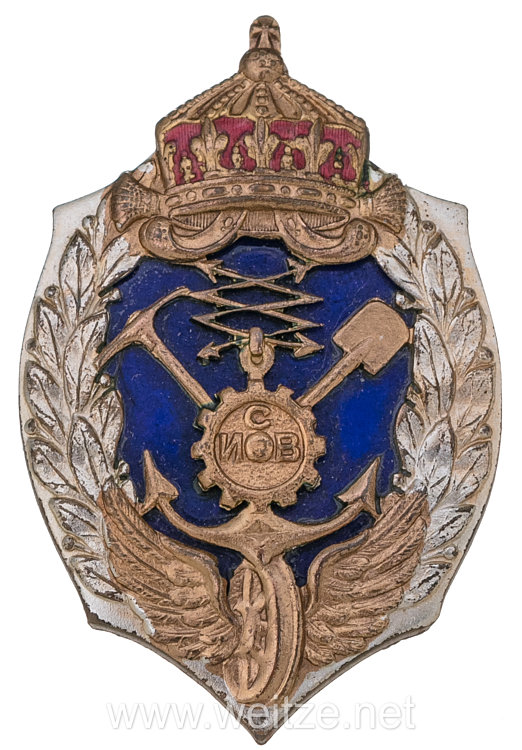
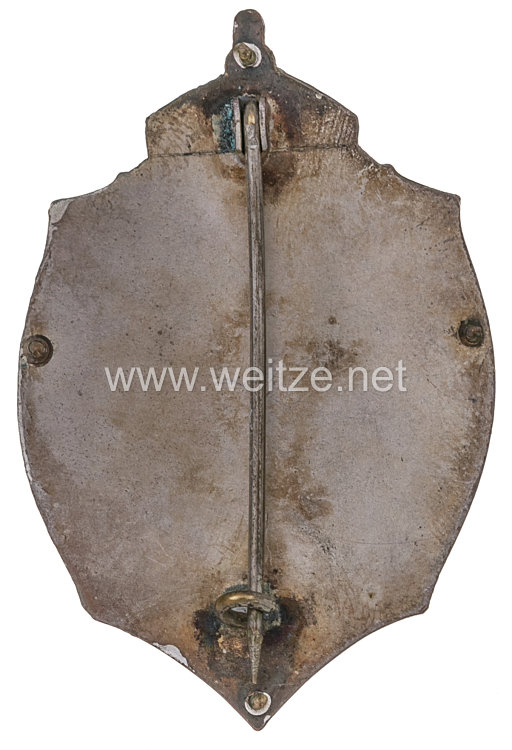
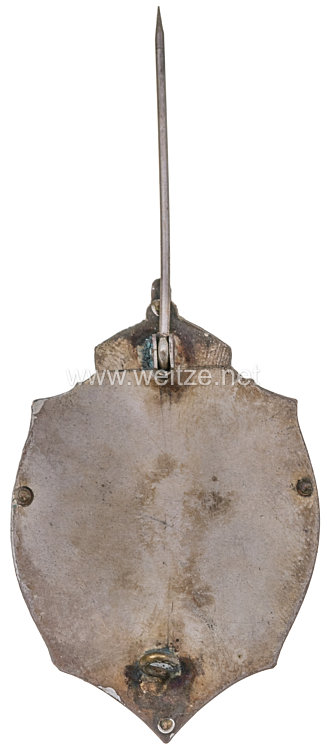
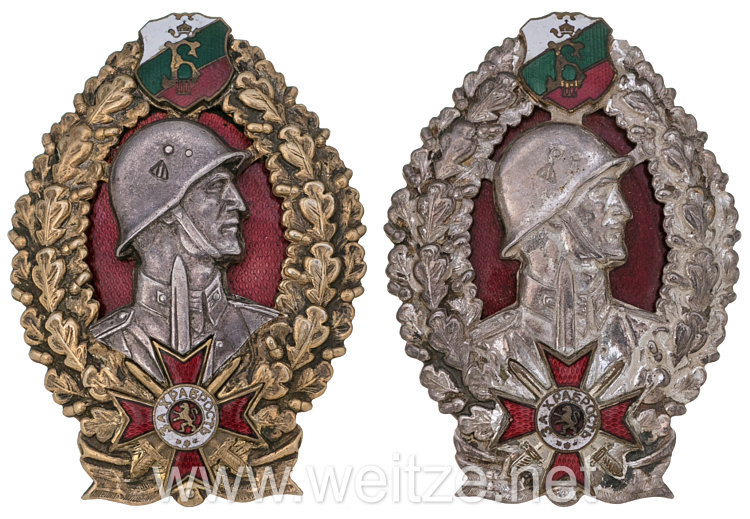
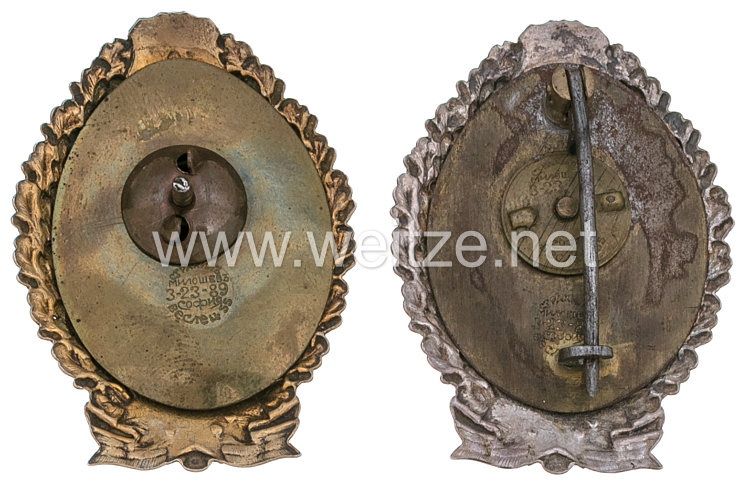
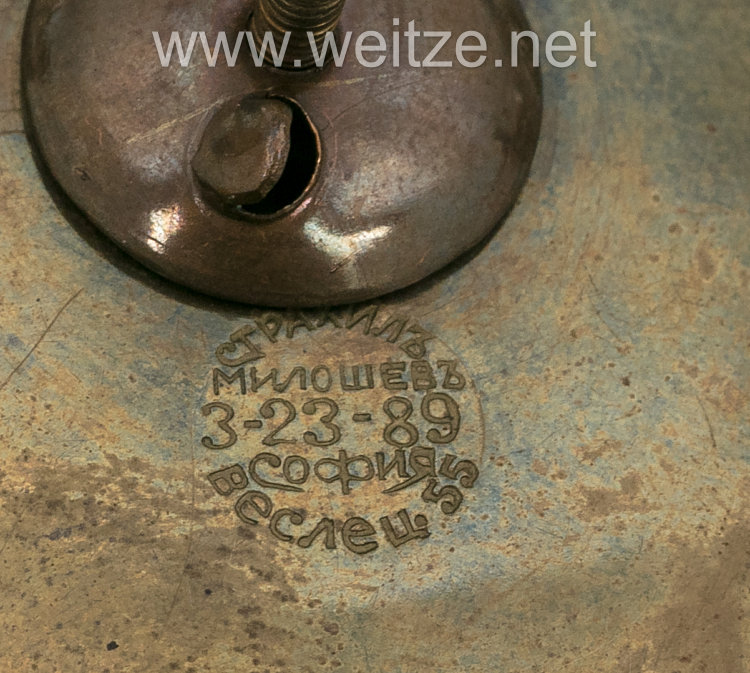
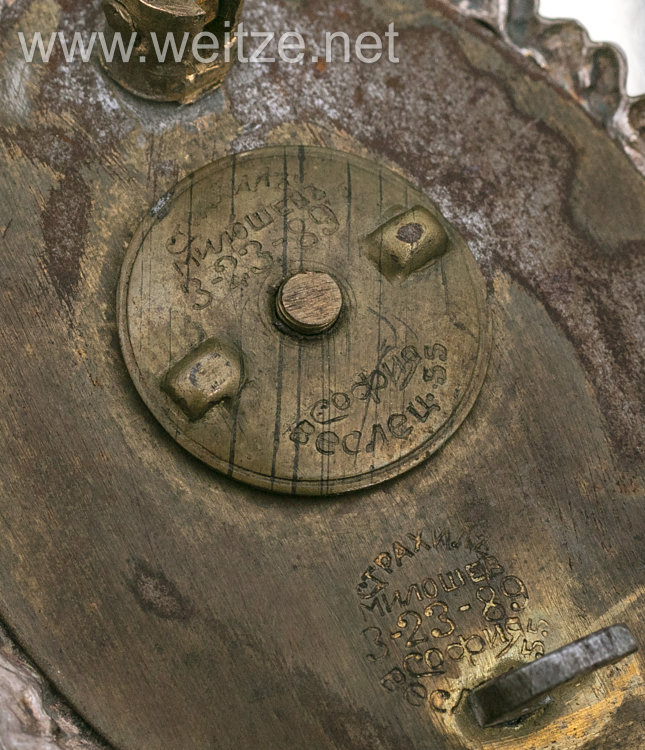
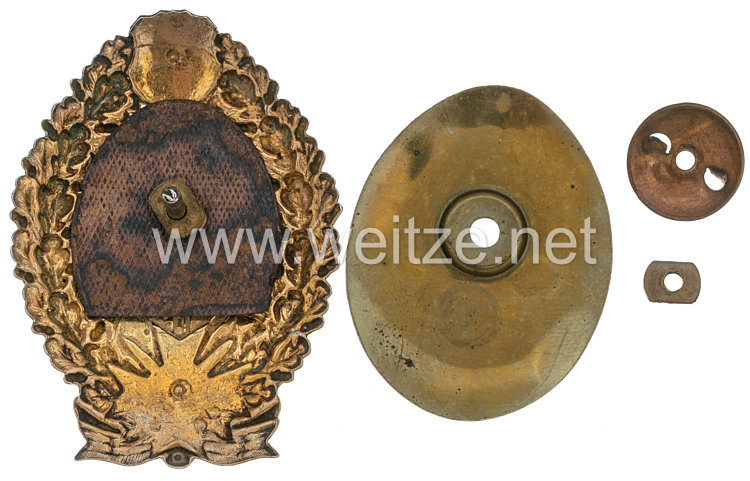
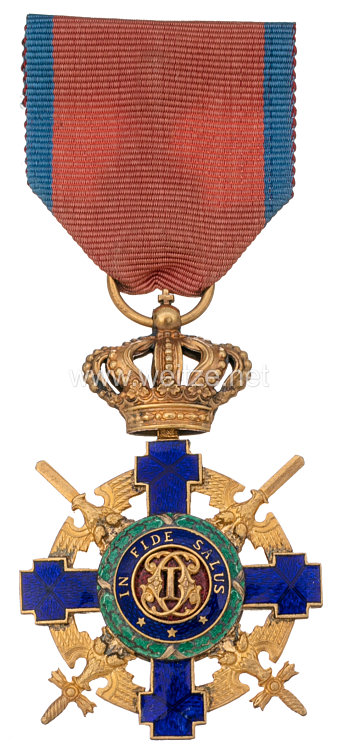
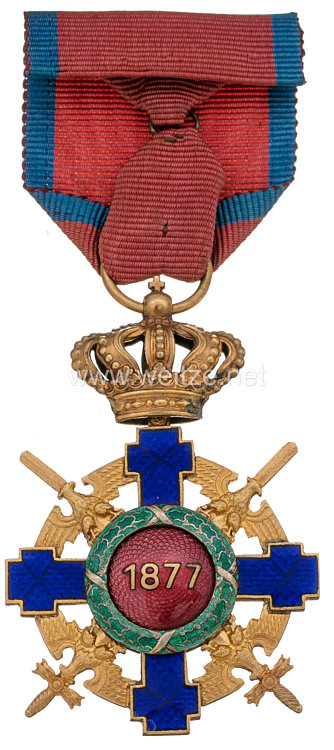
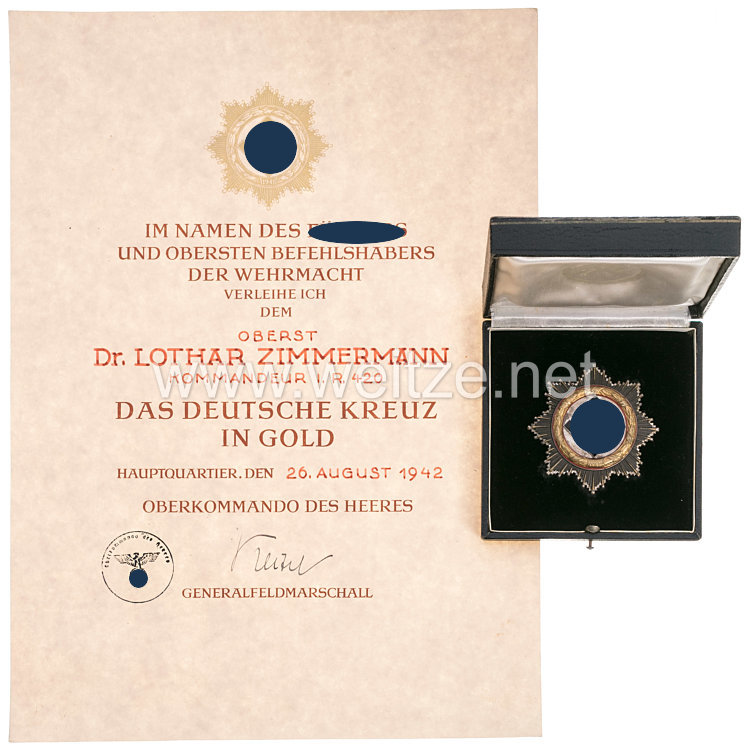
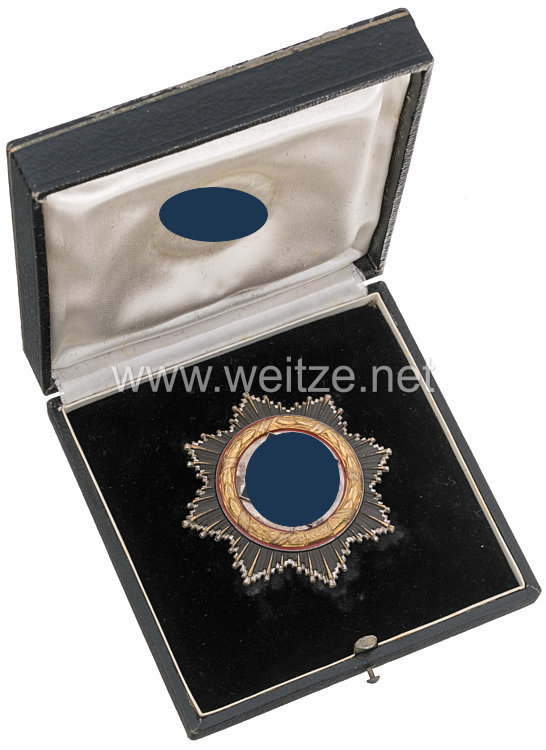
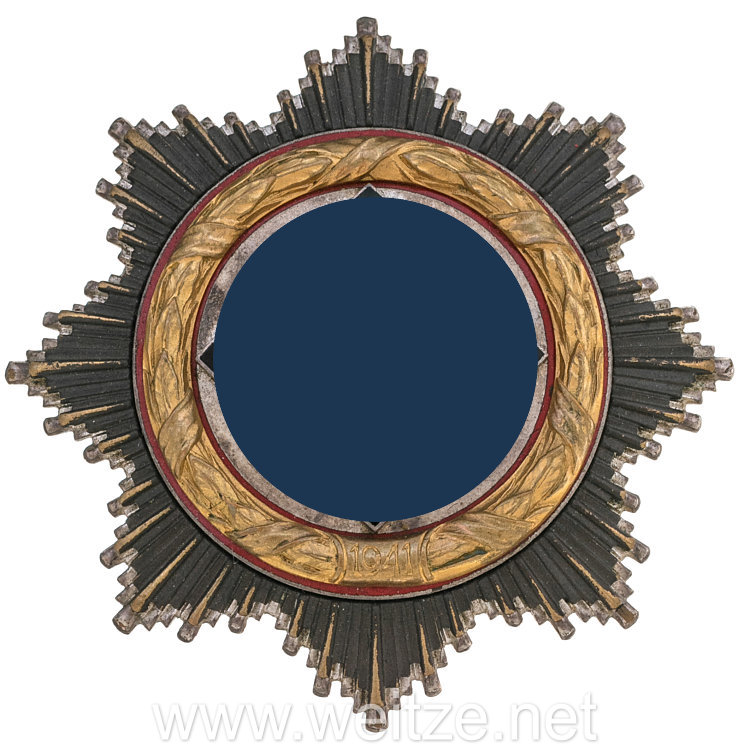
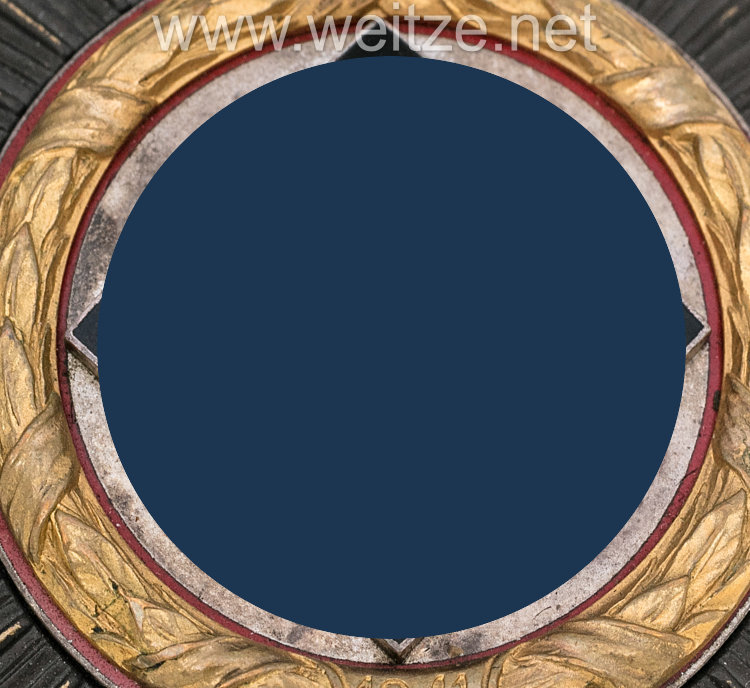
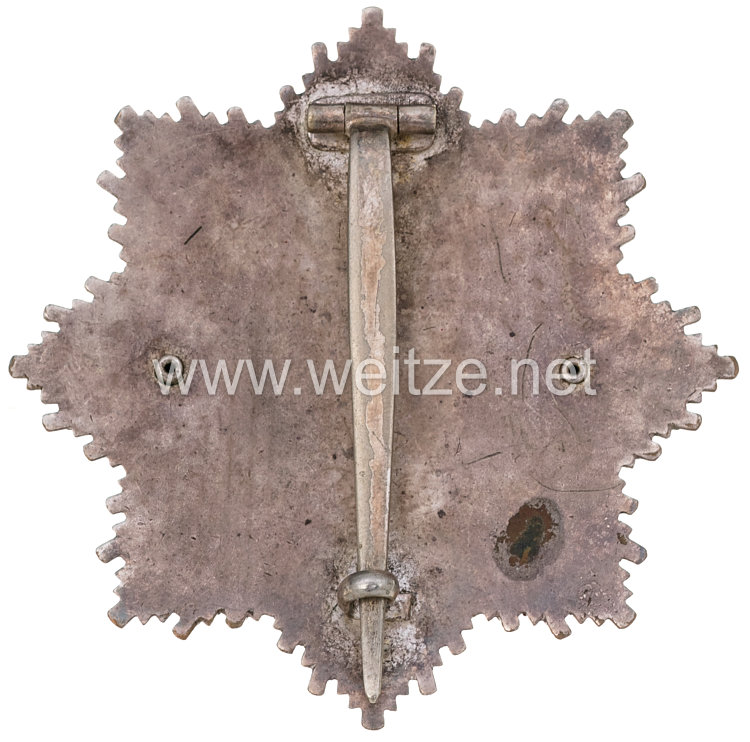
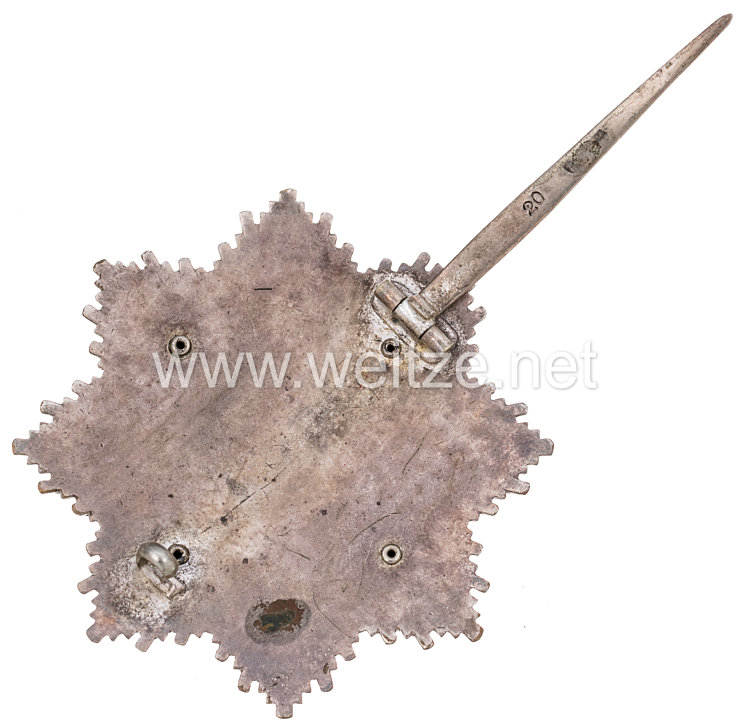
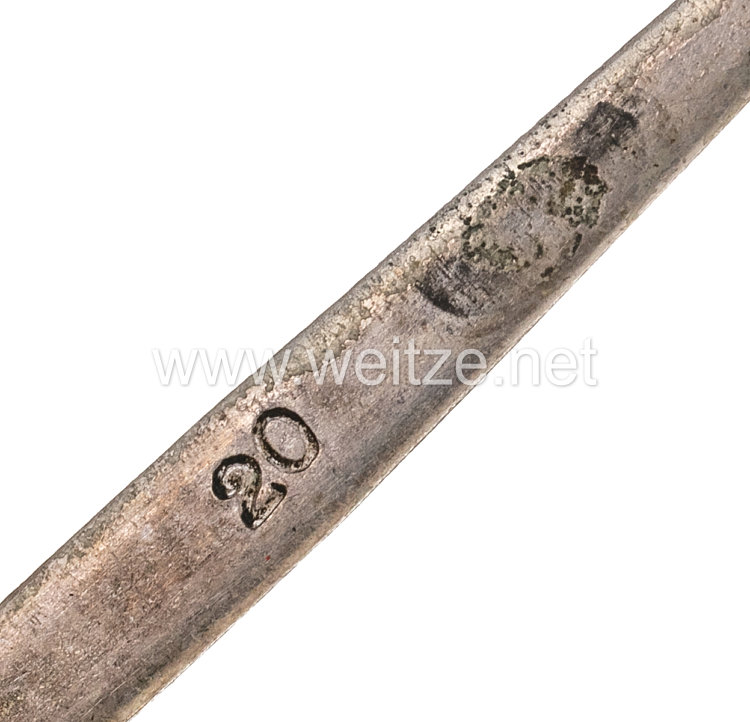
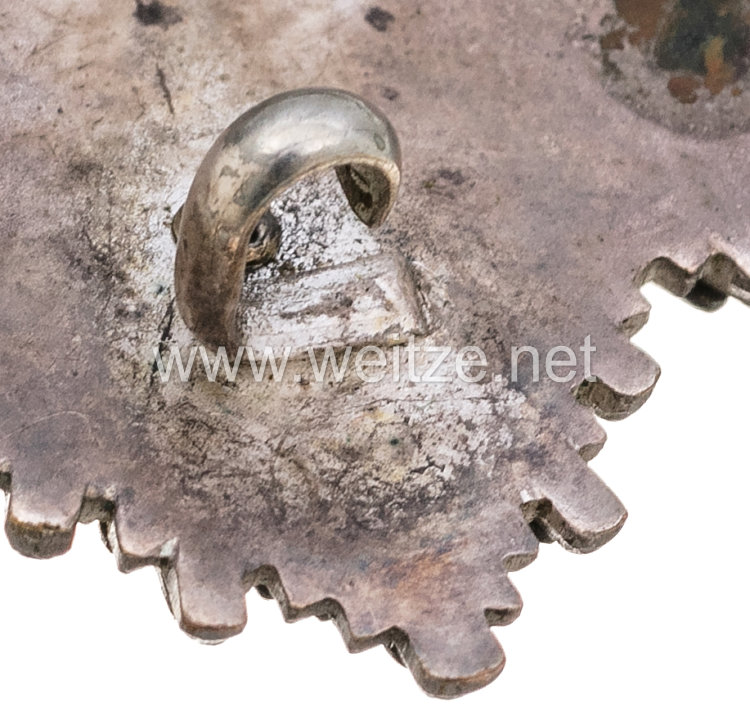
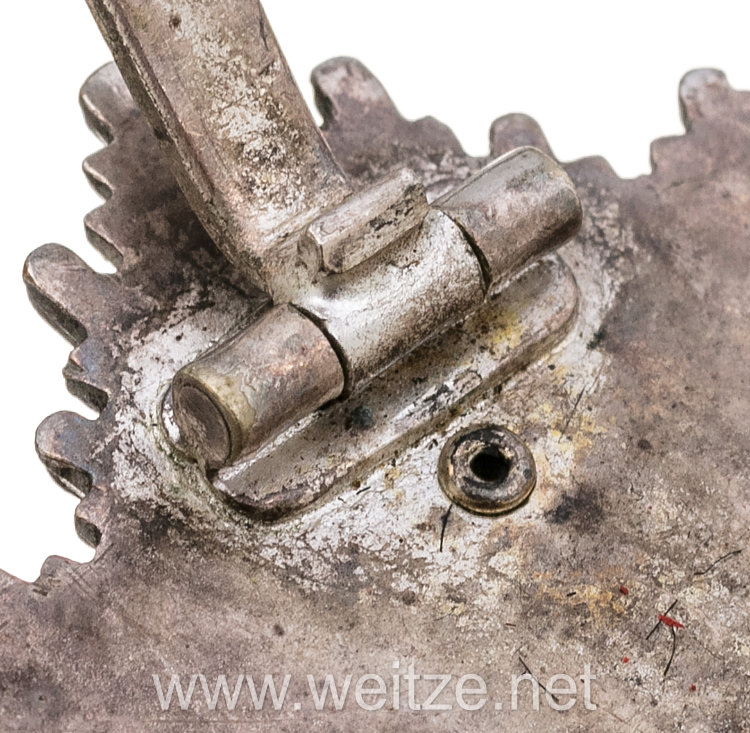
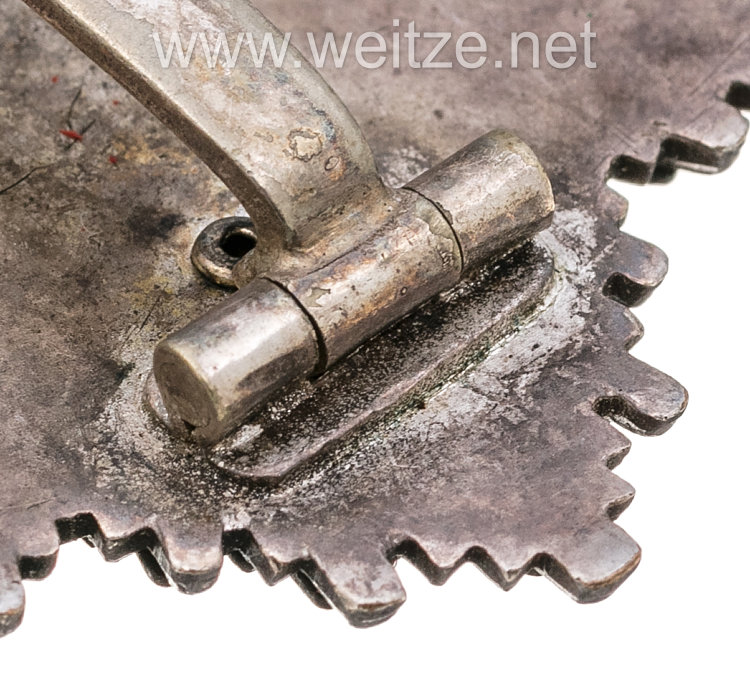
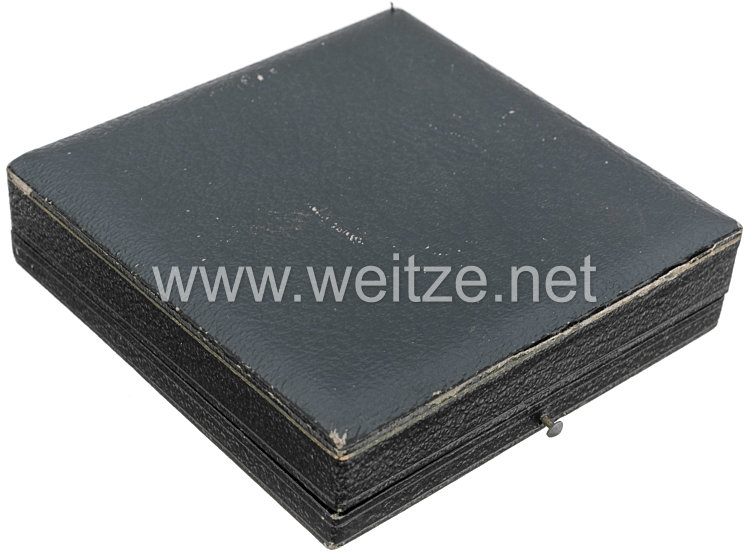
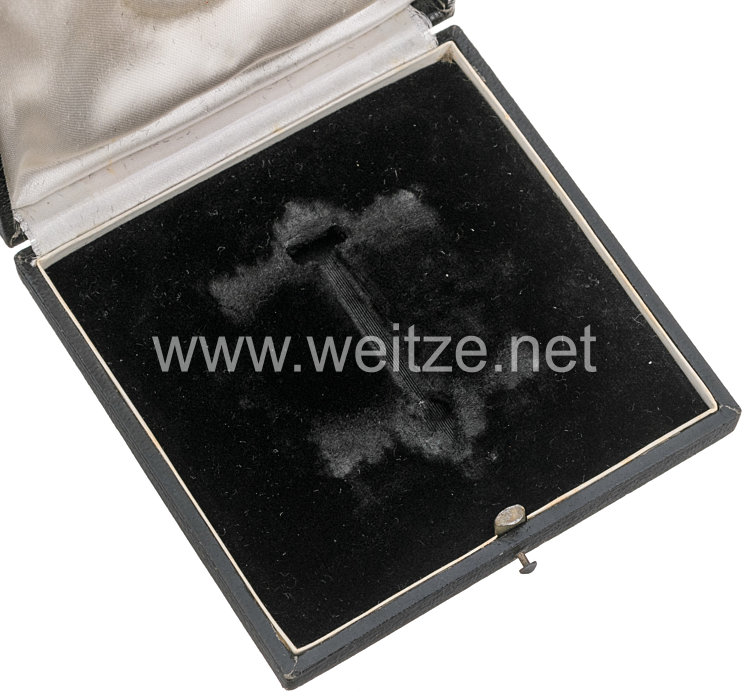
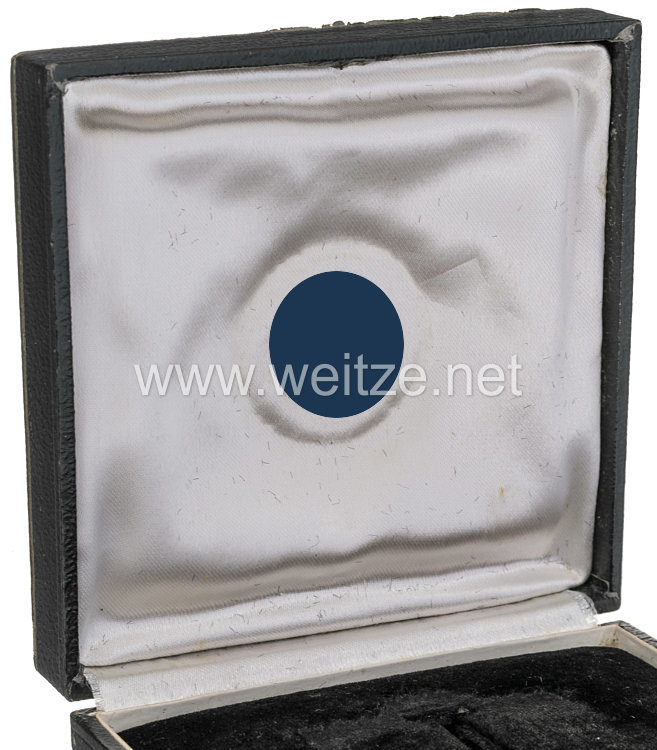
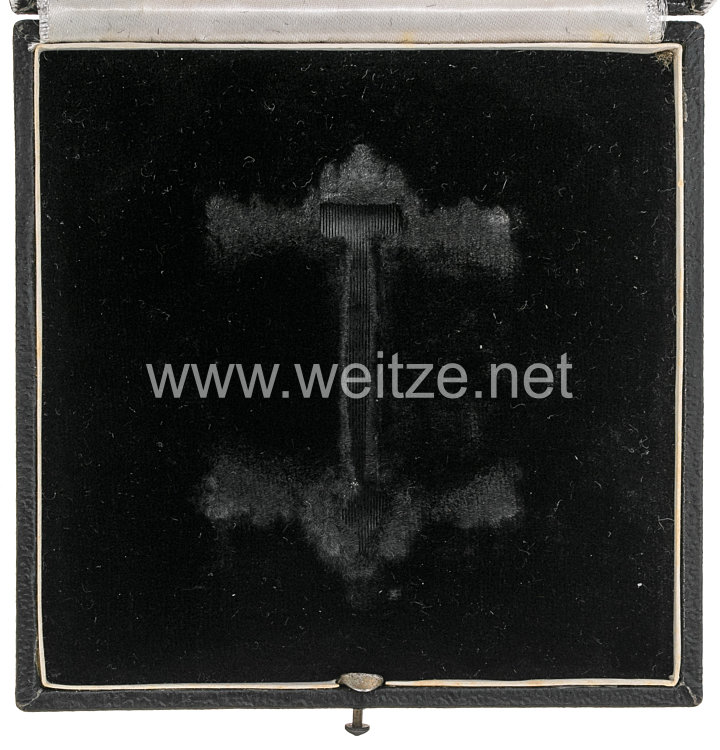
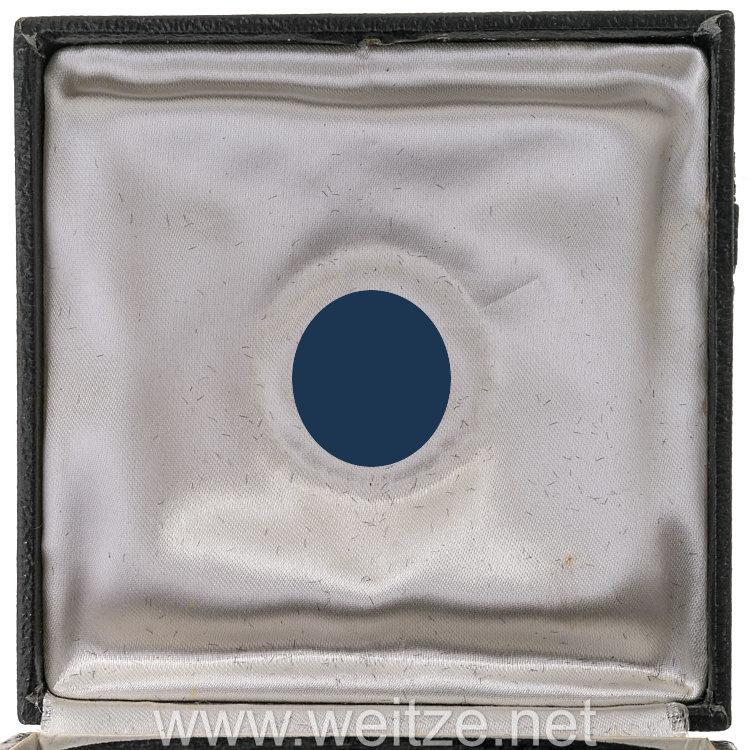
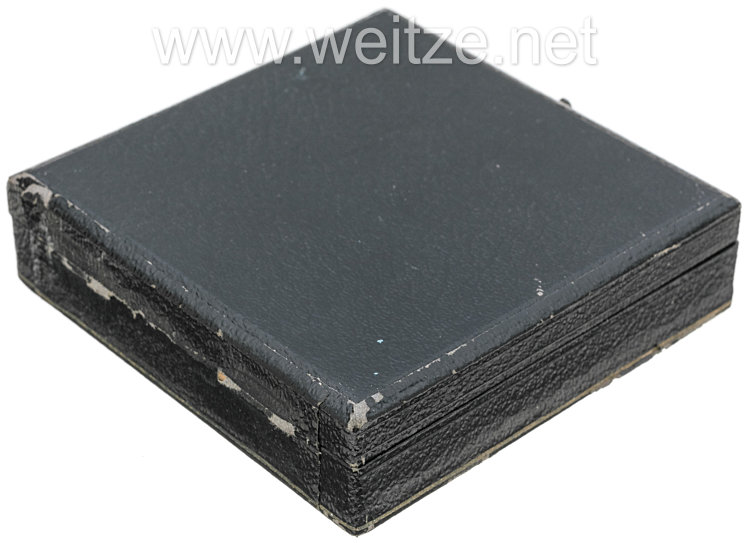
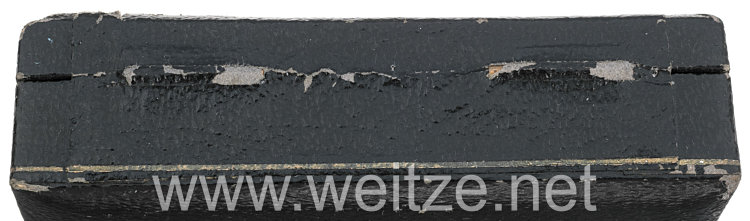
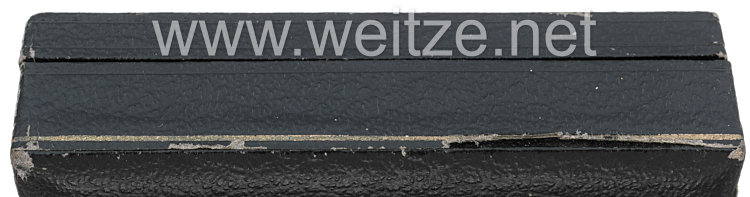
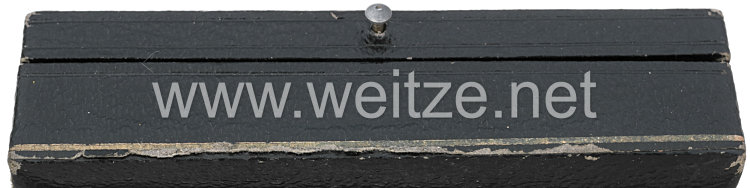
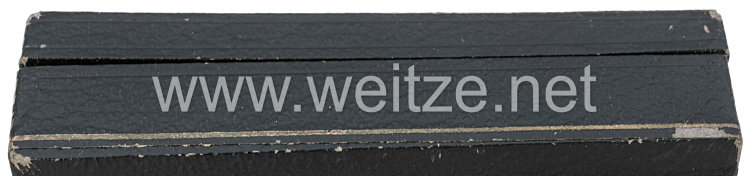
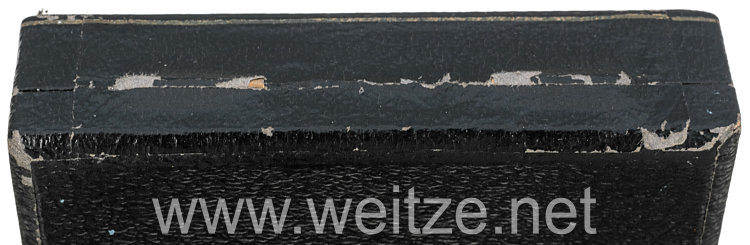
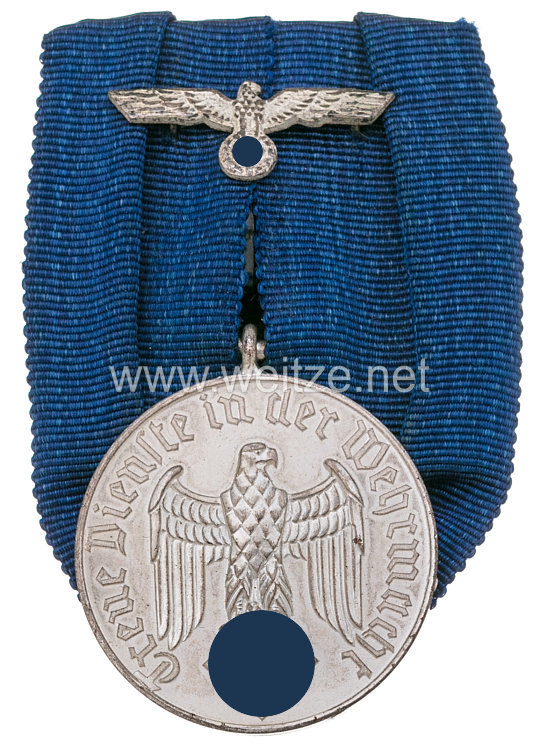
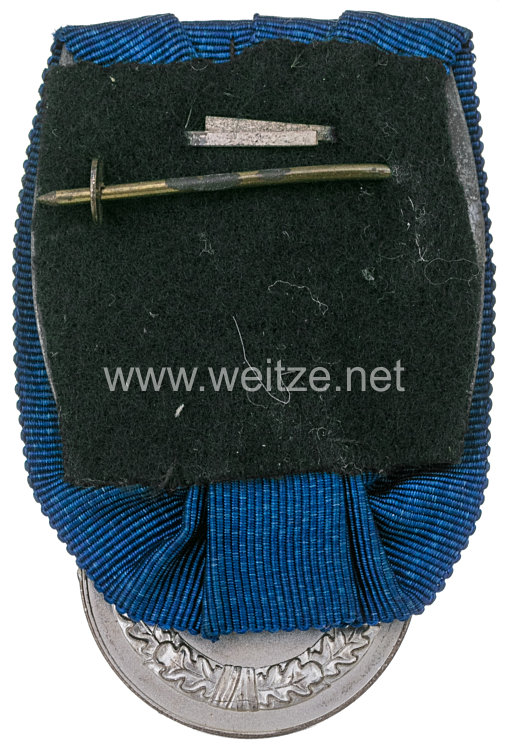
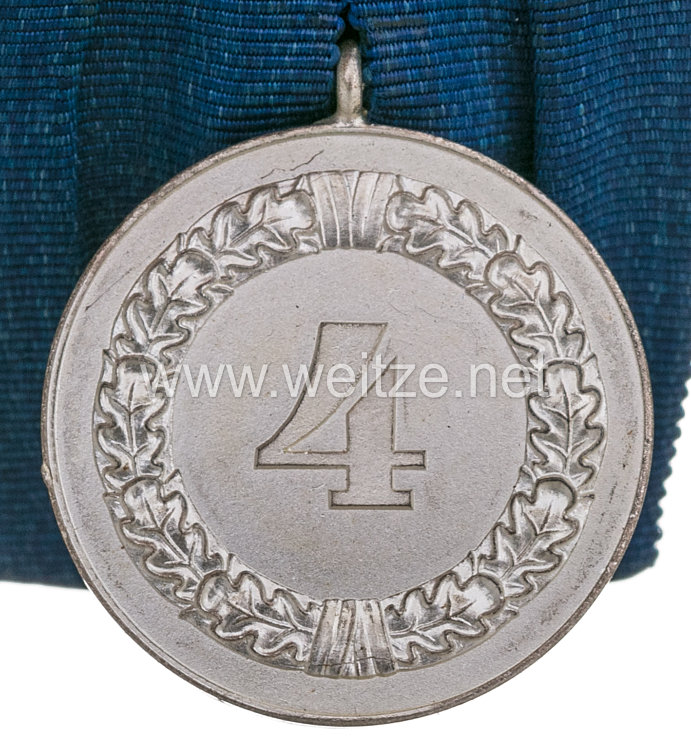
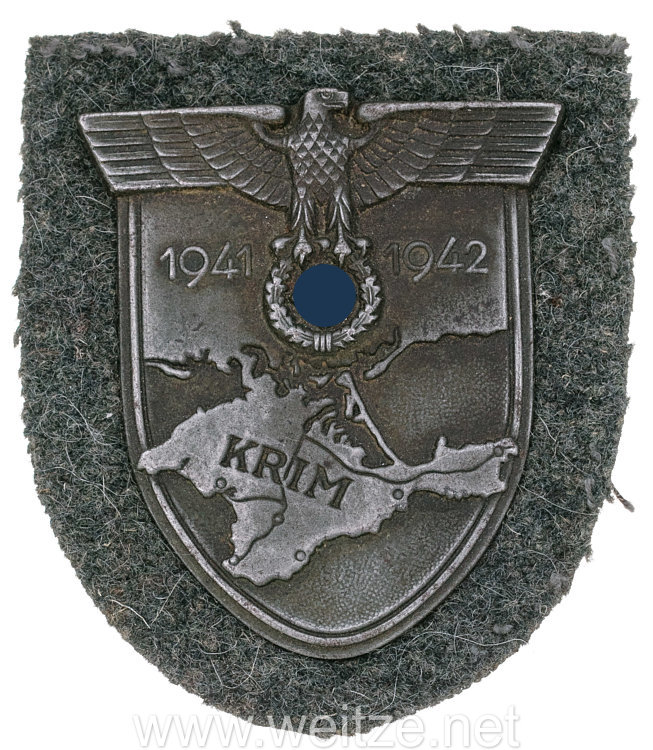
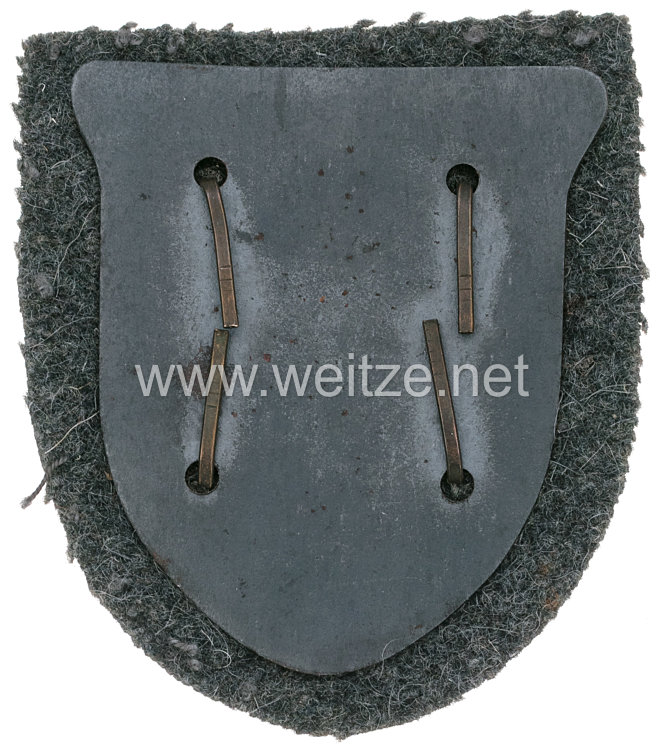
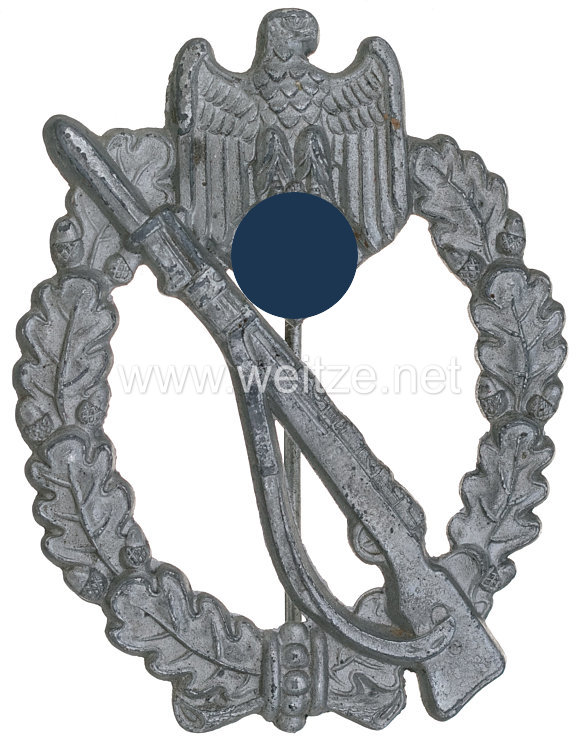
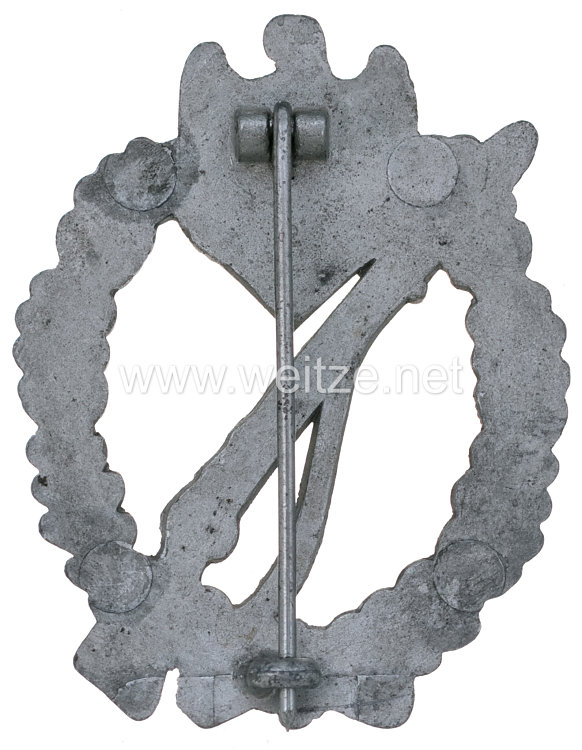
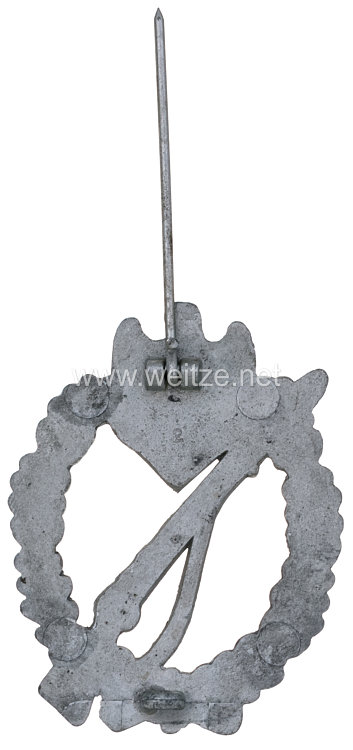
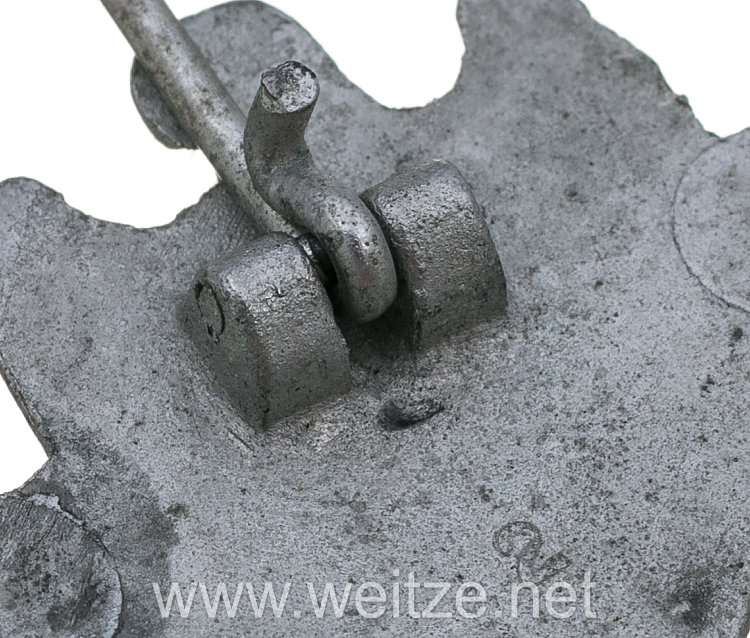
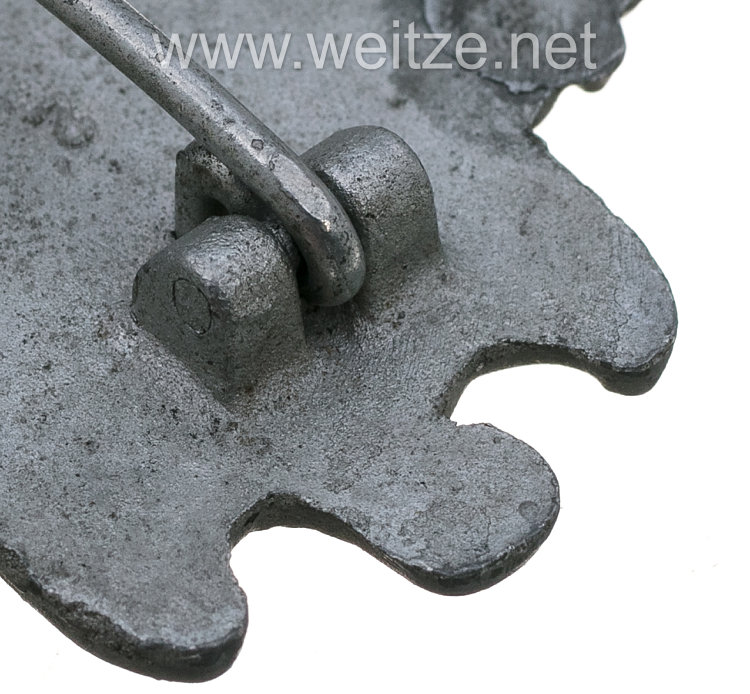
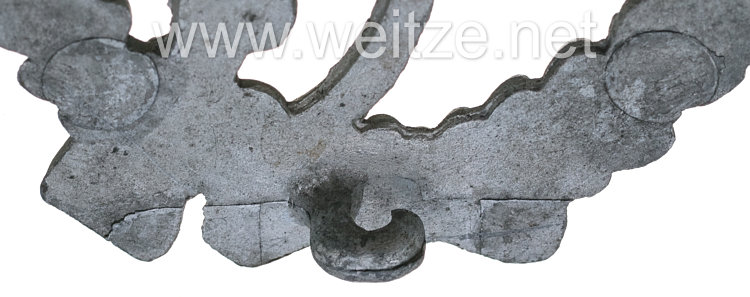
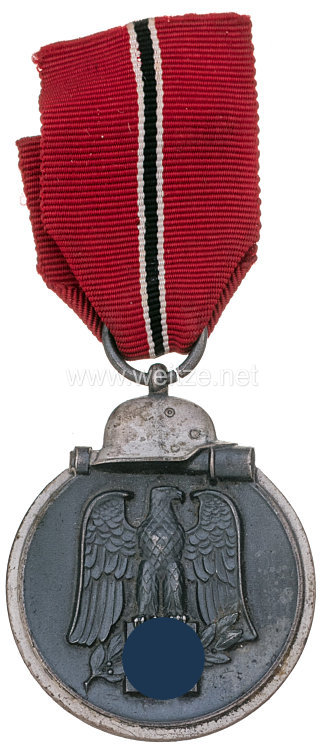
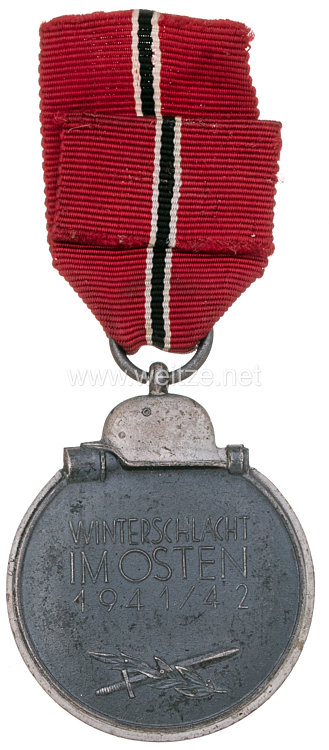
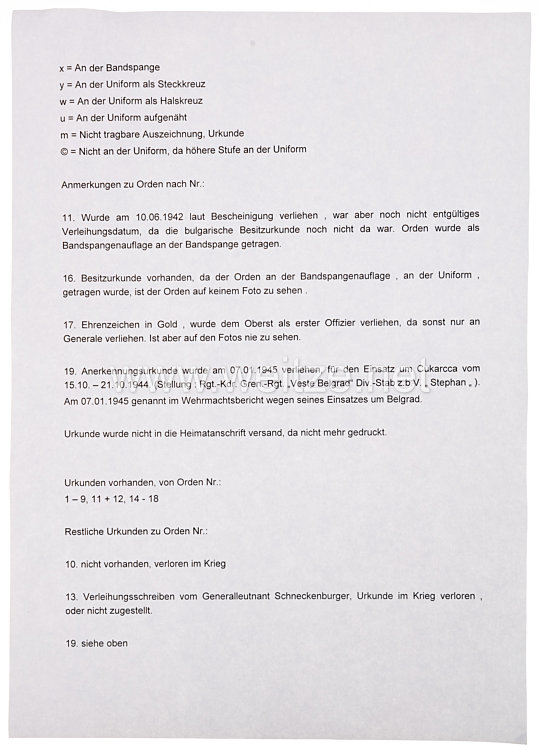
Wehrmacht Dienstauszeichnung für 4 Jahre, als Einzelbandschnalle. Infanteriesturmabzeichen in Silber, späte Kriegsfertigung aus Feinzink. Deutsches Kreuz in Gold. Schwere Fertigung der Fa. Zimmermann, Pforzheim, innen auf der Nadel mit Hersteller "20" gestempelt, im frühen Verleihungsetui mit schwarzer Samteinlage und weißem Seidenfutter, im Deckel umlaufender goldener Streifen. Medaille Winterschlacht im Osten, am Band. Krimschild, auf feldgrauer Tuchunterlage. Orden vom Stern Rumäniens Kreuz VI. Klasse mit Schwertern. Bulgarien Militärverdienstorden Halskreuz 3. Klasse mit Kriegsdekoration, am Halsband (verliehen 10.6.1942). Infanteristisches Ehrenzeichen der Bulgarischen Infanterie in Silber (verliehen am 2.4.1943). Ehrenzeichen der Bulgarischen Nachrichten- und Pioniereinheiten (verliehen am 15.7.1943). Bulgarien Alexanderorden Komturkreuz mit Kriegsdekoration., Halskreuz am langen Band. Infanteristisches Ehrenzeichen der Bulgarischen Infanterie in Gold (verliehen am 19.7.1943).
Schulterstücke:
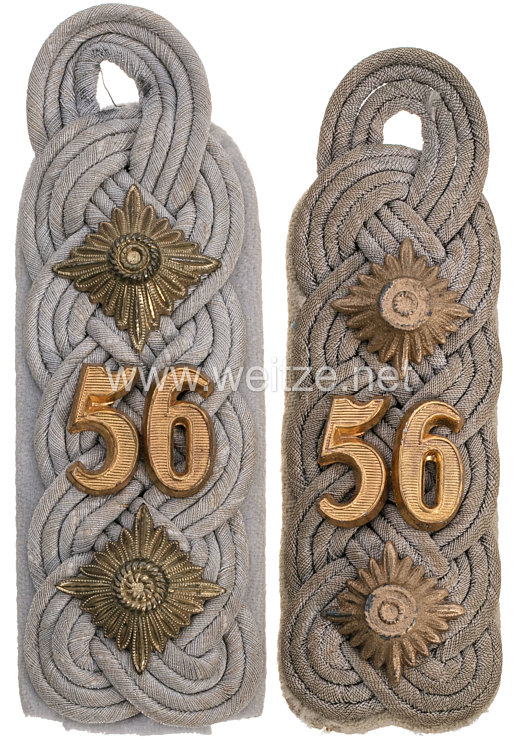
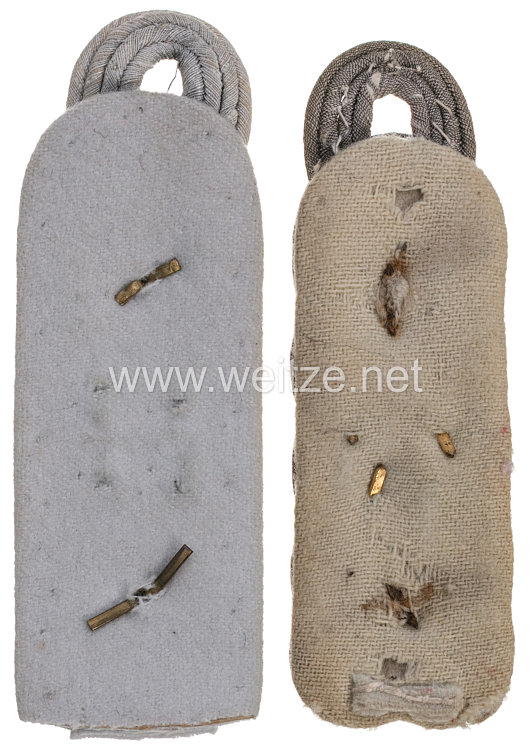
2 Einzel Schulterstücke als Oberst Infanterie Regiment 56.
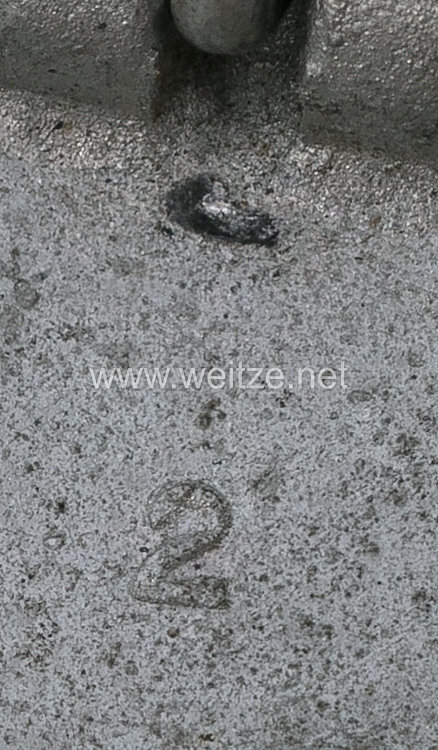
Erkennungsmarke :
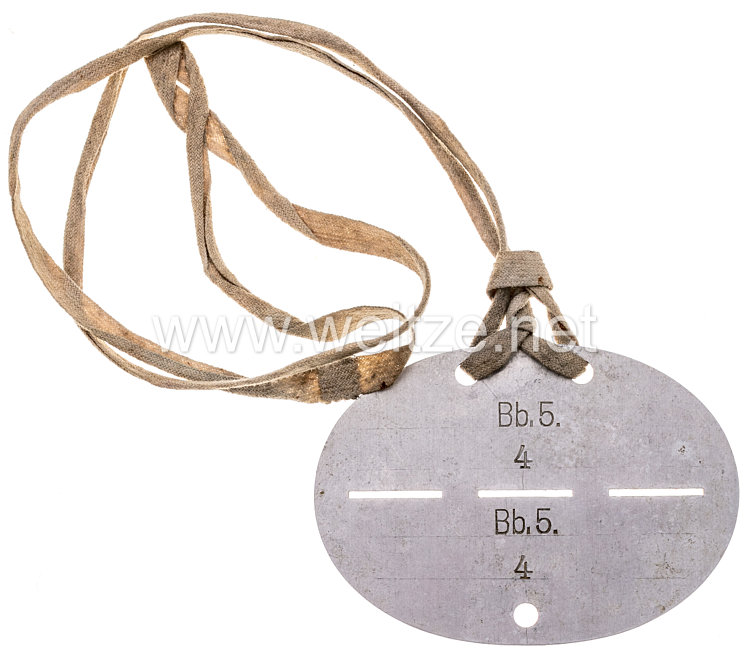
Aus Aluminium, mit Markierung "Bb.5. 4". Zustand.
Dokumente und Urkunden :
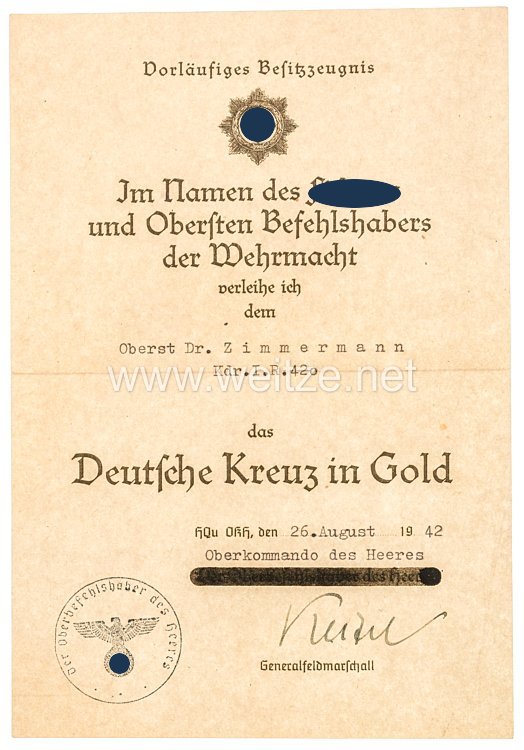
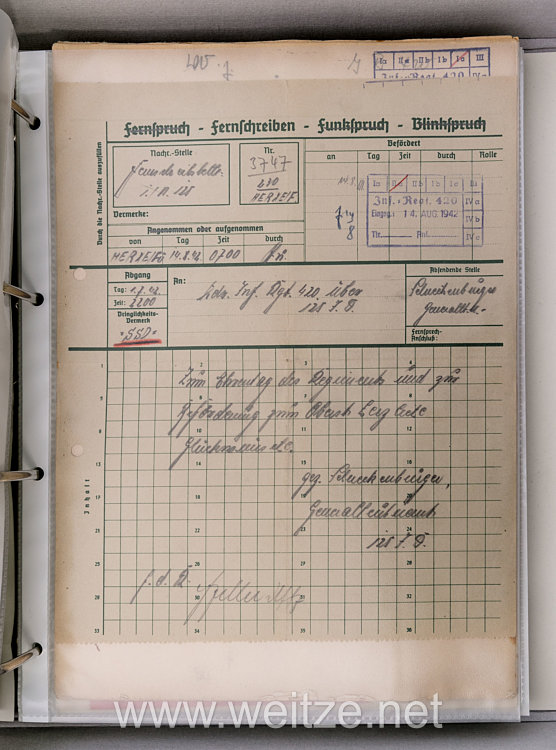
- Vorläufiges Besitzzeugnis für das Deutsche Kreuz in Gold, als Oberst und Kommandeur des I.R.420, ausgestellt im OKH am 26.8.1942 durch Generalfeldmarschall Keitel
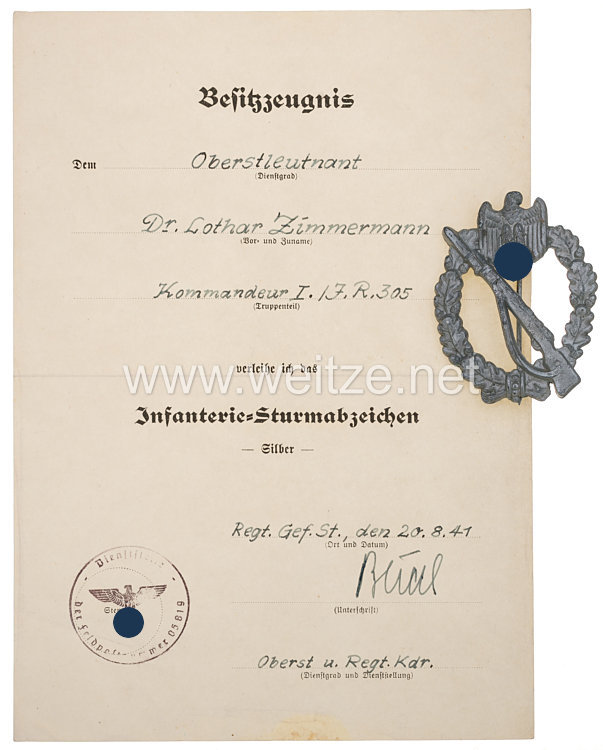
- Besitzzeugnis für das Infanterie-Sturmabzeichen in Silber, ausgestellt am 20.8.1941
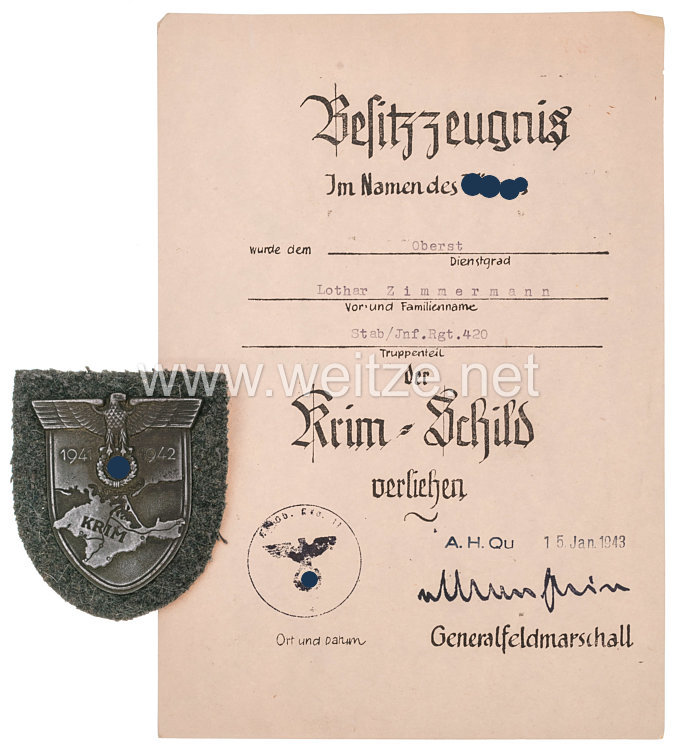
- Besitzzeugnis zum Krimschild, ausgestellt am 15.1.1943
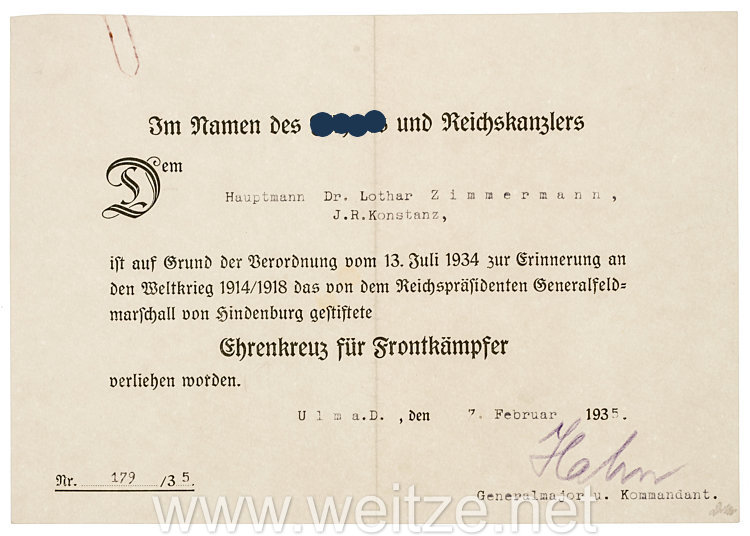
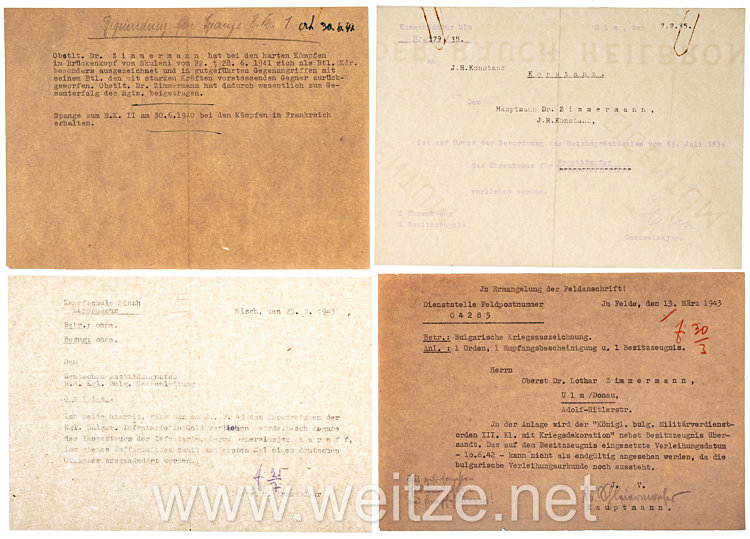
- Verleihungsurkunde für das Ehrenkreuz für Frontkämpfer, ausgestellt am 7.2.1935
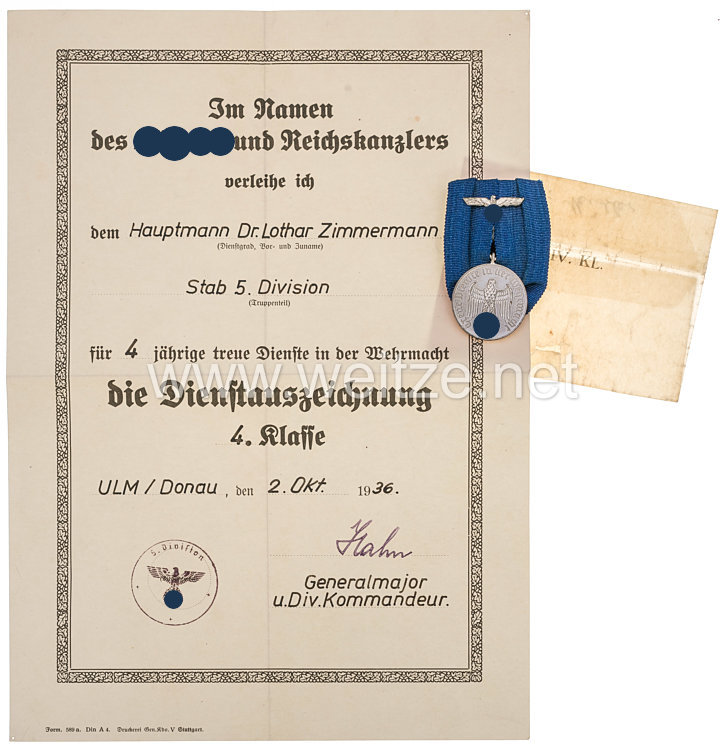
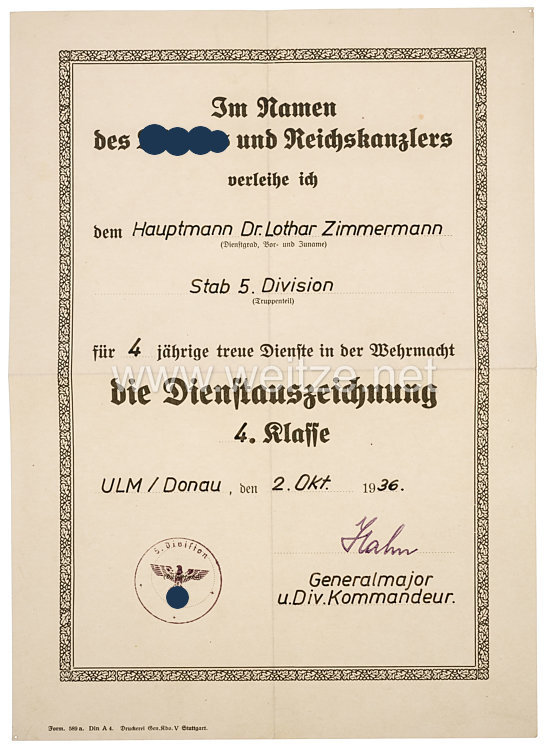
- Verleihungsurkunde für die Dienstauszeichnung 4. Klasse, als Hauptmann im Stab der 5. Division, ausgestellt am 2.10.1936
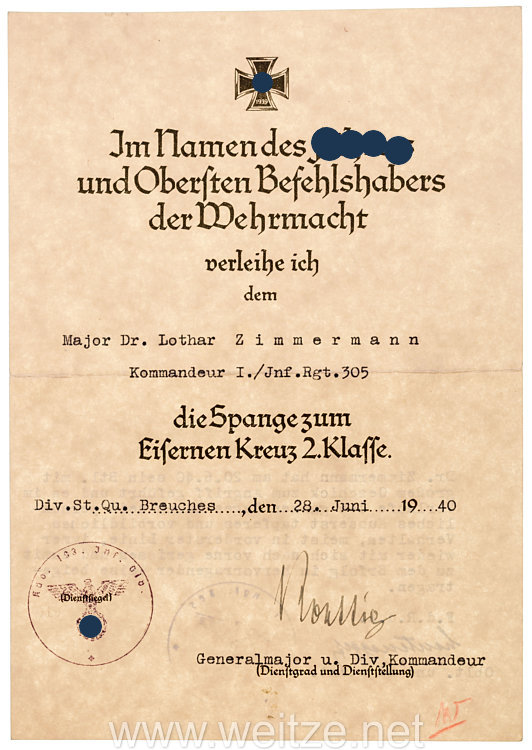
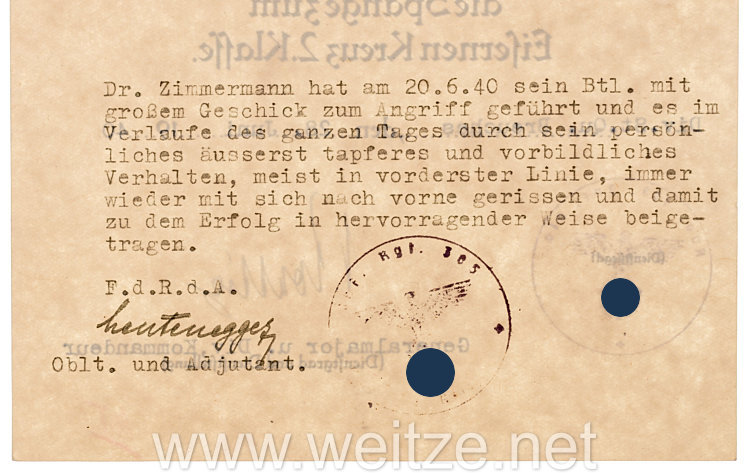
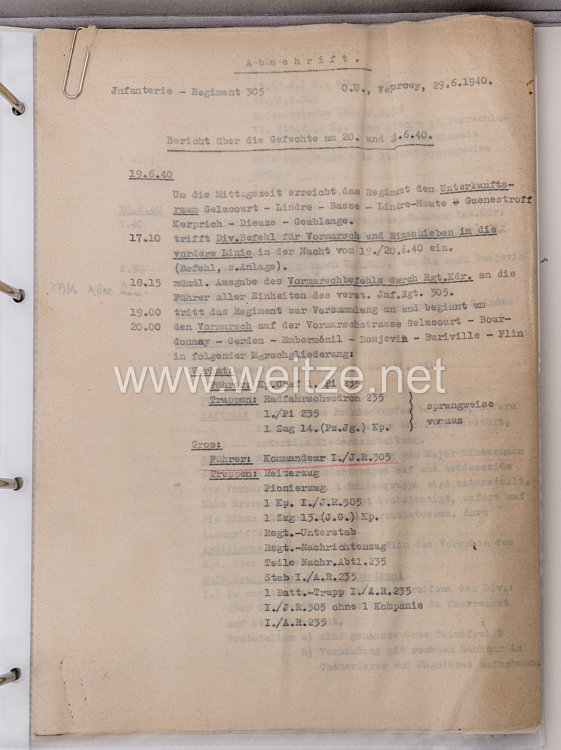
- Verleihungsurkunde für die Spange zum Eisernen Kreuz 2. Klasse, als Major und Kommandeur I./I.R.305, ausgestellt am 28.6.1940
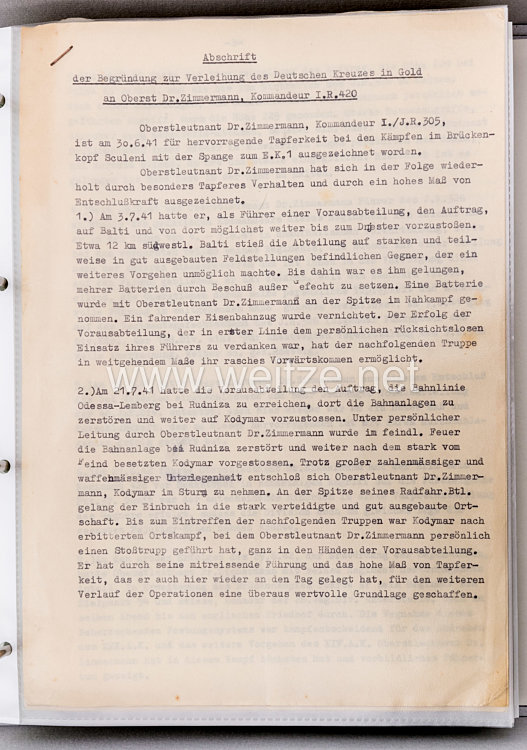
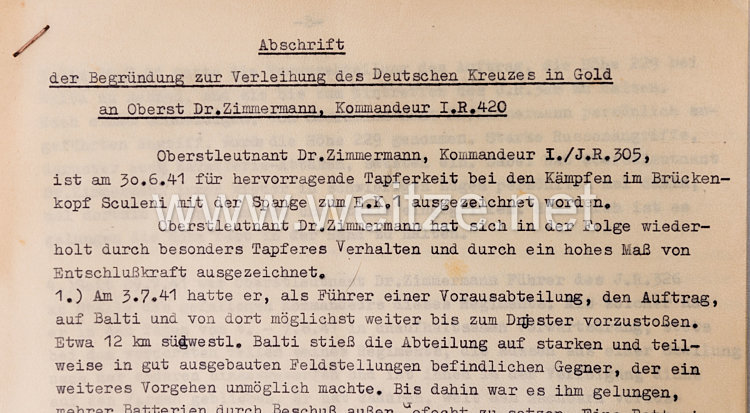
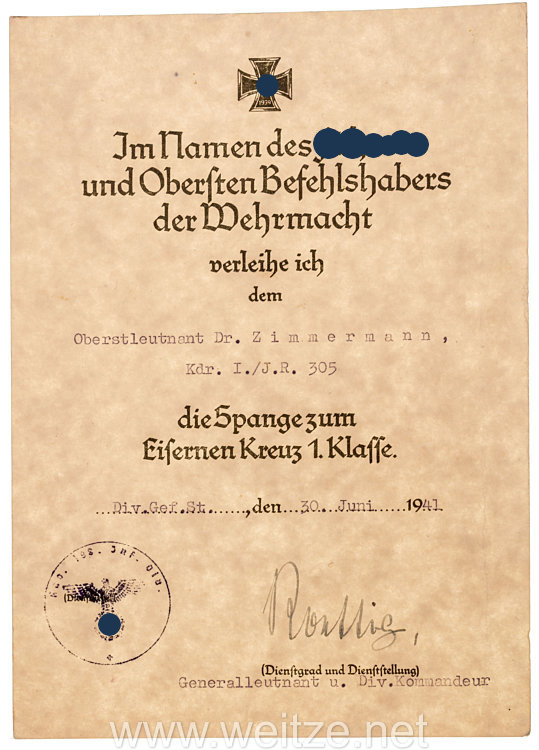
- Verleihungsurkunde für die Spange zum Eisernen Kreuz 1. Klasse, als Oberstleutnant, ausgestellt am 30.6.1941, mit Begründung zur Verleihung
- Schreiben zur Verleihung der Ostmedaille vom 5.9.1942
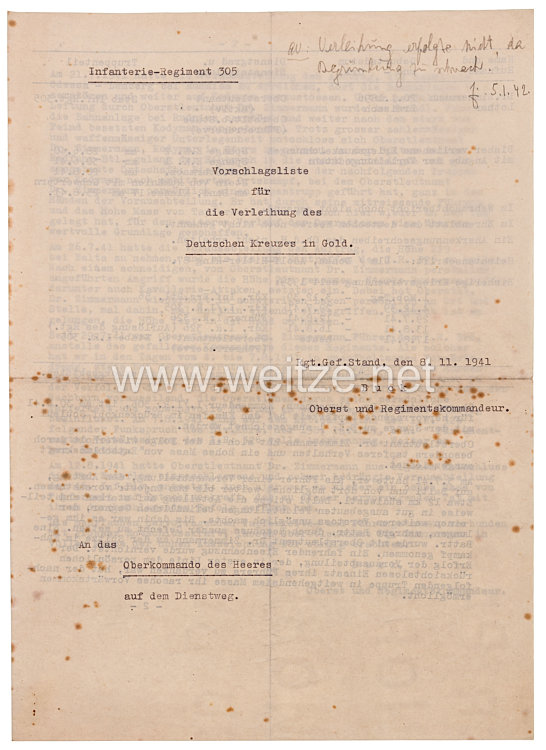
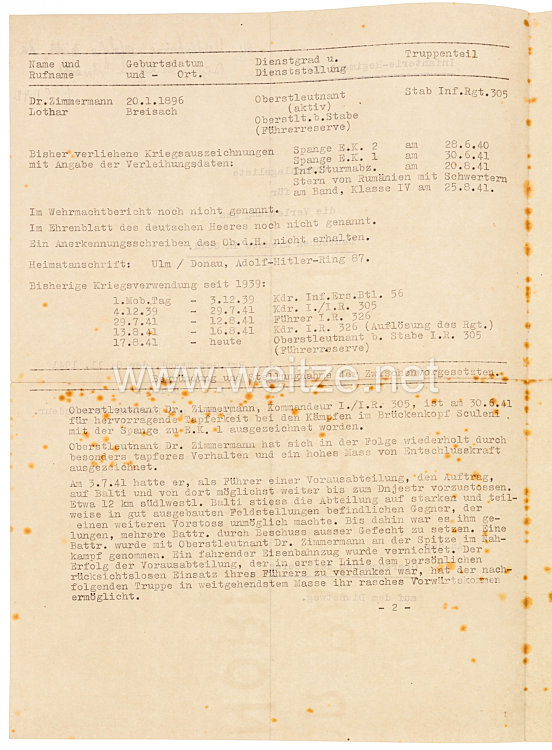
- Vorschlagsliste für die Verleihung des Deutschen Kreuzes in Gold, datiert 8.11.1941
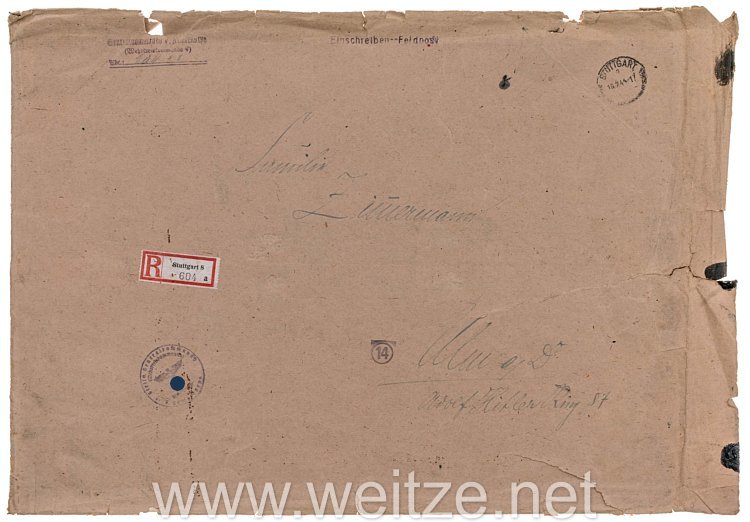
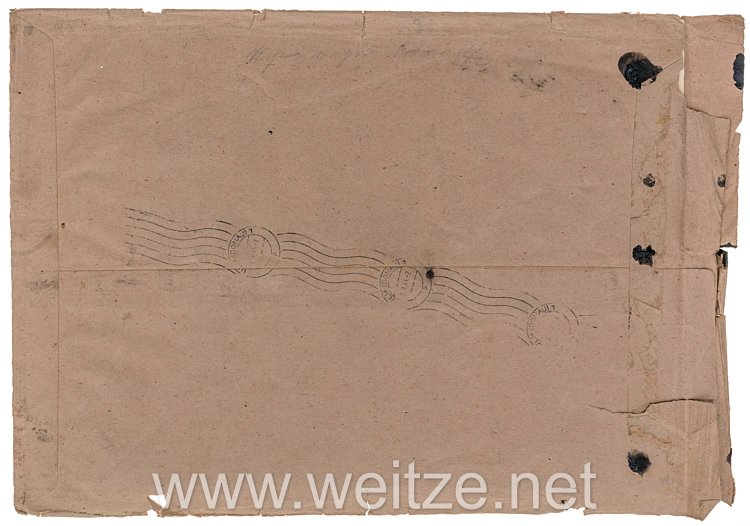
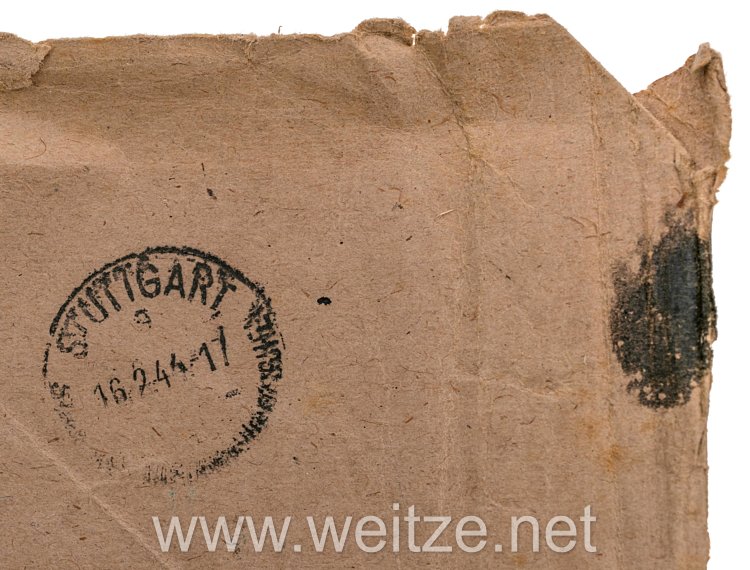
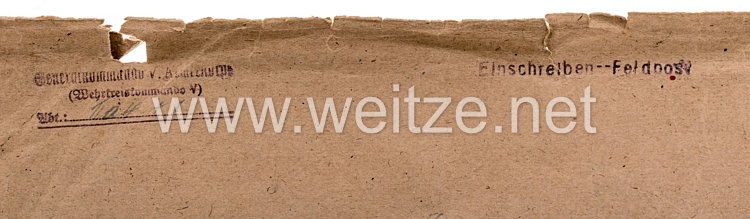
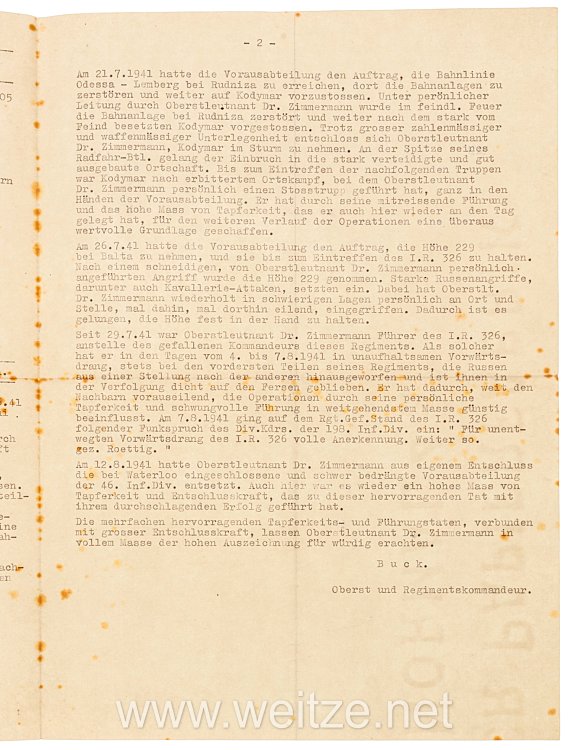
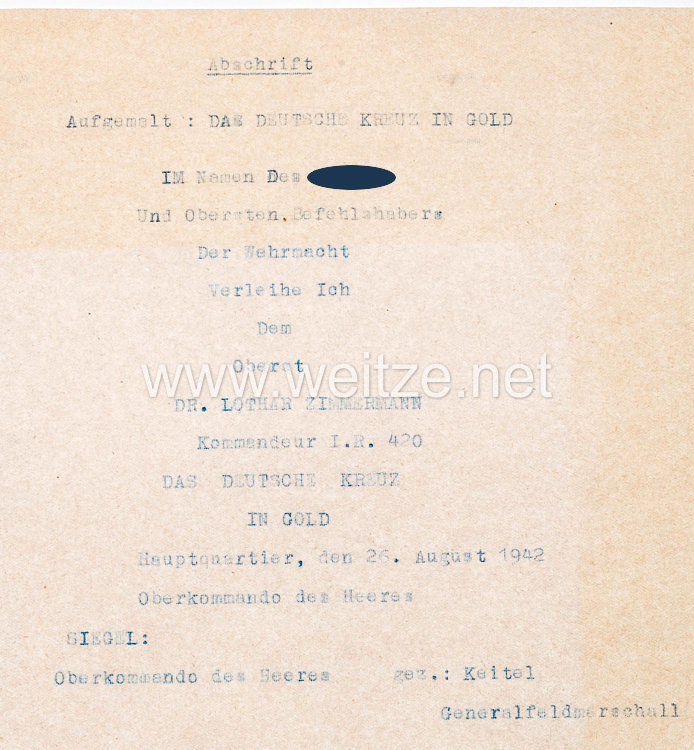
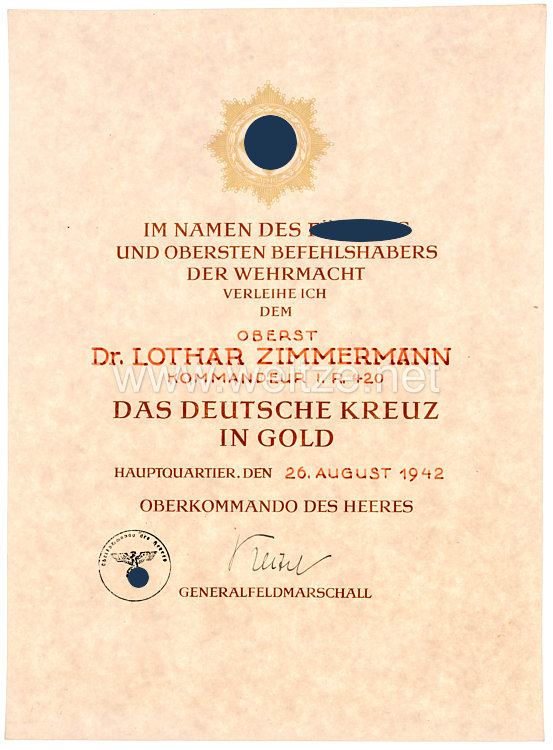
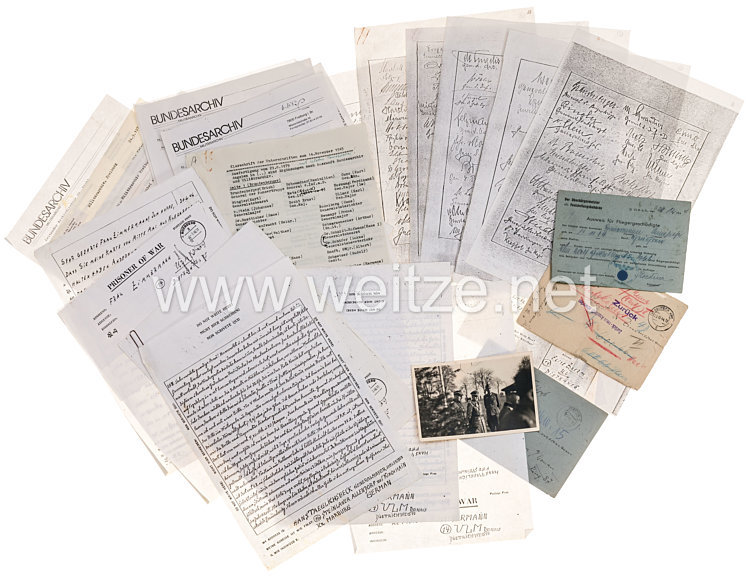
- Mehrere Abschriften zur Begründung der Verleihung - Große Verleihungsurkunde zum Deutschen Kreuz in Gold als Oberst, Kommandeur I.R. 420, ausgestellt Hauptquartier, den 26. August 1942, mit original Unterschrift "Keitel Generalfeldmarschall". Dazu der Einschreiben Übersendungsumschlag.
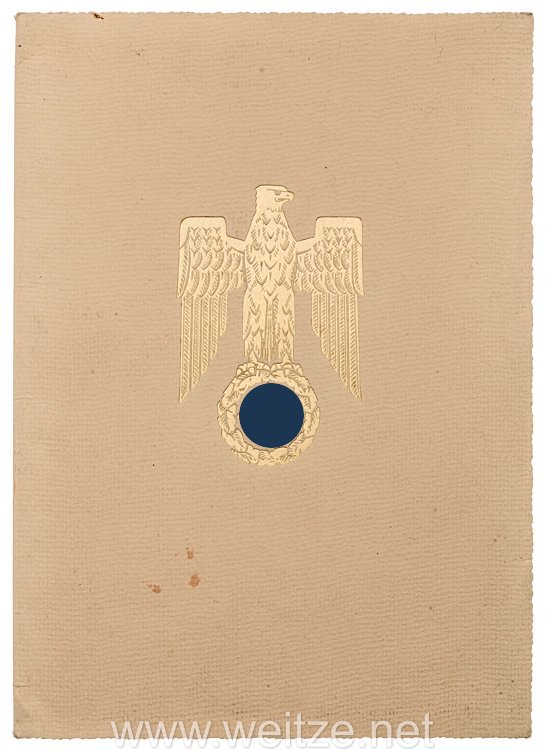
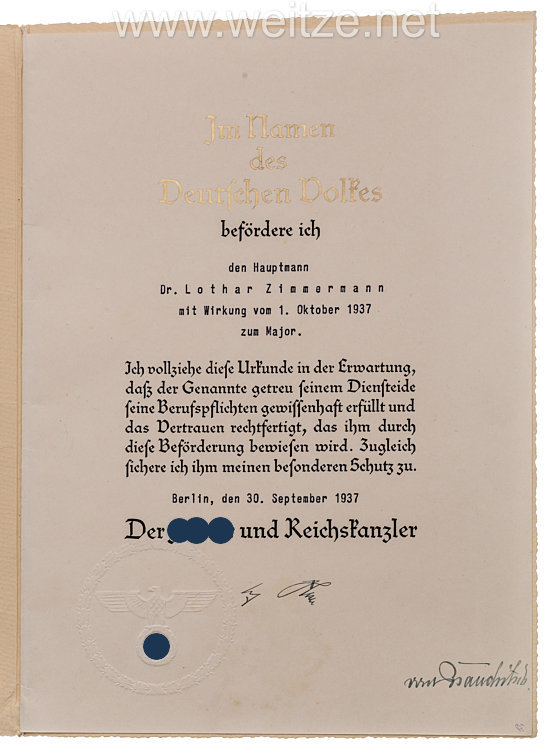
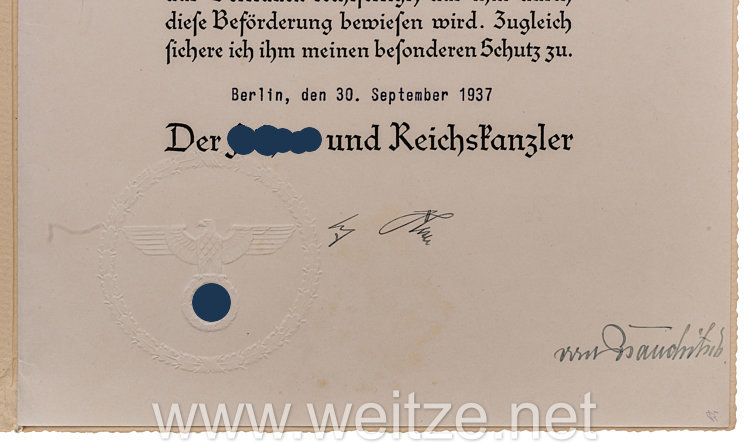
- Großformatige Beförderungsurkunde zum Major, ausgestellt am 30.9.1937 mit Originalunterschriften von "Adolf Hitler" und "von Brauchitsch" in der originalen Verleihungsmappe
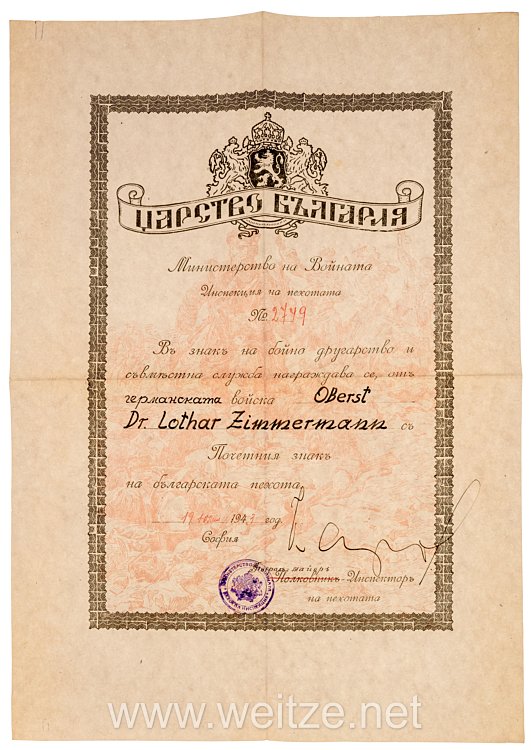
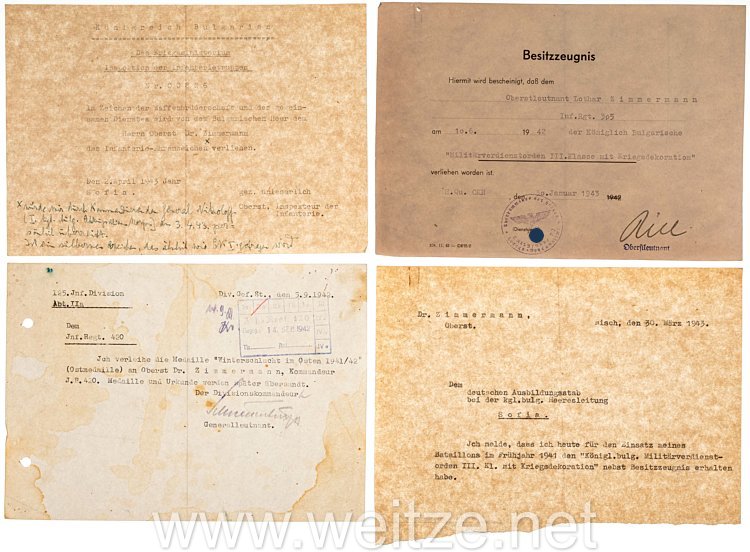
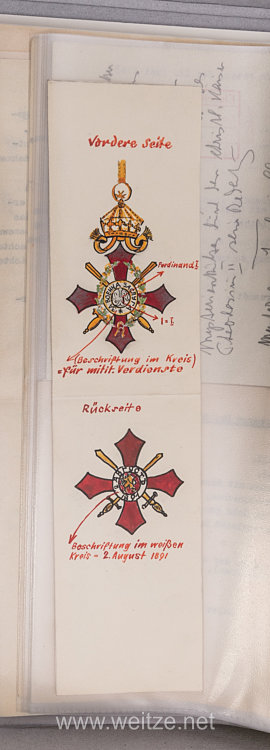
- Besitzzeugnis für den Königlichen Bulgarischen Militärverdienstorden 3. Klasse mit Kriegsdekoration, verliehen am 10.6.1942, ausgestellt am 30.1.1943
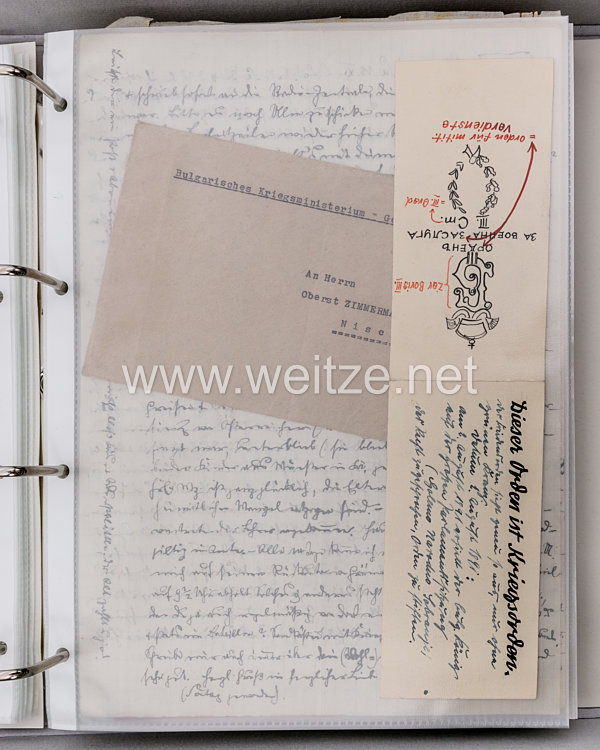
- Großformatiges Besitzzeugnis für das Bulgarische Infanterie-Ehrenzeichen in Silber, mit Übersendungsschreiben und Briefumschlag vom 2.4.1943
- Verleihungsurkunde für das Ehrenzeichen der Bulgarischen Pionier- und Nachrichtentruppen, ausgestellt am 15.7.1943
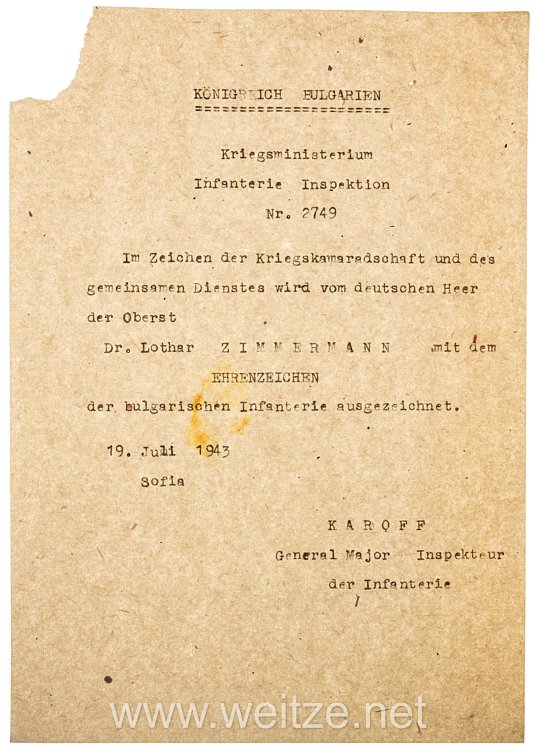
- Großformatiges Besitzzeugnis für das Königlich Bulgarische Infanterie-Ehrenzeichen in Gold, mit Übersendungsschreiben vom 21.7.1943
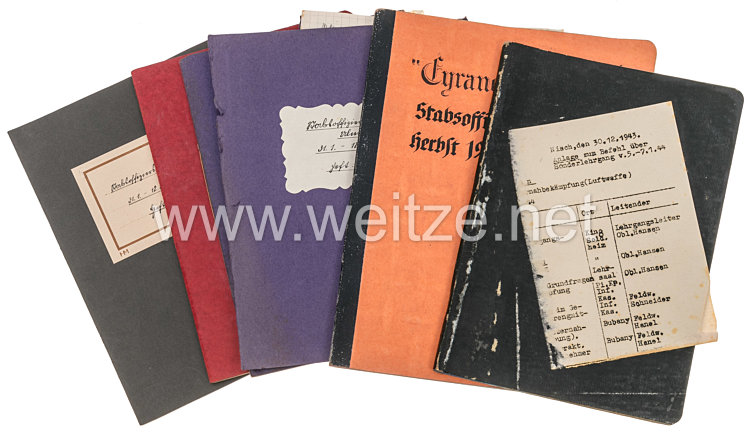
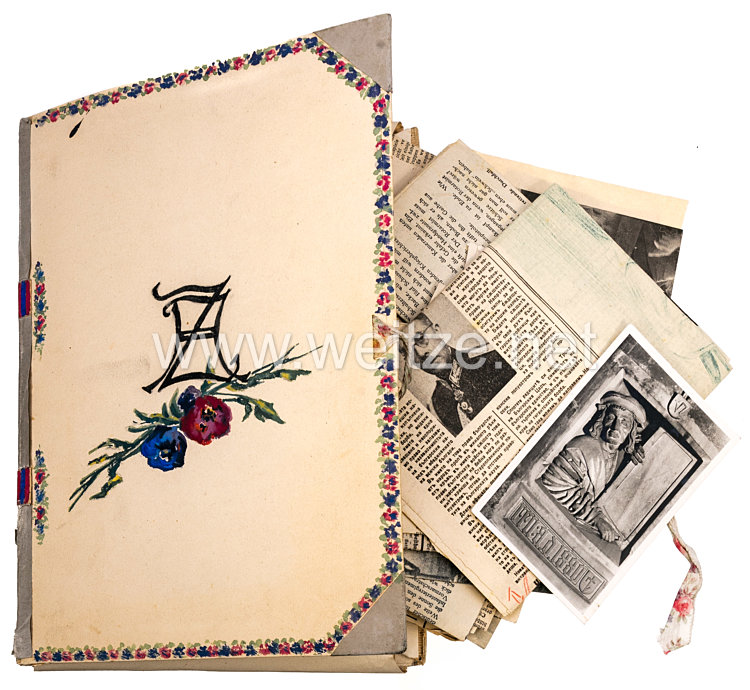
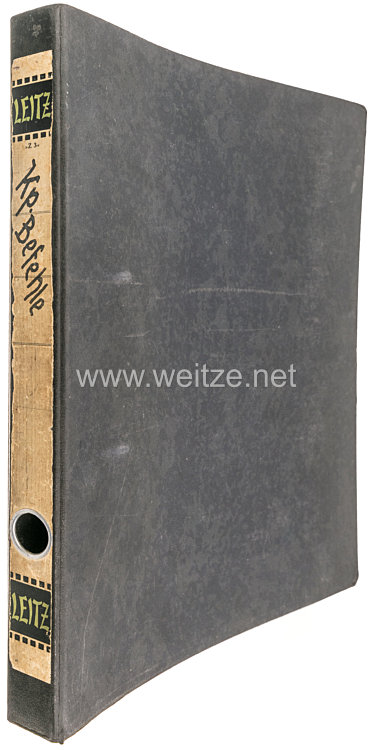
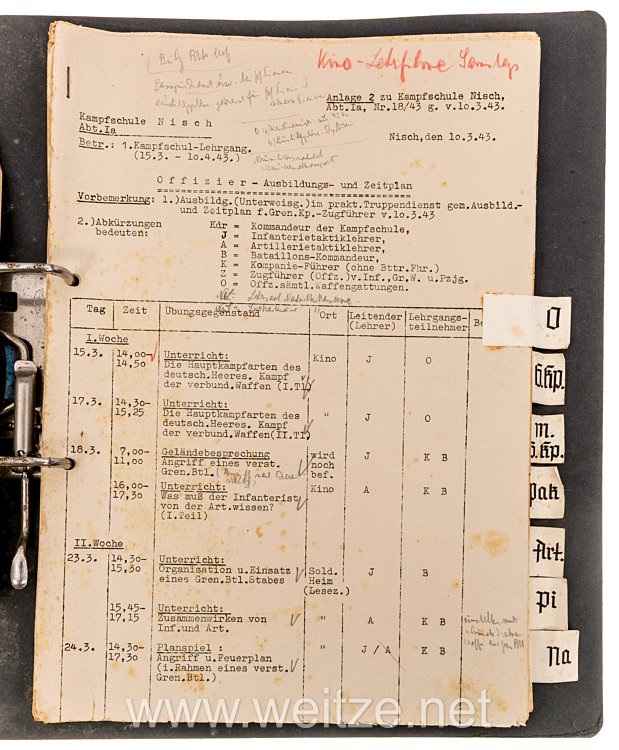
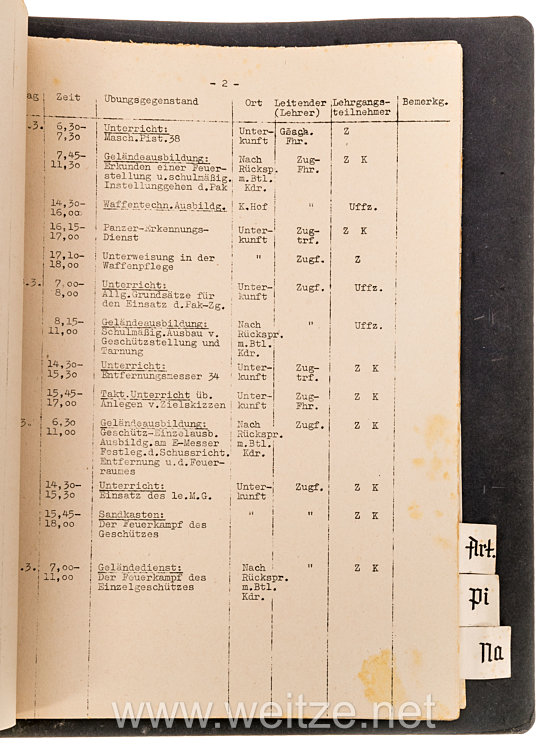
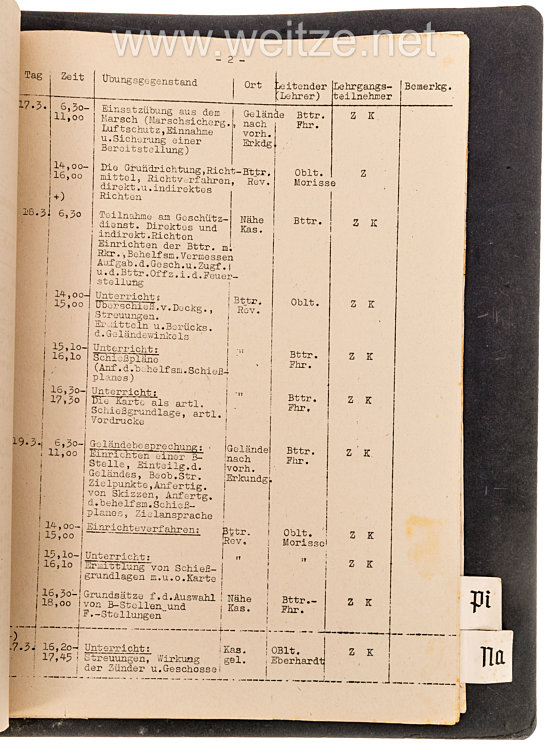
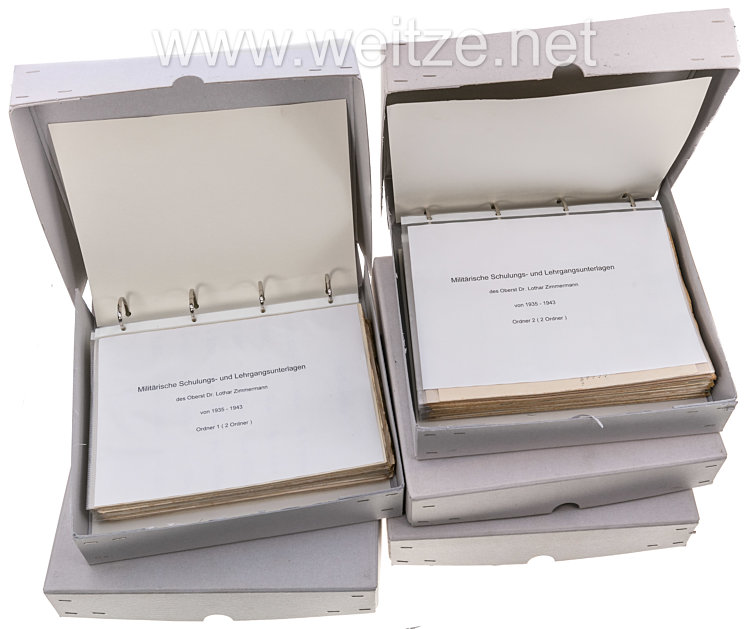
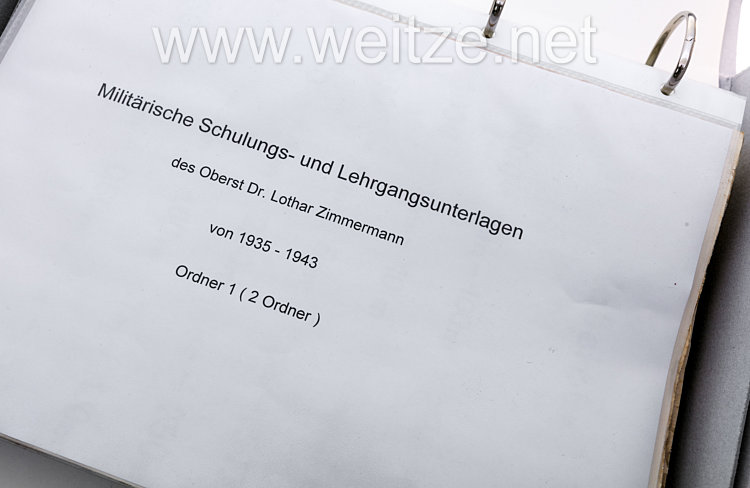
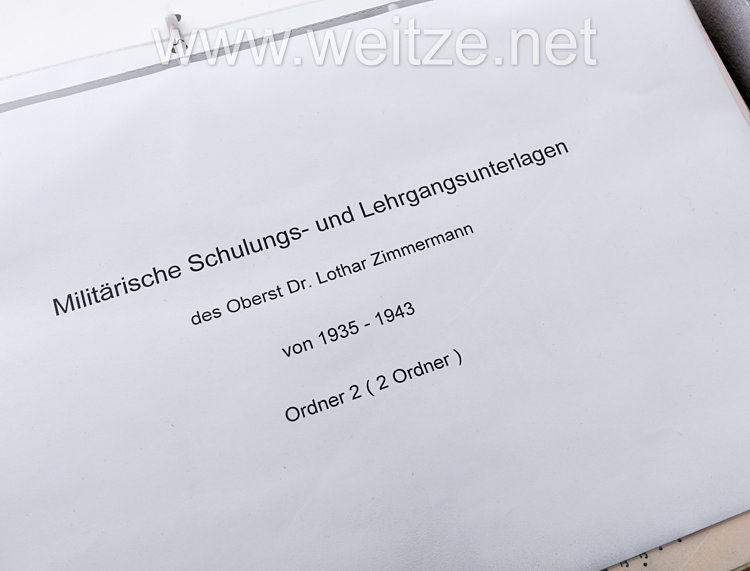
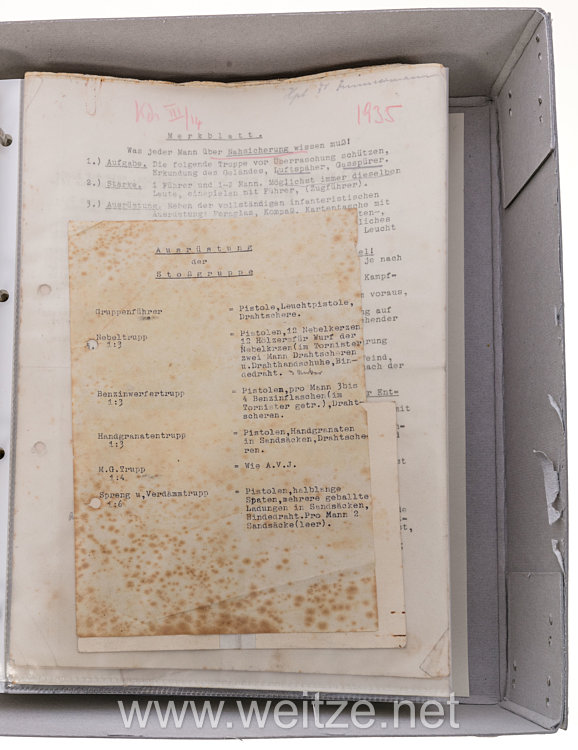
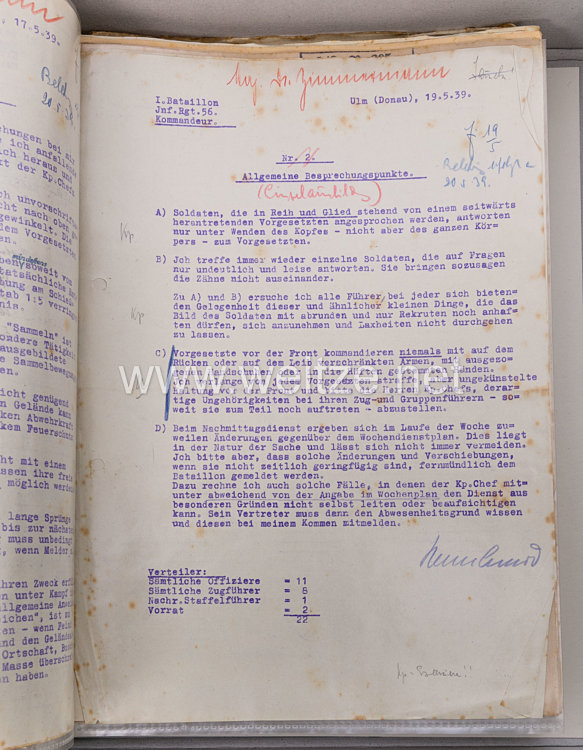
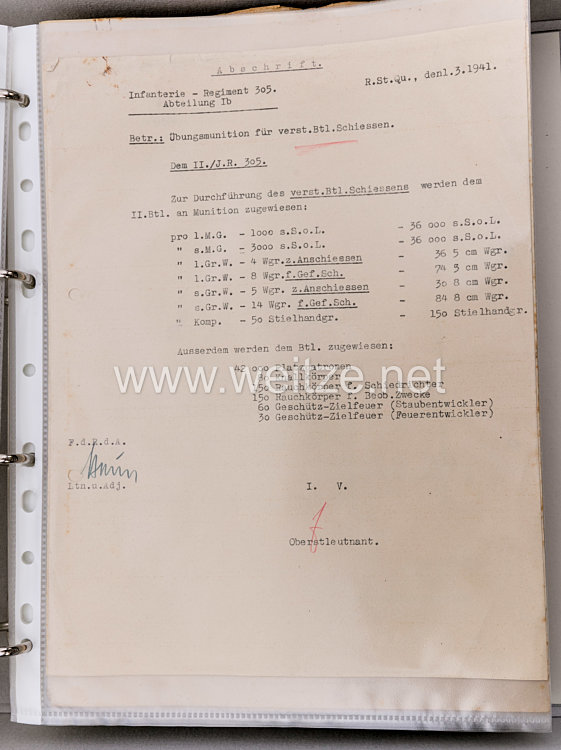
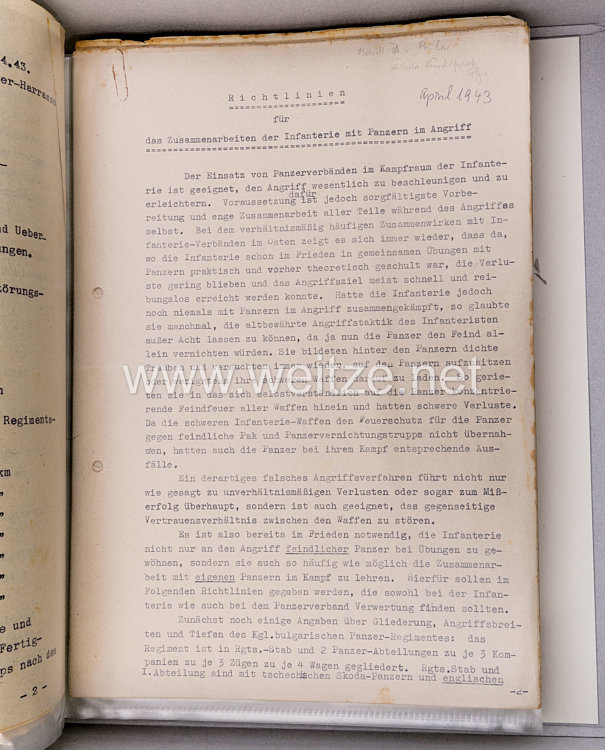
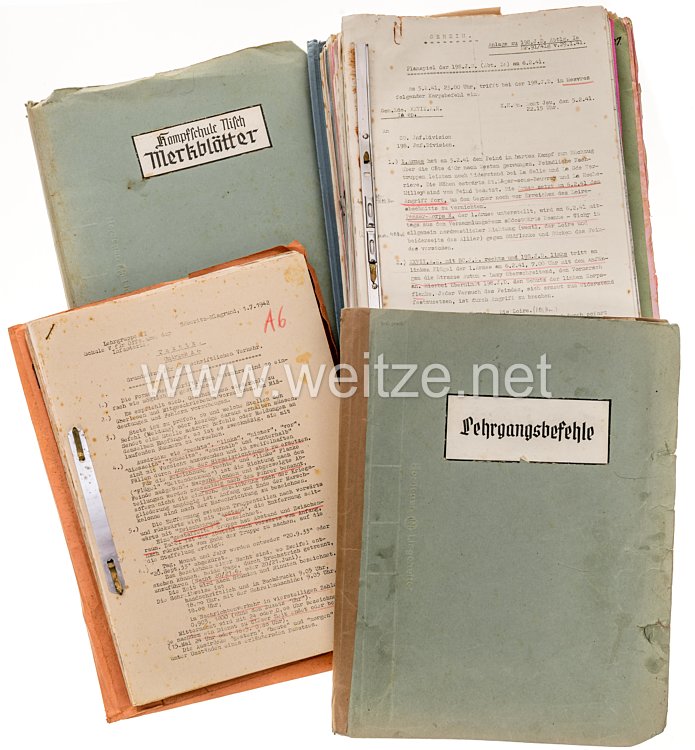
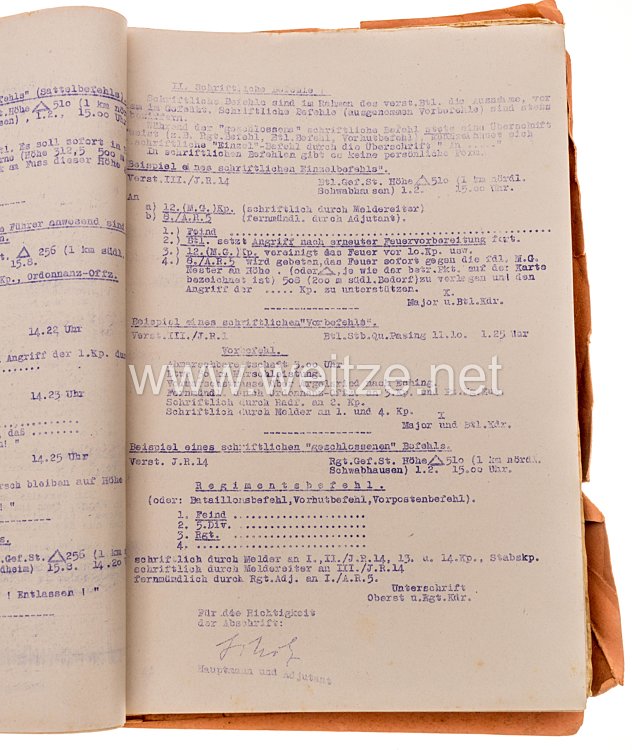
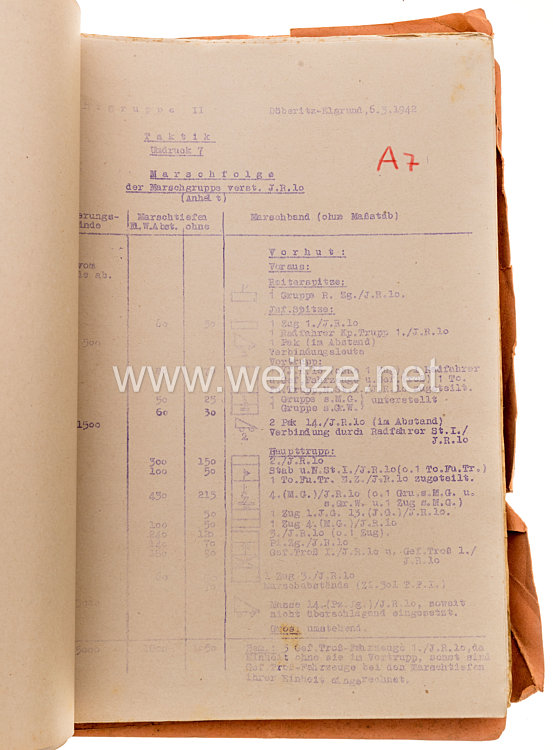
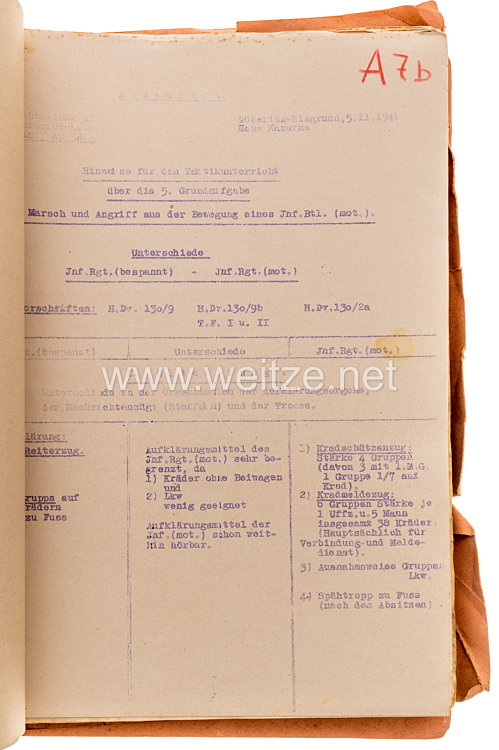
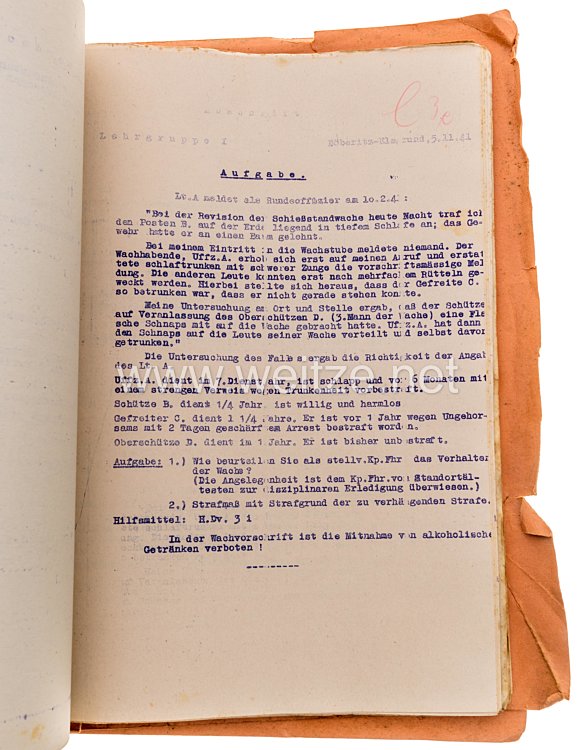
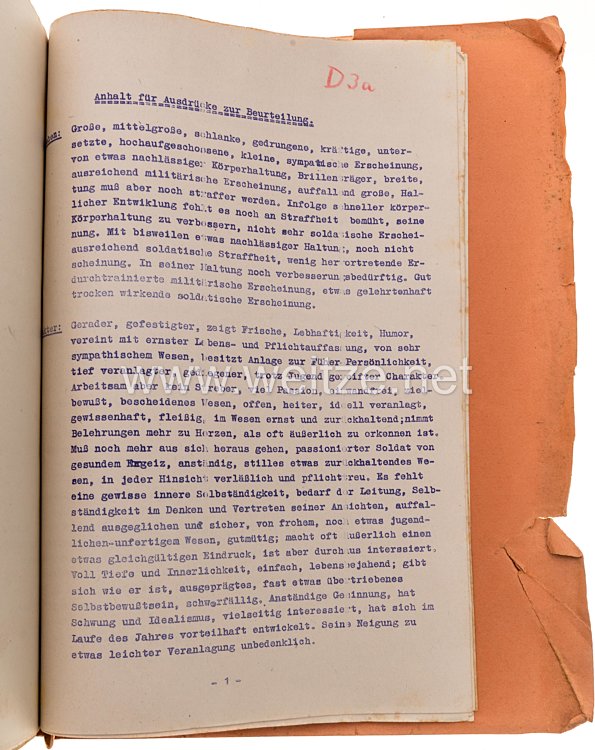
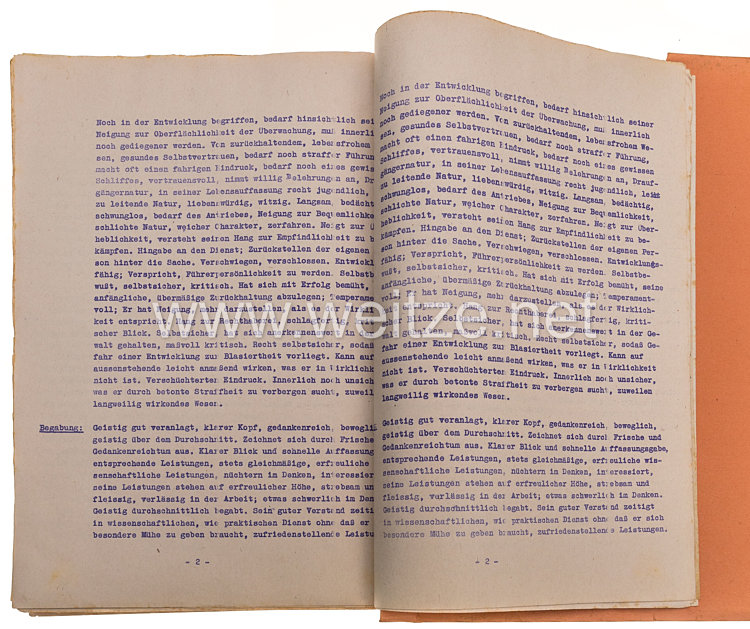
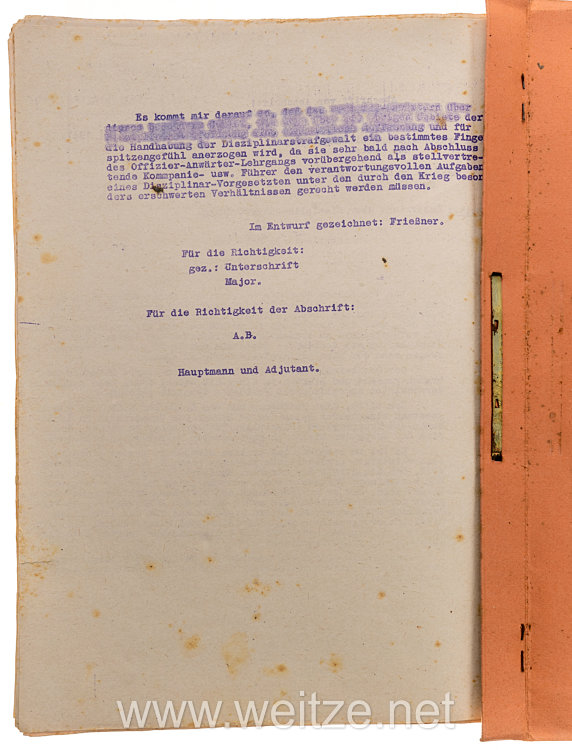
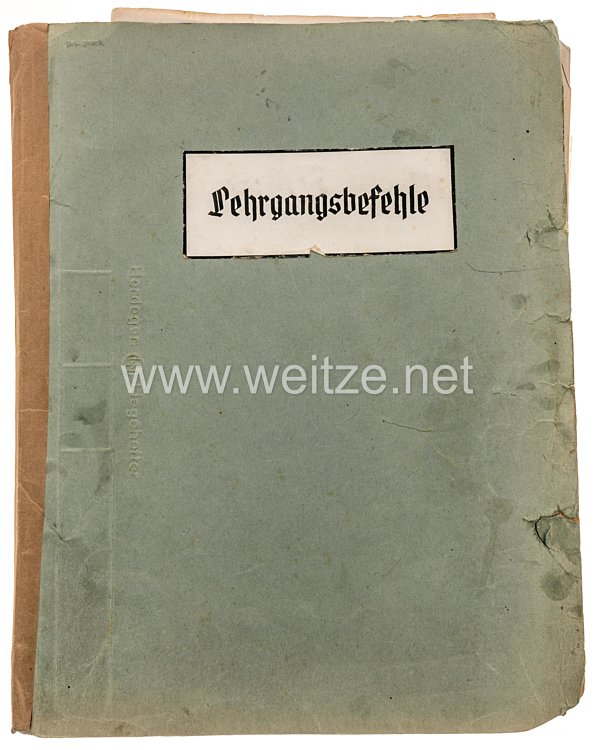
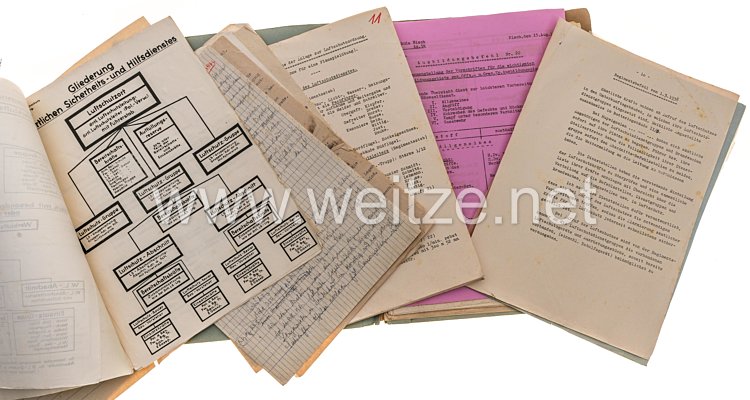
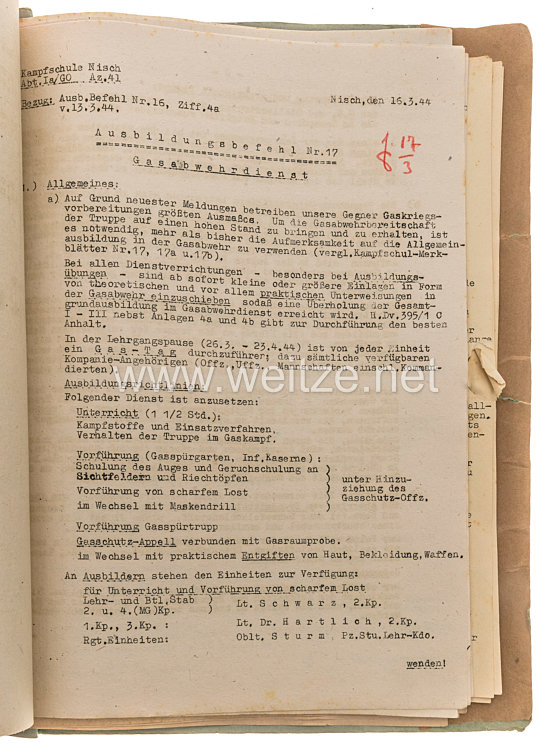
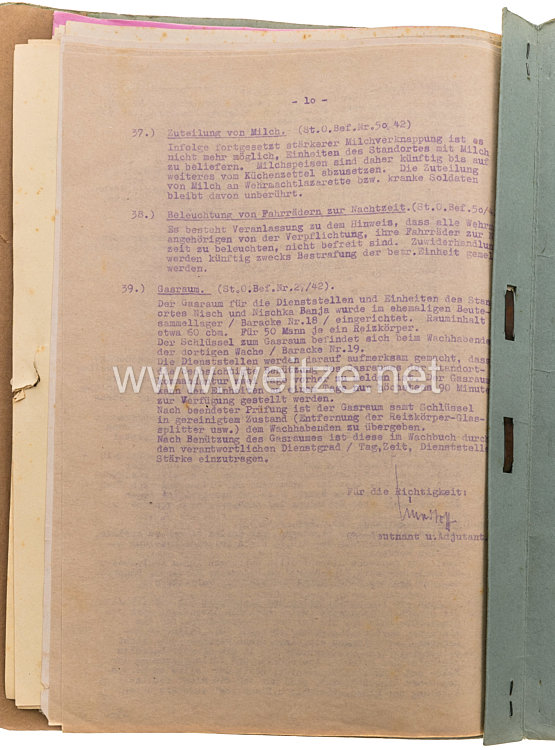
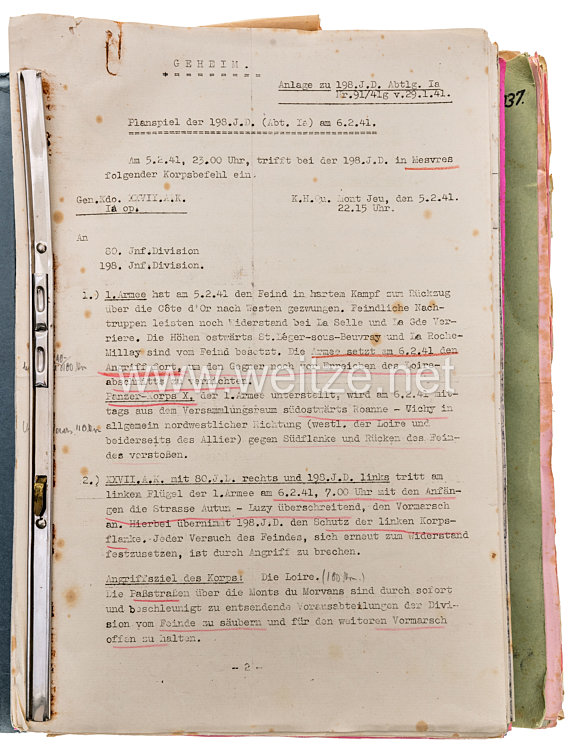
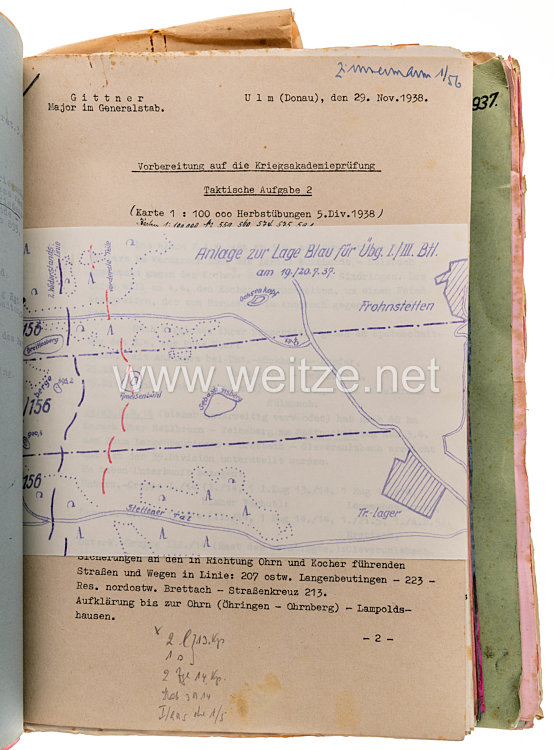
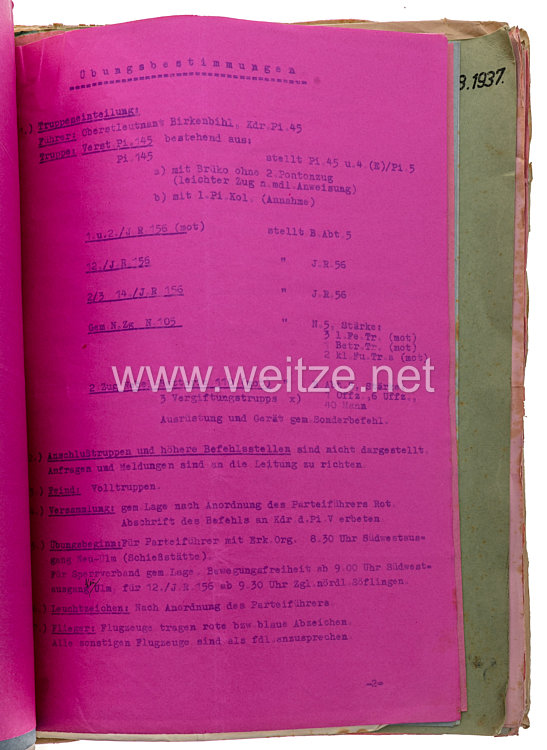
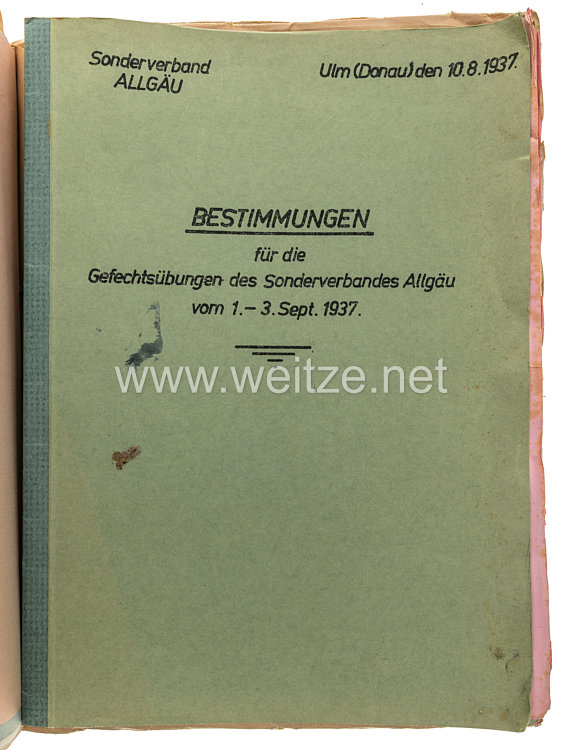
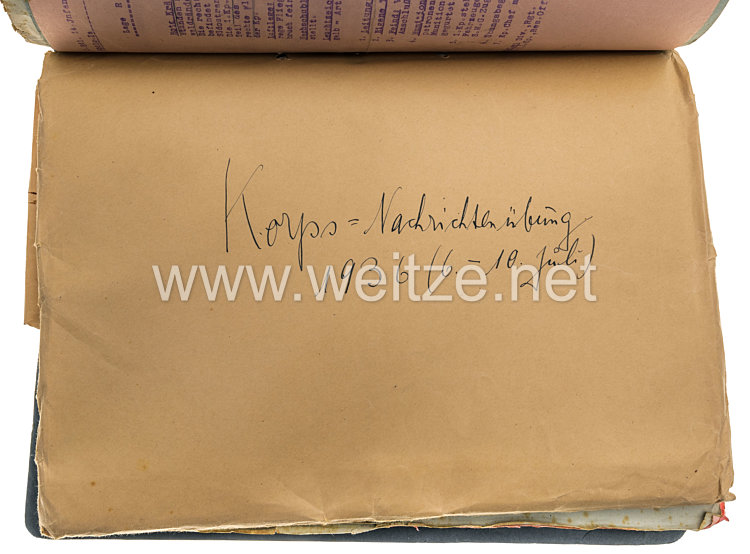
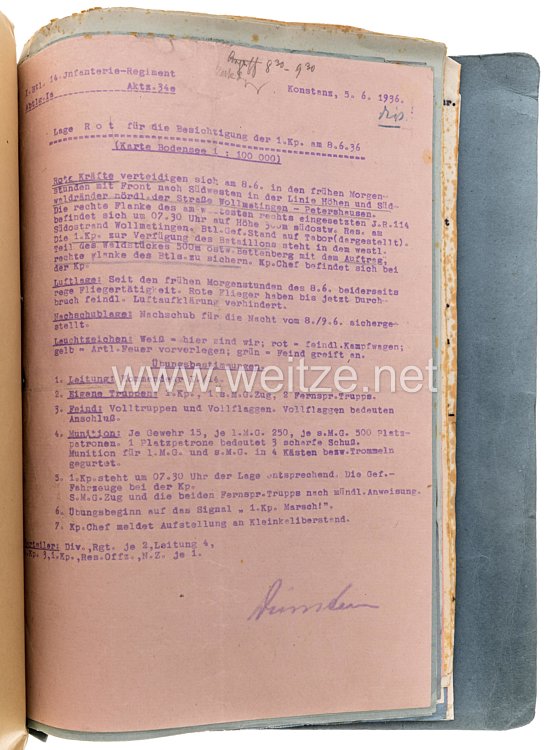
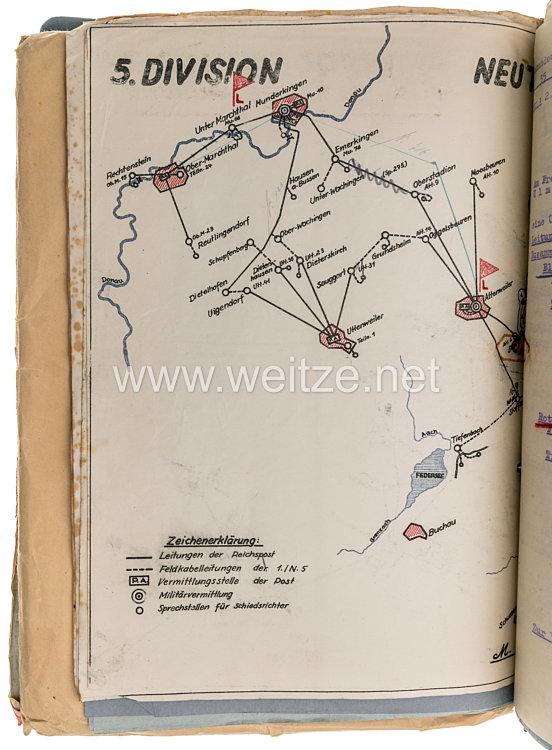
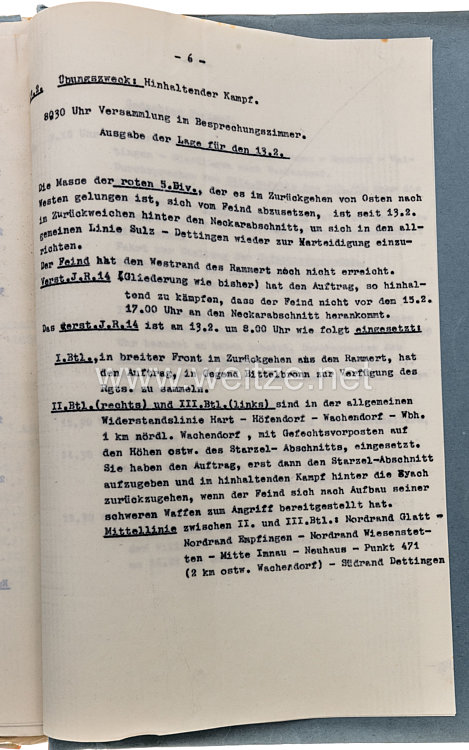
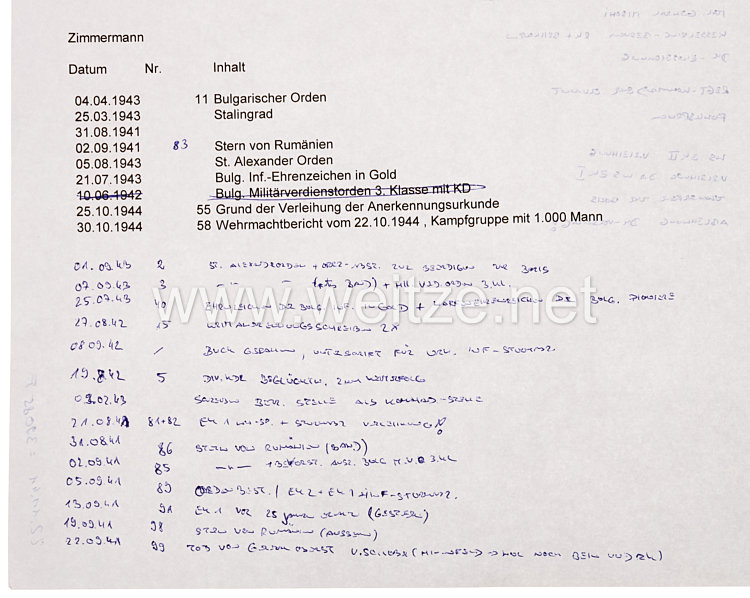
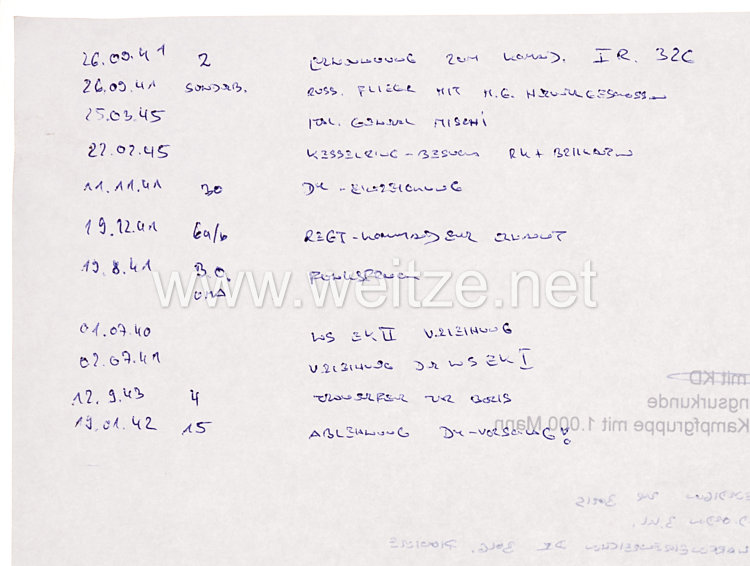
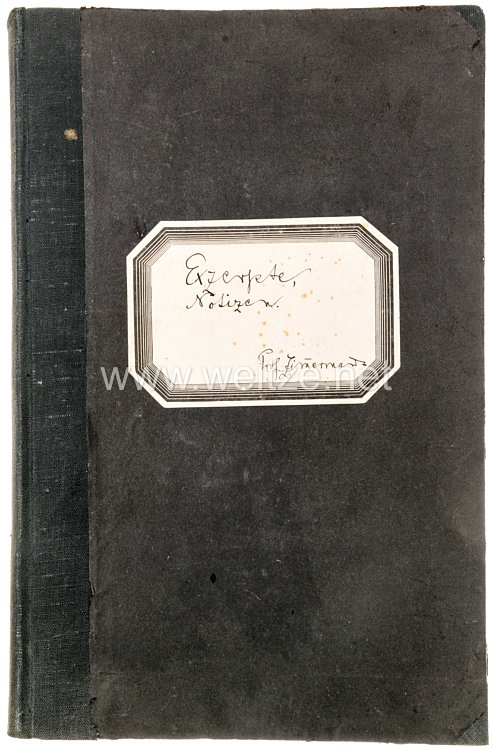
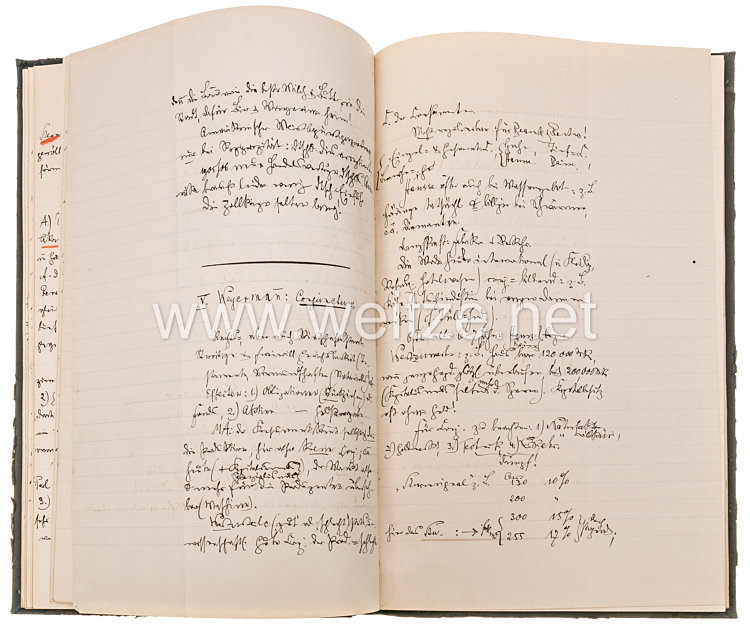
- Aktenordner gefüllt mit Militärischen Schulungs- und Lehrgangsunterlagen von 1935 – 1943
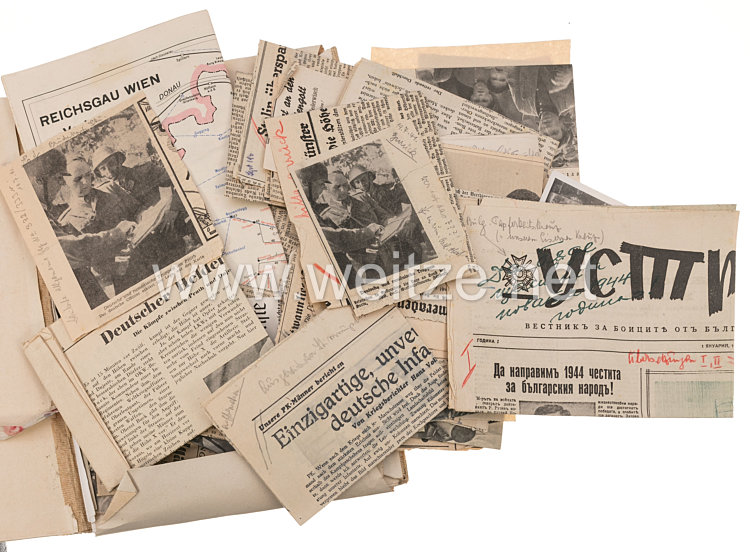
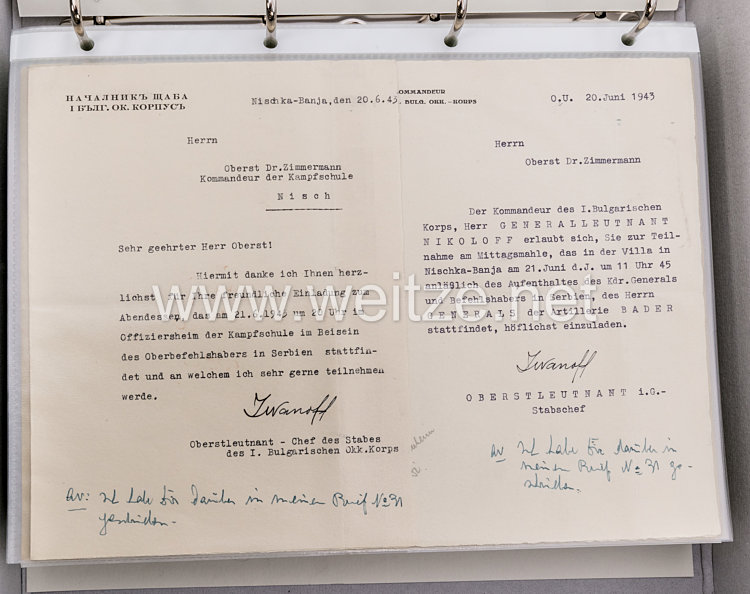
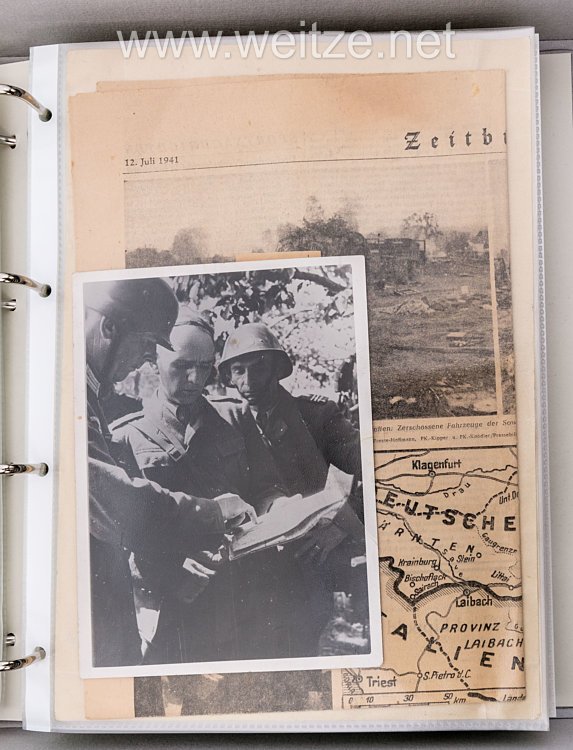
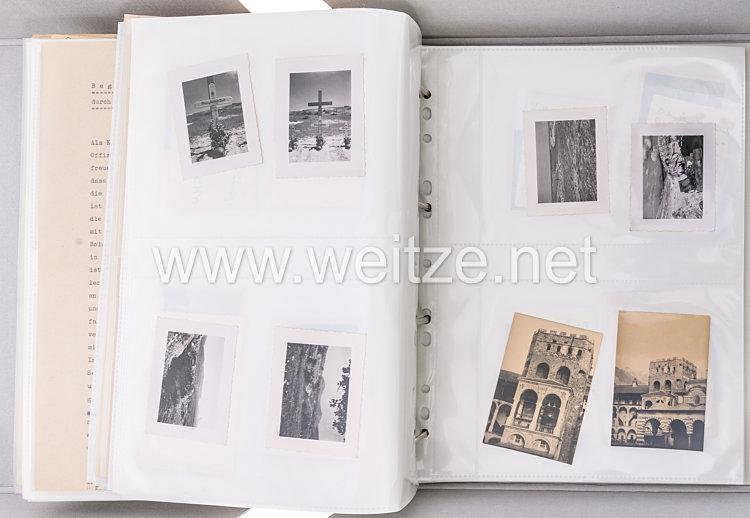
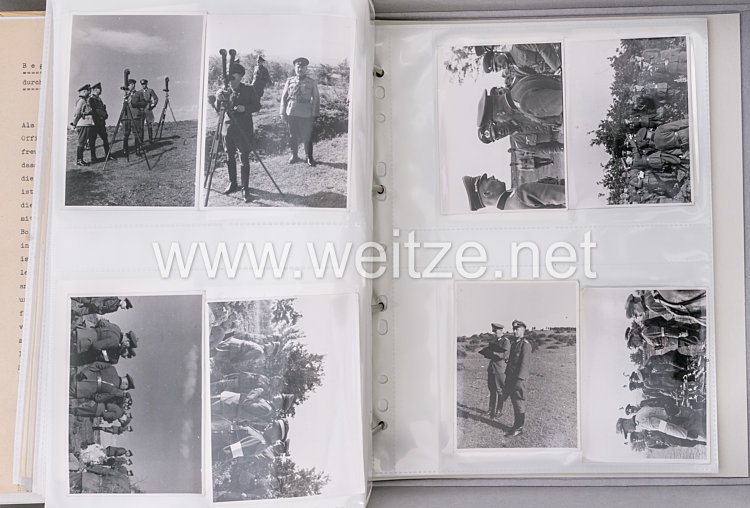
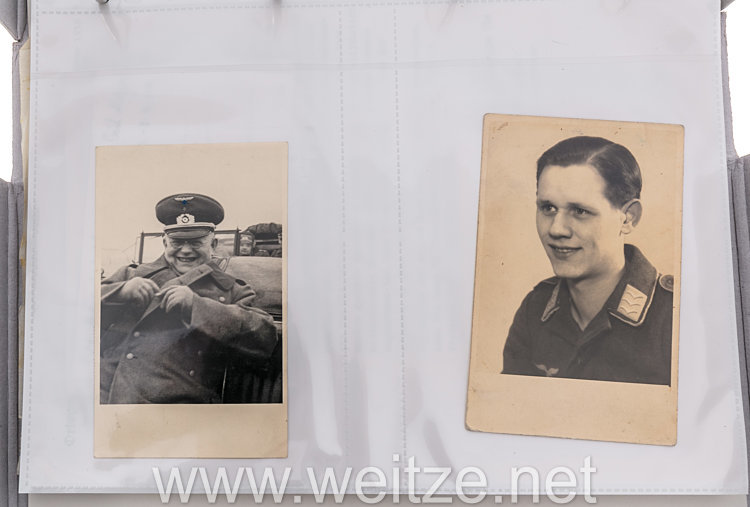
- Aktenordner gefüllt mit Briefen und Fotos von 1941 – 1944 meist von den rumänischen und bulgarischen Verbündeten und Staatsoberhäuptern in Bezug seiner Tätigkeit in der Ausbildung der Infanterie
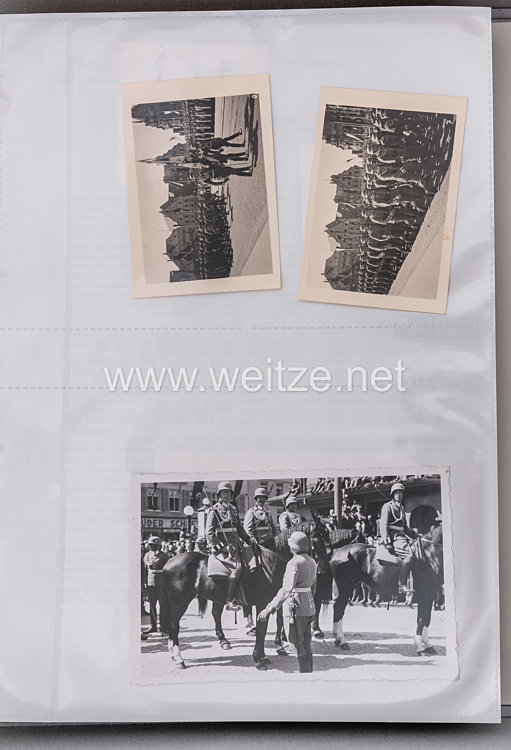
- Vereidigung des Inf.Ers.Btl.56 am 1.9.1939 mit Fotos dazu und Rundschreiben als neuer Kommandeur
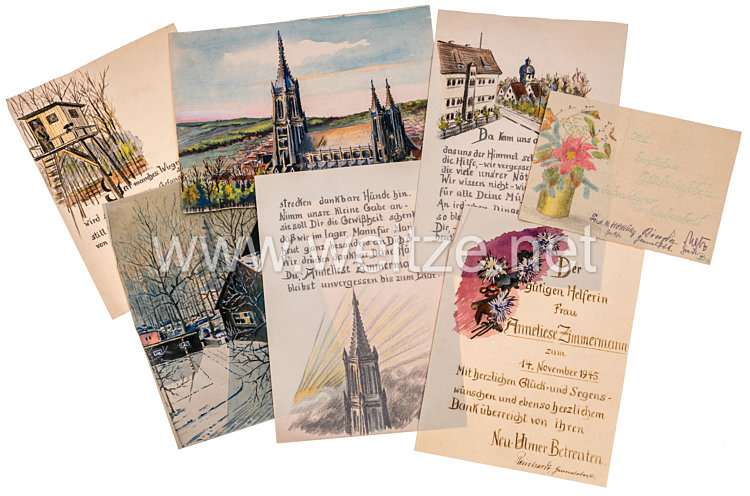
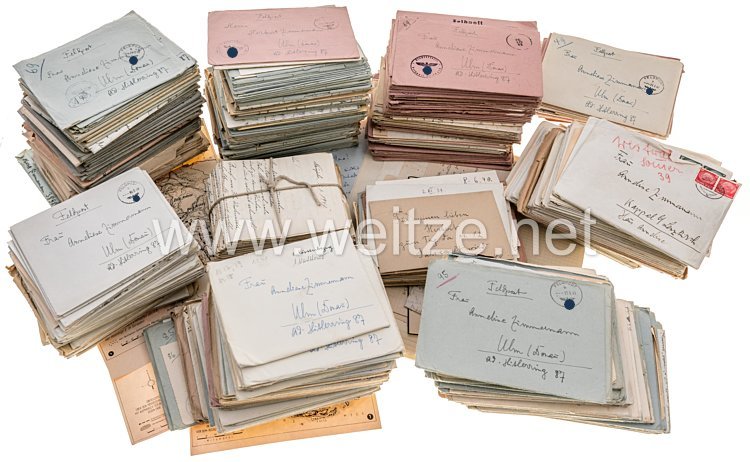
- Kiste mit diverser Feldpost
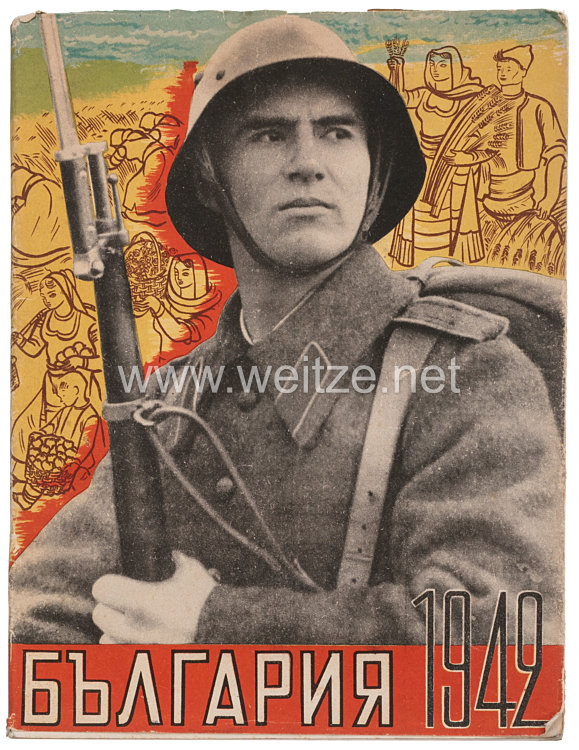
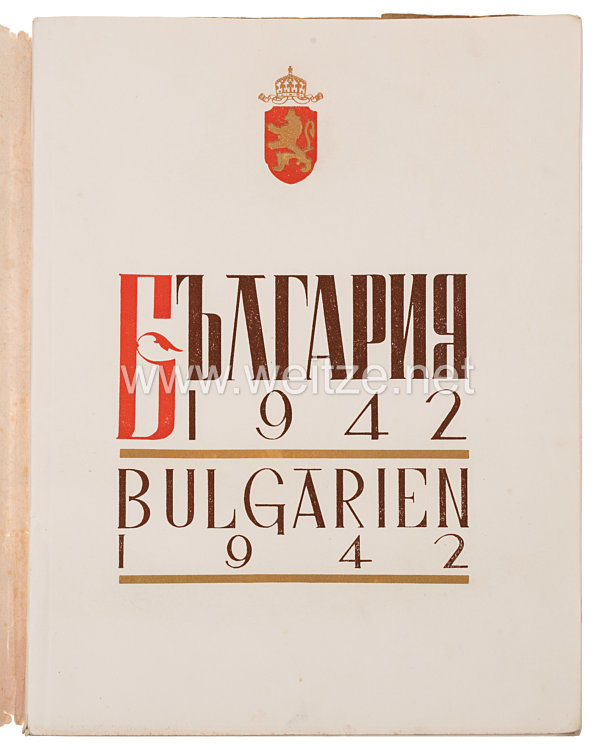
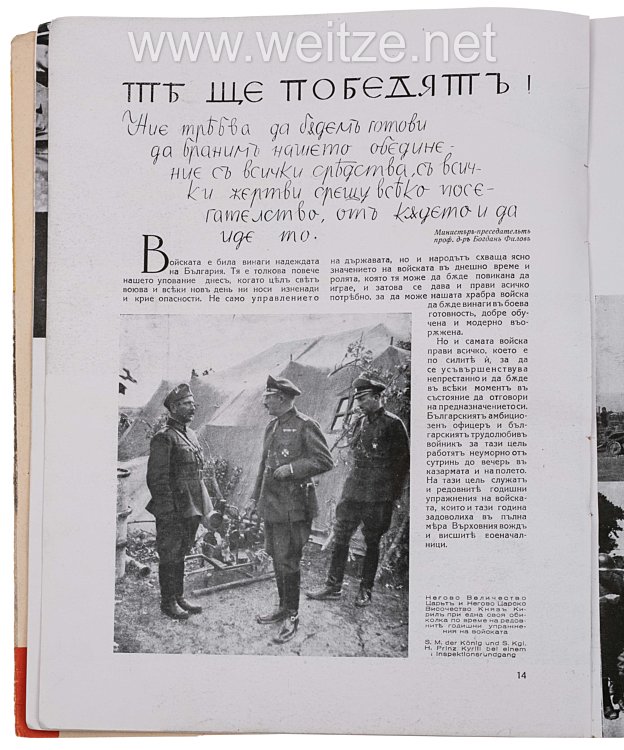
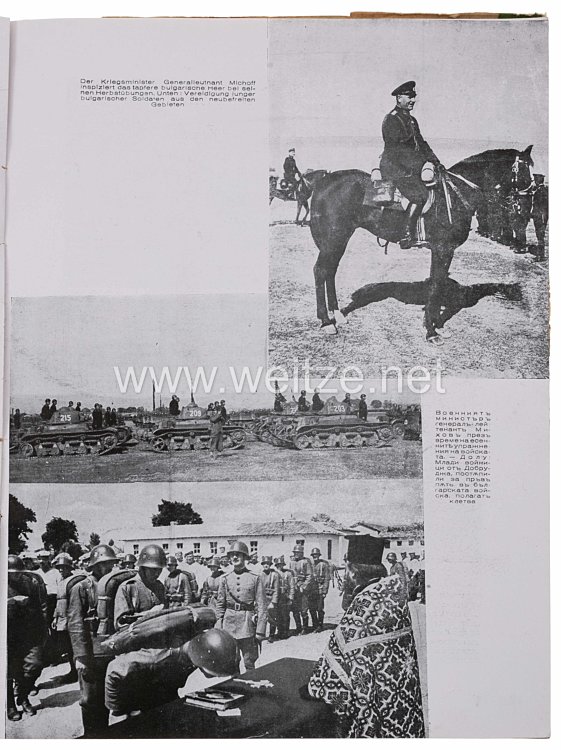
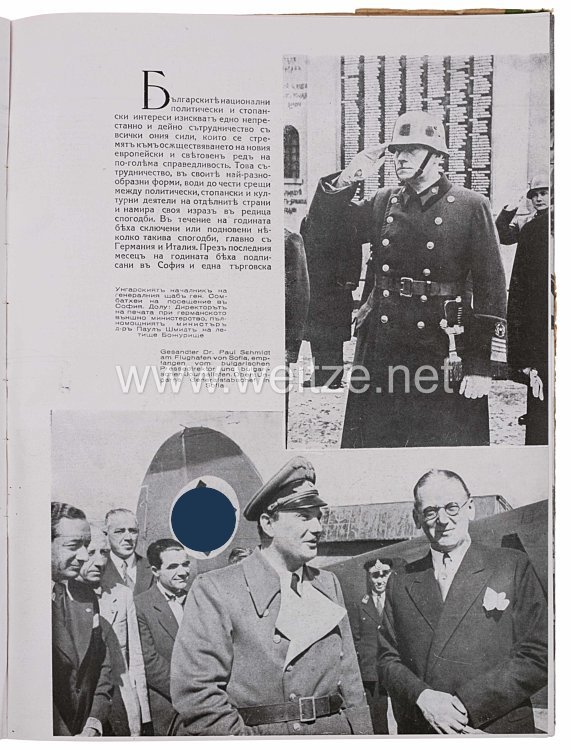
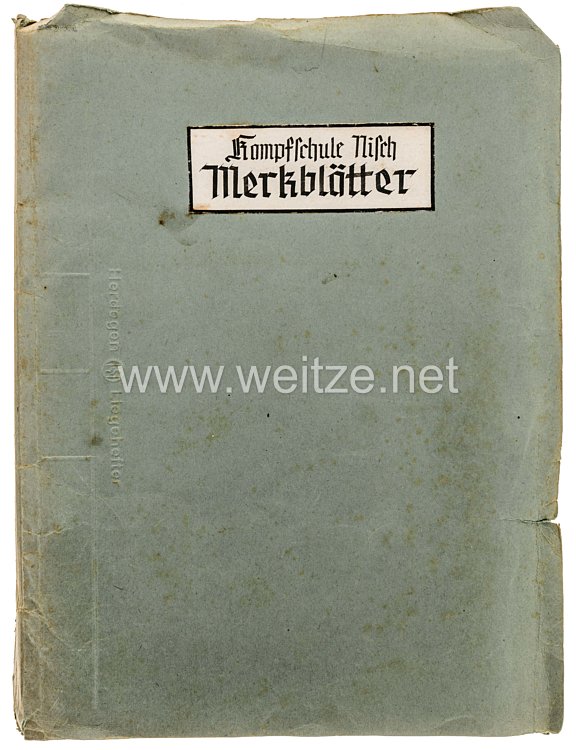
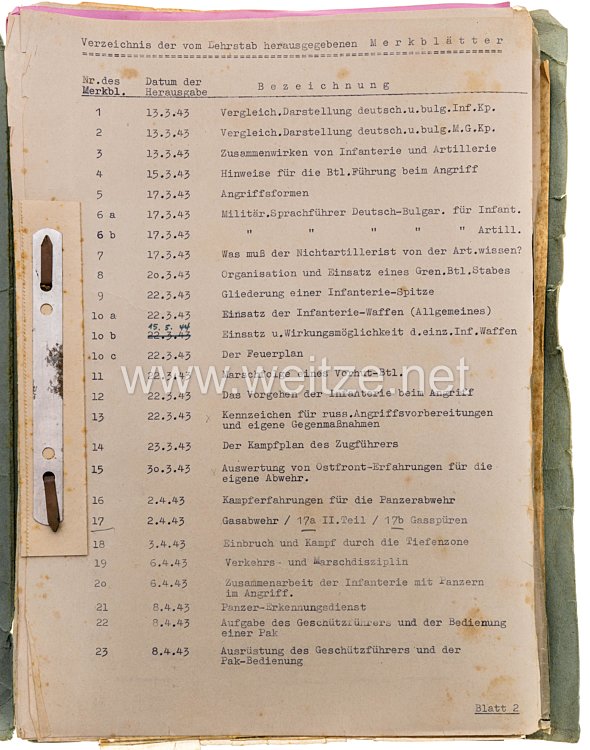
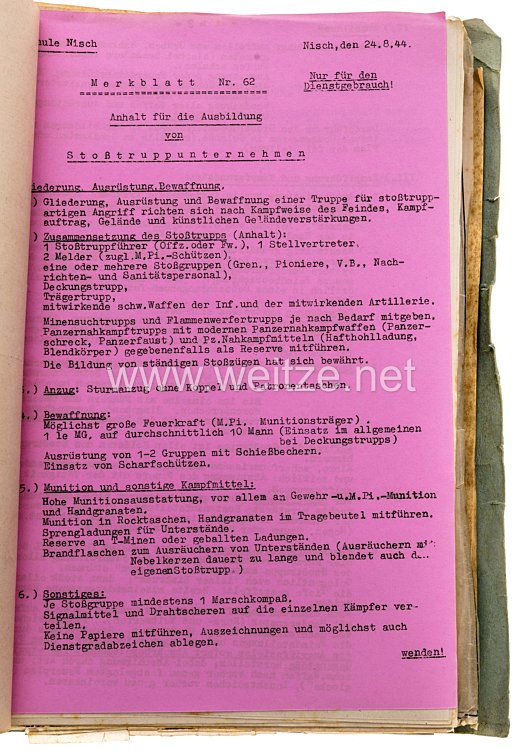
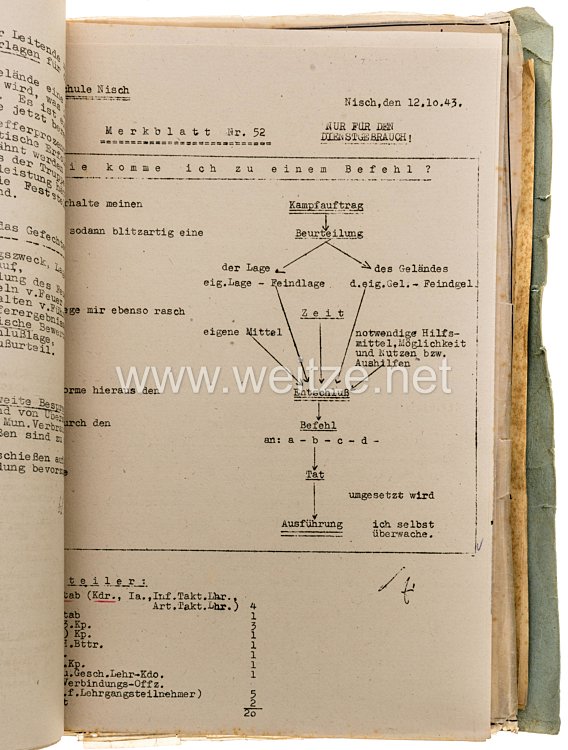
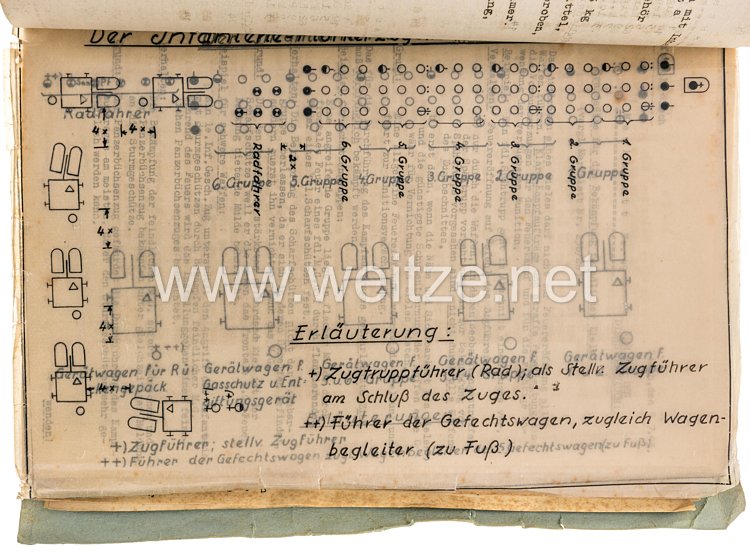
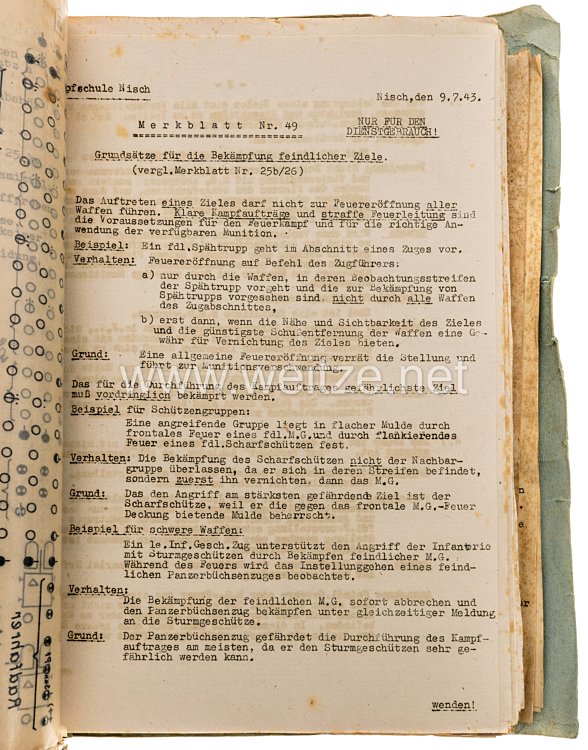
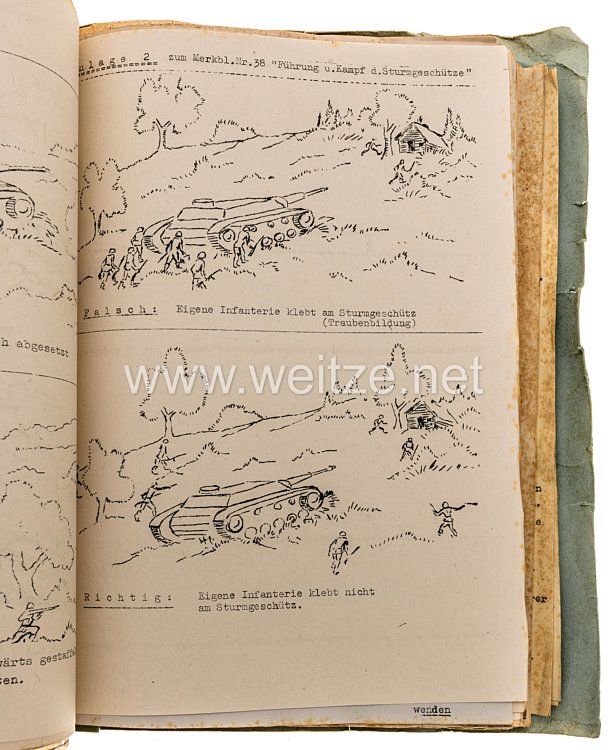
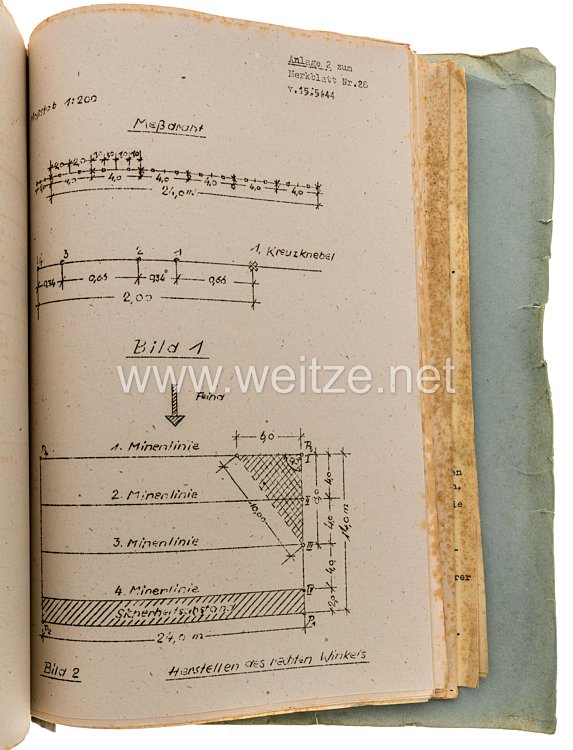
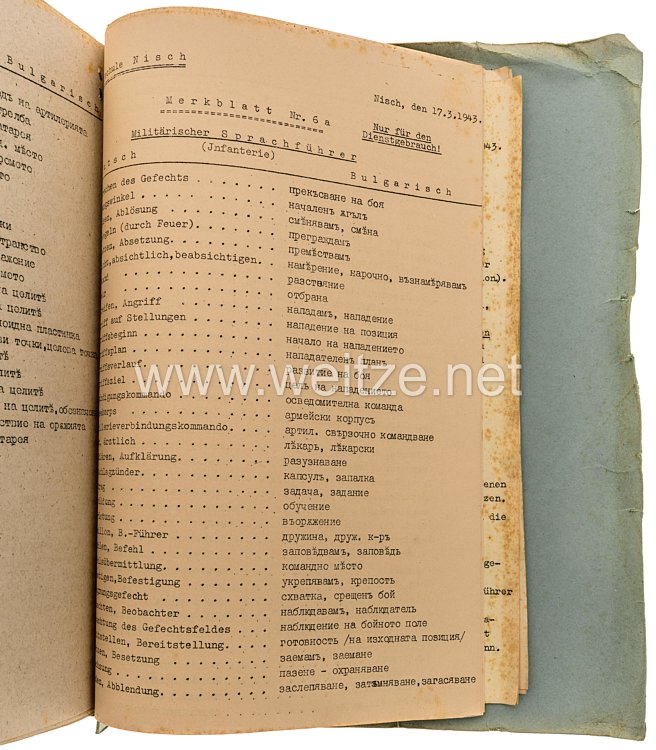
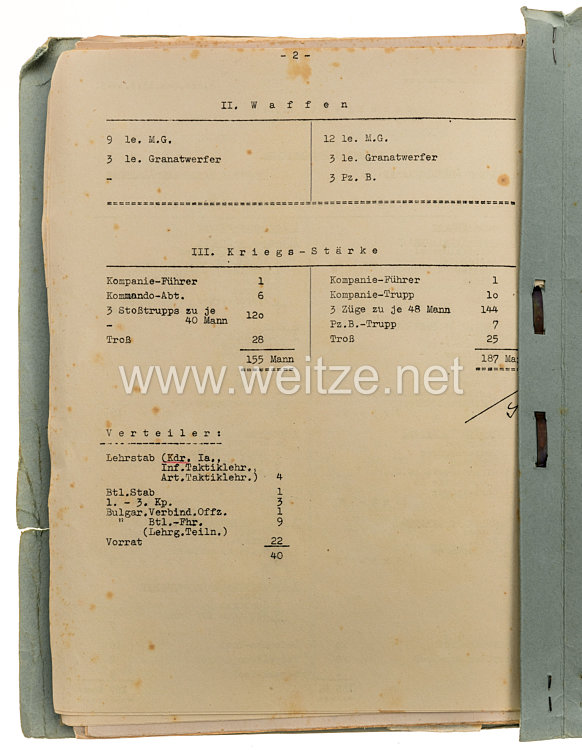
- Merkblätter über die Kampfschule Nisch
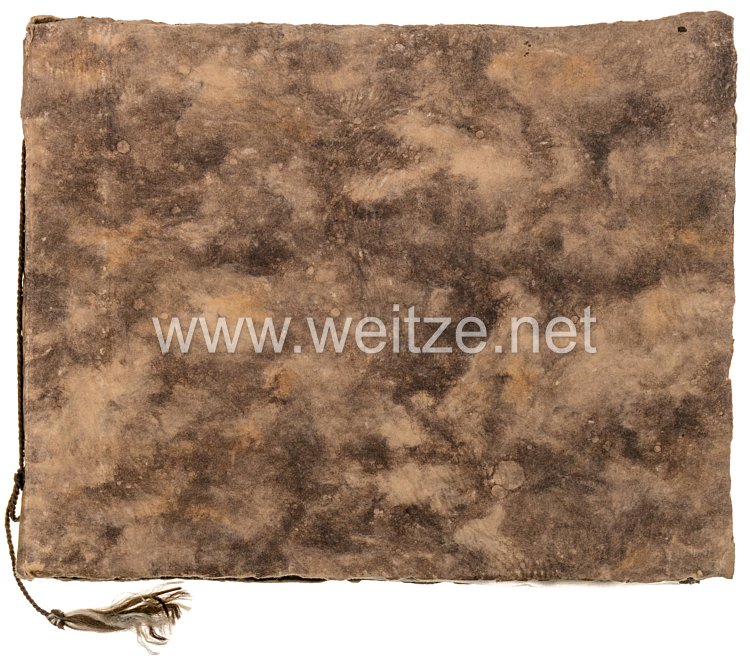
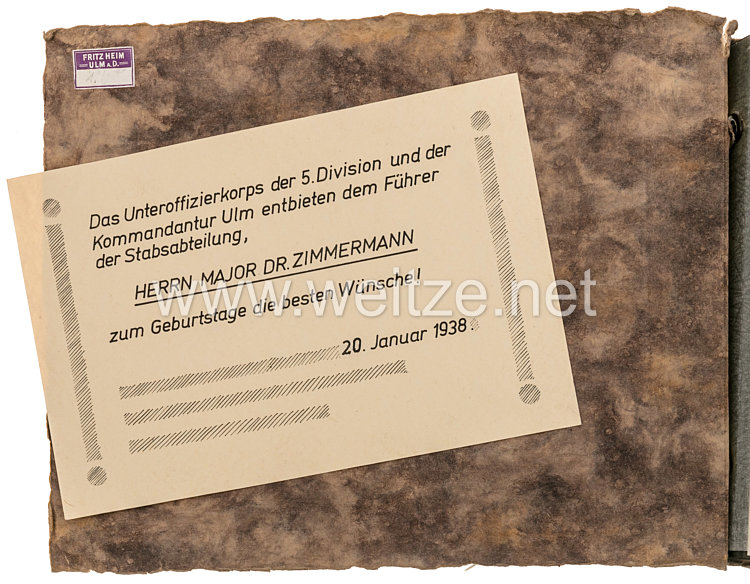
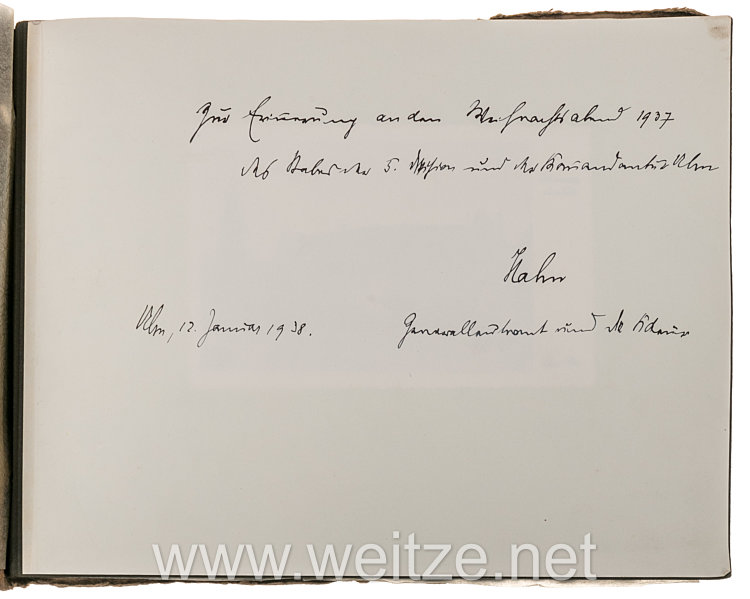
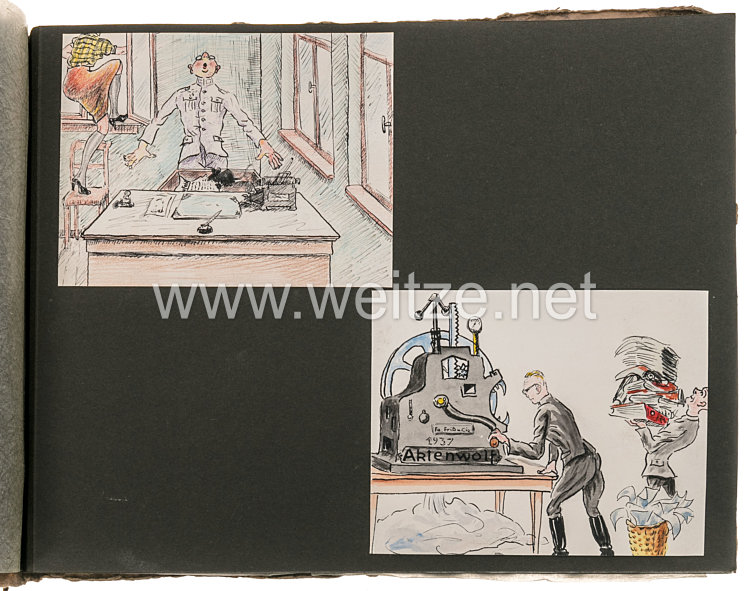
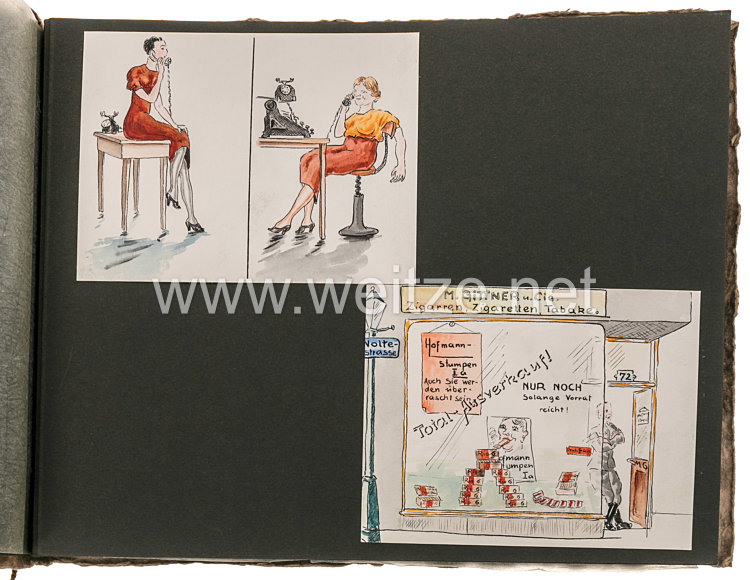
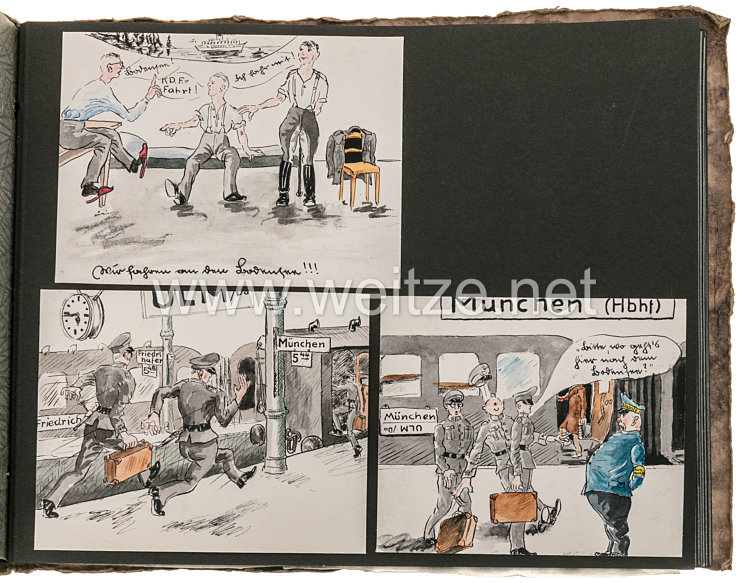
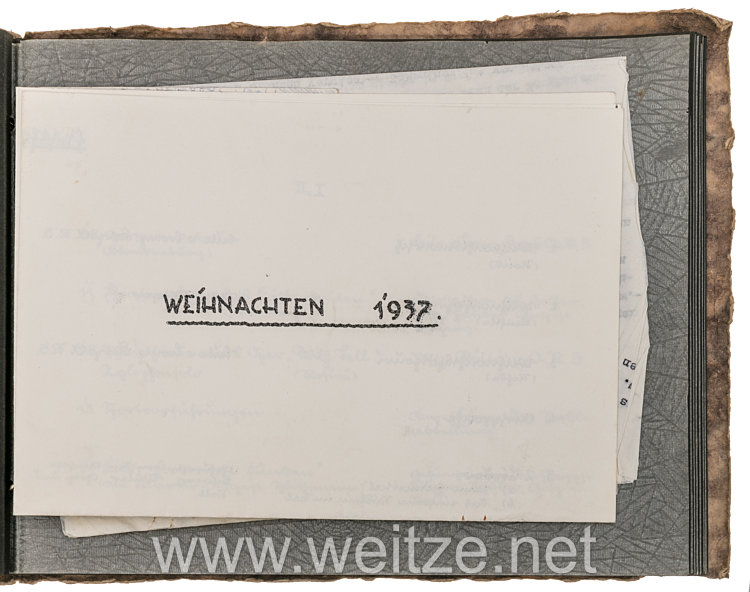
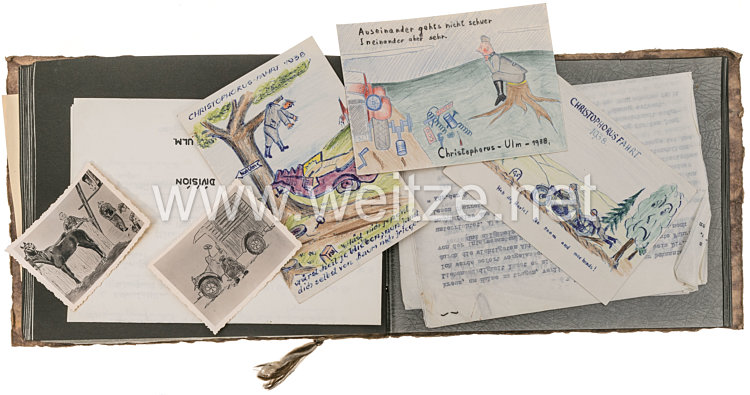
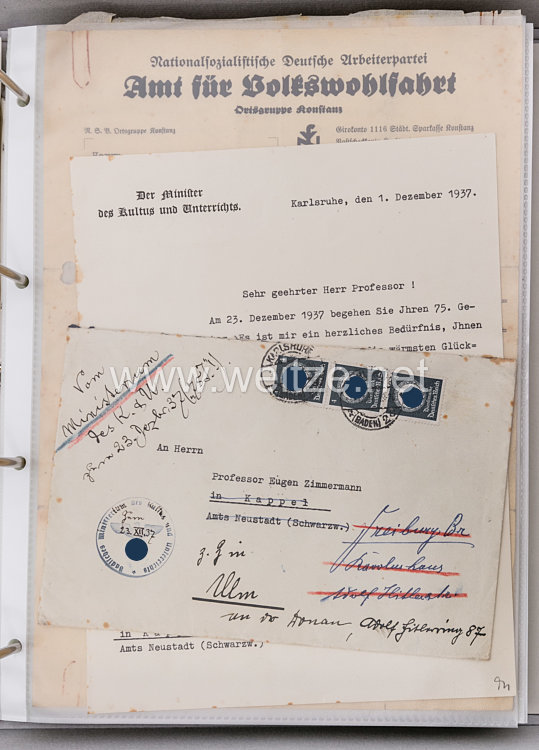
- Fotoalbum mit Karikaturen zur Erinnerung an den Weihnachtsabend 1937
Weitere Artikel von Oberst Dr. Lothar Zimmermann: 331093, 331375
Auszeichnungen:
Wehrmacht Dienstauszeichnung für 4 Jahre, als Einzelbandschnalle. Infanteriesturmabzeichen in Silber, späte Kriegsfertigung aus Feinzink. Deutsches Kreuz in Gold. Schwere Fertigung der Fa. Zimmermann, Pforzheim, innen auf der Nadel mit Hersteller "20" gestempelt, im frühen Verleihungsetui mit schwarzer Samteinlage und weißem Seidenfutter, im Deckel umlaufender goldener Streifen. Medaille Winterschlacht im Osten, am Band. Krimschild, auf feldgrauer Tuchunterlage. Orden vom Stern Rumäniens Kreuz VI. Klasse mit Schwertern. Bulgarien Militärverdienstorden Halskreuz 3. Klasse mit Kriegsdekoration, am Halsband (verliehen 10.6.1942). Infanteristisches Ehrenzeichen der Bulgarischen Infanterie in Silber (verliehen am 2.4.1943). Ehrenzeichen der Bulgarischen Nachrichten- und Pioniereinheiten (verliehen am 15.7.1943). Bulgarien Alexanderorden Komturkreuz mit Kriegsdekoration., Halskreuz am langen Band. Infanteristisches Ehrenzeichen der Bulgarischen Infanterie in Gold (verliehen am 19.7.1943).
Schulterstücke:
2 Einzel Schulterstücke als Oberst Infanterie Regiment 56.
Erkennungsmarke :
Aus Aluminium, mit Markierung "Bb.5. 4". Zustand.
Dokumente und Urkunden :
- Vorläufiges Besitzzeugnis für das Deutsche Kreuz in Gold, als Oberst und Kommandeur des I.R.420, ausgestellt im OKH am 26.8.1942 durch Generalfeldmarschall Keitel
- Besitzzeugnis für das Infanterie-Sturmabzeichen in Silber, ausgestellt am 20.8.1941
- Besitzzeugnis zum Krimschild, ausgestellt am 15.1.1943
- Verleihungsurkunde für das Ehrenkreuz für Frontkämpfer, ausgestellt am 7.2.1935
- Verleihungsurkunde für die Dienstauszeichnung 4. Klasse, als Hauptmann im Stab der 5. Division, ausgestellt am 2.10.1936
- Verleihungsurkunde für die Spange zum Eisernen Kreuz 2. Klasse, als Major und Kommandeur I./I.R.305, ausgestellt am 28.6.1940
- Verleihungsurkunde für die Spange zum Eisernen Kreuz 1. Klasse, als Oberstleutnant, ausgestellt am 30.6.1941, mit Begründung zur Verleihung
- Schreiben zur Verleihung der Ostmedaille vom 5.9.1942
- Vorschlagsliste für die Verleihung des Deutschen Kreuzes in Gold, datiert 8.11.1941
- Mehrere Abschriften zur Begründung der Verleihung - Große Verleihungsurkunde zum Deutschen Kreuz in Gold als Oberst, Kommandeur I.R. 420, ausgestellt Hauptquartier, den 26. August 1942, mit original Unterschrift "Keitel Generalfeldmarschall". Dazu der Einschreiben Übersendungsumschlag.
- Großformatige Beförderungsurkunde zum Major, ausgestellt am 30.9.1937 mit Originalunterschriften von "Adolf Hitler" und "von Brauchitsch" in der originalen Verleihungsmappe
- Besitzzeugnis für den Königlichen Bulgarischen Militärverdienstorden 3. Klasse mit Kriegsdekoration, verliehen am 10.6.1942, ausgestellt am 30.1.1943
- Großformatiges Besitzzeugnis für das Bulgarische Infanterie-Ehrenzeichen in Silber, mit Übersendungsschreiben und Briefumschlag vom 2.4.1943
- Verleihungsurkunde für das Ehrenzeichen der Bulgarischen Pionier- und Nachrichtentruppen, ausgestellt am 15.7.1943
- Großformatiges Besitzzeugnis für das Königlich Bulgarische Infanterie-Ehrenzeichen in Gold, mit Übersendungsschreiben vom 21.7.1943
- Aktenordner gefüllt mit Militärischen Schulungs- und Lehrgangsunterlagen von 1935 – 1943
- Aktenordner gefüllt mit Briefen und Fotos von 1941 – 1944 meist von den rumänischen und bulgarischen Verbündeten und Staatsoberhäuptern in Bezug seiner Tätigkeit in der Ausbildung der Infanterie
- Vereidigung des Inf.Ers.Btl.56 am 1.9.1939 mit Fotos dazu und Rundschreiben als neuer Kommandeur
- Kiste mit diverser Feldpost
- Merkblätter über die Kampfschule Nisch
- Fotoalbum mit Karikaturen zur Erinnerung an den Weihnachtsabend 1937
Weitere Artikel von Oberst Dr. Lothar Zimmermann: 331093, 331375