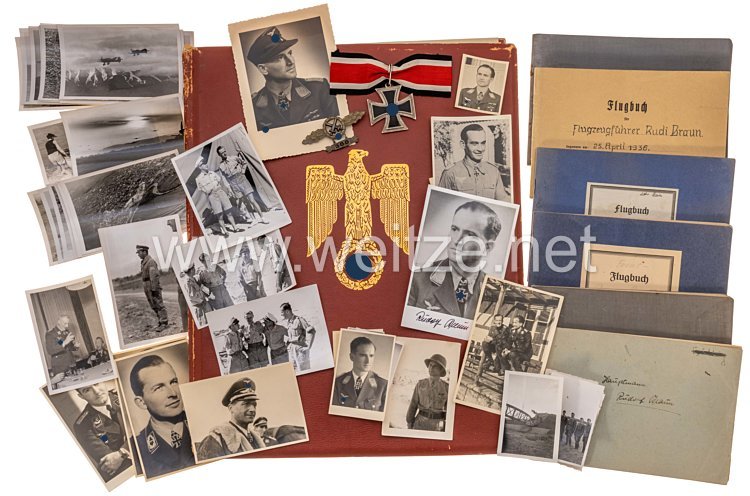
Luftwaffe Ordens- und Urkundennachlass aus dem Besitz des Ritterkreuzträgers Rudolf Braun, zuletzt Kommandeur I./Schlacht Geschwader 3
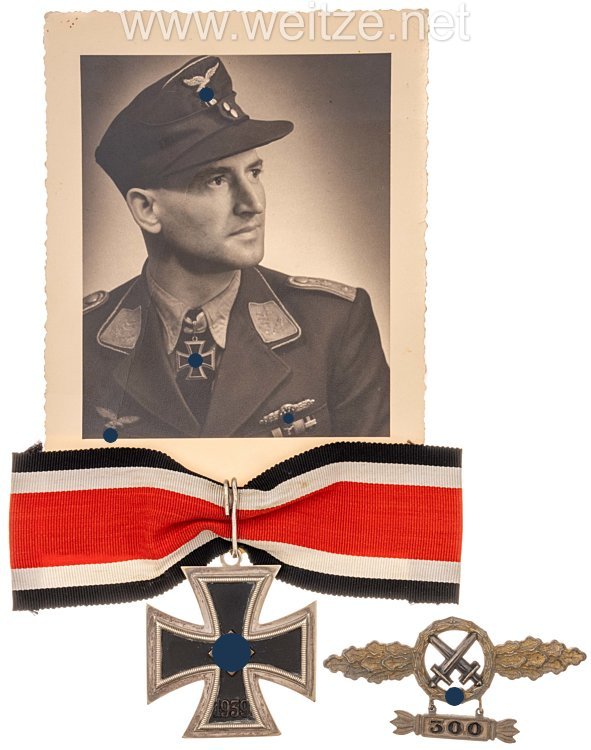
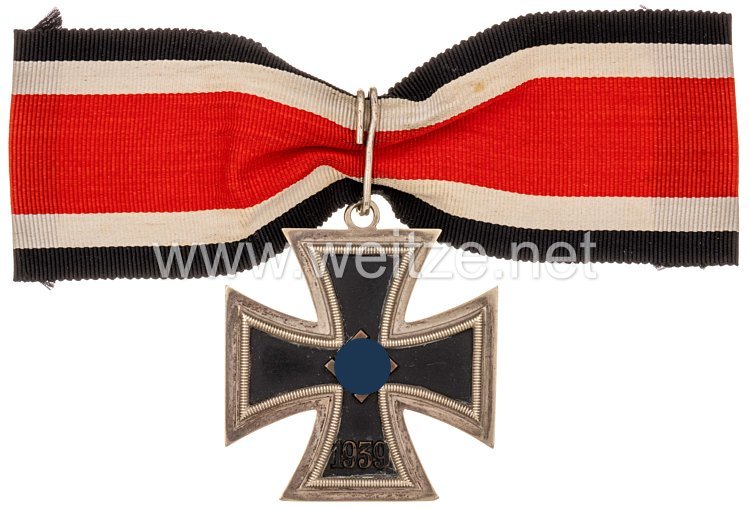
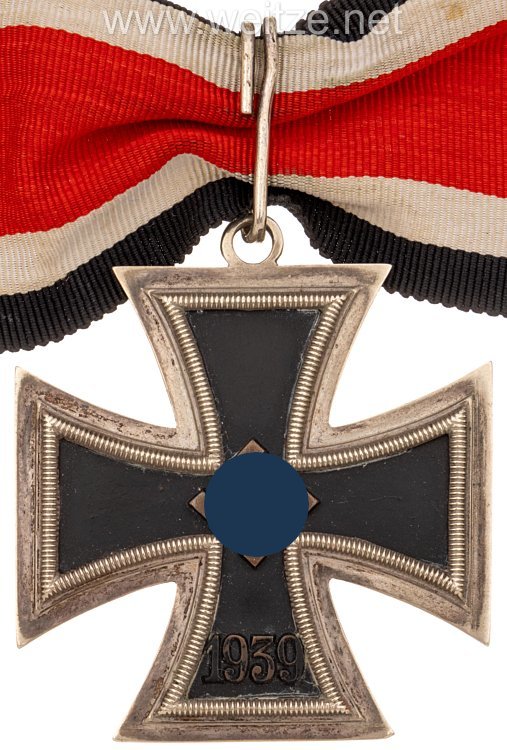
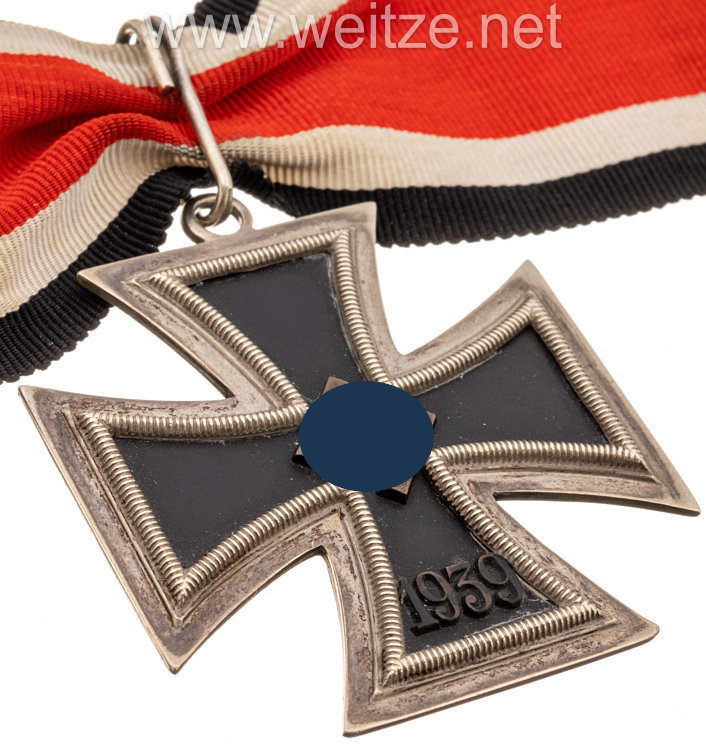
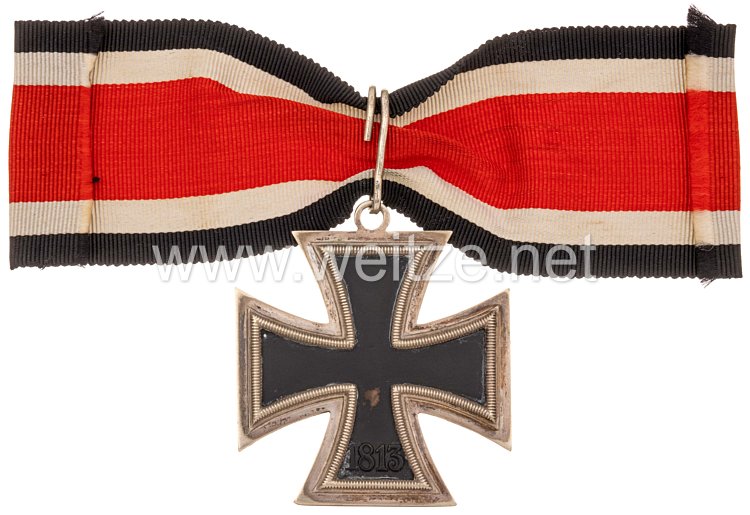
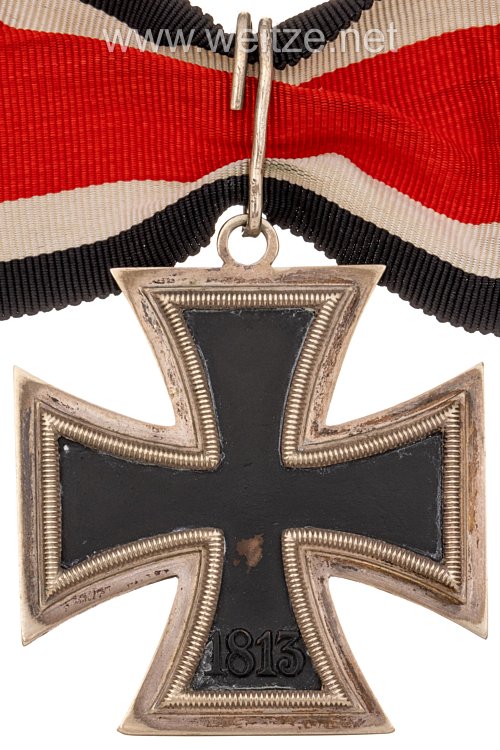
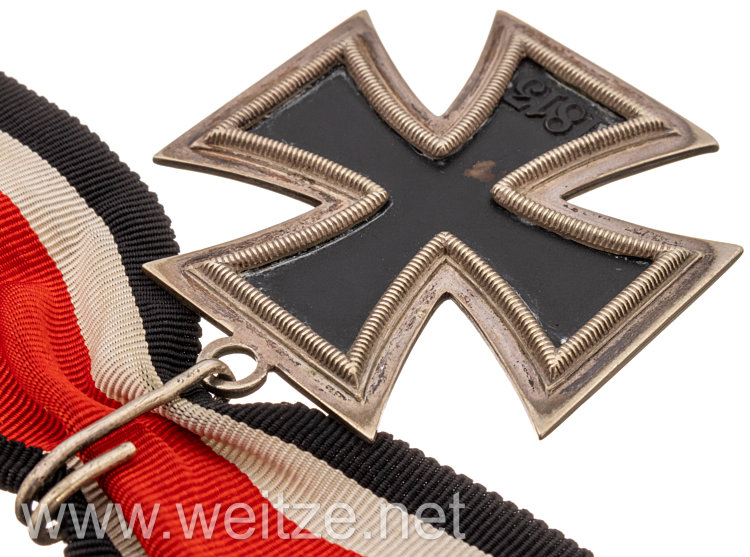
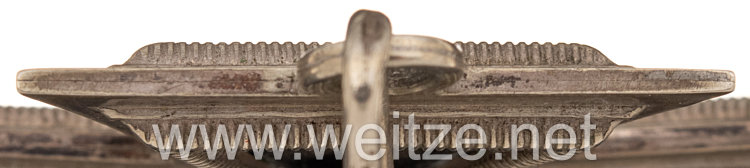
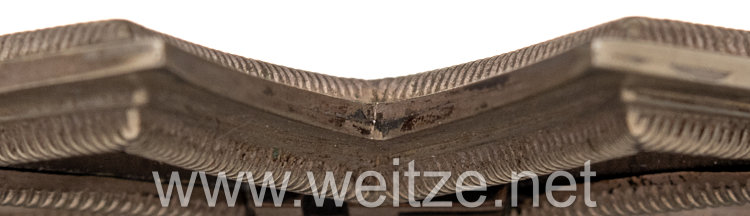
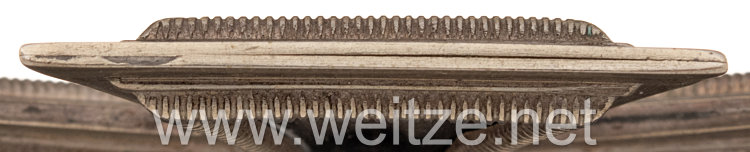
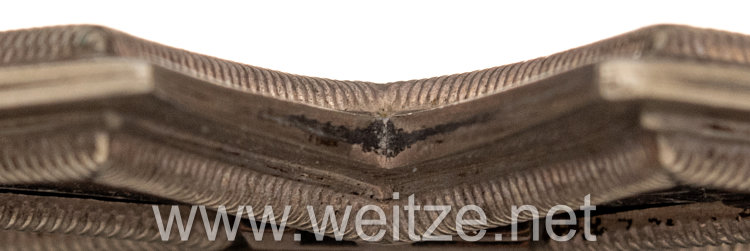
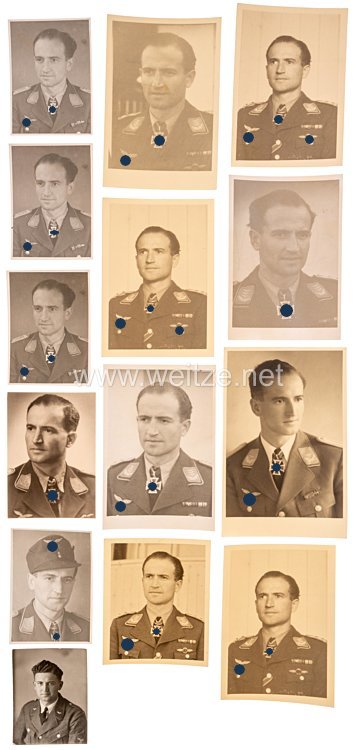
Ritterkreuz des Eisernen Kreuz 1939, eine typische Fertigung der Fa. Otto Schickle Pforzheim. Geschwärzter Eisenkern mit Neusilberzarge, Öse und Sprungring sind nicht markiert, am getragenen Halsbandabschnitt, eine der seltenen Fertigungen zwischen Mai 1940 und März 1941. Das Ritterkreuz ist getragen, die Schwärzung auf dem Hakenkreuz groß Großteil abgetragen. Dazu ein schönes Portraitfoto von Hauptmann Braun um 1943, auf dem man genau dieses Ritterkreuz erkennen kann.
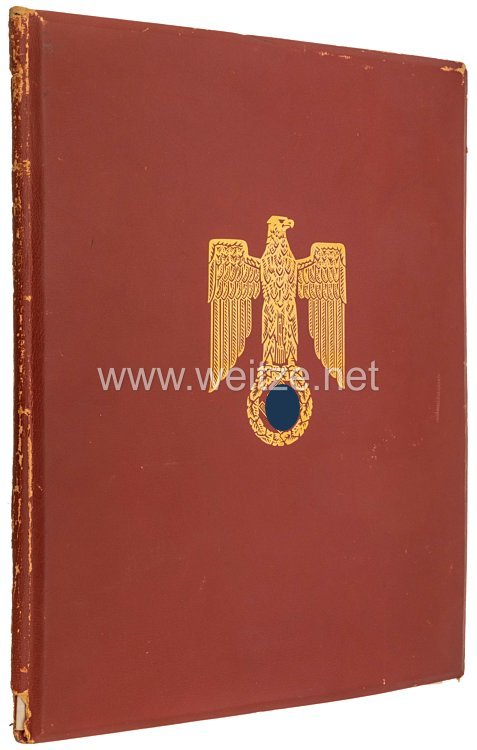
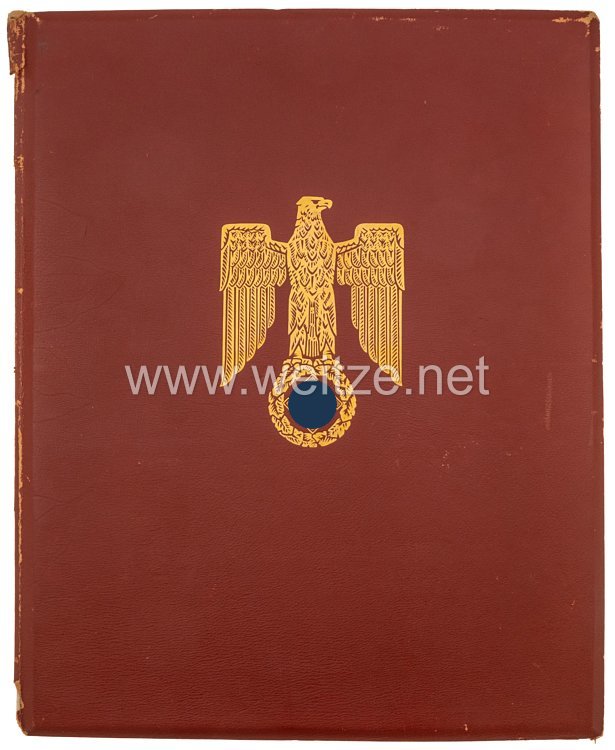
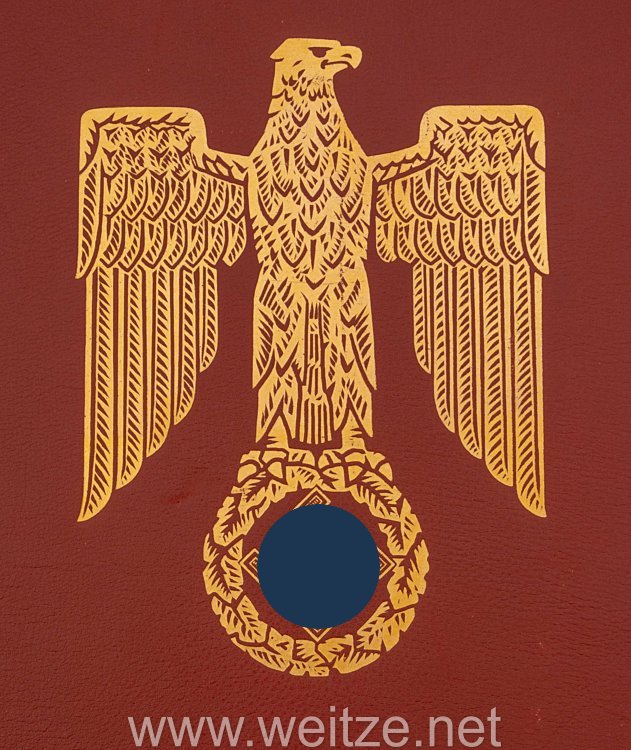
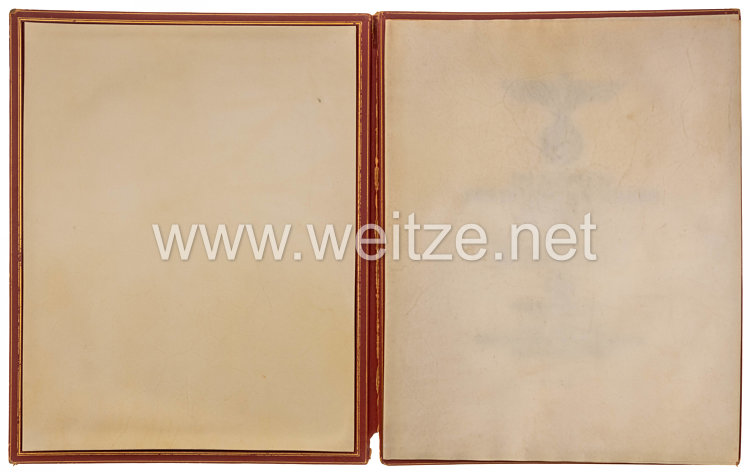
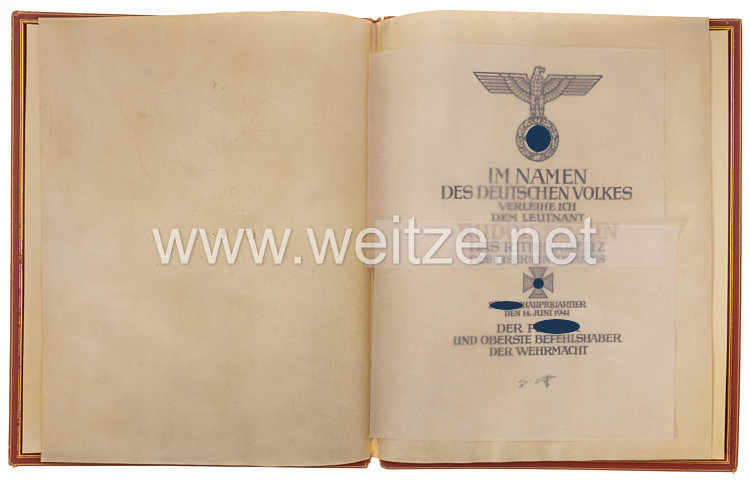
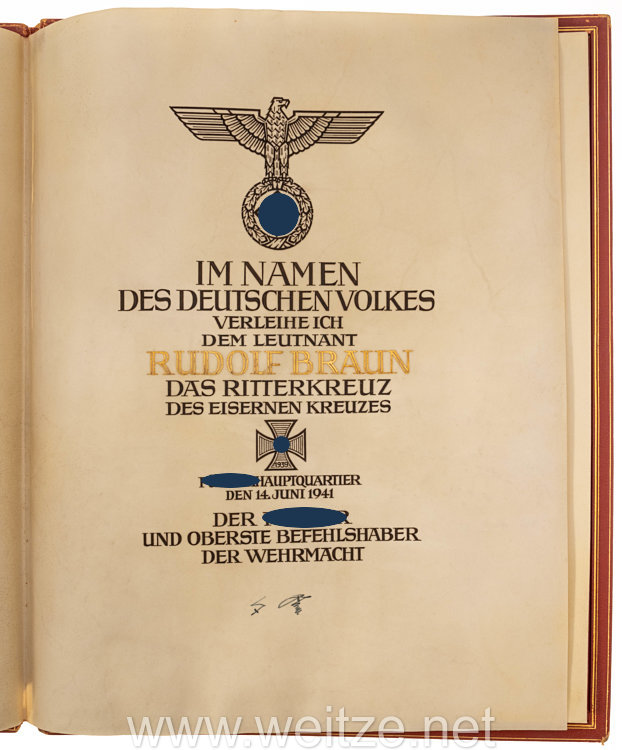
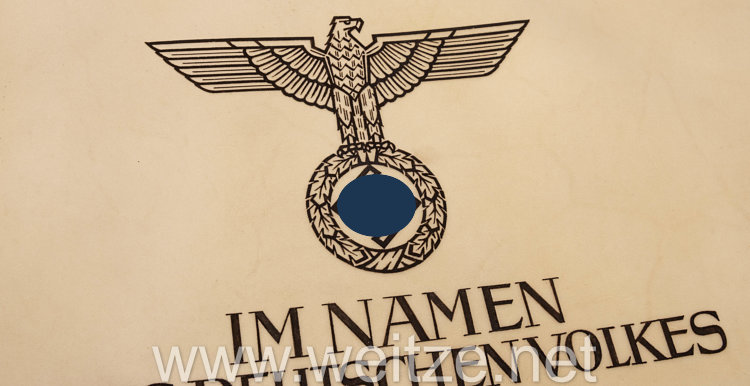
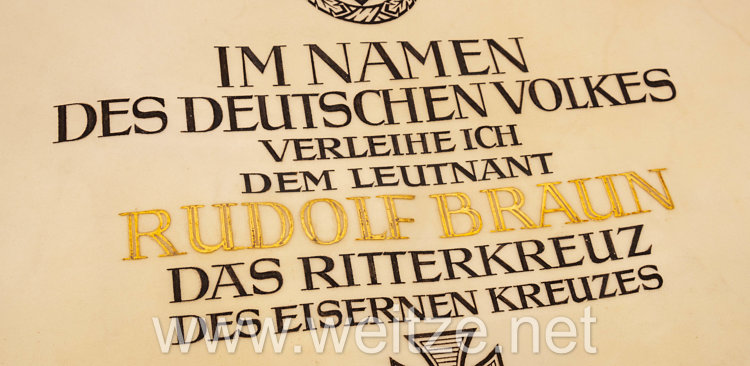
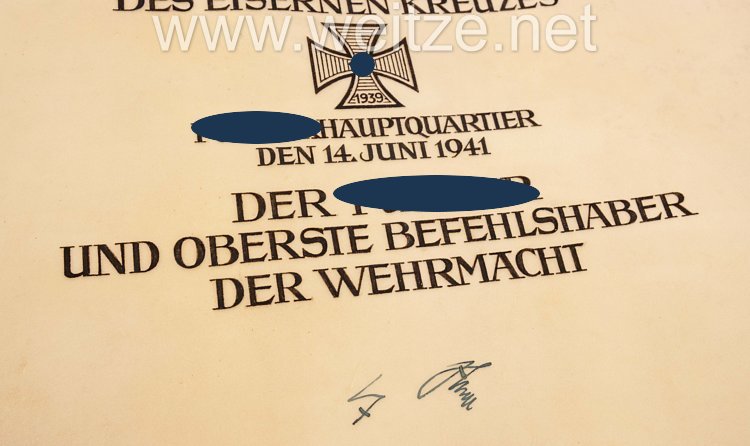
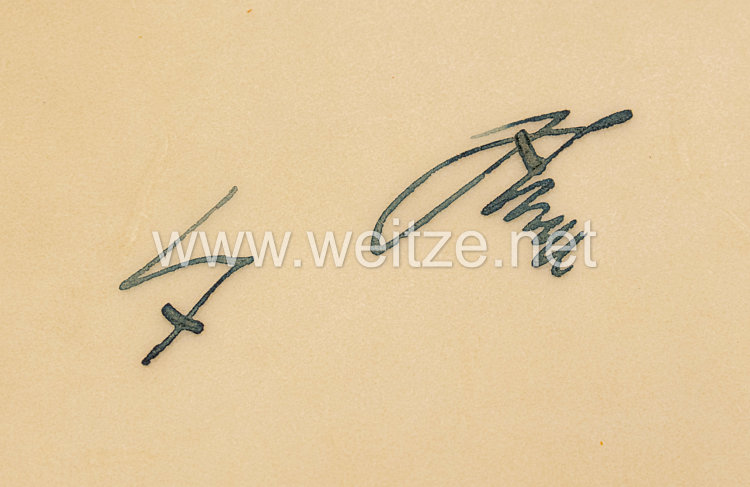
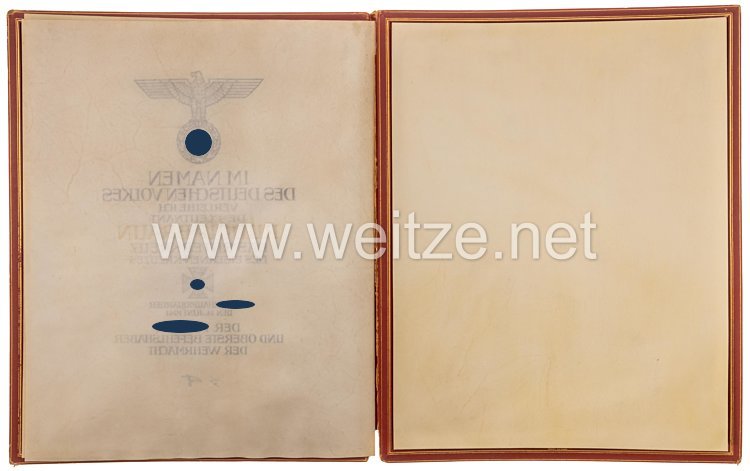
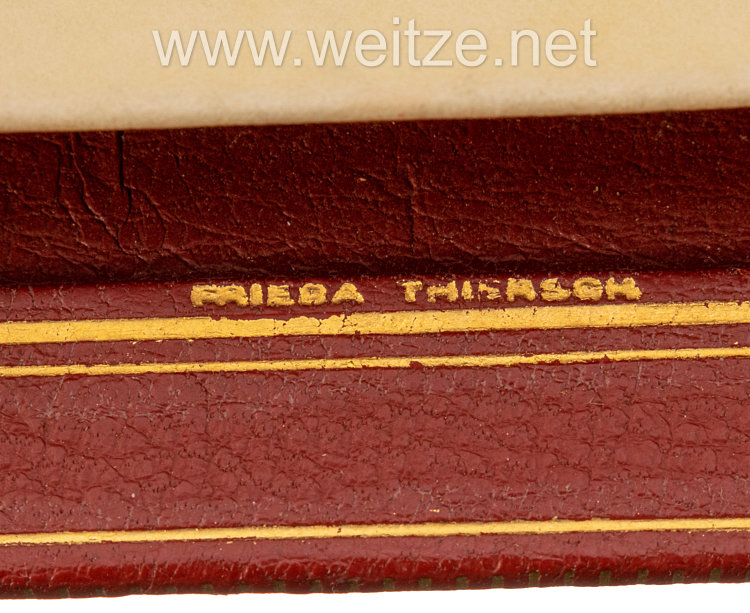
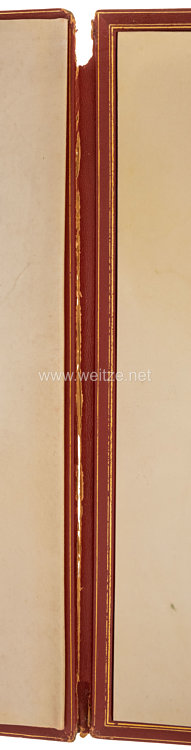
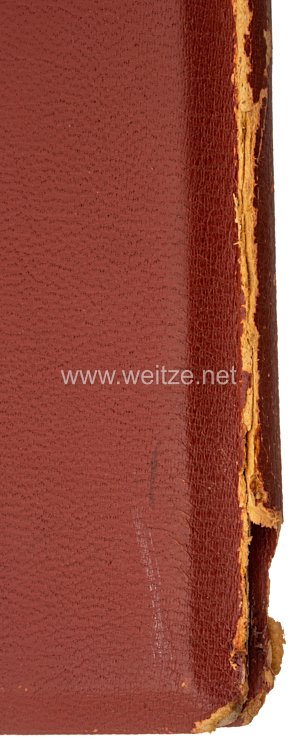
Große Verleihungsurkunde zum Ritterkreuz des Eisernen Kreuzes an Leutnant Rudolf Braun. Datiert " Führerhauptquartier, den 14. Juni 1941". Mit eigenhändiger Original-Tintenunterschrift der Führers und Reichskanzlers Adolf Hitler. Die Ritterkreuzmappe aus rotem Leder mit Gold geprägtem Hoheitsadler. Die Innendeckel mit Pergamentspiegeln und handvergoldeter Linieneinfassung. Am rückseitigen unteren Rand mit Signatur "Frida Thiersch". Die Urkunde auf großem Pergament-Doppelblatt von Hand geschrieben, der Name des Beliehenen " Rudolf Braun " in erhabenem Gold gehalten.
Die Pergamenturkunde befindet sich in gutem Zustand. Die rote Verleihungsmappe hat leider etwas gelitten, innen fehlt der rote Halteriemen, der Rücken zum Teil eingerissen, unten fehlen ca. 2 cm.
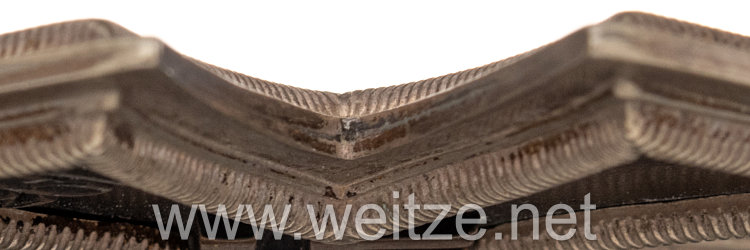
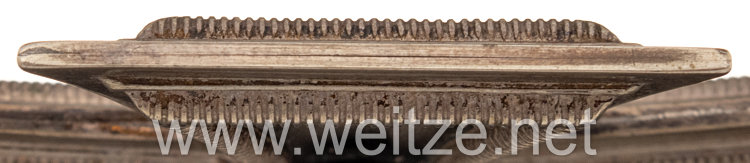
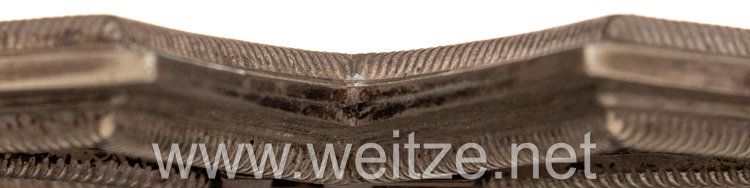
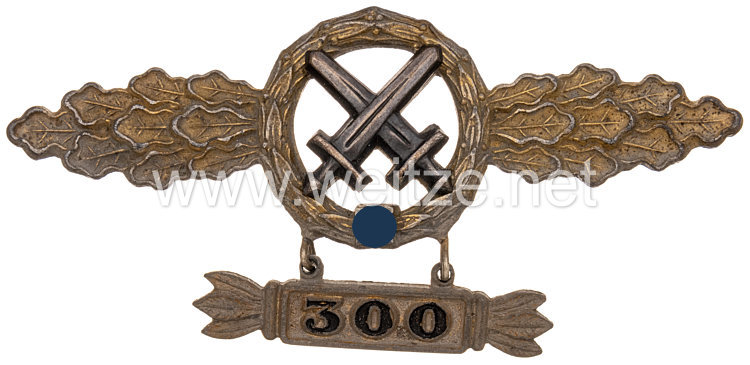
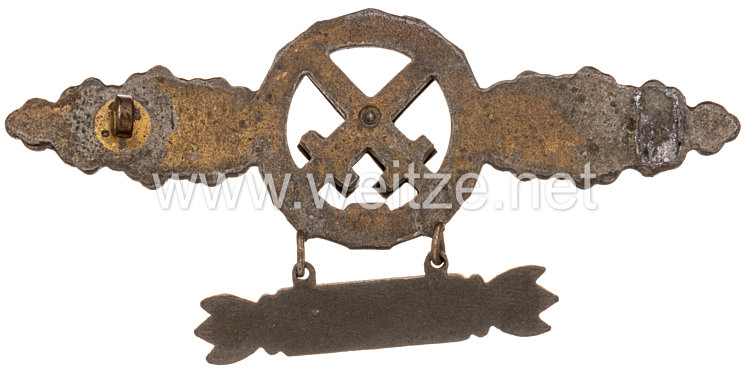
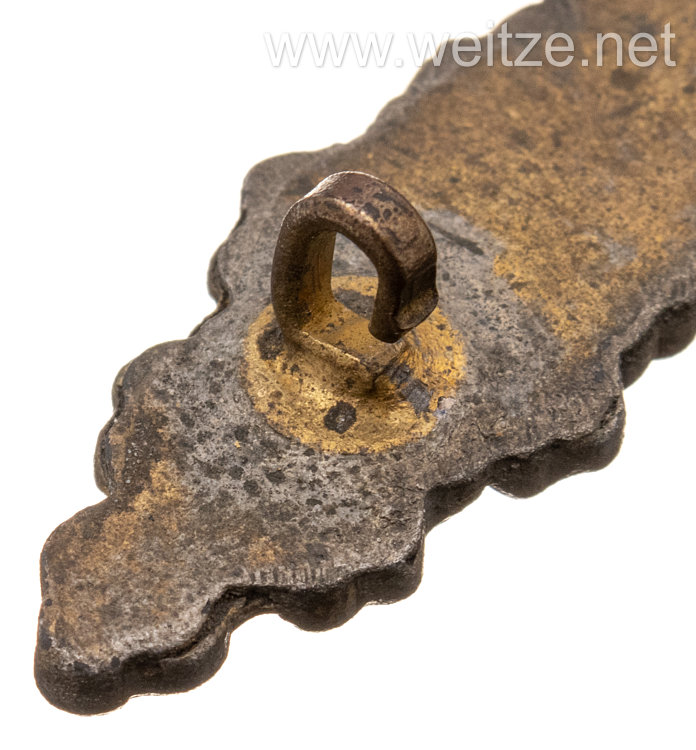
Frontflugspange für Schlachtflieger in Gold mit Anhänger für "300" Feindflüge. Feinzink vergoldet. Leicht getragen, rückseitig fehlt die Tragenadel.
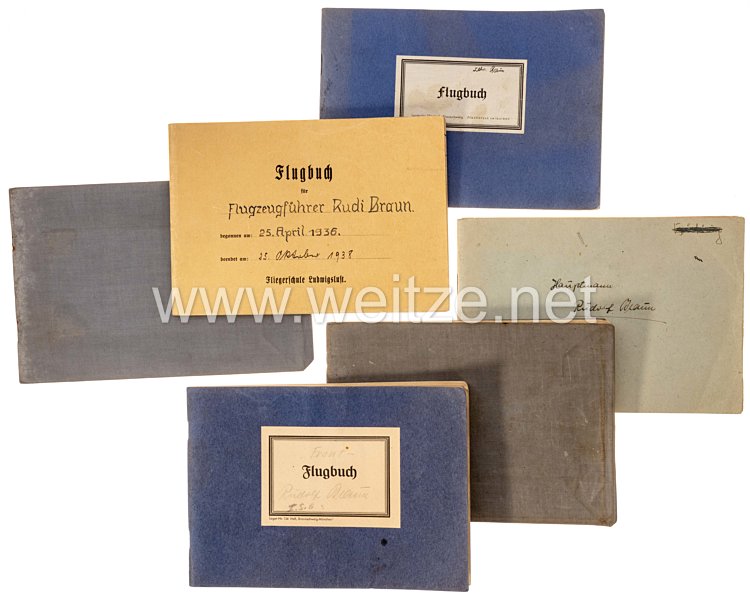
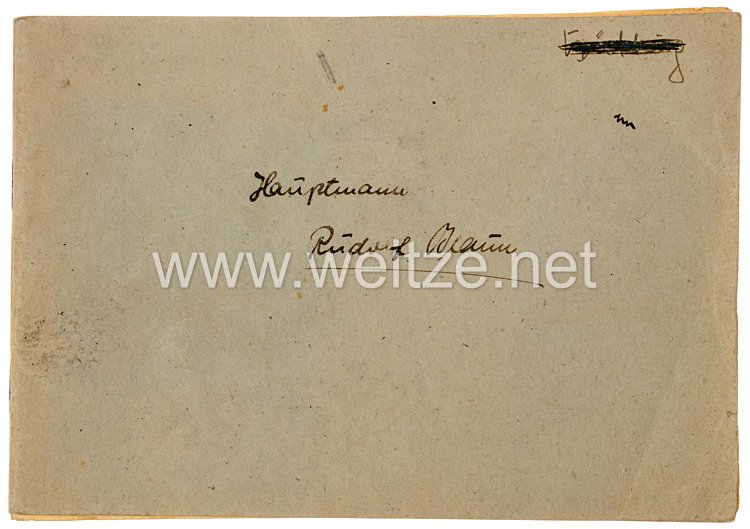
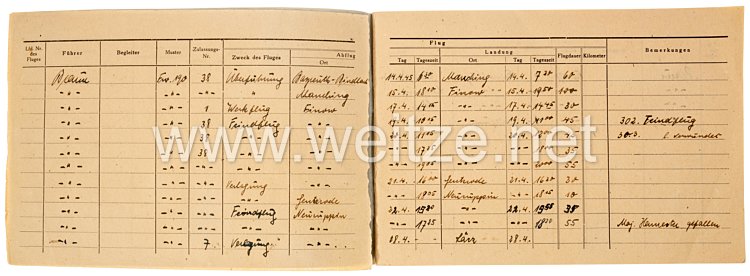
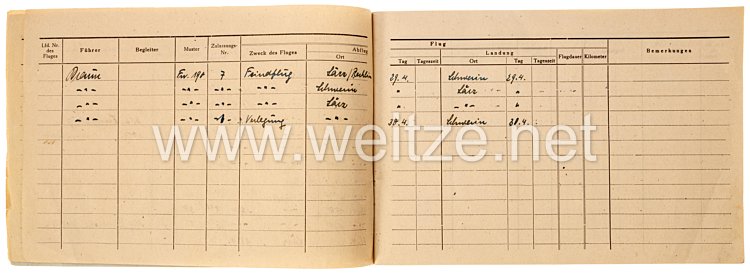
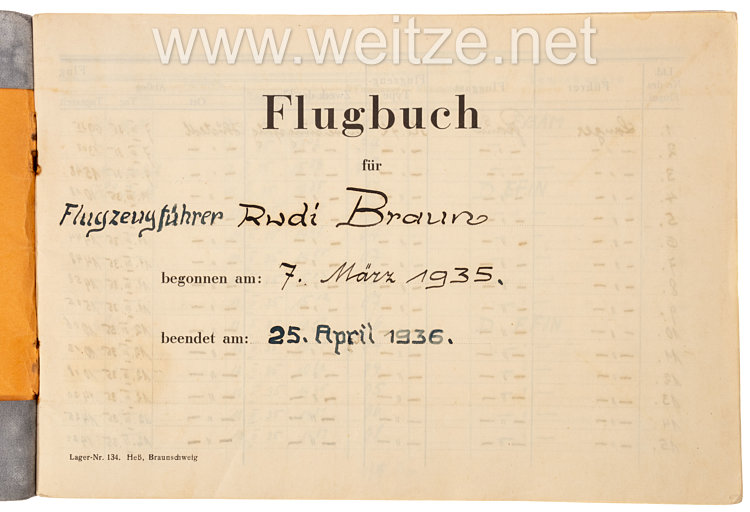
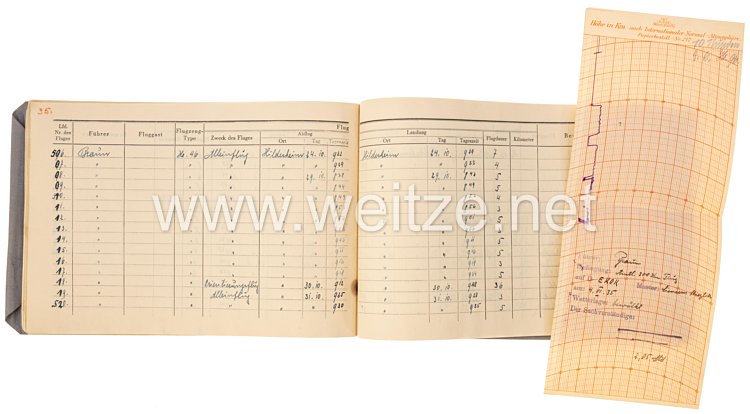
Kompletter Satz von 6 Flugbüchern, von 1935 bis zu seinem letzten Flug am 30.4.1945. Ab 1936 beim Fliegergeschwader Immelmann, insgesamt 310 eingetragene Feindflüge, letzter Feindflug am 29.4.1945.
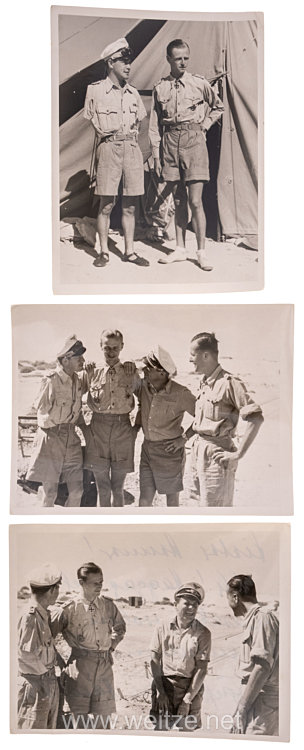
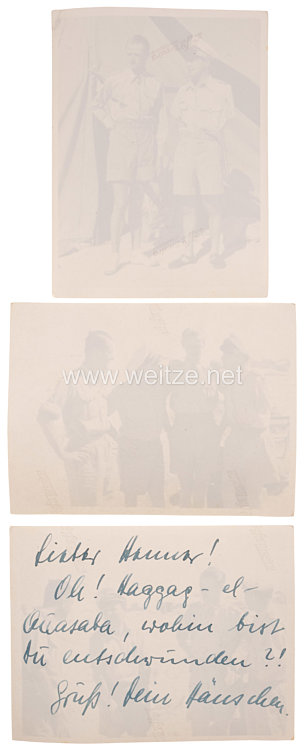
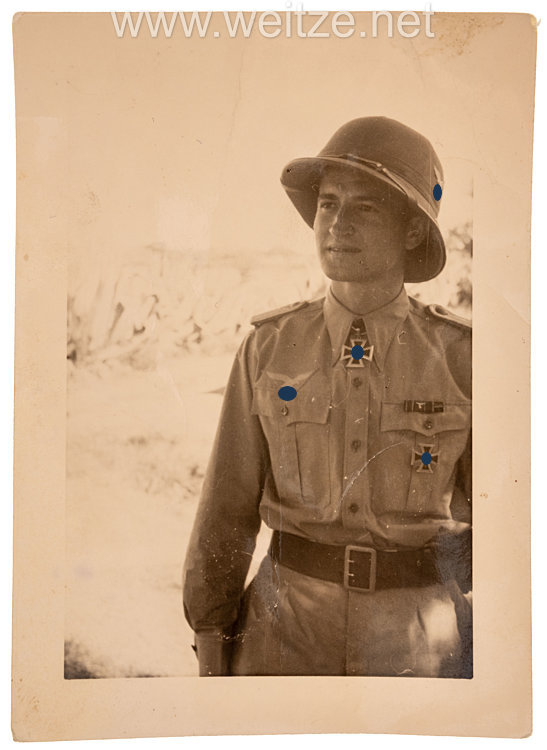
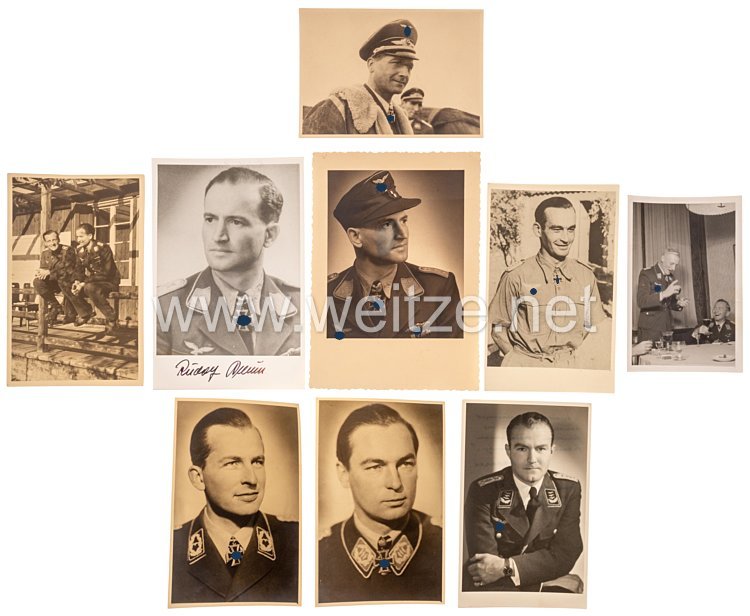
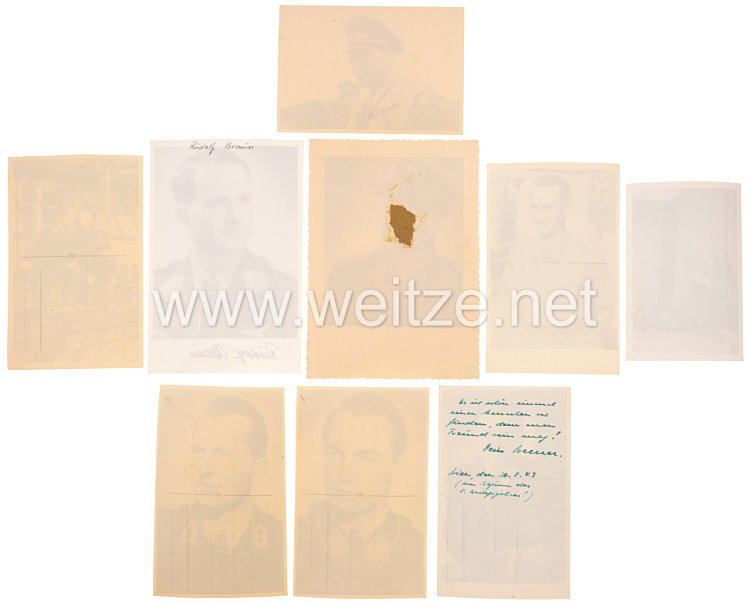
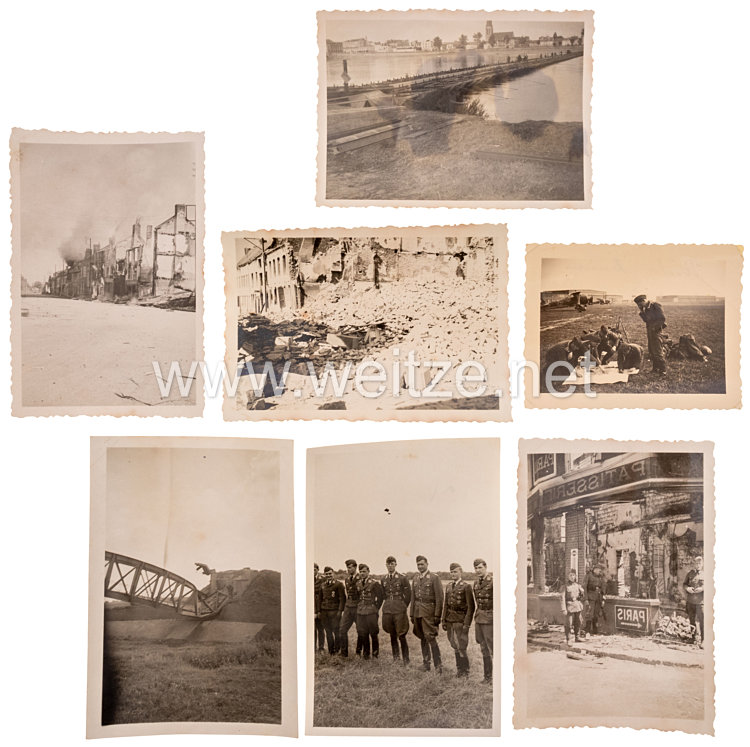
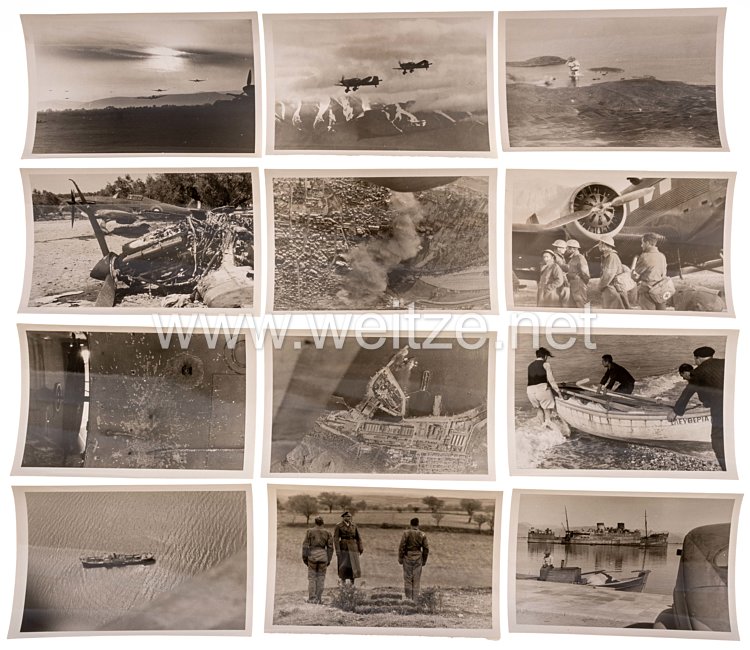
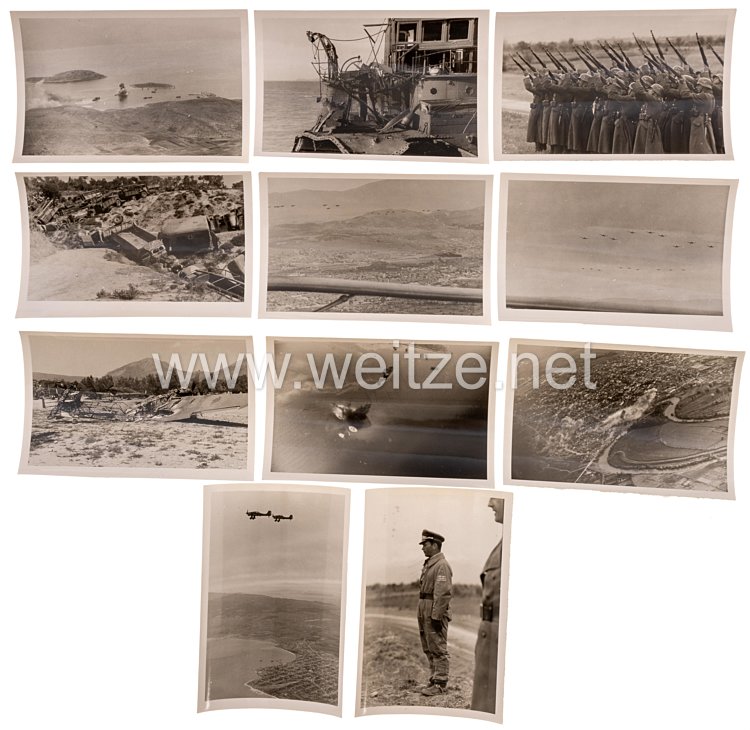
Insgesamt 56 Fotos, darunter 18 Portraitfotos mit Ritterkreuz in verschiedenen Größen (auf den Fotos ist das Schickle Ritterkreuz immer wieder deutlich wieder zu erkennen), weiterhin Fotos aus dem Frankreichfeldzug 1940, 23 Fotos vom Einsatz und Kampf über Kreta 1941, 3 sehr schöne Gruppenfotos aus Afrika, 4 Fotos von seinem Kommodore und weiteren Ritterkreuzträgern. Weiterhin ein sehr schönes Reprofoto von Braun mit Nachkriegsunterschrift.
Rudolf Braun, geboren am 30. August in Brannenburg/Inn, kam 1934 zur Luftwaffe und wirkte schon als Unteroffizier an wichtiger Stelle in der Entwicklung der Sturzkampfwaffe. Am 1. April 1938 zum Leutnant befördert, am 1. April 1940 zum Oberleutnant, wurde er Staffelführer in der I./Stukageschwader 3, flog 1939 im Polenfeldzug, 1940 Frankreichfeldzug, 10 Feindflüge gegen England, über dem Balkan und bewährte sich vor allem im Kampf gegen Kreta und im Mittelmeergebiet. Dabei setzte er bei der Unterstützung des Fallschirmunternehmens bei Chania durch Volltreffer die Flakbatterien außer Gefecht, versenkte im Seegebiet von Griechenland 16.000 BRT, erzielte gegen die britische Flotte im Seegebiet südlich Melos Volltreffer auf einen schweren Kreuzer, auf einen Zerstörer und einen leichten Kreuzer. Nach über 170 Einsätzen, davon 25 im Mittelmeer und gegen Kreta, wurde er am 14. Juni 1941 mit dem Ritterkreuz ausgezeichnet. Dann verlegte die Gruppe nach Afrika. Am 25. April 1942 beim Einsatz auf Tobruk von Kitty-Hawas und Tomahawks der 2. Südafrikanischen und 4. SAAF Spn. abgeschossen und schwer verwundet, mit seinem toten Bordfunker an Bord bei Tmimi notgelandet. Bis 3.8.1943 im Lazarett und Genesungsurlaub, ab6.8.1943 - 1.1.1944 als Staffelkapitän der 3./StG. 15 Banden-Einsätze an der italienisch-kroatischen Grenze. Von Januar 1944 bis Januar 1945 Kommandeur der S.G. 102 der Stukaschule in Deutsch-Brod. Von Februar 1945 bis Kriegsende als Hauptmann Kommandeur der I./Schlachtgeschwader 3 im Nordabschnitt der Ostfront.
Ein beeindruckender Nachlass eines tapferen Stukafliegers. Als Träger einer der wenigen verliehenen Schickle Ritterkreuze, welches sich auf den Fotos wiedererkennen lässt, ist die Gruppe ganz besonders interessant.
Große Verleihungsurkunde zum Ritterkreuz des Eisernen Kreuzes an Leutnant Rudolf Braun. Datiert " Führerhauptquartier, den 14. Juni 1941". Mit eigenhändiger Original-Tintenunterschrift der Führers und Reichskanzlers Adolf Hitler. Die Ritterkreuzmappe aus rotem Leder mit Gold geprägtem Hoheitsadler. Die Innendeckel mit Pergamentspiegeln und handvergoldeter Linieneinfassung. Am rückseitigen unteren Rand mit Signatur "Frida Thiersch". Die Urkunde auf großem Pergament-Doppelblatt von Hand geschrieben, der Name des Beliehenen " Rudolf Braun " in erhabenem Gold gehalten.
Die Pergamenturkunde befindet sich in gutem Zustand. Die rote Verleihungsmappe hat leider etwas gelitten, innen fehlt der rote Halteriemen, der Rücken zum Teil eingerissen, unten fehlen ca. 2 cm.
Frontflugspange für Schlachtflieger in Gold mit Anhänger für "300" Feindflüge. Feinzink vergoldet. Leicht getragen, rückseitig fehlt die Tragenadel.
Kompletter Satz von 6 Flugbüchern, von 1935 bis zu seinem letzten Flug am 30.4.1945. Ab 1936 beim Fliegergeschwader Immelmann, insgesamt 310 eingetragene Feindflüge, letzter Feindflug am 29.4.1945.
Insgesamt 56 Fotos, darunter 18 Portraitfotos mit Ritterkreuz in verschiedenen Größen (auf den Fotos ist das Schickle Ritterkreuz immer wieder deutlich wieder zu erkennen), weiterhin Fotos aus dem Frankreichfeldzug 1940, 23 Fotos vom Einsatz und Kampf über Kreta 1941, 3 sehr schöne Gruppenfotos aus Afrika, 4 Fotos von seinem Kommodore und weiteren Ritterkreuzträgern. Weiterhin ein sehr schönes Reprofoto von Braun mit Nachkriegsunterschrift.
Rudolf Braun, geboren am 30. August in Brannenburg/Inn, kam 1934 zur Luftwaffe und wirkte schon als Unteroffizier an wichtiger Stelle in der Entwicklung der Sturzkampfwaffe. Am 1. April 1938 zum Leutnant befördert, am 1. April 1940 zum Oberleutnant, wurde er Staffelführer in der I./Stukageschwader 3, flog 1939 im Polenfeldzug, 1940 Frankreichfeldzug, 10 Feindflüge gegen England, über dem Balkan und bewährte sich vor allem im Kampf gegen Kreta und im Mittelmeergebiet. Dabei setzte er bei der Unterstützung des Fallschirmunternehmens bei Chania durch Volltreffer die Flakbatterien außer Gefecht, versenkte im Seegebiet von Griechenland 16.000 BRT, erzielte gegen die britische Flotte im Seegebiet südlich Melos Volltreffer auf einen schweren Kreuzer, auf einen Zerstörer und einen leichten Kreuzer. Nach über 170 Einsätzen, davon 25 im Mittelmeer und gegen Kreta, wurde er am 14. Juni 1941 mit dem Ritterkreuz ausgezeichnet. Dann verlegte die Gruppe nach Afrika. Am 25. April 1942 beim Einsatz auf Tobruk von Kitty-Hawas und Tomahawks der 2. Südafrikanischen und 4. SAAF Spn. abgeschossen und schwer verwundet, mit seinem toten Bordfunker an Bord bei Tmimi notgelandet. Bis 3.8.1943 im Lazarett und Genesungsurlaub, ab6.8.1943 - 1.1.1944 als Staffelkapitän der 3./StG. 15 Banden-Einsätze an der italienisch-kroatischen Grenze. Von Januar 1944 bis Januar 1945 Kommandeur der S.G. 102 der Stukaschule in Deutsch-Brod. Von Februar 1945 bis Kriegsende als Hauptmann Kommandeur der I./Schlachtgeschwader 3 im Nordabschnitt der Ostfront.
Ein beeindruckender Nachlass eines tapferen Stukafliegers. Als Träger einer der wenigen verliehenen Schickle Ritterkreuze, welches sich auf den Fotos wiedererkennen lässt, ist die Gruppe ganz besonders interessant.