Hessen-Darmstadt Pair of Epaulettes for a High State Official, Police President or Similar

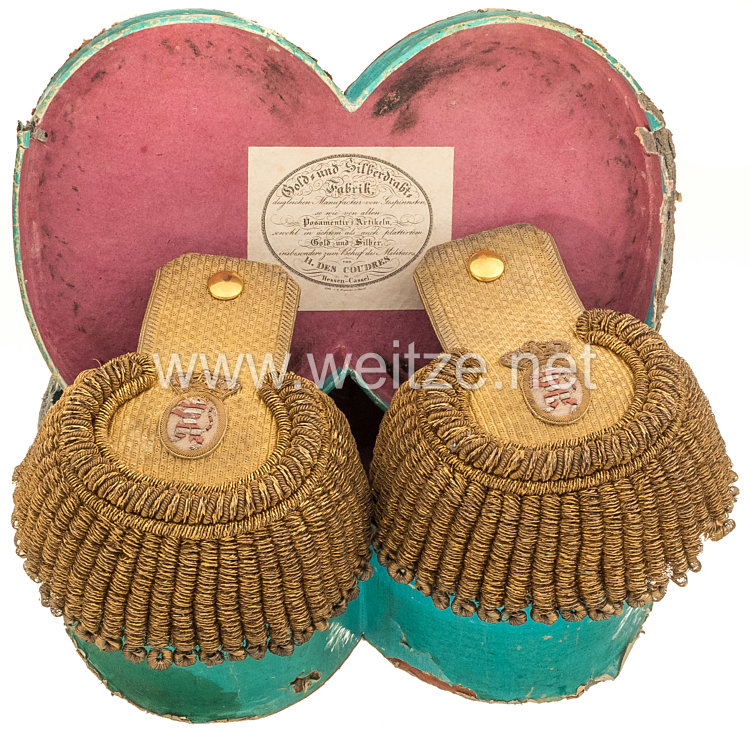
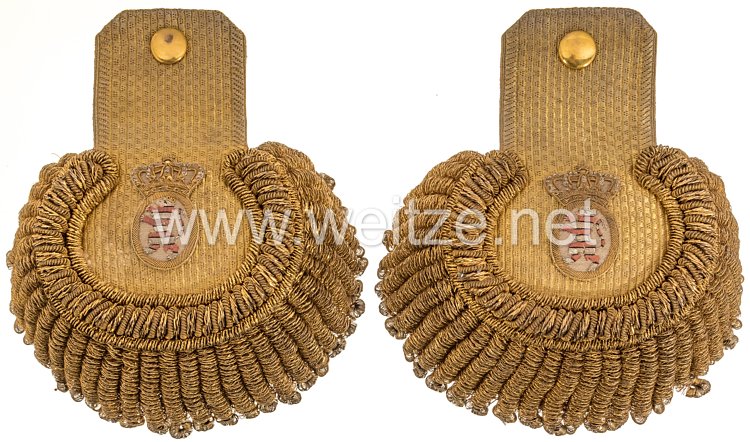
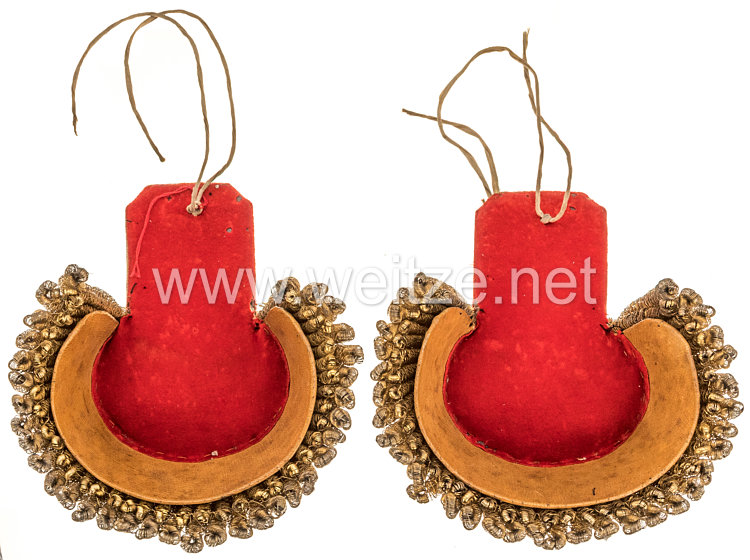
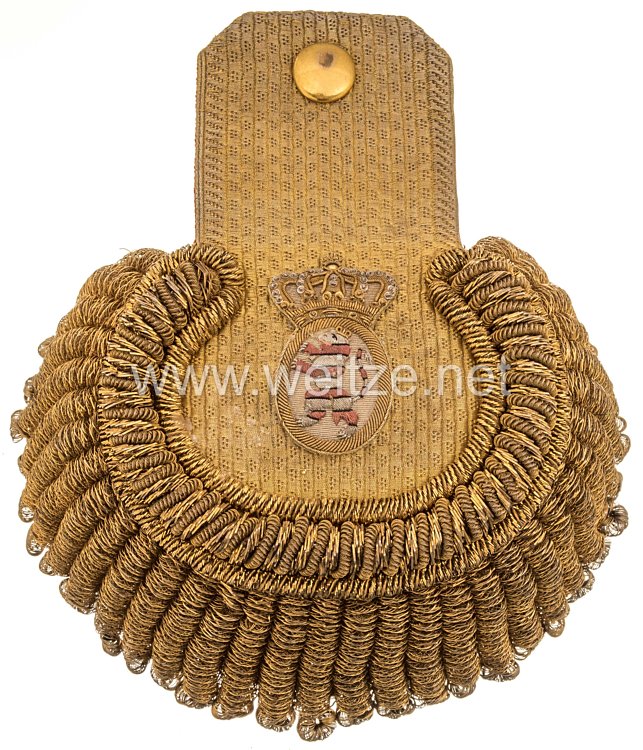
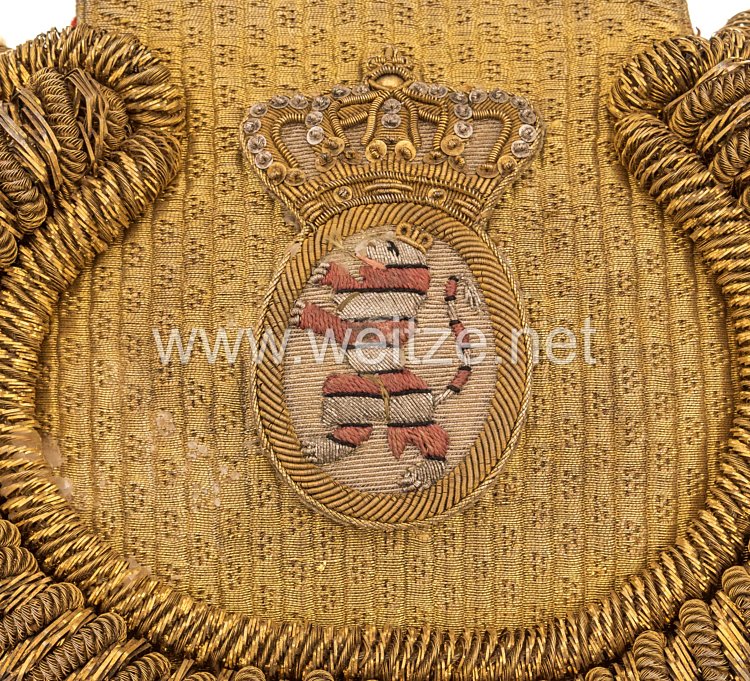
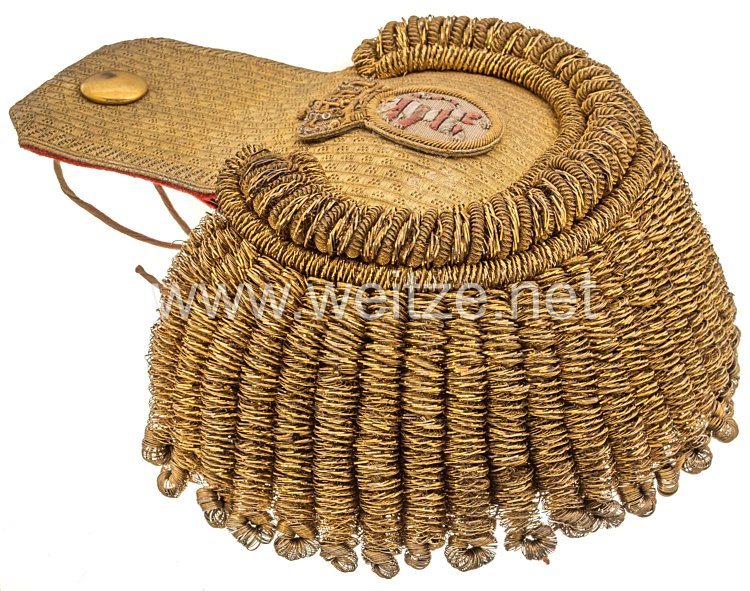
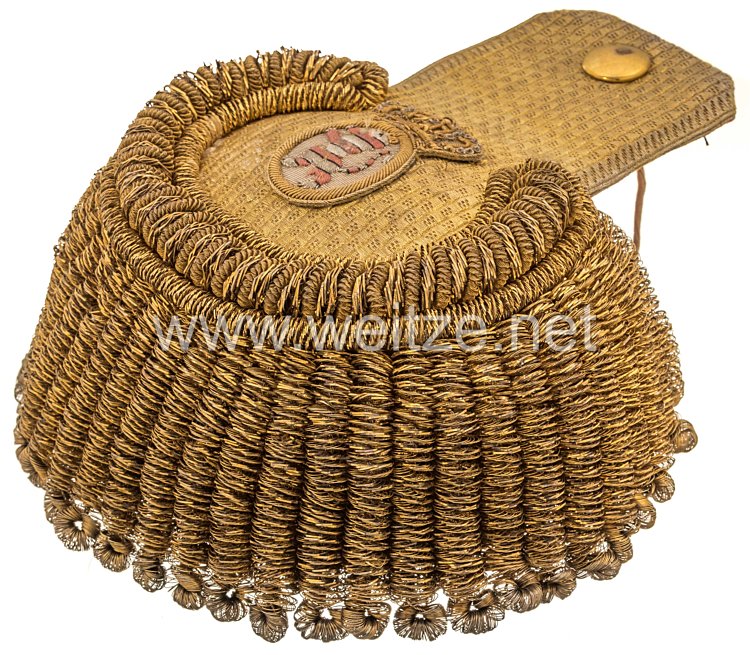
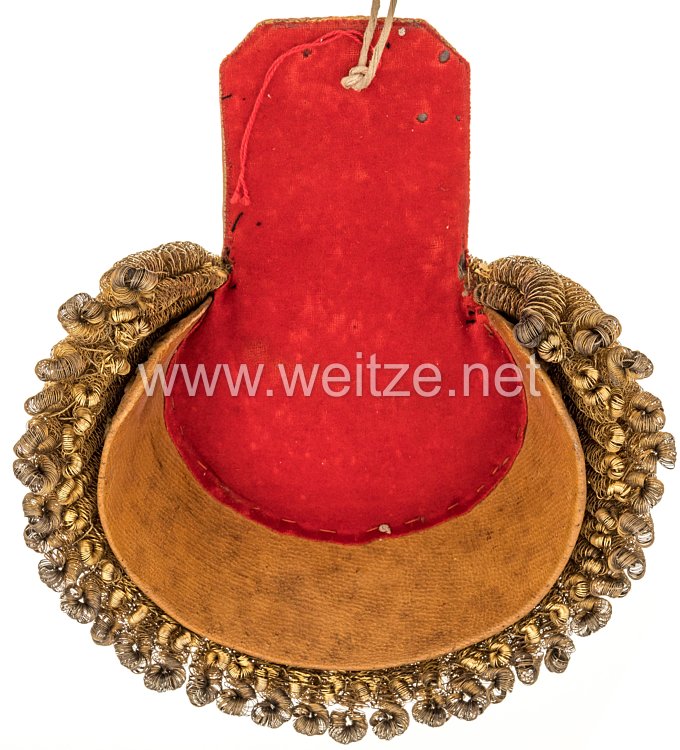
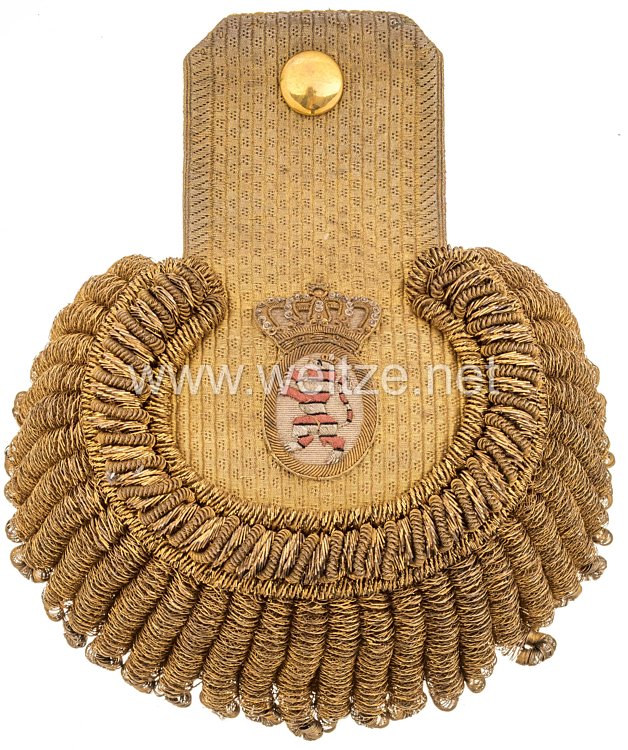
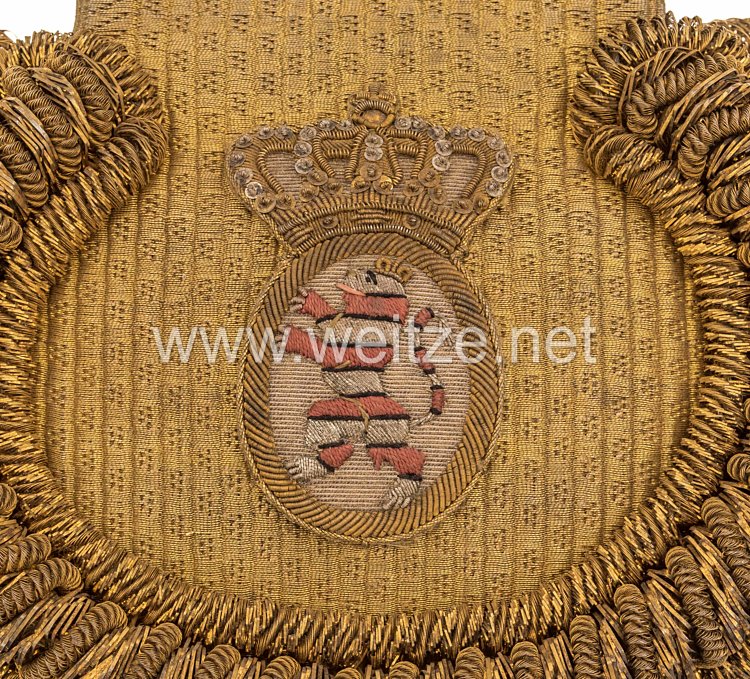
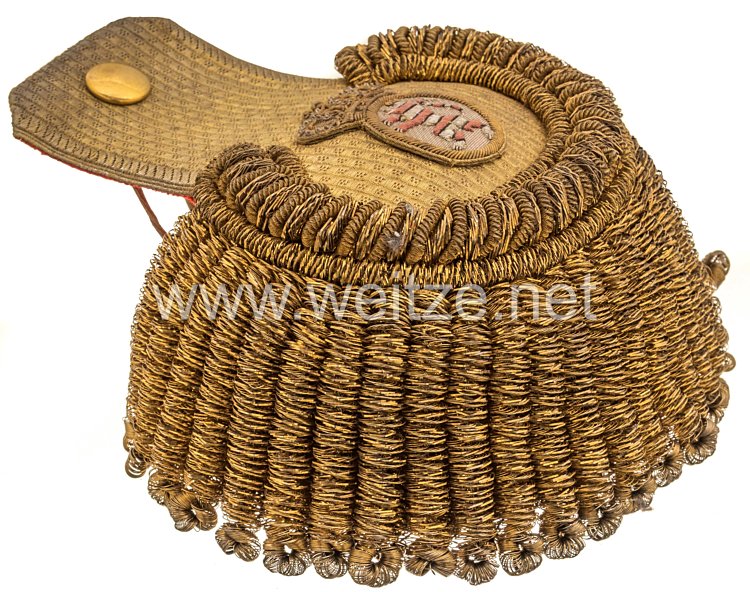
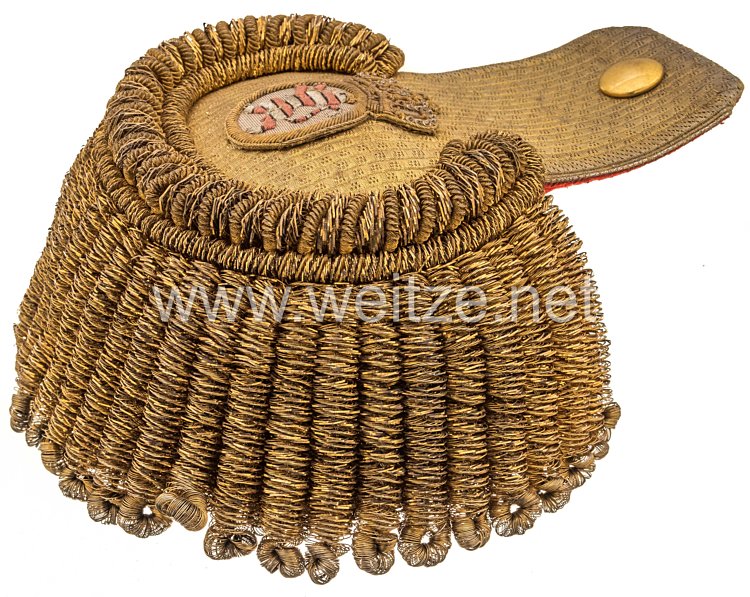
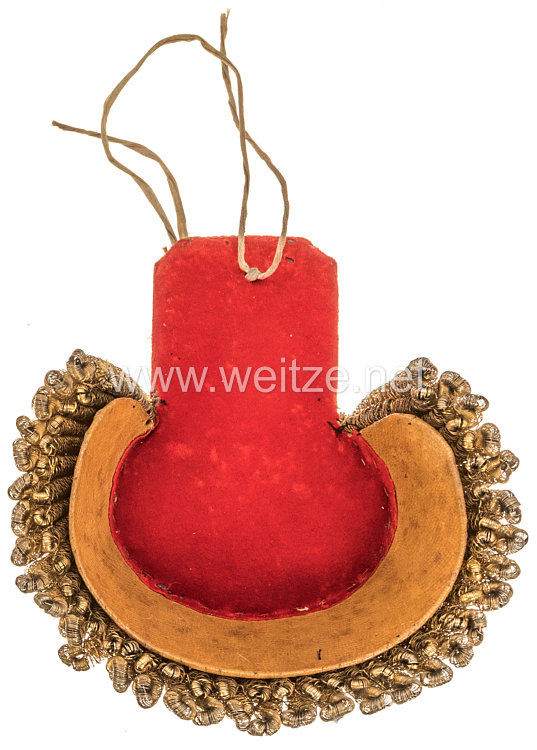
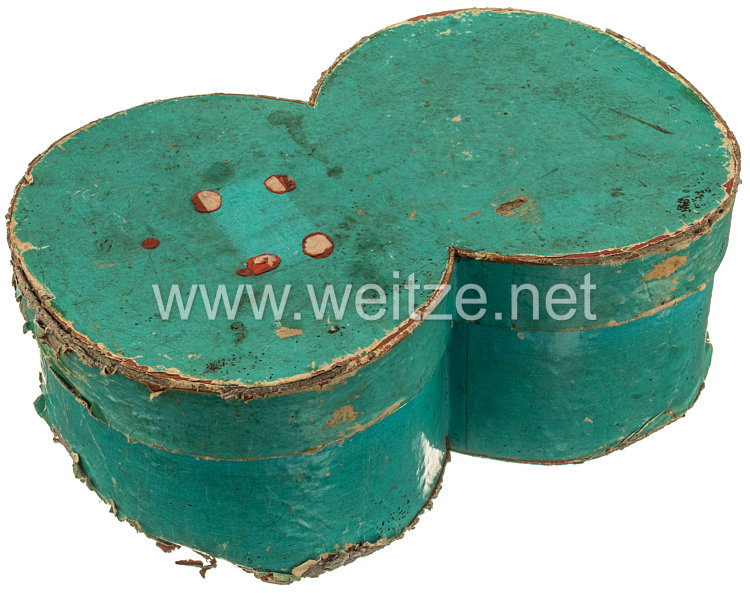
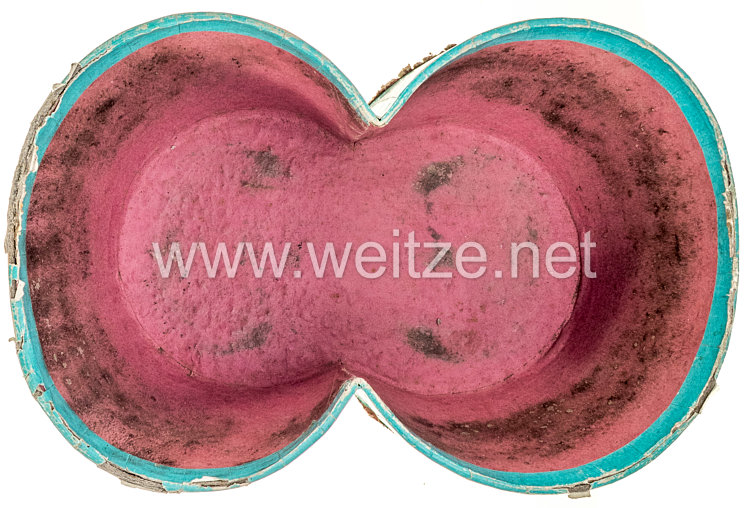
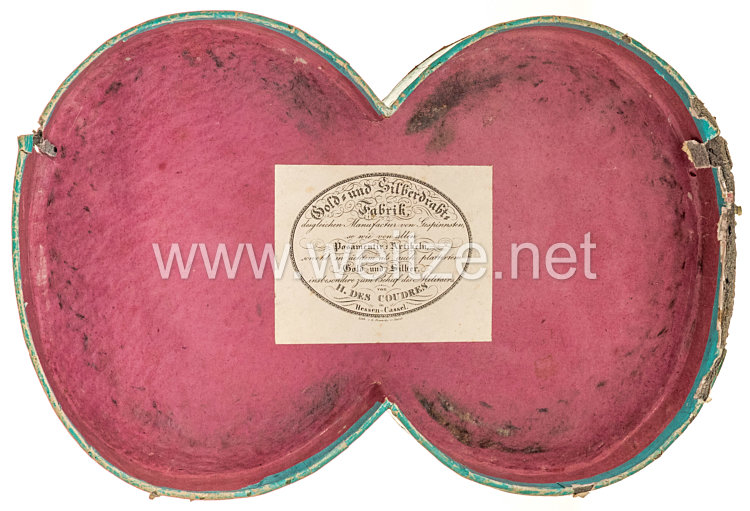
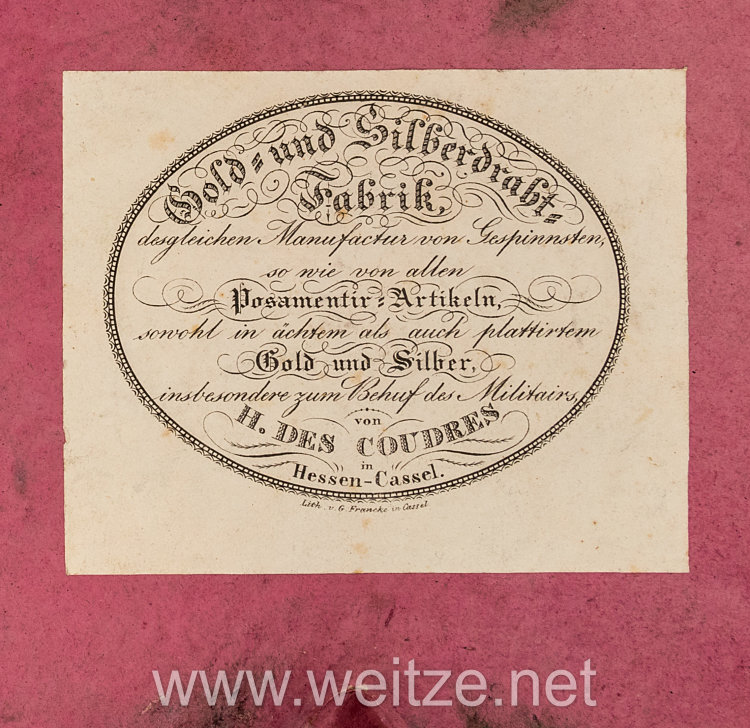
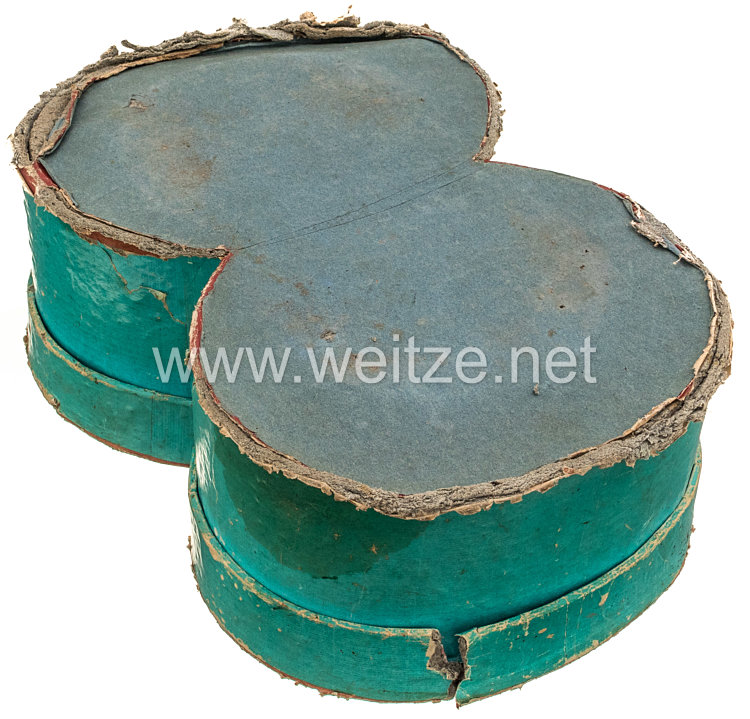
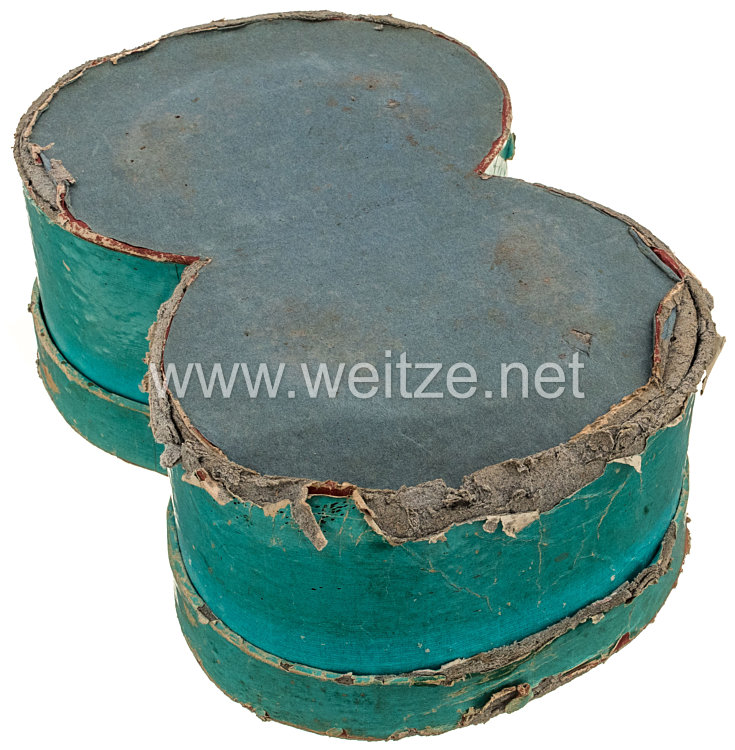
circa 1850. Large heavy epaulettes. Gold fields and crescents, with hand-embroidered Hessian coat of arms, rigid gold bullion, the underside with red cloth backing. Complete in matching box, the lid with beautiful manufacturer's label “Gold- und Silberdrahtfabrik desgleichen Manufactur vin Gespinnsten so wie von allen Posamentier-Artikeln sowohl in achtem als auch plattiertem Gold und Silber, insbesondere zum Behulf des Militairs - H. des Coudres in Hessen.Cassel.” Only lightly worn in very fine condition.
216254
1.500,00

Hessen-Darmstadt Pair of Epaulettes for a High State Official, Police President or Similar

These epaulettes from the Grand Duchy of Hesse-Darmstadt represent an exceptional example of rank insignia for senior civil servants in the mid-19th century. Manufactured around 1850, these magnificent shoulder pieces embody the strict hierarchy and pronounced consciousness of rank within the German civil service of that era.

The Grand Duchy of Hesse-Darmstadt was one of the most significant middle-sized states of the German Confederation. Following the Napoleonic Wars and the Congress of Vienna in 1815, the Grand Duchy developed into a modern state with a highly differentiated administrative structure. The uniforming and rank designation of state servants followed military models, intended to emphasize the importance of authority and state order.

The epaulettes themselves are characteristic examples of the highest craftsmanship. The heavy gold fields and crescents with hand-embroidered Hessian coat of arms testify to the significance of the wearer within the state hierarchy. The rigid gold bullion fringe was typical of high civil service ranks and differed markedly from the simpler versions worn by lower ranks. The red cloth backing was a characteristic color of the Hessian state.

Particularly noteworthy is the manufacturer's box with the label of the Gold and Silver Wire Factory H. des Coudres in Hesse-Cassel. The des Coudres family belonged to the most prominent Huguenot families who settled in Hesse. After the revocation of the Edict of Nantes in 1685, the Hessian Landgraves granted refuge to French religious refugees. These Huguenots brought valuable craft skills, particularly in textile and metal working.

The des Coudres manufactory in Cassel was a renowned address for military and civil passementerie work in the 19th century. The term passementerie articles encompassed all types of trimmings, braids, laces, and insignia made from gold and silver wire. The distinction between “genuine” and “plated” gold and silver was commercially important, as genuine precious metals were considerably more expensive than gilded or silver-plated versions.

The wearers of such elaborate epaulettes around 1850 belonged to the highest levels of the civil service. A Police President, for example, had comprehensive powers at this time and reported directly to the Interior Ministry. The police administration was responsible not only for public order but also for wide areas of general administration, including industrial supervision, public health, and building regulations.

The period around 1850 was marked by the aftermath of the Revolution of 1848/49. After the failure of the revolutionary movement, many German states returned to more conservative forms of government. The external representation of state authority through magnificent uniforms and rank insignia regained importance. High officials were meant to inspire respect and obedience through their appearance.

The barely worn condition of these epaulettes suggests they were possibly worn on special occasions, such as official receptions, court events, or ceremonial state functions. The careful storage in the original box underscores the value the owner placed on these rank insignia.

Such epaulettes are today important testimonies to the material culture of the 19th century. They document not only craft techniques and aesthetic concepts of their time but also social hierarchies and forms of state representation. The connection between French Huguenot tradition and Hessian state craftsmanship makes these pieces particularly significant cultural-historical objects.

The production of such epaulettes was extraordinarily labor-intensive. The hand embroidery of the coat of arms required the highest skill, as did the manufacture of the gold bullion fringe. Each individual strand had to be precisely crafted and attached. The cost of such rank insignia was considerable and was generally borne by the wearer himself, which further emphasized the social exclusivity of these positions.

These artifacts provide valuable insights into the administrative culture of 19th-century German states, where visual markers of authority played a crucial role in maintaining social order and governmental structure.

r