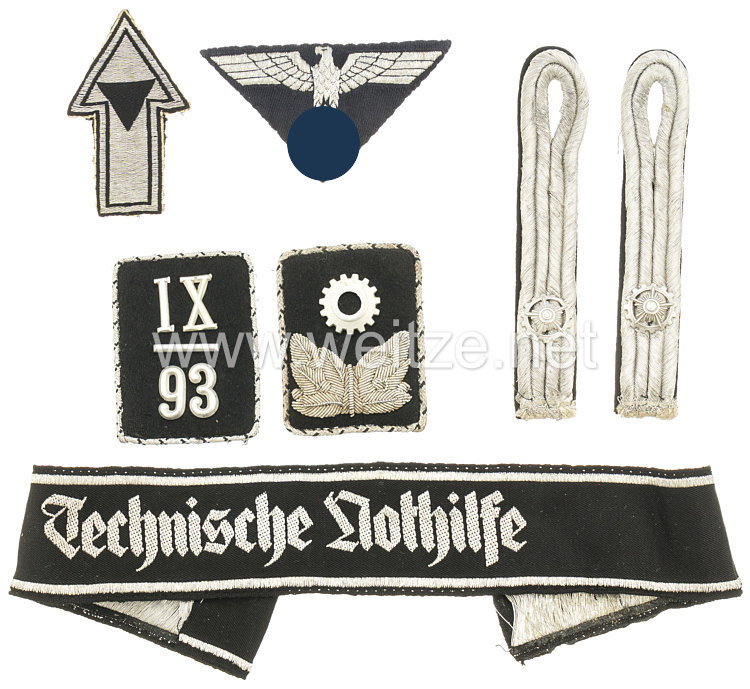
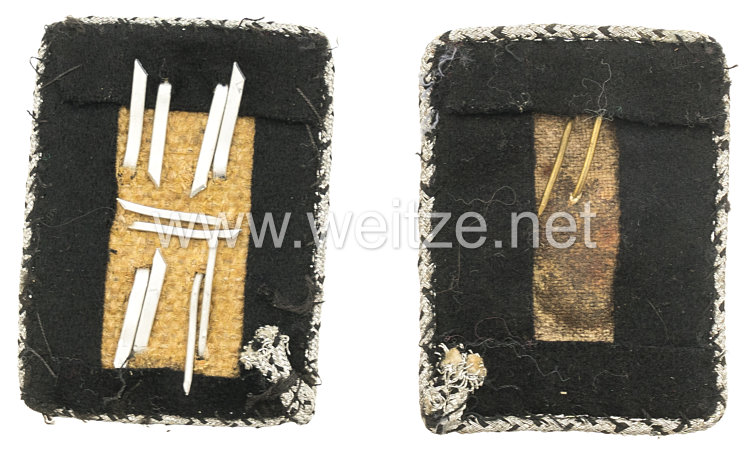
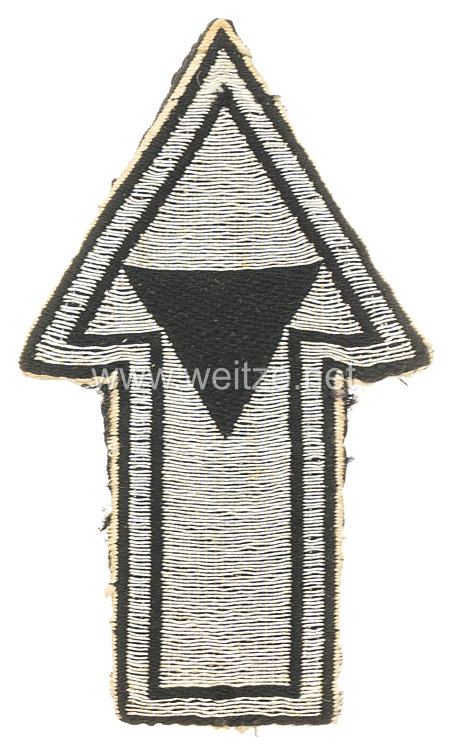
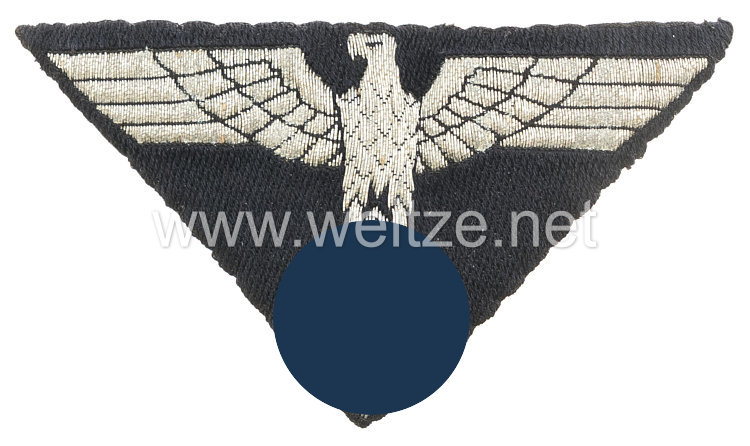
Technische Nothilfe TeNo Complete Set of Insignia for a Gefolgschaftsführer “IX/93”

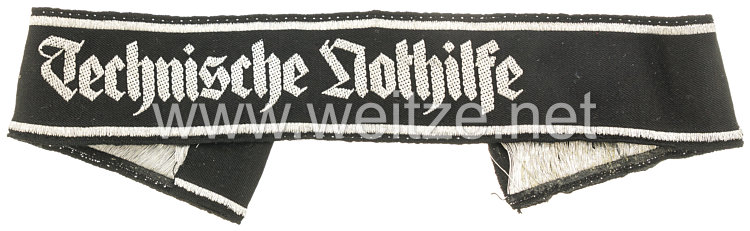
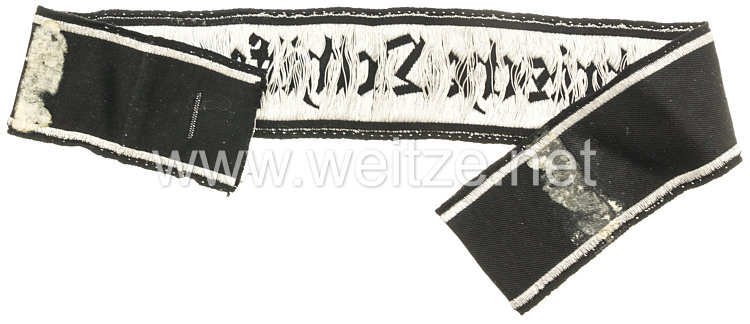
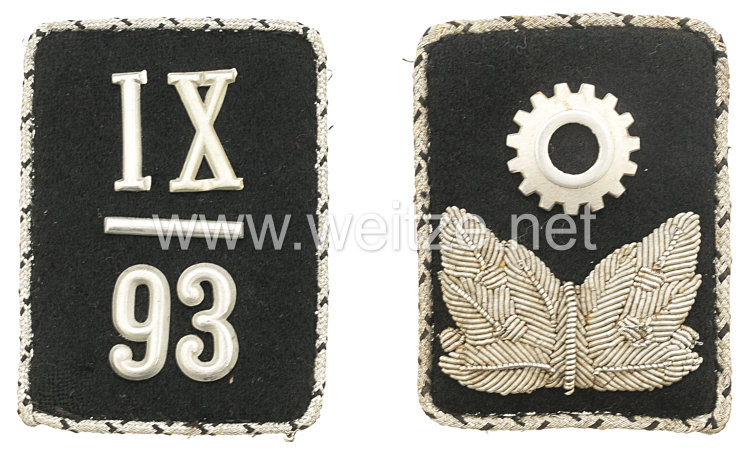
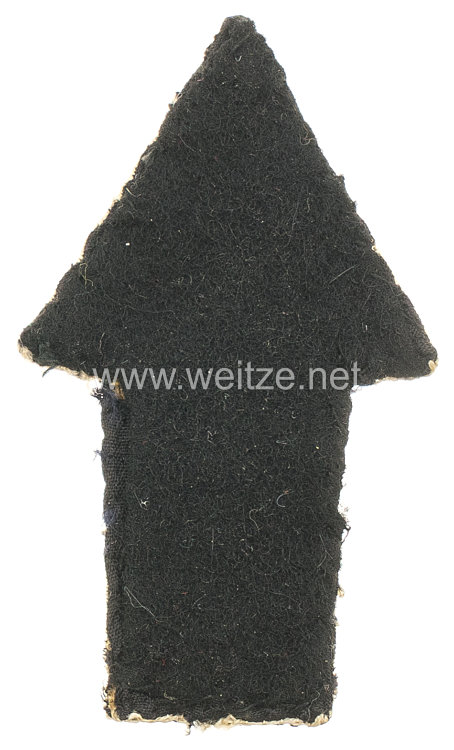
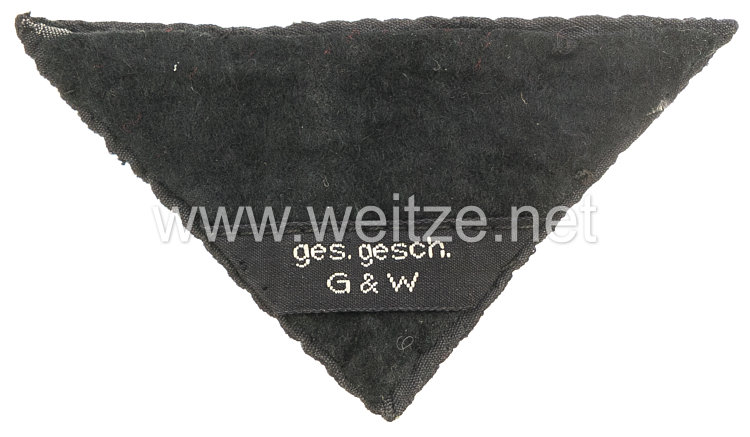
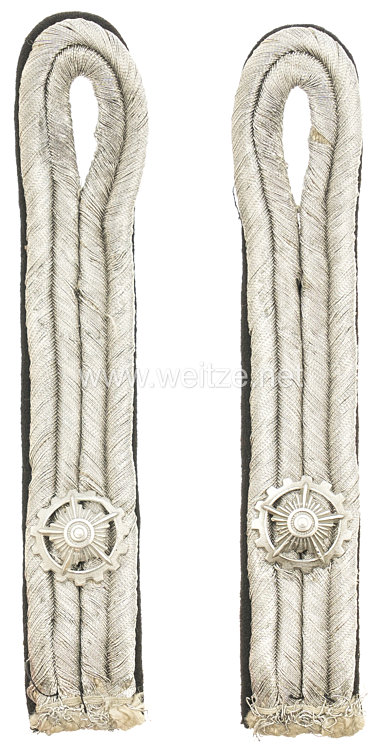
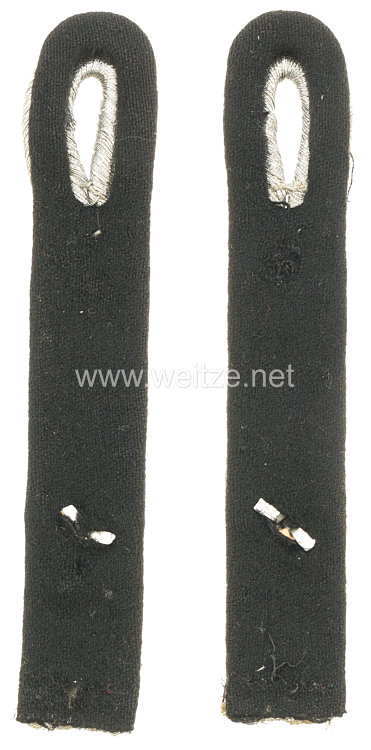
Pair of collar tabs and shoulder straps, armband, sleeve eagle and Technische Nothilfe TeNo badge for course participants at the Reichsführerschulen of the T.N. The shoulder straps with the special rank stars, sew-in version. All insignia in metal thread execution. Lightly worn, the armband with adhesive residue on the sides (removed from a photo album), otherwise all condition 2.

Very rare.
438353
1.500,00

Technische Nothilfe TeNo Complete Set of Insignia for a Gefolgschaftsführer “IX/93”

The Technische Nothilfe (TeNo), or Technical Emergency Service, was a paramilitary organization founded in 1919 during the Weimar Republic that existed until 1945. Originally established as a response to strikes and acts of sabotage following World War I, the TeNo developed into an important technical relief organization of the German Reich.

The organization was founded on September 30, 1919 by Prussian Interior Minister Wolfgang Heine to maintain vital supply facilities and infrastructure during work stoppages. In its initial phase, the TeNo primarily recruited engineers, technicians, and skilled workers willing to ensure critical services during emergencies.

The collection of insignia described here for a Gefolgschaftsführer (unit leader) of unit IX/93 represents the hierarchical structure and rank insignia system of the TeNo during the Nazi period. After the Nazi seizure of power in 1933, the organization was increasingly integrated into the National Socialist state apparatus and placed under the Reichsführer-SS.

The metal thread execution of the insignia indicates a higher quality typically used for leadership personnel. The collection includes:

Collar Patches and Shoulder Boards: These rank insignia were essential for identifying position within the TeNo hierarchy. The shoulder boards with special rank stars designated the rank of Gefolgschaftsführer, which corresponded approximately to a middle leadership rank. The sew-in design was characteristic of uniform practices of that era.

Armband: The TeNo armband was a characteristic identifying feature worn on the left forearm. It indicated membership in the organization and was particularly elaborate in its metal thread execution.

Sleeve Eagle: The eagle symbolized state authority and was a mandatory element of the uniform. During the Nazi period, the national eagle was worn on virtually all state and paramilitary uniforms.

Badge for Course Participants at the Reich Leadership Schools of the T.N.: This special badge is of considerable historical significance. The Reichsführerschulen (Reich Leadership Schools) were central training facilities established from the mid-1930s onwards to train TeNo leadership personnel. These schools conveyed both technical expertise and ideological content in accordance with the Nazi regime.

The TeNo was organized into various Standarten (standards) and Gefolgschaften (followings/units), with Roman numerals identifying the standard and Arabic numerals identifying the respective unit. The designation IX/93 thus refers to Standard IX and Unit 93.

During World War II, the scope of the TeNo's responsibilities expanded considerably. The organization was responsible for technical assistance during air raids, restoration of destroyed infrastructure, and was active in occupied territories. TeNo members were deployed in bomb disposal, debris removal, and restoration of water, gas, and electrical services.

The preserved insignia show typical signs of wear, suggesting active service by the wearer. The adhesive residue on the armband suggests these pieces were part of personal documentation – a common practice among members of military and paramilitary organizations who photographically documented their careers.

After the end of World War II, the Technische Nothilfe was dissolved. Its functions were partially assumed by the Technisches Hilfswerk (THW), founded in 1950 in the Federal Republic of Germany and still existing today as a disaster relief organization.

The historical significance of such insignia collections lies in their documentary function. They provide insights into the organizational structure, rank system, and training practices of the TeNo. For military historical research, complete sets like this are of particular value as they demonstrate the various aspects of uniforming and rank identification in their entirety.

The rarity of such complete sets is explained by several factors: many uniform parts were destroyed after the war's end, reworked, or lost in the chaos of the final war days. Complete ensembles documenting a Gefolgschaftsführer with training certification are therefore rarely found today.

The TeNo represents a significant chapter in German administrative and organizational history, illustrating how technical expertise was mobilized and militarized during the Nazi period. These artifacts serve as tangible reminders of this complex historical period and the transformation of civilian emergency services into instruments of the totalitarian state.