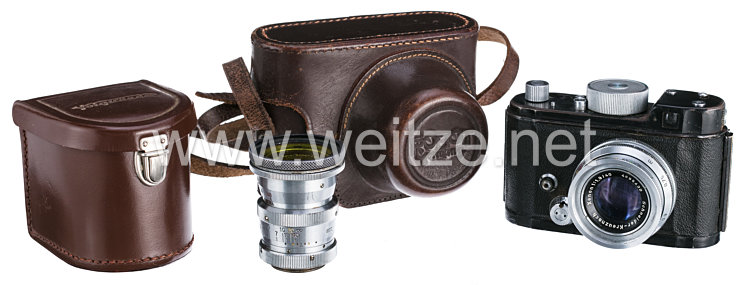
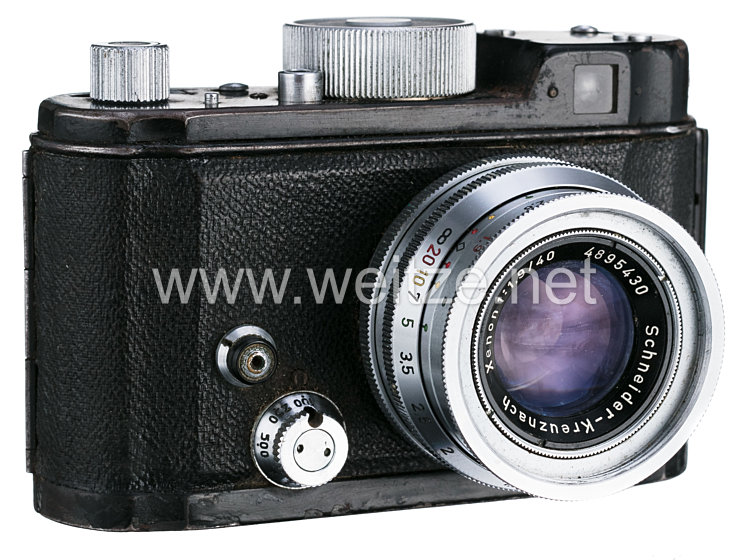
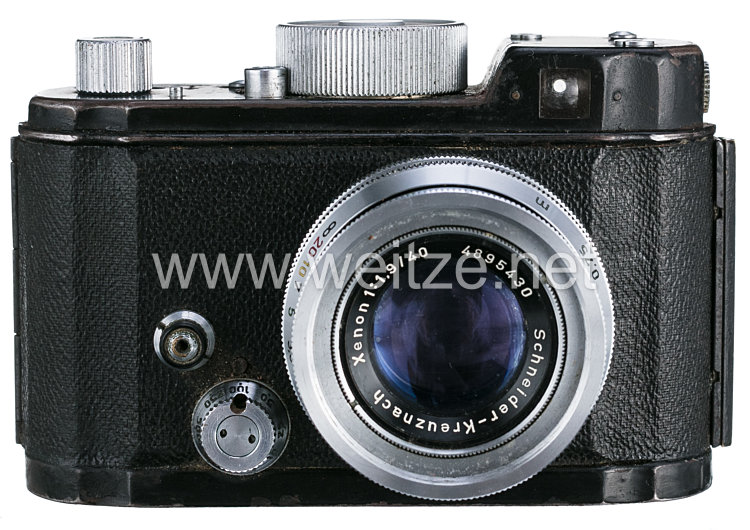
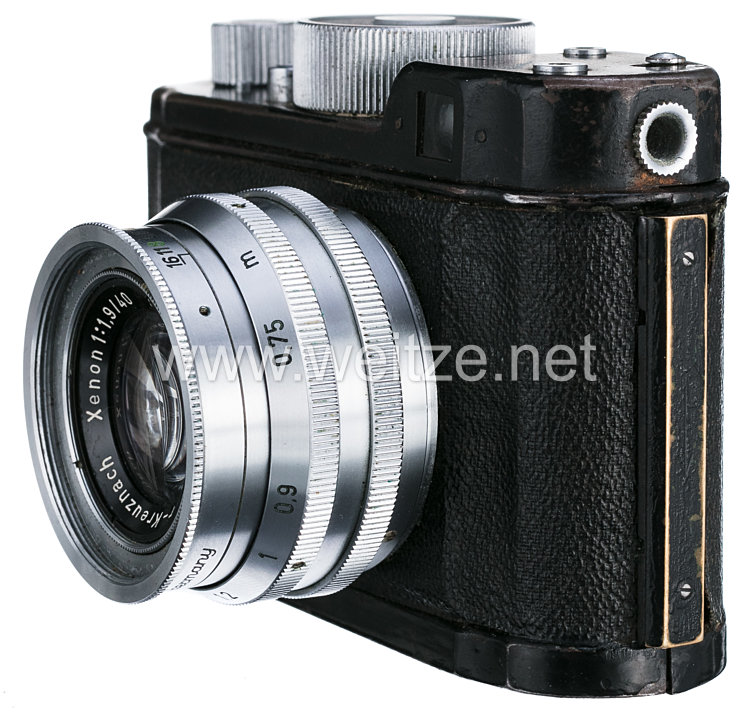
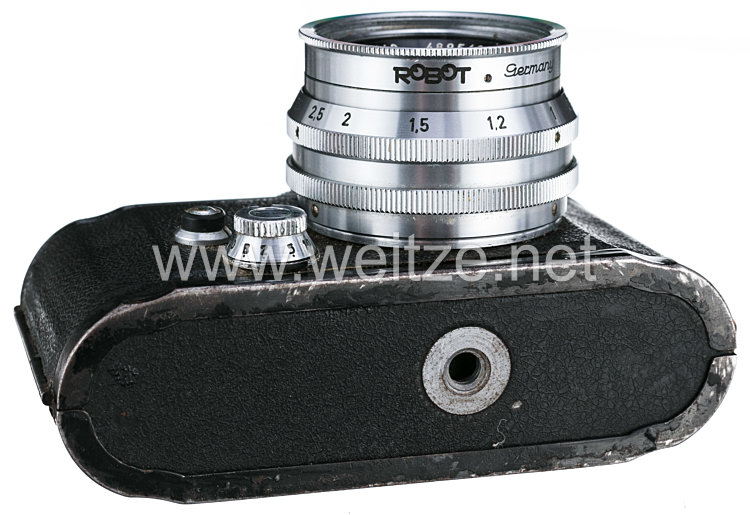
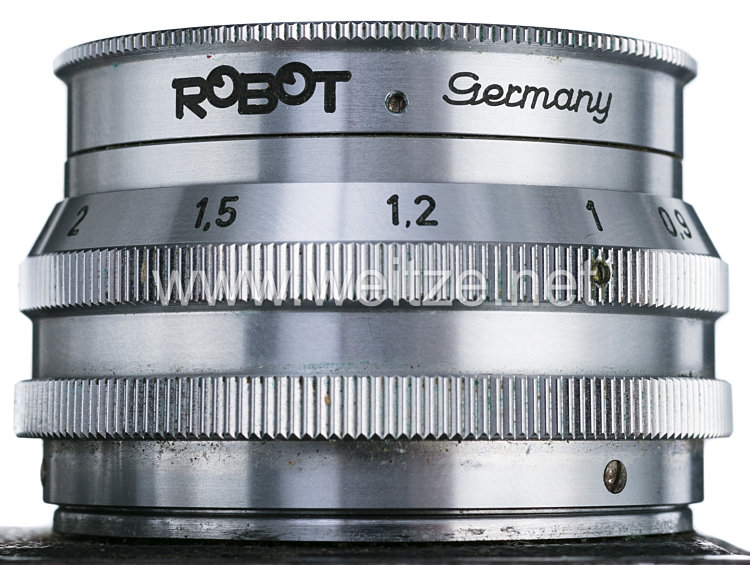
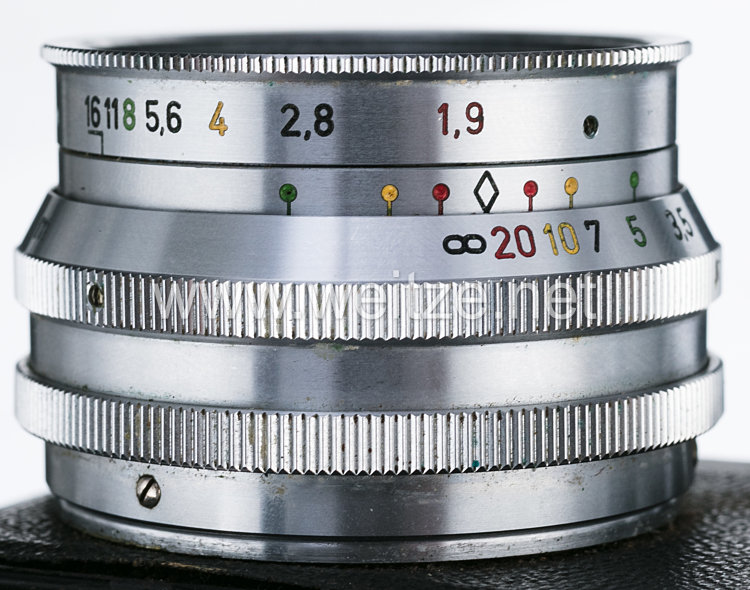
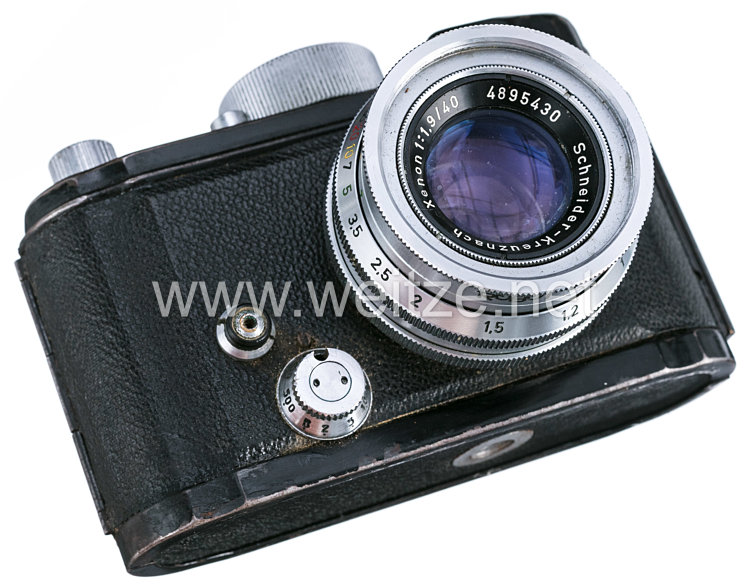
Luftwaffe Robot Photo Camera "Luftwaffen-Eigentum"
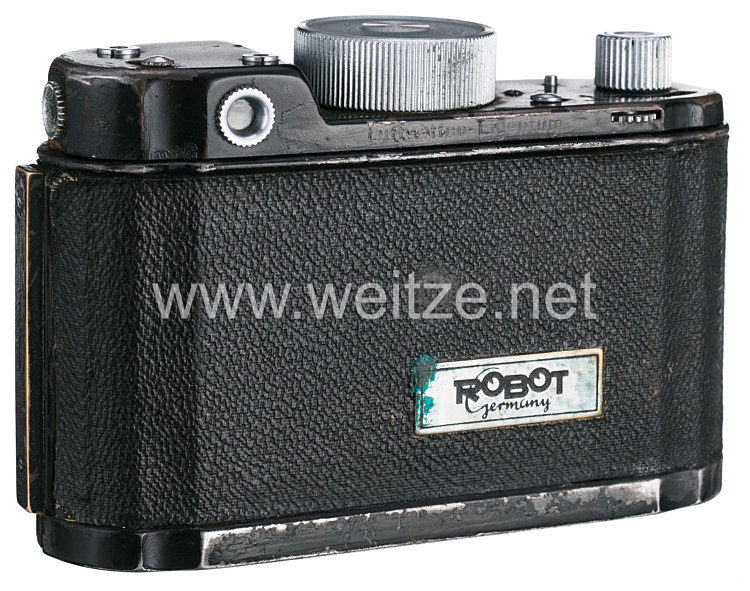
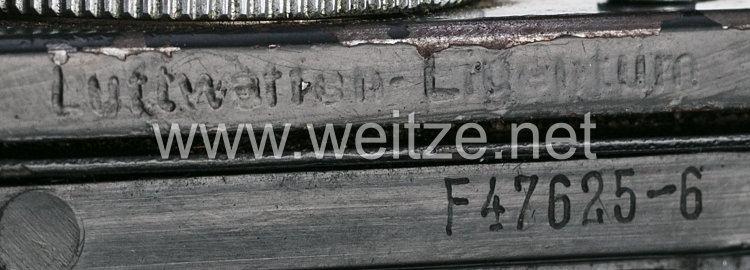
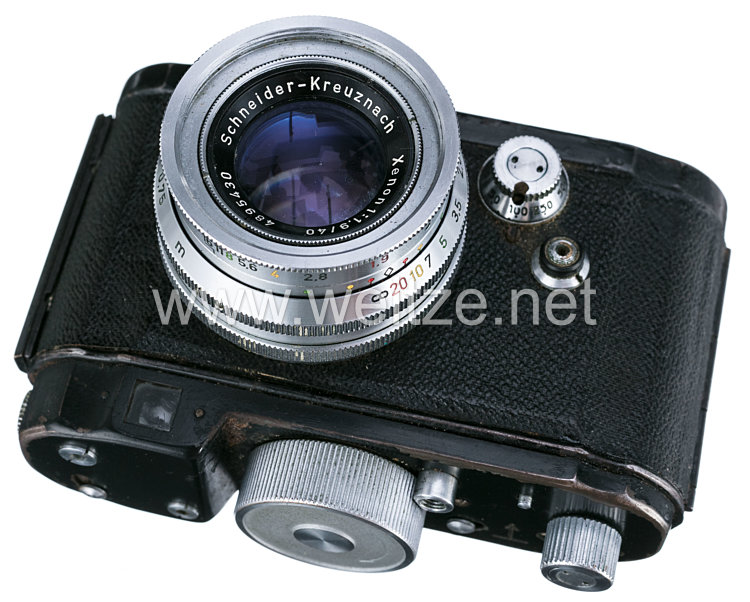
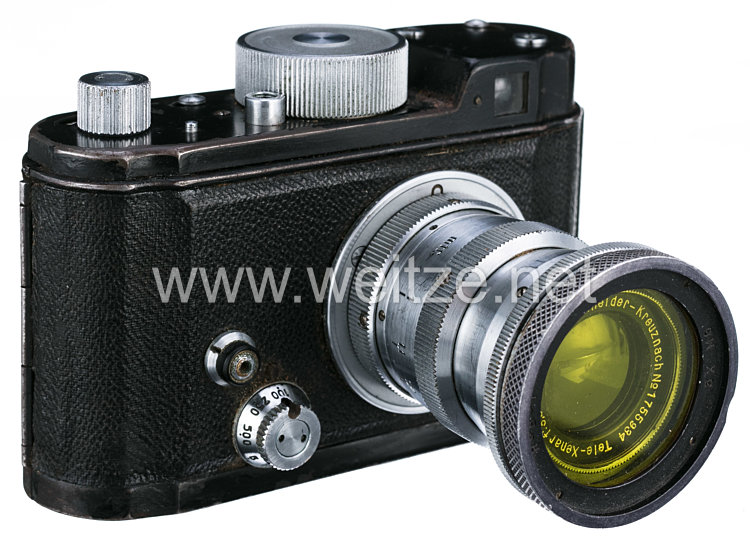
The Robot Luftwaffen-Eigentum Camera represents a fascinating chapter in military photographic technology during World War II. This particular camera from 1942 bears the characteristic marking “Luftwaffen-Eigentum” (Luftwaffe Property), clearly identifying it as property of the German Air Force.
The Robot camera was originally developed by Hans Heinemann and manufactured from 1934 onwards by the company Otto Berning & Co. in Düsseldorf, Germany. The name “Robot” referred to the revolutionary automatic film transport mechanism that distinguished the camera from other contemporary models. This technical innovation made the Robot one of the world's first fully automatic miniature cameras.
During the war, the Wehrmacht, particularly the Luftwaffe, quickly recognized the military value of this compact and reliable camera. The Robot was employed for various military purposes, including reconnaissance photography, damage documentation after air raids, technical documentation, and general propaganda purposes. Its robust construction and ability to capture rapid sequences of images made it particularly valuable for military applications.
The marking “Luftwaffen-Eigentum” was not an arbitrary inscription but complied with strict military regulations for military equipment. All equipment items owned by the Wehrmacht had to be marked accordingly to clearly document ownership and track losses. The blackened finish of the housing was typical for military applications, as it minimized light reflections and improved camouflage.
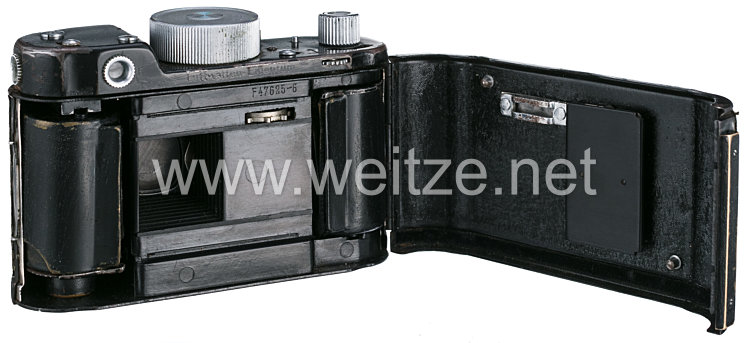
The serial number F47626-6 inside the camera follows the typical numbering system of wartime production. The prefix “F” indicates manufacture during the war years, when production was under strict military control. These numbers made it possible to trace each individual camera and were part of the Wehrmacht's comprehensive administrative system.
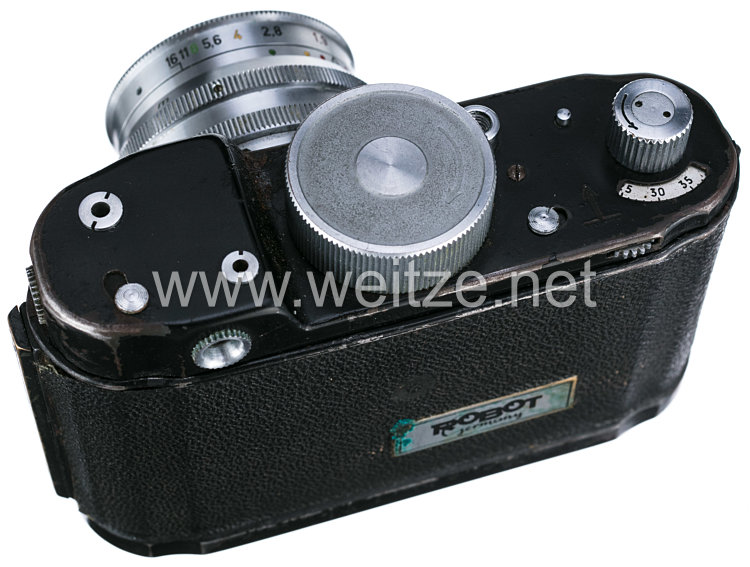
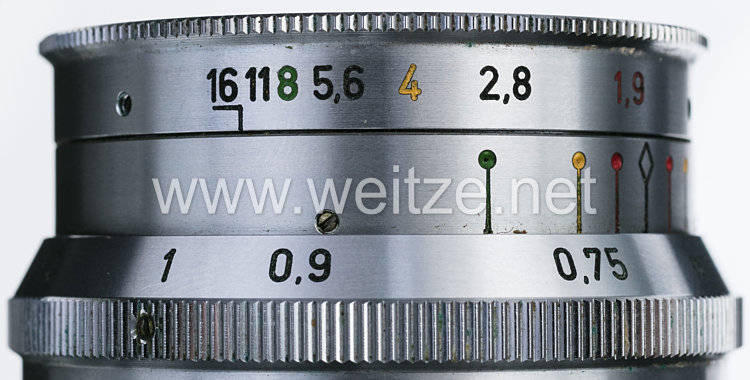
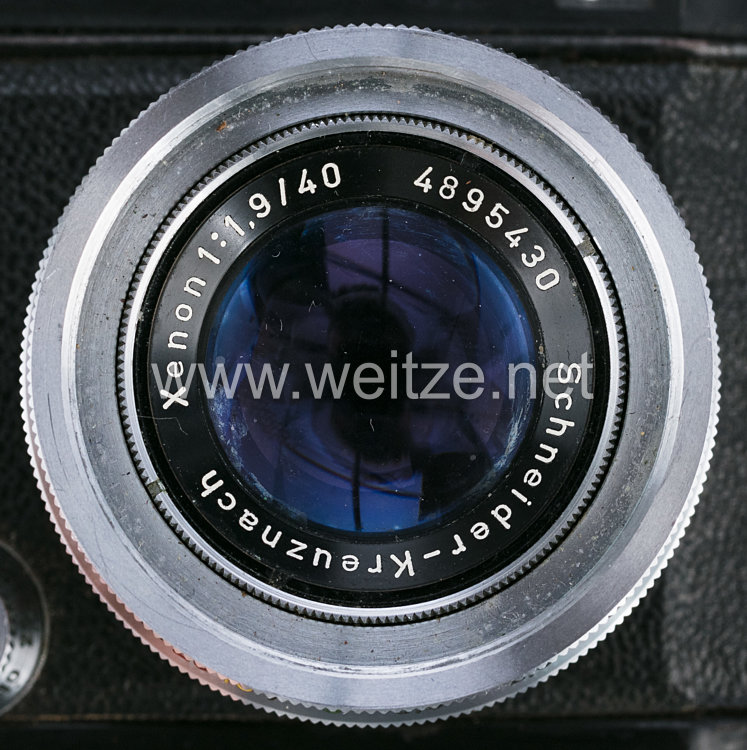
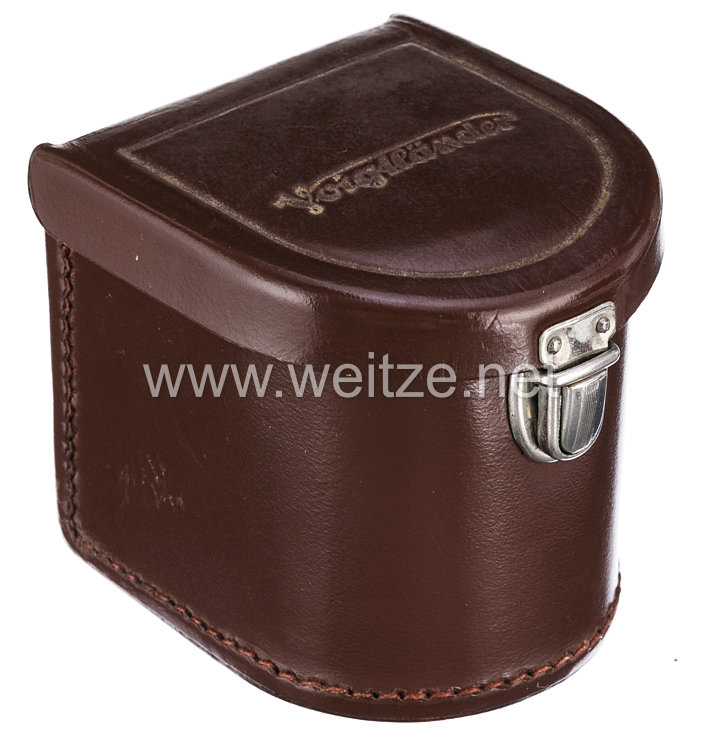
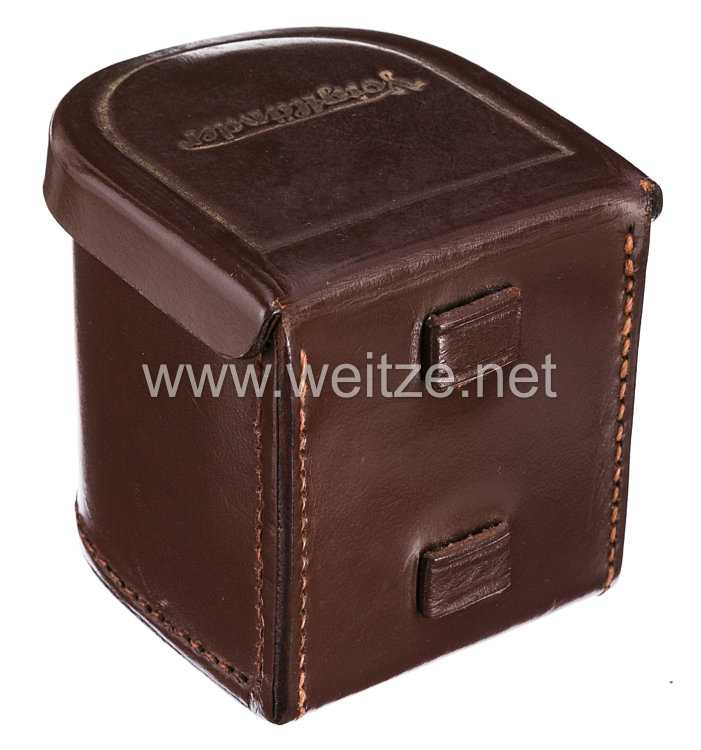
The additional Voigtländer lens is particularly interesting as it demonstrates the common practice of combining high-quality optical components from different manufacturers. Voigtländer was one of the most renowned German optics manufacturers and also supplied the Wehrmacht with optical equipment. The use of interchangeable lenses from various manufacturers was quite common in military photography and allowed flexible adaptation to different operational conditions.
The Robot II, the most frequently produced variant during the war, used 35mm film and offered a 24x24mm format. The characteristic spring-motor drive enabled up to six exposures in rapid succession without the photographer having to lower the camera. This feature was particularly valuable for documenting rapidly unfolding events or in combat situations.
After the war, many of these cameras were taken by Allied soldiers as war trophies or entered circulation on the black market. The Robot company resumed production after 1945, albeit under changed conditions and without military markings. Pre-war and wartime models with the inscription “Luftwaffen-Eigentum” are particularly sought-after collector's items today.
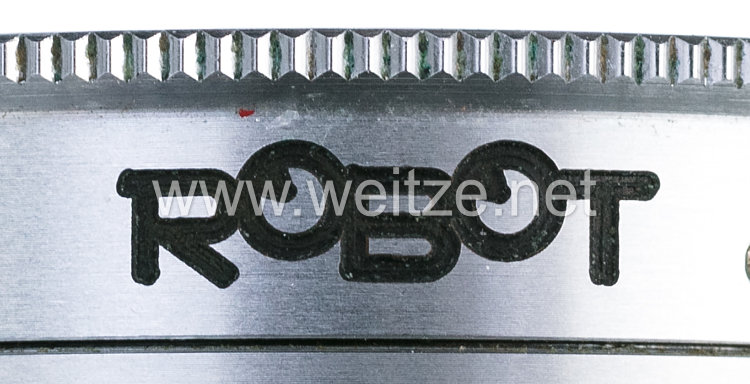
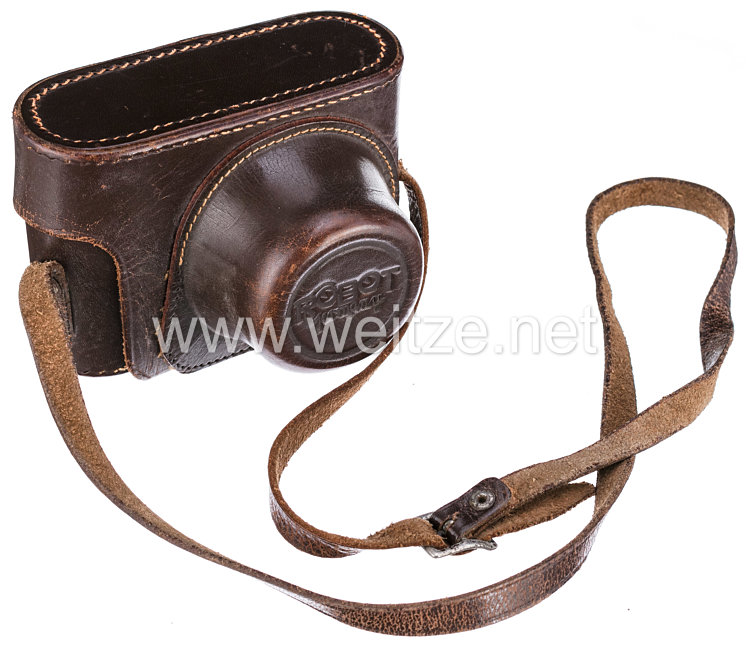
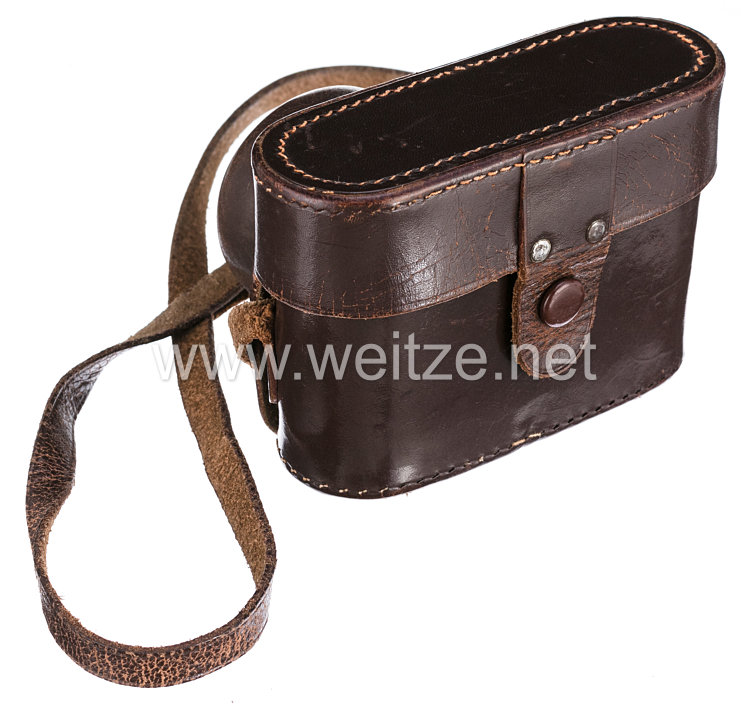
The complete preservation in the original leather case bearing the designation “Robot Germany” is remarkable, as many of these cases were lost over the decades or destroyed through use. The case itself was part of military equipment and had to withstand the harsh conditions of field service.
The fact that this camera is still fully functional speaks to the exceptional quality of German precision engineering of that era. Robot cameras were known for their durability and reliability, qualities that were essential for military equipment.
Today, such cameras are important historical artifacts that not only document the technological development of photography but also provide insight into the military organization and logistics of the Wehrmacht. They serve as reminders of a time when photography increasingly became an important instrument of military reconnaissance and documentation – a development that remains significant in modern warfare to this day.
The combination of the blackened body, the Luftwaffe marking, the preserved leather case, and the additional Voigtländer lens makes this ensemble a comprehensive example of German military photographic equipment from World War II, representing both the technical sophistication and the organizational systems of the period.