Wehrmacht Presentation Saber from the City of Haan to the Oak Leaves to the Knight's Cross of the Iron Cross Recipient Oberleutnant Wilhelm Niggemeyer

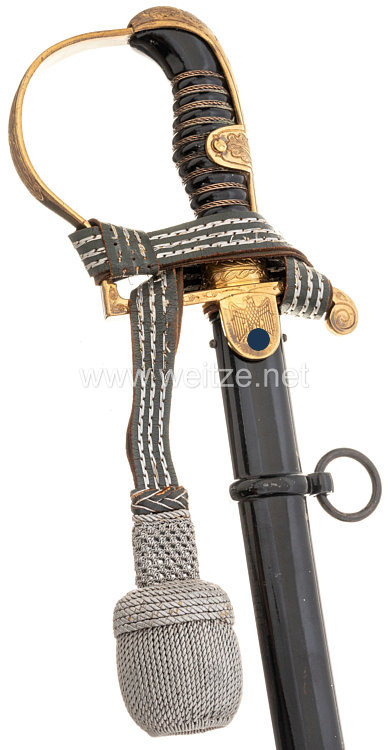
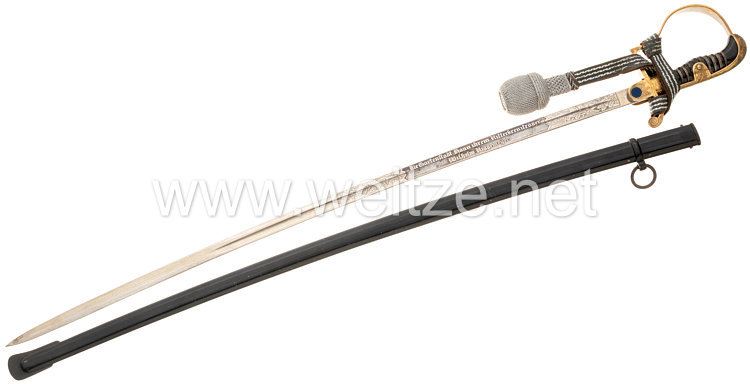
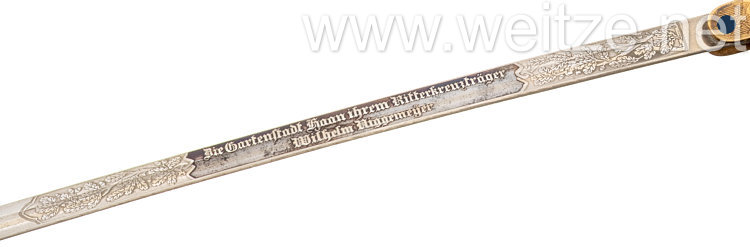
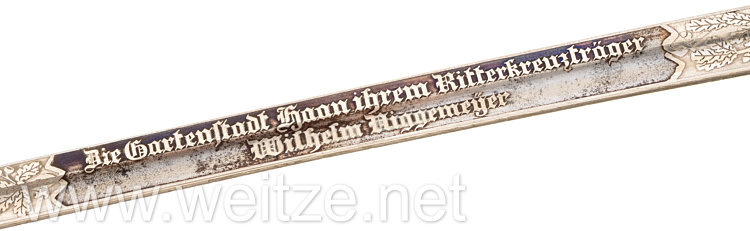
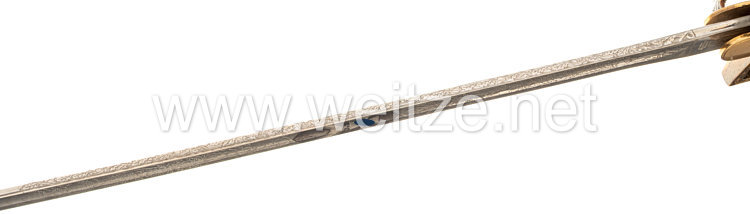
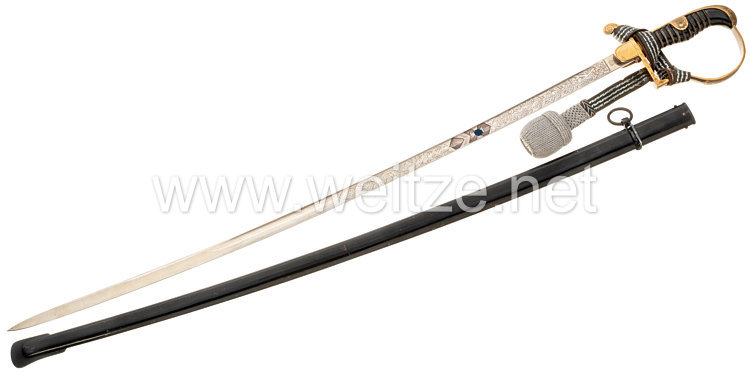
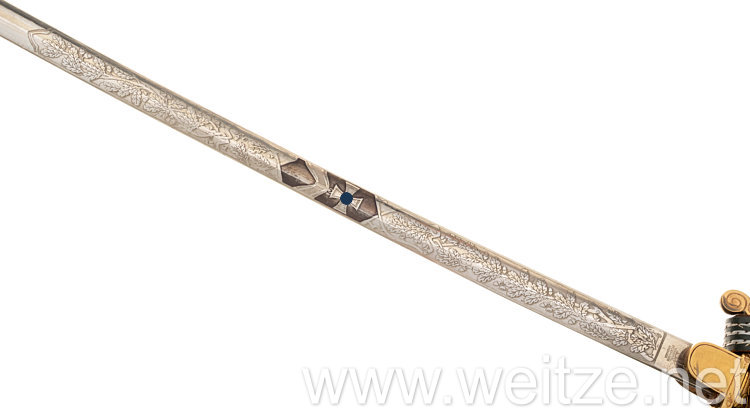
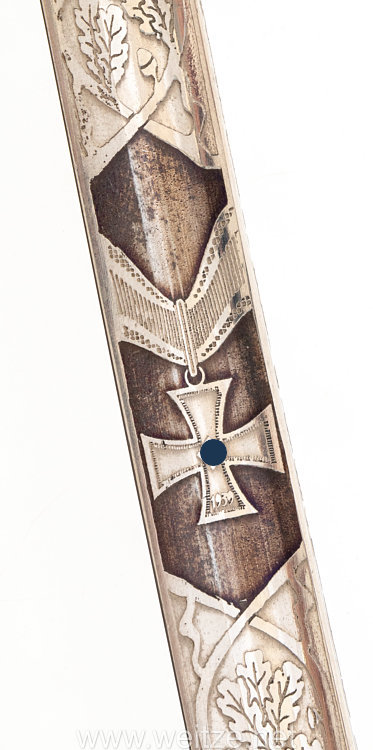
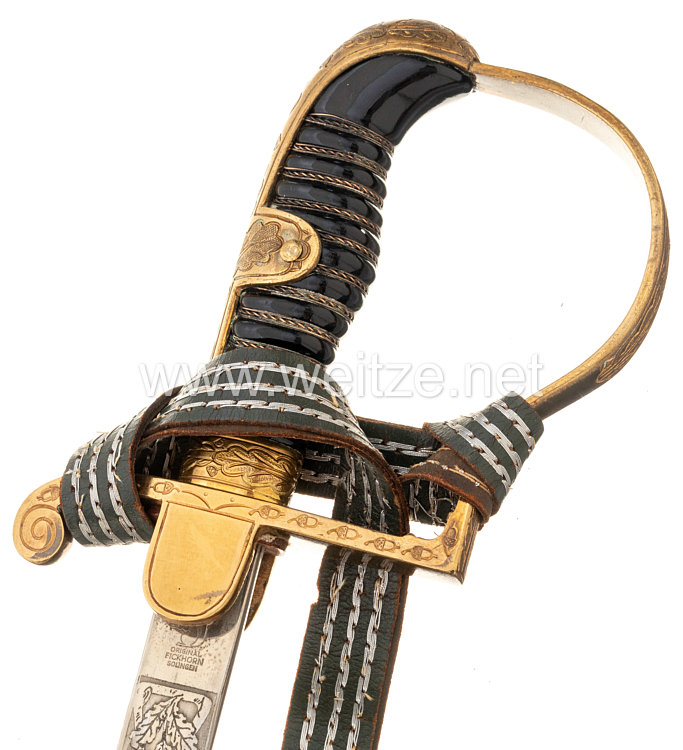
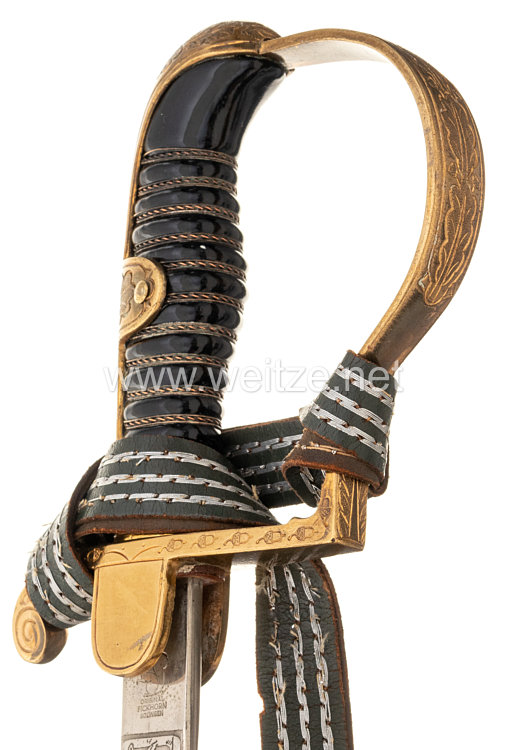
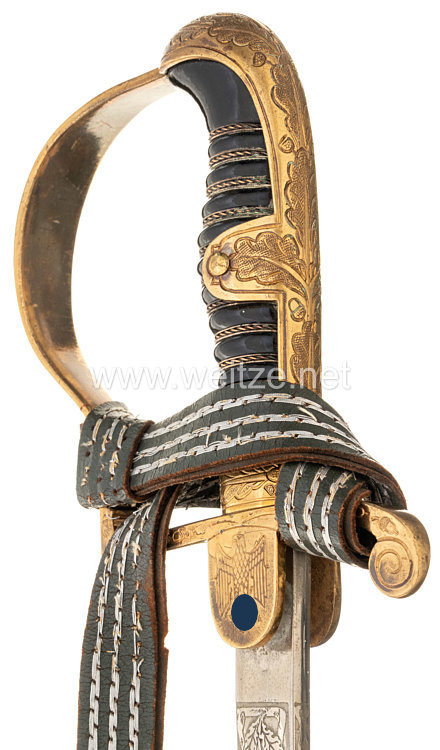
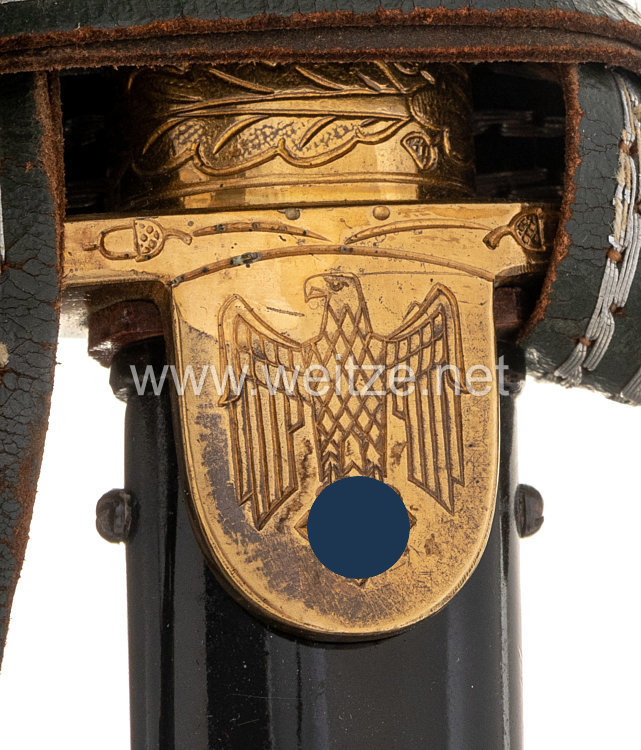
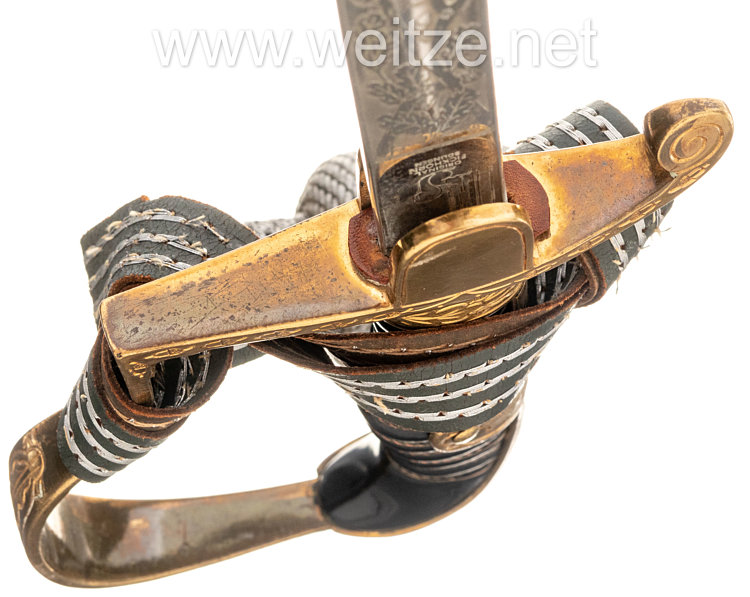
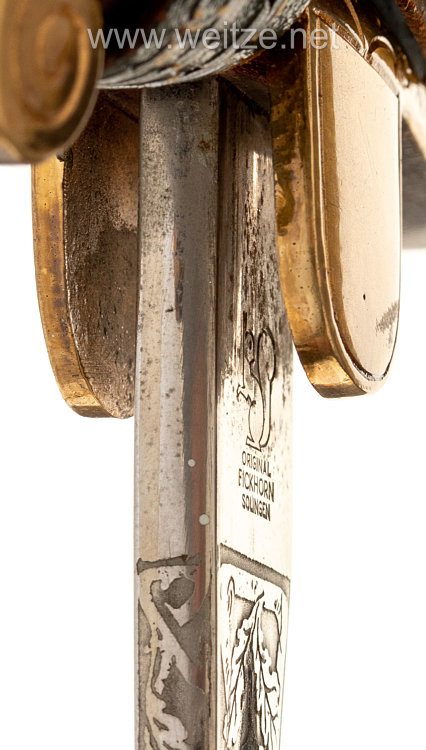
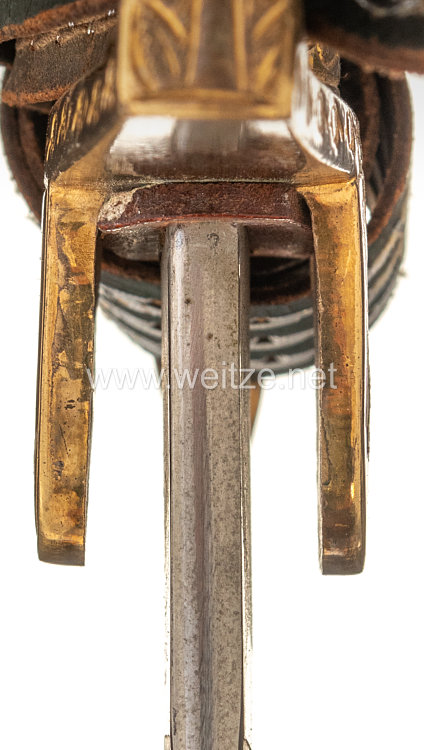
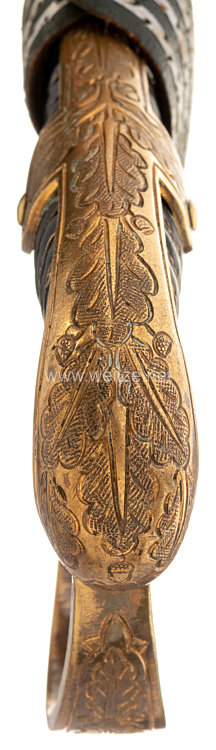
This is a particularly fine example manufactured by Eickhorn from the Field Marshal series - Model 1716 “Roon”. The blade with etching on both sides: on the obverse with etched dedication “Die Gartenstadt Haan ihrem Ritterkreuzträger Wilhelm Niggemeyer” with oak leaf decoration, on the reverse in the center of the blade a very fine depiction: the Knight's Cross of the Iron Cross on a neck ribbon, flanked by oak leaf decoration on each side, on the ricasso with the company marking “Original Eickhorn Solingen”, with the squirrel in the post-1940 version without sword. Gilt-finished hilt with hand-engraved oak leaf ornamentation, on the crossguard the Wehrmacht national eagle, black synthetic grip with intact wire wrapping, the scabbard retaining nearly 98% of its original lacquer, complete with the original knotted officer's sword knot. Only lightly worn, condition 2+.

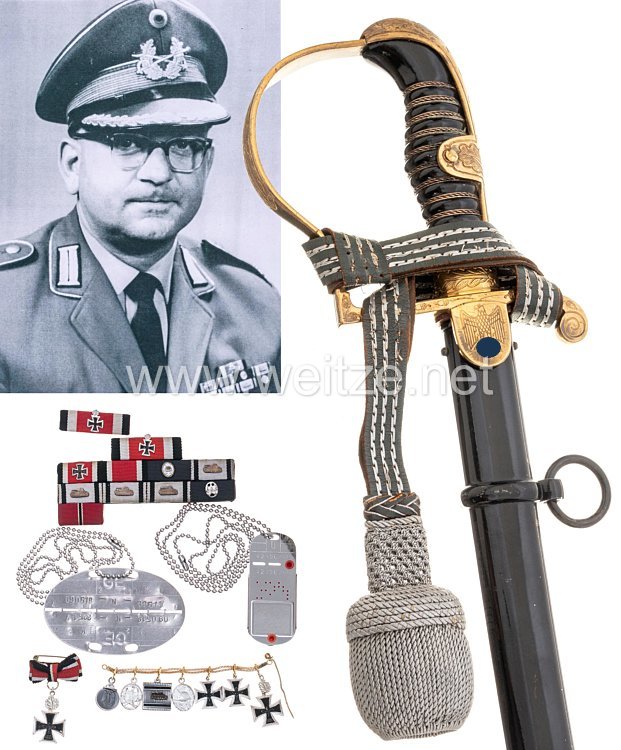
Included are Niggemeyer's decorations as a later Bundeswehr officer in the 1957 version:
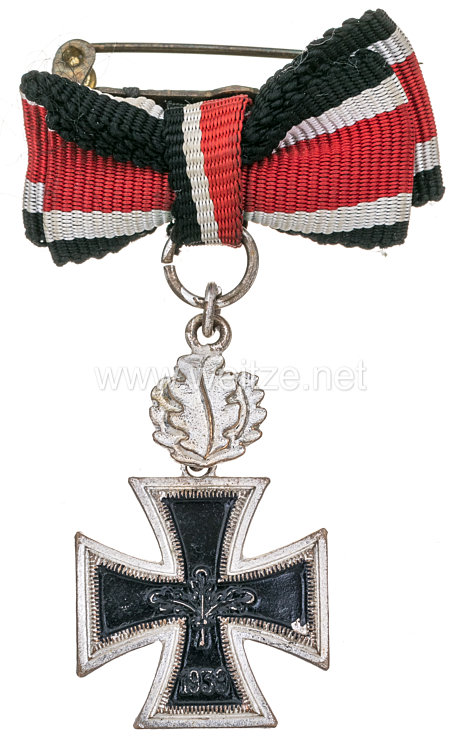
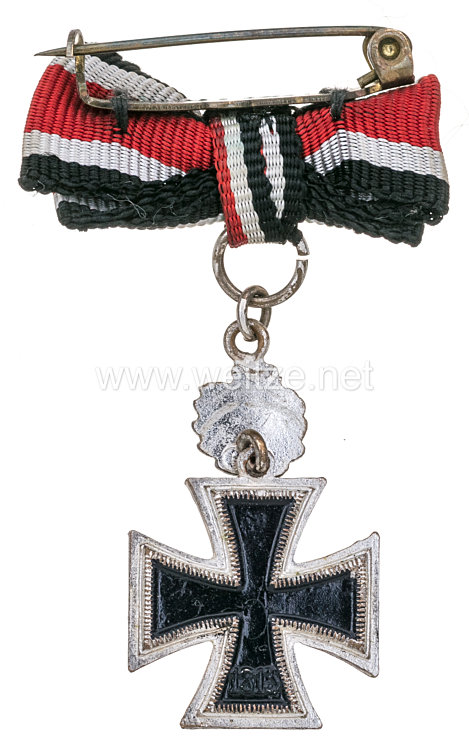
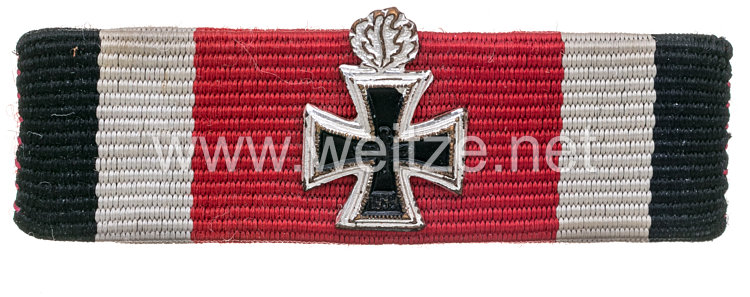
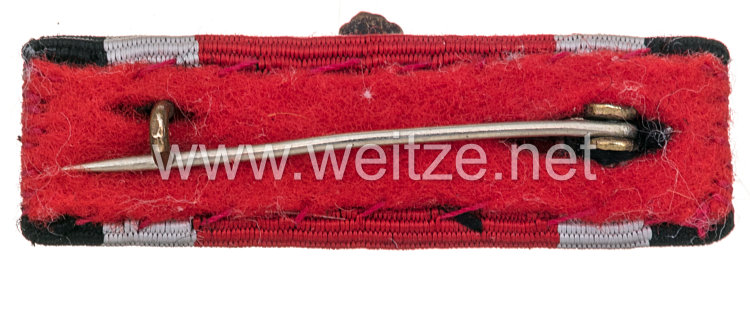
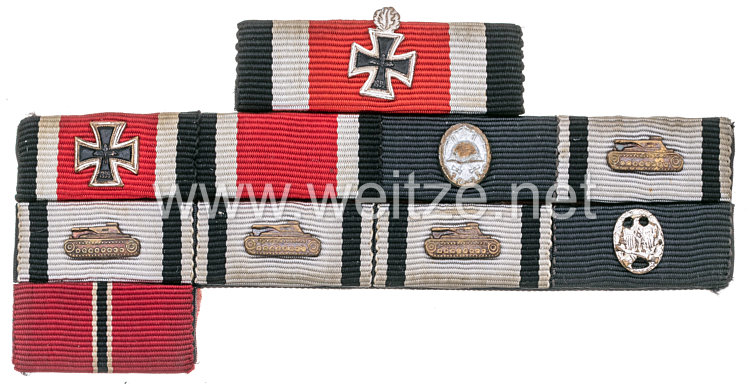
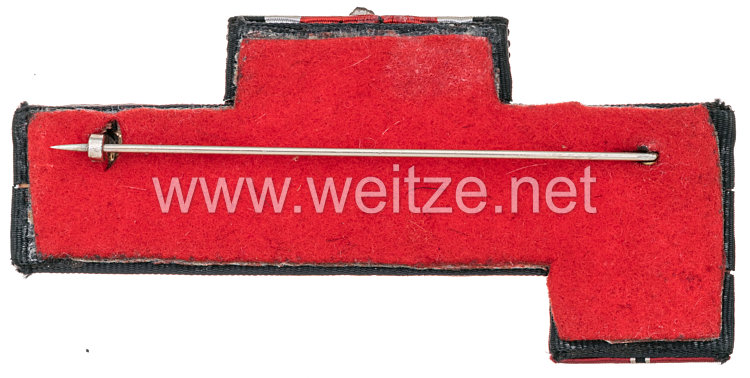
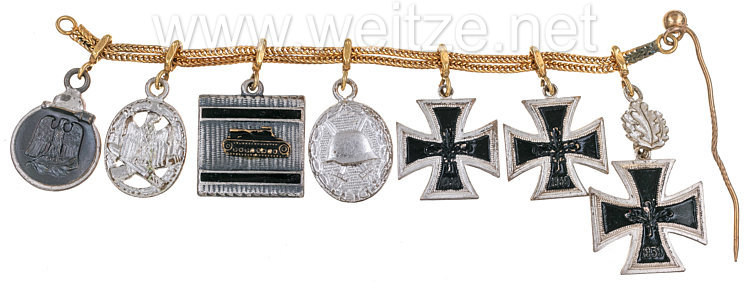
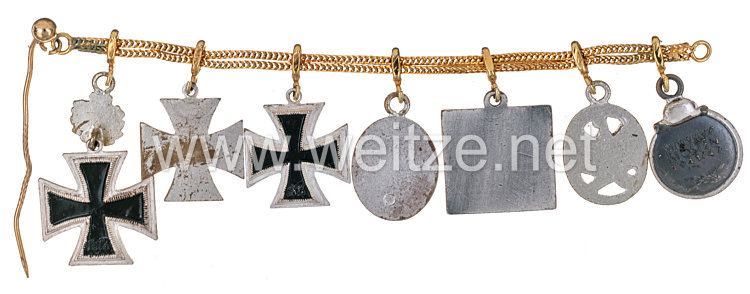
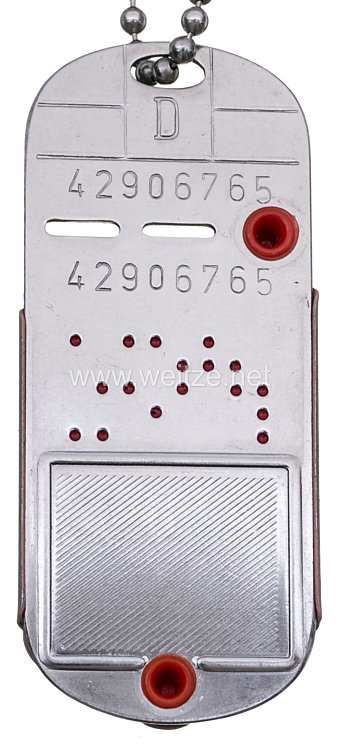
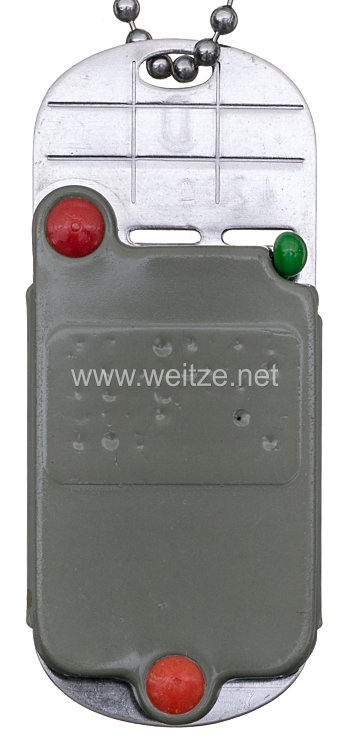
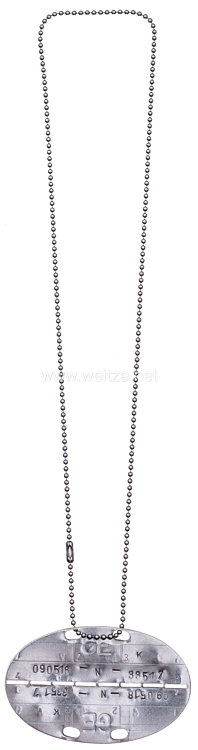
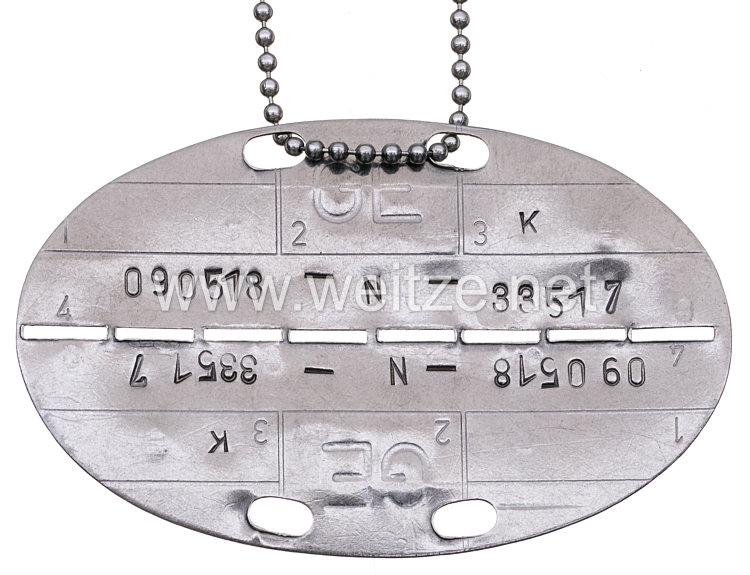
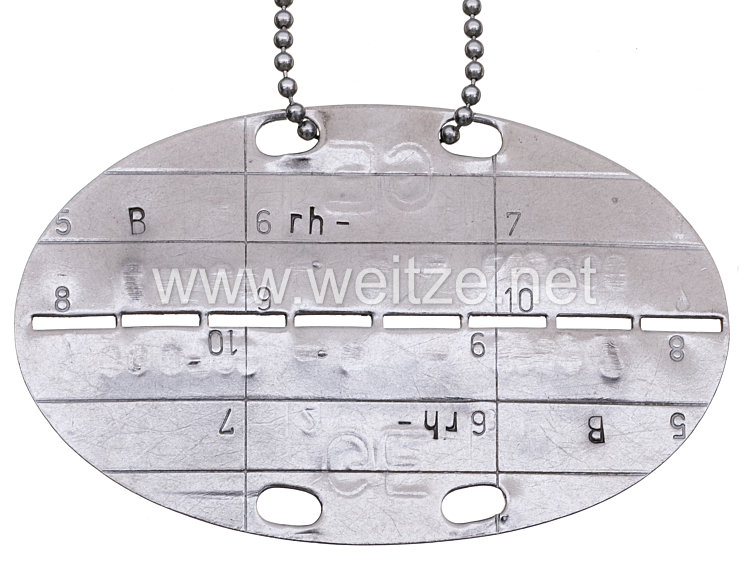
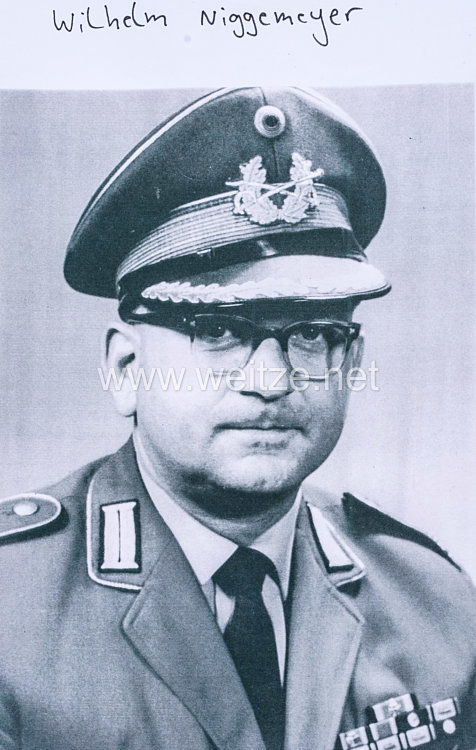
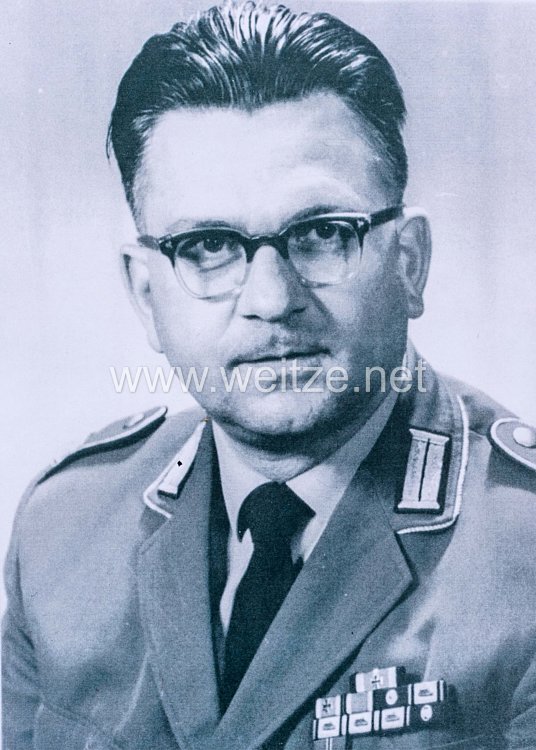
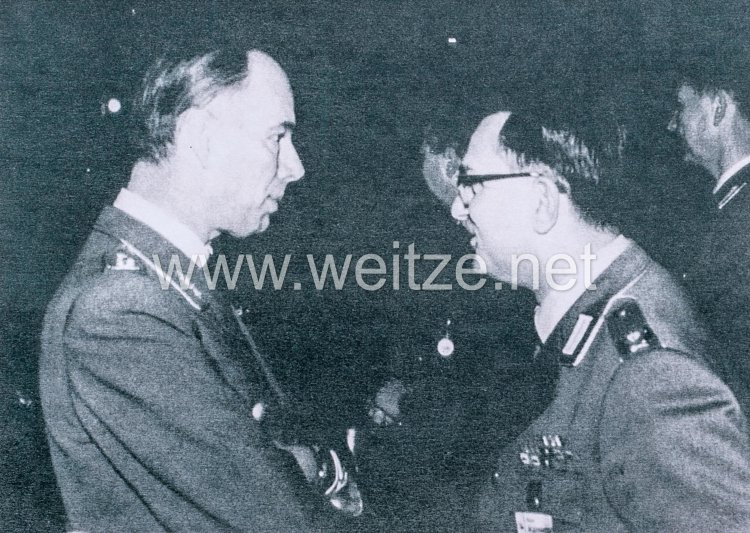
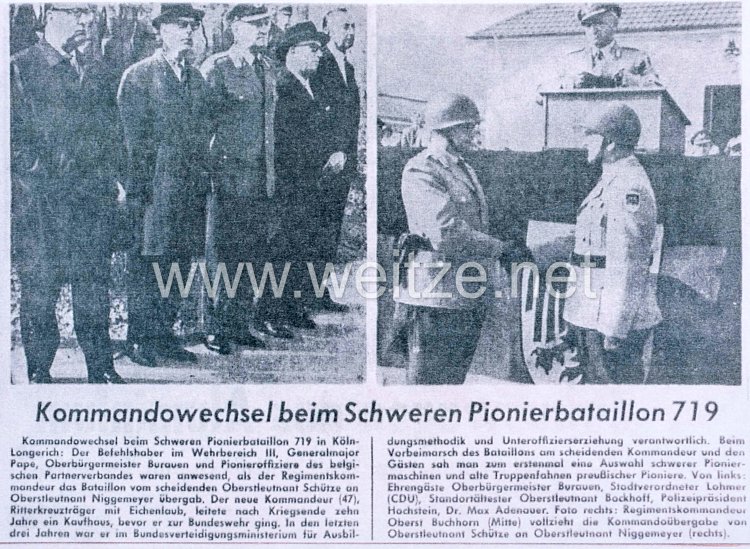
Medal bar with 10 decorations, Knight's Cross with Oak Leaves, Iron Cross 1st and 2nd Class, Wound Badge in Silver, 4 Tank Destruction Badges, General Assault Badge, Eastern Front Medal on pin. Medal bar for the Oak Leaves to the Knight's Cross, on pin. Miniature of the Oak Leaves to the Knight's Cross, on ribbon with pin. Dress chain with 7 decorations. Also included are both Bundeswehr identification tags. Photocopies of photographs from his Bundeswehr period are included, and in one photograph he is wearing exactly this full-size medal bar.

Wilhelm Niggemeyer entered Pionier-Bataillon 26 on October 1, 1938, participated in the Western Campaign, was promoted to Leutnant and in June 1941 was commander of the 2nd Company in his battalion. During the fighting around Rzhev and Voronezh he distinguished himself particularly and was awarded the Knight's Cross on September 18, 1942. He was subsequently promoted to Oberleutnant of the Reserve and became battalion adjutant. On May 17, 1943 he was awarded the Oak Leaves. At war's end he was taken into Allied captivity, from which he was released in September 1945.
278142

Wehrmacht Presentation Saber from the City of Haan to the Oak Leaves to the Knight's Cross of the Iron Cross Recipient Oberleutnant Wilhelm Niggemeyer

This magnificent presentation sabre manufactured by the Carl Eickhorn Waffenfabrik of Solingen represents an exceptional example of the Third Reich's military honors culture. The Model 1716 “Roon” from the prestigious Feldherrnserie (Field Marshall Series) was presented to Wilhelm Niggemeyer by his hometown of Haan after he was awarded the Oak Leaves to the Knight's Cross of the Iron Cross on 17 May 1943, becoming the 241st recipient of this distinction.

The Feldherrnserie by Eickhorn comprised nine different sword models named after famous German military figures: Wrangel, Scharnhorst, Blücher, Freiherr vom Stein, Roon, Derfflinger, Zeiten, Prinz Eugen, and Lützow. This series was introduced between 1936 and 1939, with the Wrangel pattern being the earliest and the Prinz Eugen and Lützow patterns being the latest designs. The Roon and Blücher patterns were introduced in 1938, with the design drawings for the Roon pattern by Paul Casberg dated to that year. Named after Albrecht von Roon, a prominent Prussian military figure, the Roon pattern was among the most expensive Army swords sold by Eickhorn during the war period, priced at 18.65 Reichsmark due to extensive hand-chiseling of hilt decorations. All designs in the Feldherrn Serie were patented by Eickhorn and typically marked “Ges. Gesch” (Gesetzlich Geschützt - Protected by Law) on the bottom of the cross guard.

The blade of this sabre bears on the obverse an etched dedication reading “Die Gartenstadt Haan ihrem Ritterkreuzträger Wilhelm Niggemeyer” (The Garden City of Haan to its Knight's Cross Bearer Wilhelm Niggemeyer) with oak leaf decoration. The reverse features an artful depiction of the Knight's Cross of the Iron Cross on a neck ribbon at the center of the blade, flanked by oak leaf decoration on both sides. The ricasso bears the maker's mark “Original Eickhorn Solingen” with the squirrel trademark in the post-1940 variant without sword, dating from when Eickhorn simplified their trademark. The gilded hilt displays hand-engraved oak leaf embellishments, while the cross guard features the Wehrmacht eagle. The black celluloid grip retains its intact twisted wire wrapping, and the complete original officer's portepee (sword knot) is included.

Wilhelm Niggemeyer, born 9 May 1918 in Haan near Düsseldorf, entered Pionier-Bataillon 26 (Pioneer Battalion 26) on 1 October 1938. After participating in the Western Campaign, he was promoted to Leutnant and commanded the 2. Kompanie of his battalion in June 1941. His exceptional performance in combat near Kaluga, where he destroyed Soviet tanks in close combat, led to the award of the Knight's Cross on 18 September 1942 while serving as Leutnant der Reserve and commander of 2./Pionier-Bataillon 26. Following his promotion to Oberleutnant der Reserve and appointment as battalion adjutant, he was awarded the Oak Leaves on 17 May 1943, the 241st award of this decoration. This higher grade of the Knight's Cross had been instituted on 3 June 1940, and a total of 863 Oak Leaves awards were made between 1940 and 1945, with 192 awarded in 1943 alone.

The Carl Eickhorn Waffenfabrik, founded in 1865 by Carl Eickhorn, was one of the most prestigious Solingen blade manufacturers during the Third Reich period. Wehrmacht officer swords were purchased privately by officers for wear with dress uniforms during the 1930s and into the early war years. Production of sabres and swords was discontinued per regulations of 27 May 1943, though those already in service continued to be worn occasionally for the duration of the war. Presentation swords such as this were customary gifts from hometowns, units, or organizations to honor recipients of high military decorations.

Following the war's end, Niggemeyer was taken into Allied captivity and was released in September 1945. He later served as an officer in the Bundeswehr (West German Armed Forces). After World War II, the Federal Republic of Germany prohibited the wearing of Nazi insignia. In 1957, the German government authorized replacement versions of the Knight's Cross and other decorations with oak leaf clusters replacing swastikas, which World War II recipients could wear legally. Niggemeyer received these 1957-version reproductions of his decorations for wear as a Bundeswehr officer. Wilhelm Niggemeyer died on 14 February 2008 in Erftstadt-Lechenich near Cologne.

The Carl Eickhorn firm declared bankruptcy in May 1975. Its assets were purchased by Bauer, which formed a subsidiary GMS that continued using the “Original Eickhorn” trademark until 1981. The trademark rights were subsequently acquired by E. & F. Hörster, and later by descendants of the Eickhorn family. A company operating as “The Original Eickhorn Solingen Ltd” continues today, though focused on modern military knives and tools rather than historical reproduction.