Deutsches Kreuz in Gold großer Nachlass aus dem Besitz von SS-Hauptscharführer Karl Paar, SS-Regiment "Der Führer", Division "Götz von Berlichingen", "SS-Regiment Radolfszell
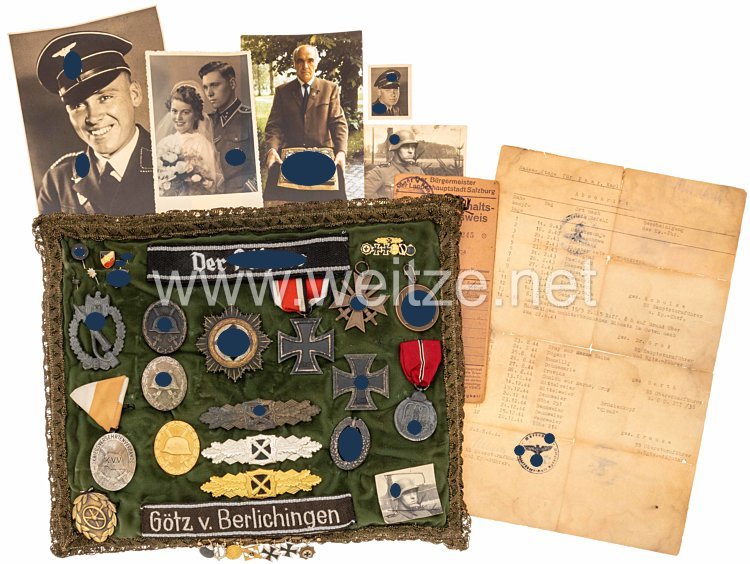
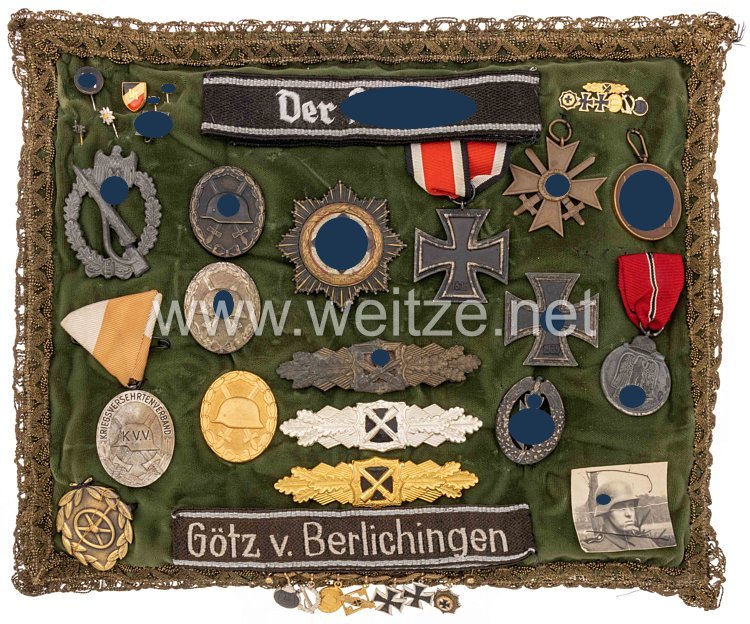
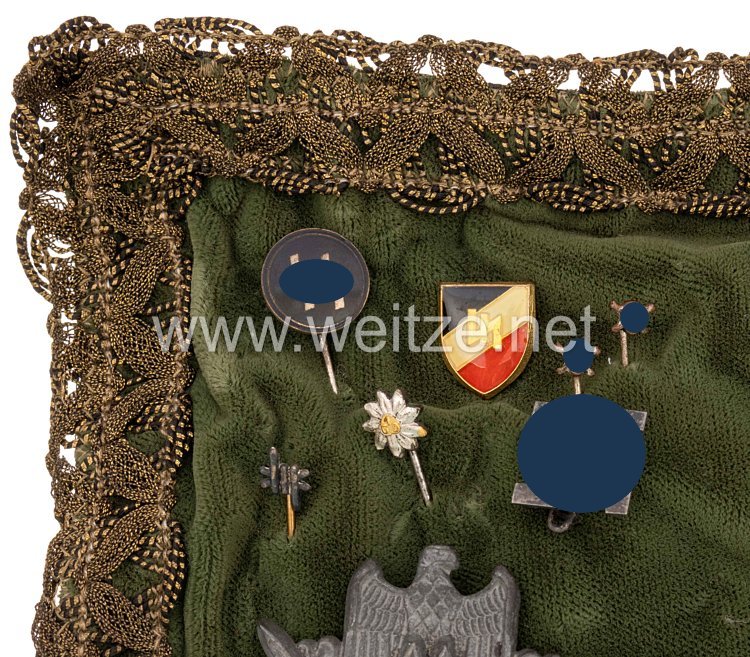
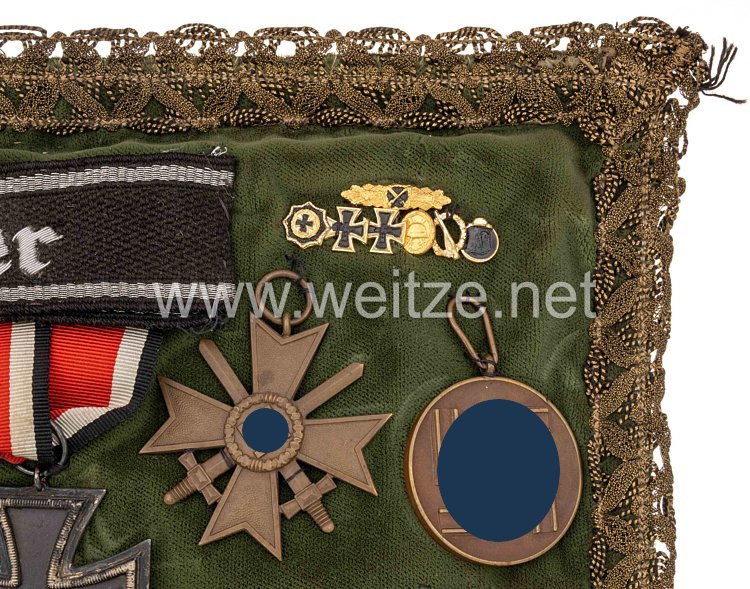
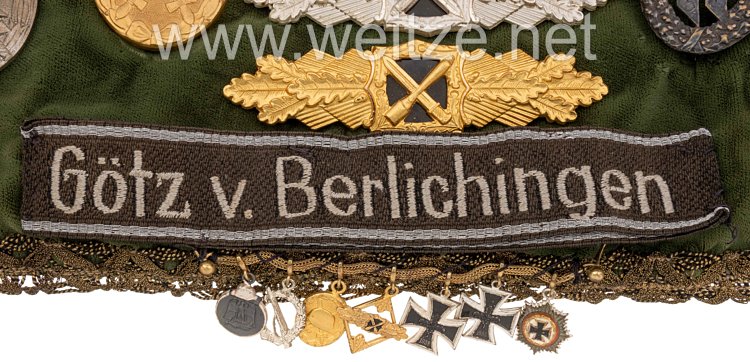
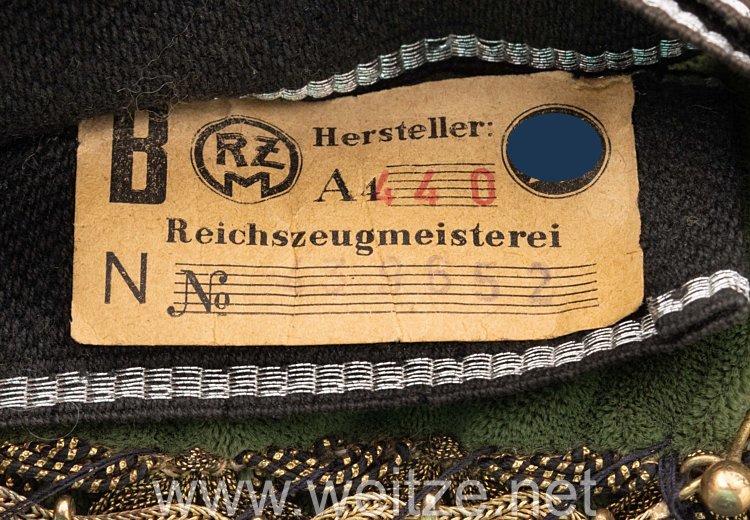
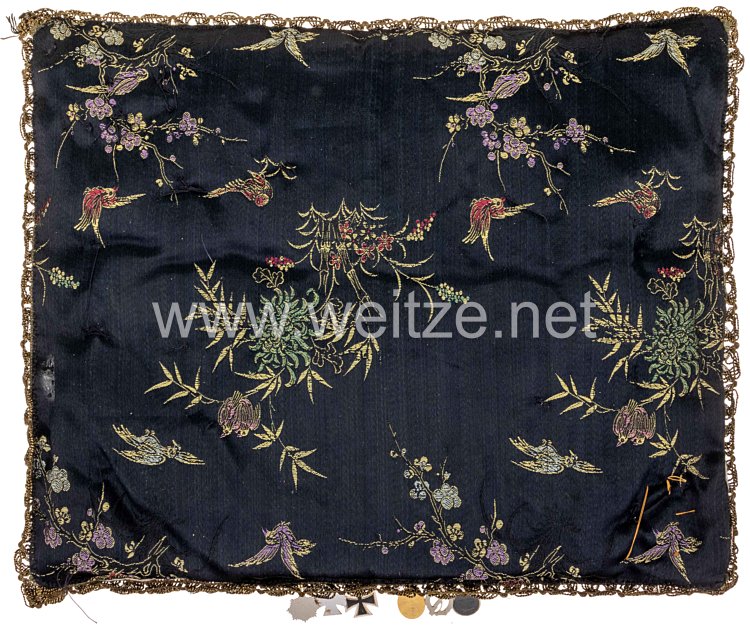
Es handelt sich hierbei um das Ordenskissen aus dem Besitz von SS-Hauptscharführer Karl Paar, der sowohl im SS-Regiment “Der Führer”, während der Invasion 1944 bei der Division "Götz von Berlichingen" diente, zu Kriegsende beim SS-Regiment “Radolfzell”, welches aus den Angehörigen der SS-Unterführerschule Radolfzell aufgestellt wurde. Auf dem Ordenskissen befinden sich insgesamt 27 Auszeichnungen, Abzeichen, Mitgliedsnadeln und Ärmelbänder, aufgesteckt auf ein ein rechteckiges Ordenskissen aus grünem Samt. Weiterhin einige Dokumente und Fotos von Paar. Auf dem Ordenskissen befinden sich die folgenden Auszeichnungen:
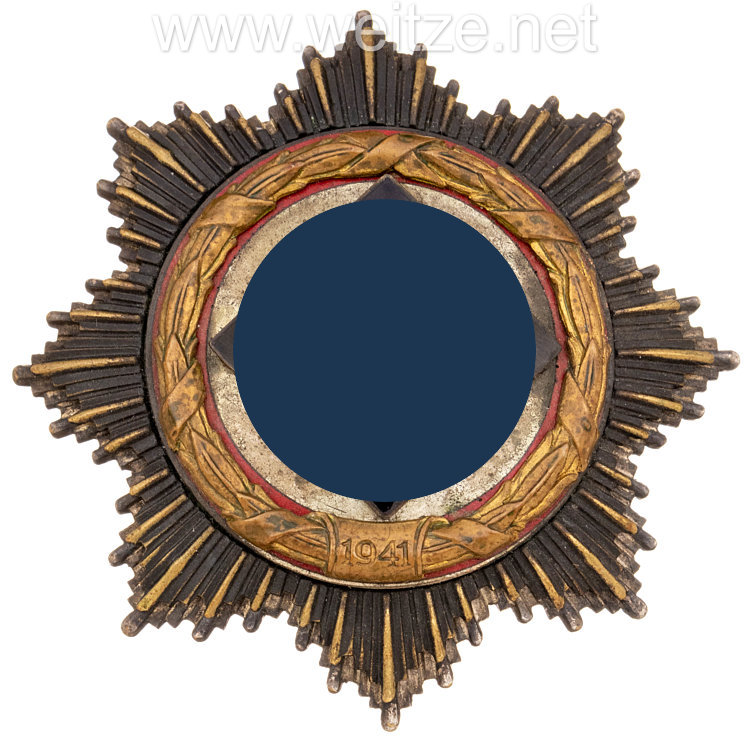
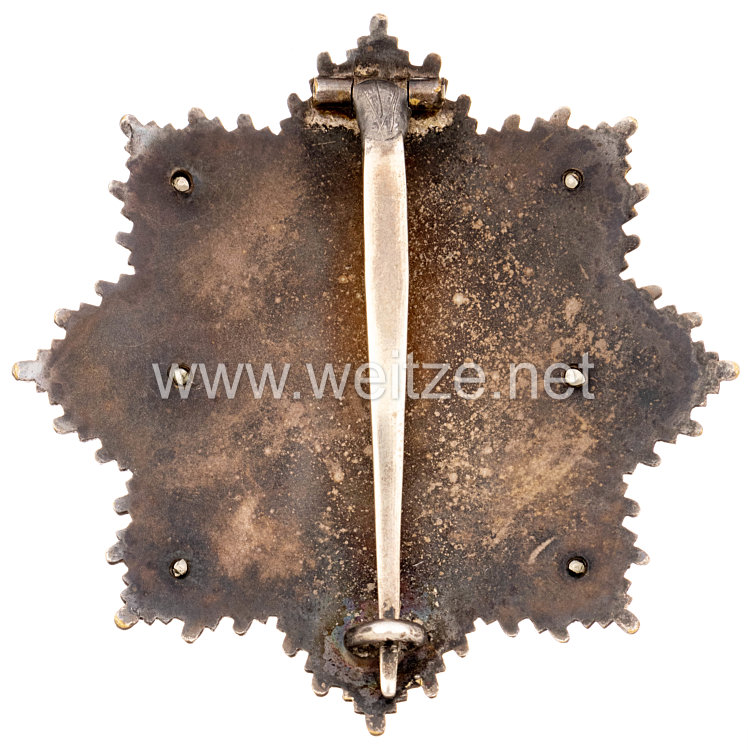
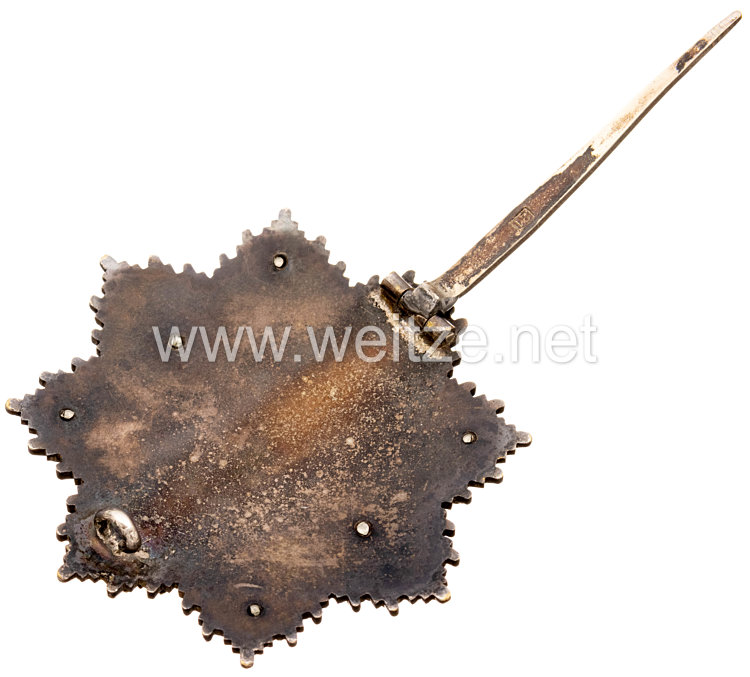
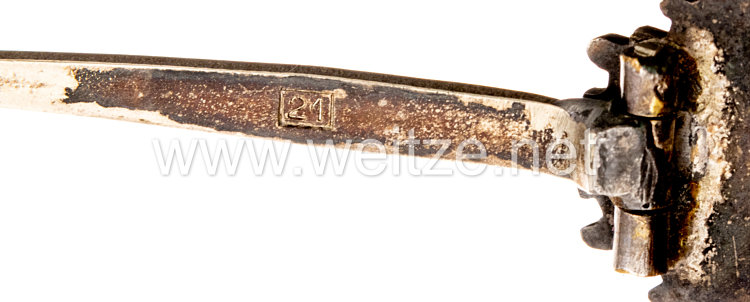
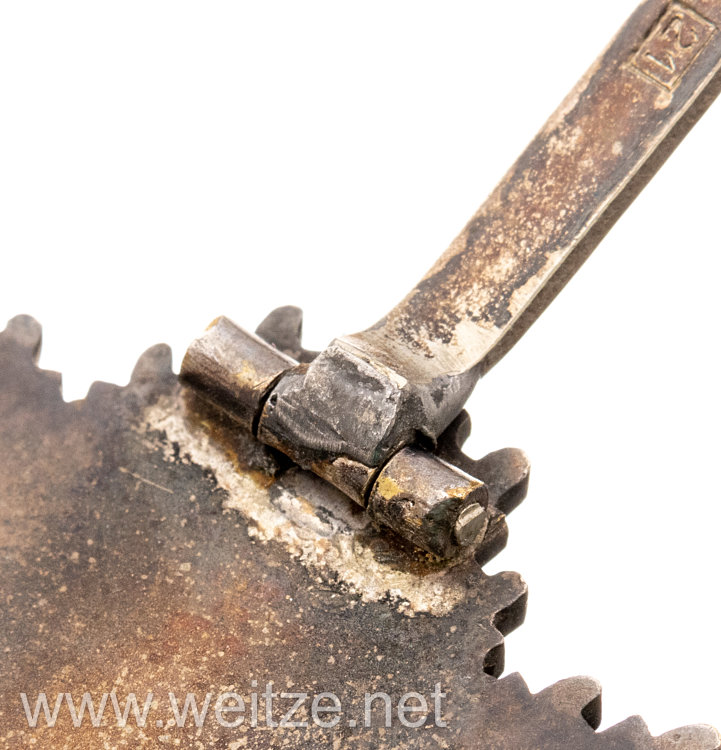
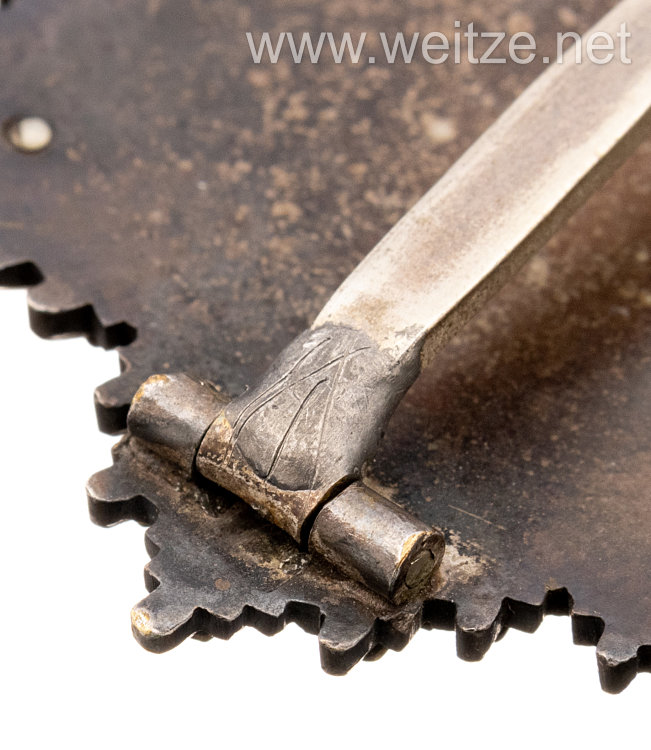
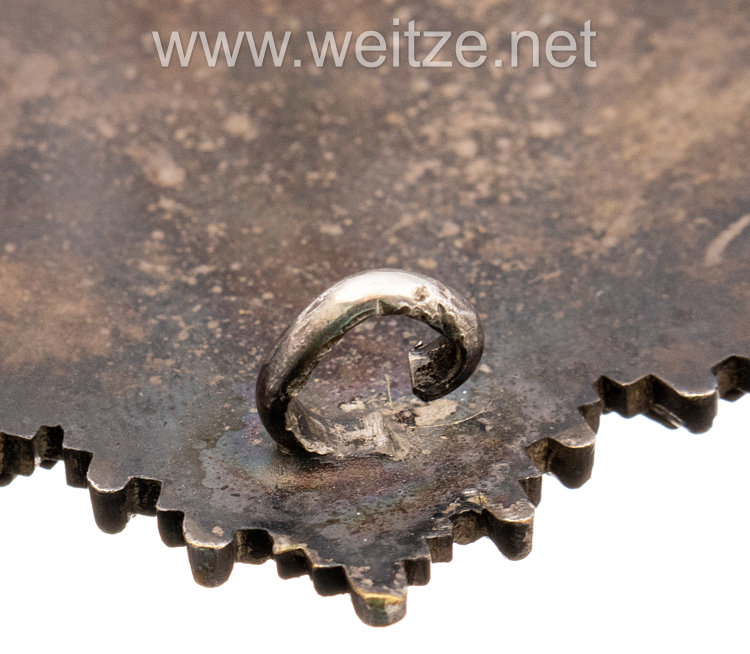
1. Deutsches Kreuz in Gold, schwere Fertigung der Fa. Godet, rückseitig mit 6 Nieten, auf der Unterseite der Nadel mit Herstellerbezeichnung "21". Deutlich getragenes Stück mit leichtem Emailleschaden auf dem Hakenkreuz. Es handelt sich um eine frühe Fertigung um 1941, die Verleihung an SS-Hauptscharführer Paar erfolgt aber erst am 28.2.1945. Sehr wahrscheinlich wurde ihm vom Regimentskommandeur ein getragenes Stück verliehen.
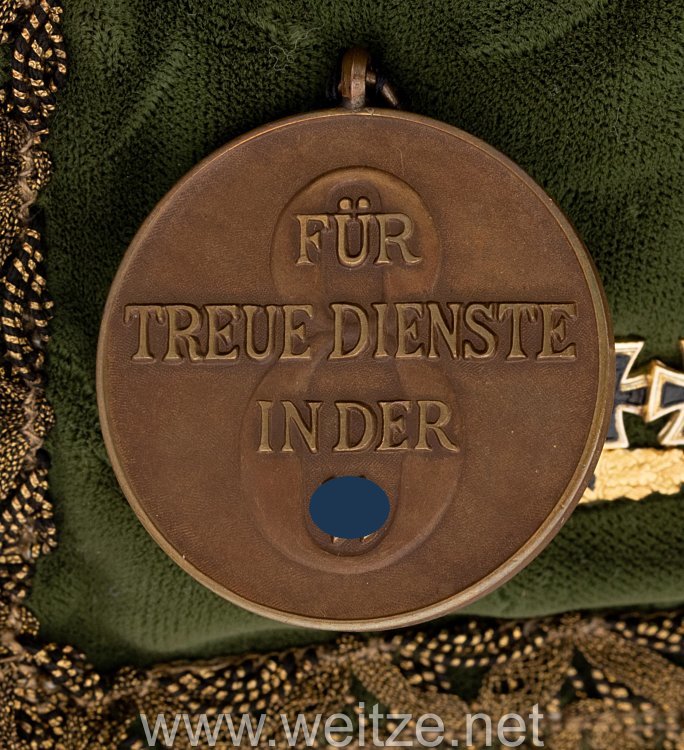
2. SS-Dienstauszeichnung für 8 Dienstjahre, Buntmetallausführung, ohne Band.
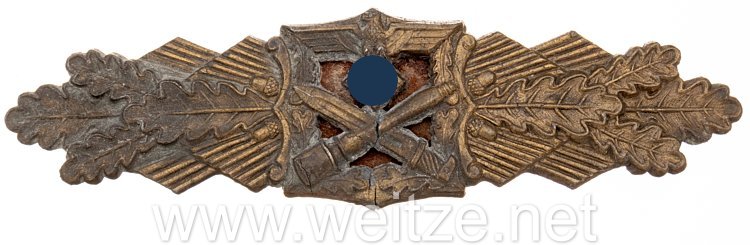
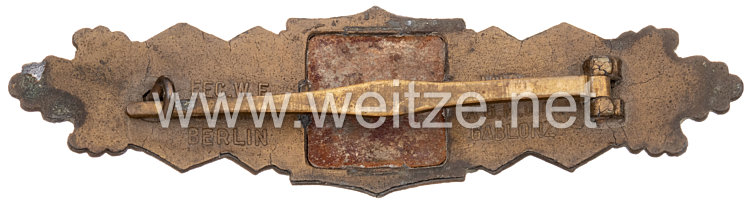
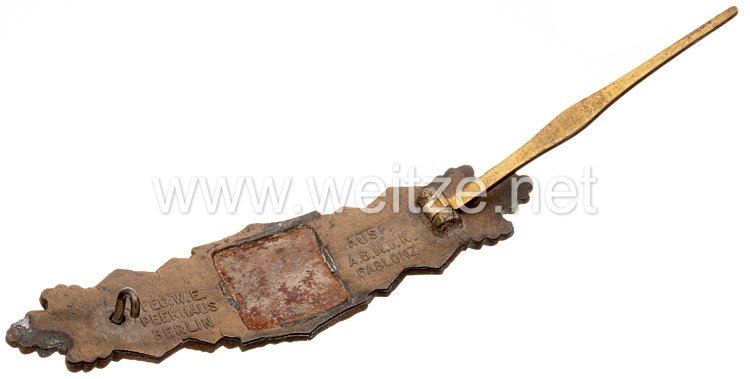
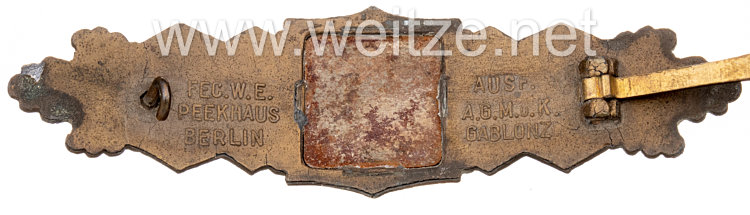
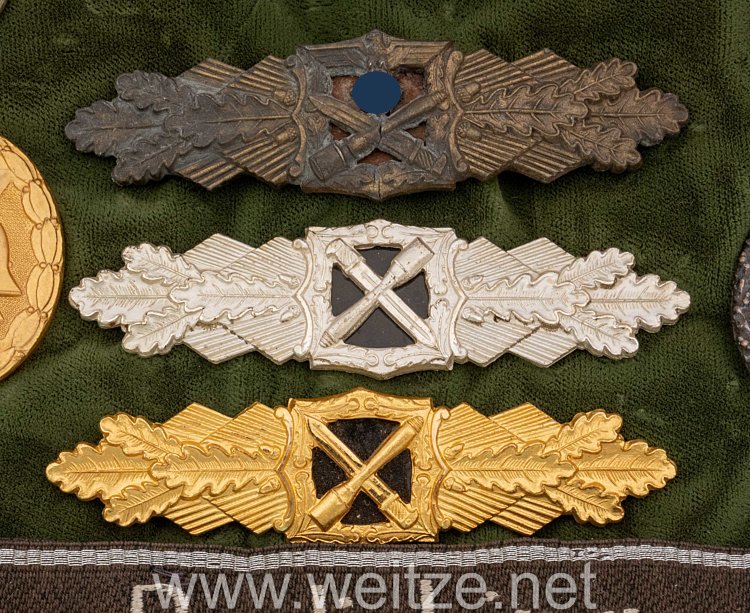
3. Nahkampfspange in Bronze, Feinzink bronziert, rückseitig mit Herstellerbezeichnung "Fec. W.E. Peekhaus Berlin - AG.M.u.K. Gablonz". Getragen, Zustand 2.
4. Nahkampfspange in Silber, Ausführung 1957, Buntmetall versilbert, Zustand 2+.
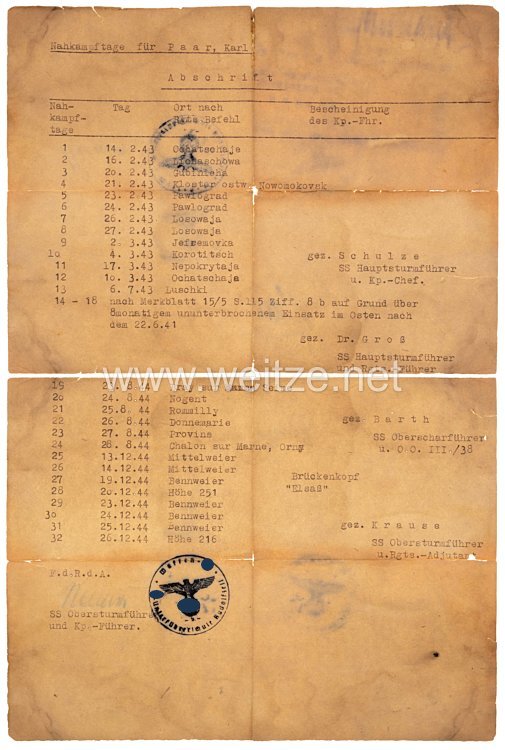
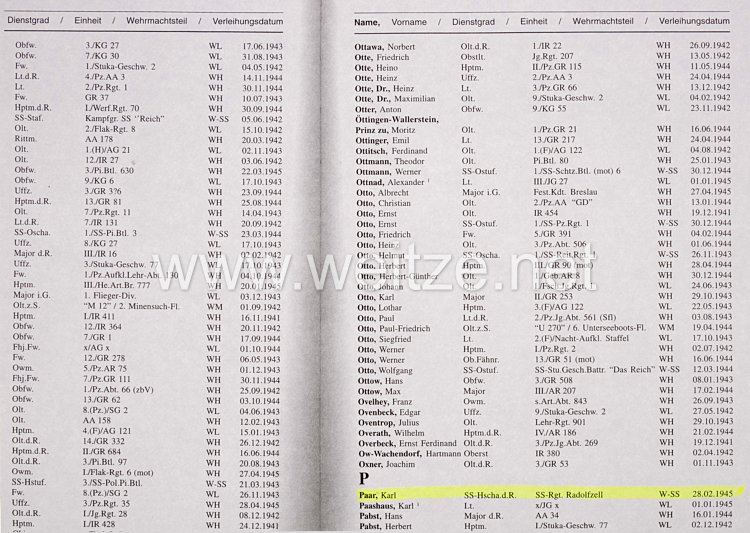
5. Nahkampfspange in Gold, Ausführung 1957, Buntmetall vergoldet, Zustand 2+. Paar ist nicht im Buch über die Träger der Nahkampfspange in Gold verzeichnet. Bis zum 26.12.1944 hatte er bereits 32 bestätigte Nahkampftage, die weiteren Nahkampftage müssen dann bis zum Kriegsende 19452 erfolgt sein.
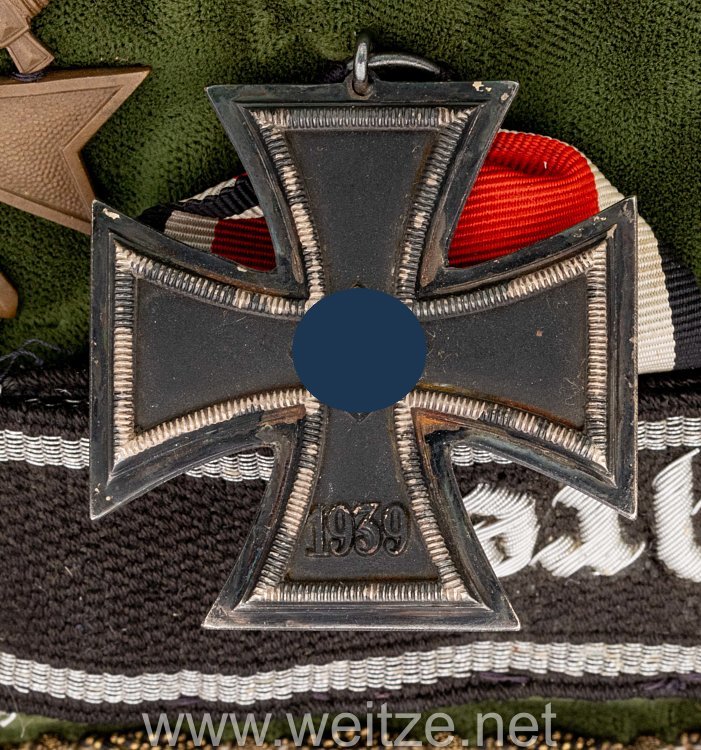
6. Eisernes Kreuz 1939 1. Klasse, ohne Hersteller. Getragen, ZUstand 2.
7. Eisernes Kreuz 1939 2. Klasse, ohne Band, Zustand 2.
8. Infanteriesturmabzeichen in Silber, Feinzink, rückseitig mit Hersteller "L/61", getragen, Zustand 2.
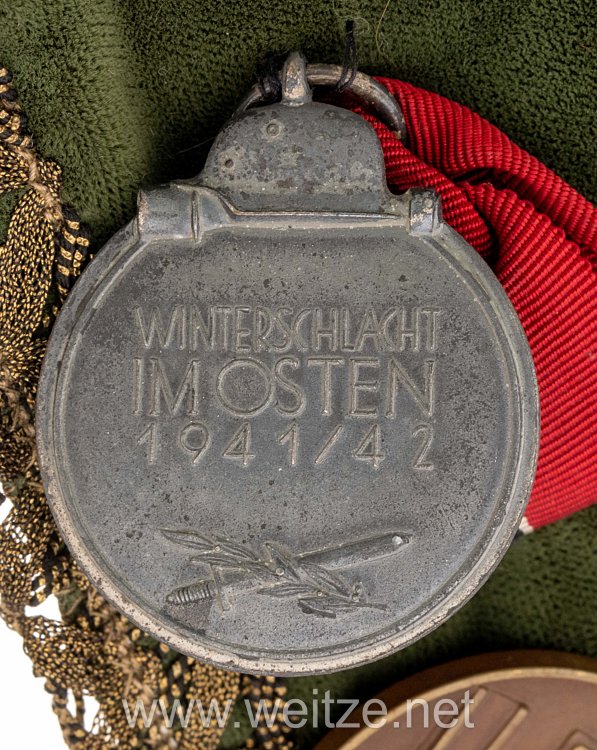
9. Medaille Winterschlacht im Osten, am Band, Zustand 2.
10. Kriegsverdienstkreuz 1939 2. Klasse mit Schwertern, ohne Band, Zustand 2.
11. Verwundetenabzeichen 1939 in Schwarz, Buntmetall geschwärzt, rückseitig mit Herstellerbezeichnung “L/11” für Wilhelm Deumer, Lüdenscheid, Zustand 2.
12. Verwundetenabzeichen 1939 in Silber, Buntmetallausführung, leicht getragen, Zustand 2.
13. Verwundetenabzeichen 1939 in Gold Auführung 1957, seine letzten Verwundungen müssen auch im Frühjahr 1945 erfolgt sein.
14. Kraftfahrbewährungsabzeichen in Bronze ohne Tuchunterlage, Zustand 2.
15. Ehrenzeichen der Einsatzstaffel der Deutschen Mannschaft in Kroatien in Silber. Hohlgeprägt, Zustand 2.
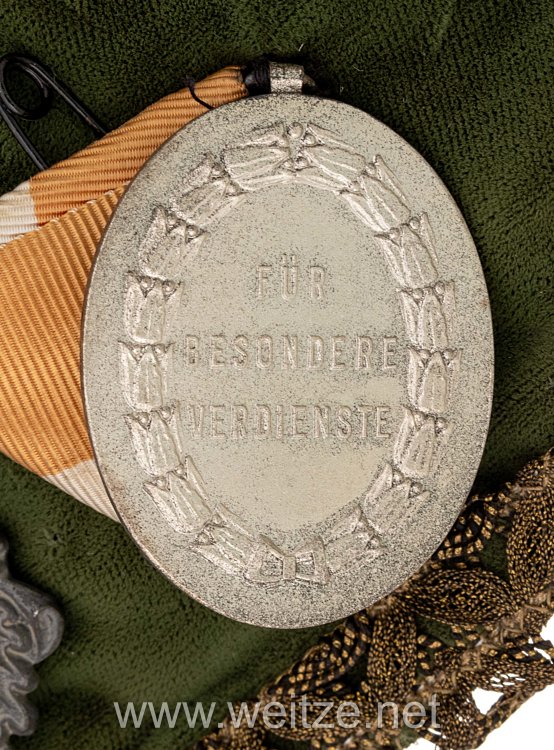
16. Österreich 1945 Kriegsversehrtenverband silberne Verdienstmedaille, am österreichischen Dreiecksband.
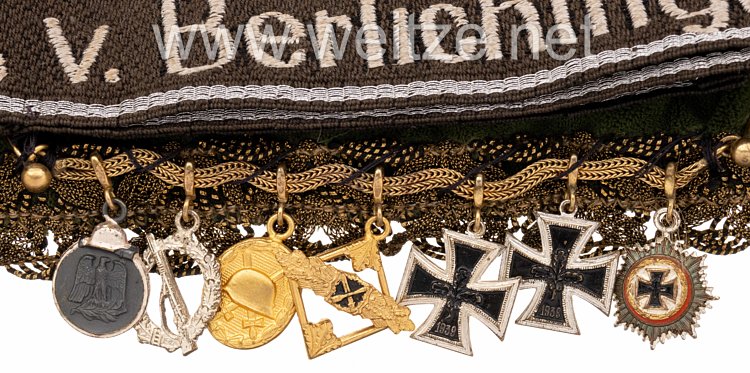
17. Ordensminiatur Nadel Modell 1957 mit 7 Auszeichnungen: Deutsches Kreuz in Gold, EK 1. und 2. Klasse, Verwundetenabzeichen in Gold, Winterschlachtmedaille, Nahkampfspange in Gold.
18. Ordensminiaturkettchen Ausführung 1957mit den gleichen Auszeichnungen.
19. Gruppe von 7 Anstecknadeln, darunter Zivilnadel HIAG Division "Der Führer", SS-Mitgliedsnadel, ohne Hersteller, etc.
20. 2 Ärmelbänder "Der Führer" und "Götz von Berlichingen", beide Fertigungen nach 1945.
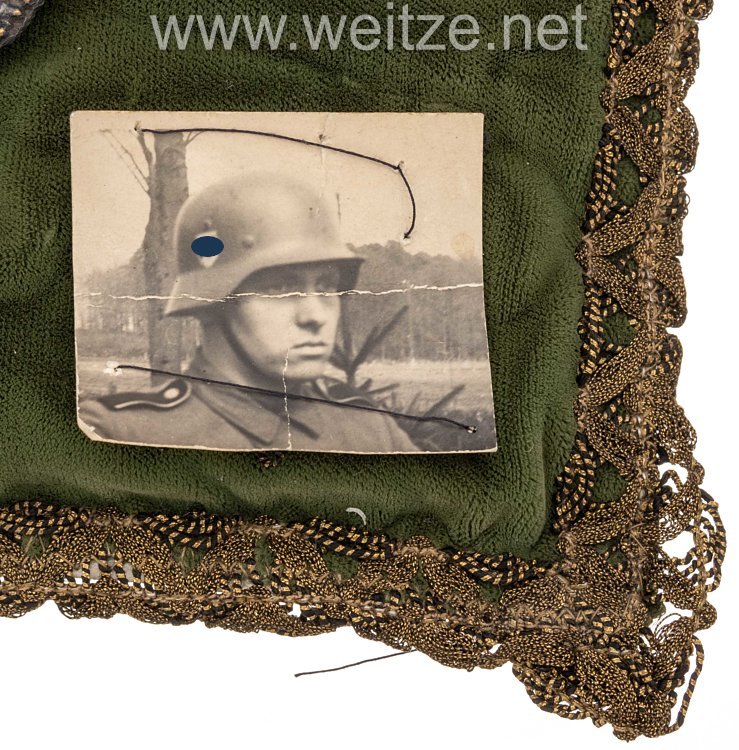
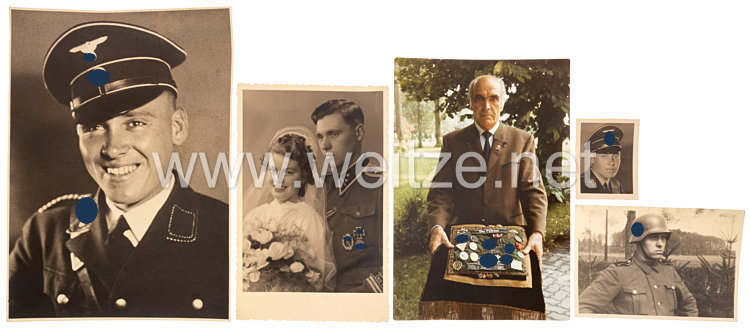
21. ein kleines Portraitfoto von Paar, noch als Mannschaftsdienstgrad, wohl im Frankreichfeldzug 1940 mit Stahlhelm.
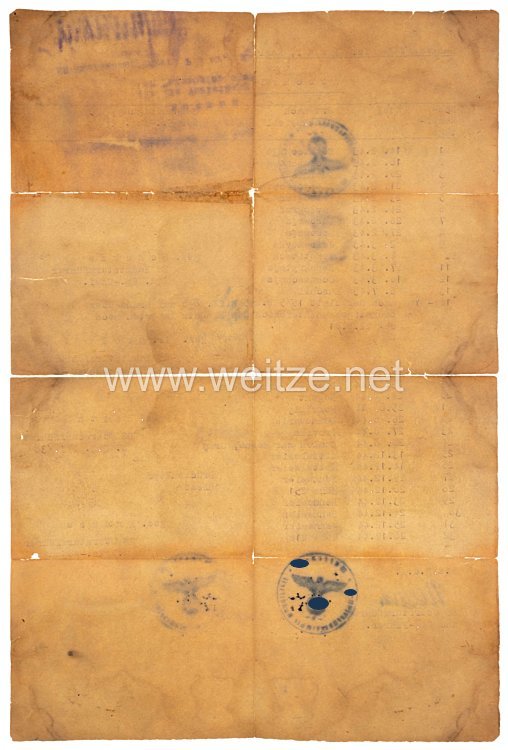
22. Bestätigungsschreiben "Nahkampftage für Paar, Karl" mit 32 bestätigten Nahkampftagen von 1943 bis zum 26.12.1944. Darunter 6 Nahkampftage im August 1944 in Frankreich als Angehöriger der III./SS-Panzergrenadier-Regiment 38, 17. SS-Panzergrenadierdivision "Götz von Berlichingen". Weitere 8 Nahkampftage im Dezember 1944 bei der Ardennenoffensive. Abschrift, ausgestellt von der SS-Unterführerschule Radolfszell, Anfang 1945.
23. Großes Portraitfoto um 1938 als Angehöriger der SS-Totenkopfstandarten, SS-Totenkopf Hundertschaft 11 in schwarzer Uniform.
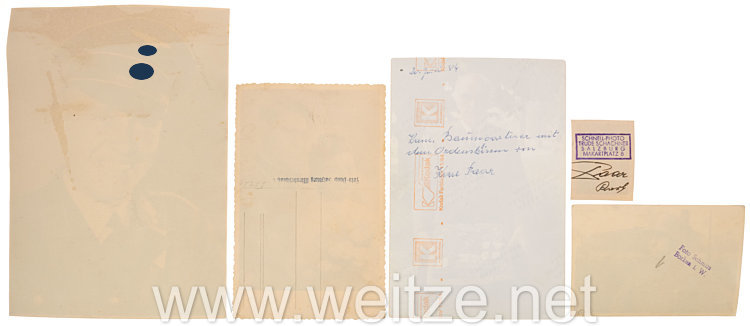
24. Ein weiteres kleines Portraitfoto um 1938 als Angehöriger der SS-Totenkopfstandarten, SS-Totenkopf Hundertschaft 11 in schwarzer Uniform für einen Ausweis. Rückseitig mit Stempel "Schnell-Photo Trude Schachner Salzburg..", mit eigenhändiger Unterschrift "Paar Karl".
25. Foto aus dem Westfeldzug 1940 als Mannschaftsdienstgrad in Feldbluse M 40 ohne Kragenspiegel, mit Stahlhelm M 35. (die gleiche Aufnahme wie auf dem Ordenskissen).
26.Hochzeitsfoto als SS-Hauptscharführer und Spieß im Regiment "Der Führer" mit Ärmelband, EK 1 und 2.Klasse, Infanteriesturmabzeichen und Verwundetenabzeichen in Silber. Rückseitig mit Stempel Fotostudio in Salzburg.
27. Zuletzt noch ein Farbfoto von der Beerdigung von Paar am 20. Juli 1984: ein Kamerad, ebenfalls dekoriert mit dem Deutschen Kreuz in Gold, genau dieses Ordenskissen haltend ! Rückseitig beschriftet "20. Juni 84 Kam. Baumgartner mit dem Ordenskissen von Karl Paar".
Ein historisch unglaublich vollständig erhaltener Nachlaß eines SS Unterführers, der von 1938 bis 1945 gedient hat. Nach seinem Einsatz an der Invasionsfront im August 1944 wurde Paar als Ausbilder zur SS-Unterführerschule Radolfzell kommandiert. Aus der Schule wurde im November 1944 noch das SS-Regiment Radolfzell gebildet, welches im Dezember 1945 bei den schweren Kämpfen um Colmar im Elsass eingesetzt war. Wahrscheinlich war Paar in Salzburg geboren, wo er auch geheiratet hat und nach dem Krieg lebte.
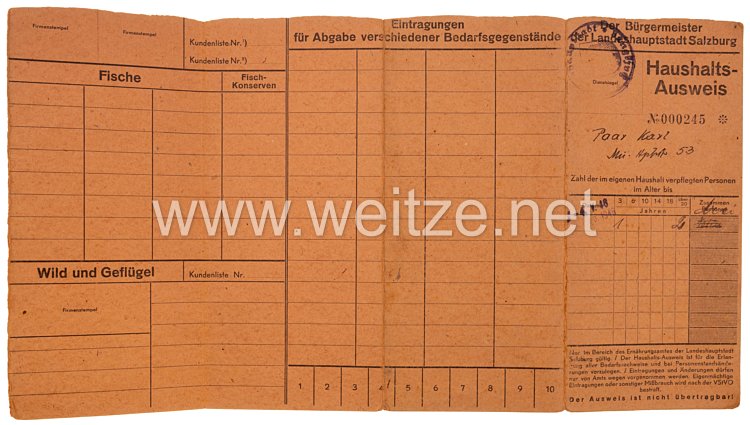
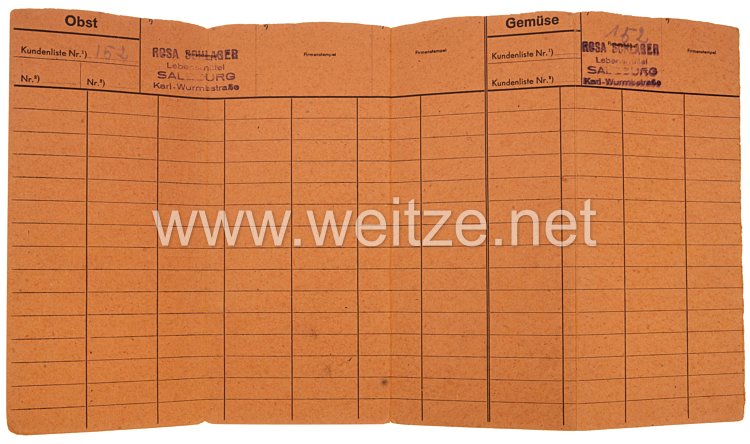
28. Dazu noch aus der Nachkriegszeit ein Haushaltsausweis der Stadt Salzburg für Karl Paar.
1. Deutsches Kreuz in Gold, schwere Fertigung der Fa. Godet, rückseitig mit 6 Nieten, auf der Unterseite der Nadel mit Herstellerbezeichnung "21". Deutlich getragenes Stück mit leichtem Emailleschaden auf dem Hakenkreuz. Es handelt sich um eine frühe Fertigung um 1941, die Verleihung an SS-Hauptscharführer Paar erfolgt aber erst am 28.2.1945. Sehr wahrscheinlich wurde ihm vom Regimentskommandeur ein getragenes Stück verliehen.
2. SS-Dienstauszeichnung für 8 Dienstjahre, Buntmetallausführung, ohne Band.
3. Nahkampfspange in Bronze, Feinzink bronziert, rückseitig mit Herstellerbezeichnung "Fec. W.E. Peekhaus Berlin - AG.M.u.K. Gablonz". Getragen, Zustand 2.
4. Nahkampfspange in Silber, Ausführung 1957, Buntmetall versilbert, Zustand 2+.
5. Nahkampfspange in Gold, Ausführung 1957, Buntmetall vergoldet, Zustand 2+. Paar ist nicht im Buch über die Träger der Nahkampfspange in Gold verzeichnet. Bis zum 26.12.1944 hatte er bereits 32 bestätigte Nahkampftage, die weiteren Nahkampftage müssen dann bis zum Kriegsende 19452 erfolgt sein.
6. Eisernes Kreuz 1939 1. Klasse, ohne Hersteller. Getragen, ZUstand 2.
7. Eisernes Kreuz 1939 2. Klasse, ohne Band, Zustand 2.
8. Infanteriesturmabzeichen in Silber, Feinzink, rückseitig mit Hersteller "L/61", getragen, Zustand 2.
9. Medaille Winterschlacht im Osten, am Band, Zustand 2.
10. Kriegsverdienstkreuz 1939 2. Klasse mit Schwertern, ohne Band, Zustand 2.
11. Verwundetenabzeichen 1939 in Schwarz, Buntmetall geschwärzt, rückseitig mit Herstellerbezeichnung “L/11” für Wilhelm Deumer, Lüdenscheid, Zustand 2.
12. Verwundetenabzeichen 1939 in Silber, Buntmetallausführung, leicht getragen, Zustand 2.
13. Verwundetenabzeichen 1939 in Gold Auführung 1957, seine letzten Verwundungen müssen auch im Frühjahr 1945 erfolgt sein.
14. Kraftfahrbewährungsabzeichen in Bronze ohne Tuchunterlage, Zustand 2.
15. Ehrenzeichen der Einsatzstaffel der Deutschen Mannschaft in Kroatien in Silber. Hohlgeprägt, Zustand 2.
16. Österreich 1945 Kriegsversehrtenverband silberne Verdienstmedaille, am österreichischen Dreiecksband.
17. Ordensminiatur Nadel Modell 1957 mit 7 Auszeichnungen: Deutsches Kreuz in Gold, EK 1. und 2. Klasse, Verwundetenabzeichen in Gold, Winterschlachtmedaille, Nahkampfspange in Gold.
18. Ordensminiaturkettchen Ausführung 1957mit den gleichen Auszeichnungen.
19. Gruppe von 7 Anstecknadeln, darunter Zivilnadel HIAG Division "Der Führer", SS-Mitgliedsnadel, ohne Hersteller, etc.
20. 2 Ärmelbänder "Der Führer" und "Götz von Berlichingen", beide Fertigungen nach 1945.
21. ein kleines Portraitfoto von Paar, noch als Mannschaftsdienstgrad, wohl im Frankreichfeldzug 1940 mit Stahlhelm.
22. Bestätigungsschreiben "Nahkampftage für Paar, Karl" mit 32 bestätigten Nahkampftagen von 1943 bis zum 26.12.1944. Darunter 6 Nahkampftage im August 1944 in Frankreich als Angehöriger der III./SS-Panzergrenadier-Regiment 38, 17. SS-Panzergrenadierdivision "Götz von Berlichingen". Weitere 8 Nahkampftage im Dezember 1944 bei der Ardennenoffensive. Abschrift, ausgestellt von der SS-Unterführerschule Radolfszell, Anfang 1945.
23. Großes Portraitfoto um 1938 als Angehöriger der SS-Totenkopfstandarten, SS-Totenkopf Hundertschaft 11 in schwarzer Uniform.
24. Ein weiteres kleines Portraitfoto um 1938 als Angehöriger der SS-Totenkopfstandarten, SS-Totenkopf Hundertschaft 11 in schwarzer Uniform für einen Ausweis. Rückseitig mit Stempel "Schnell-Photo Trude Schachner Salzburg..", mit eigenhändiger Unterschrift "Paar Karl".
25. Foto aus dem Westfeldzug 1940 als Mannschaftsdienstgrad in Feldbluse M 40 ohne Kragenspiegel, mit Stahlhelm M 35. (die gleiche Aufnahme wie auf dem Ordenskissen).
26.Hochzeitsfoto als SS-Hauptscharführer und Spieß im Regiment "Der Führer" mit Ärmelband, EK 1 und 2.Klasse, Infanteriesturmabzeichen und Verwundetenabzeichen in Silber. Rückseitig mit Stempel Fotostudio in Salzburg.
27. Zuletzt noch ein Farbfoto von der Beerdigung von Paar am 20. Juli 1984: ein Kamerad, ebenfalls dekoriert mit dem Deutschen Kreuz in Gold, genau dieses Ordenskissen haltend ! Rückseitig beschriftet "20. Juni 84 Kam. Baumgartner mit dem Ordenskissen von Karl Paar".
Ein historisch unglaublich vollständig erhaltener Nachlaß eines SS Unterführers, der von 1938 bis 1945 gedient hat. Nach seinem Einsatz an der Invasionsfront im August 1944 wurde Paar als Ausbilder zur SS-Unterführerschule Radolfzell kommandiert. Aus der Schule wurde im November 1944 noch das SS-Regiment Radolfzell gebildet, welches im Dezember 1945 bei den schweren Kämpfen um Colmar im Elsass eingesetzt war. Wahrscheinlich war Paar in Salzburg geboren, wo er auch geheiratet hat und nach dem Krieg lebte.
28. Dazu noch aus der Nachkriegszeit ein Haushaltsausweis der Stadt Salzburg für Karl Paar.