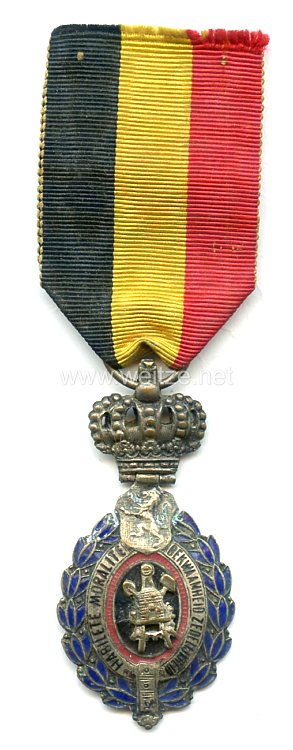
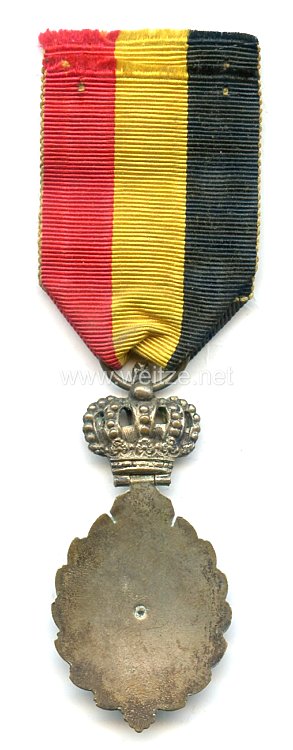
Belgium Medal Decoration pour les Ouvriers et Artisans Type III 1863
The Belgian Medal “Décoration pour les Ouvriers et Artisans” Type III of 1863
The Décoration pour les Ouvriers et Artisans (Decoration for Workers and Artisans) represents a significant chapter in the history of civil decorations of the Kingdom of Belgium. This medal was created to honor the faithful work, craftsmanship, and loyalty of workers and artisans who had demonstrated outstanding service through long-term employment with their employers.
Historical Background and Origins
The Kingdom of Belgium, which gained its independence in 1830, developed a sophisticated system of civil and military decorations throughout the 19th century. The Industrial Revolution had taken hold in Belgium, transforming the country into one of Europe's leading industrial nations. In this context, the Belgian government recognized the necessity of acknowledging the merits of the working population.
The Décoration pour les Ouvriers et Artisans was first introduced by royal decree to honor workers and artisans for their long-term loyalty and excellent service. The decoration went through several developmental phases, with various types created to refine and expand the system.
Type III of 1863
Type III, introduced in 1863, represents an important evolution of this decoration. This version was established under the reign of King Leopold I (1831-1865), who strongly promoted Belgium's economic and social development. The year 1863 was a time of great industrial expansion in Belgium, particularly in mining, textile industry, and metalworking sectors.
The medal was manufactured from silver, which emphasized its value and the importance of the decoration. Unlike purely military orders, this decoration was specifically intended for the civil sector and reflected the growing recognition of the working class in Belgian society.
Award Criteria and Significance
The awarding of the Décoration pour les Ouvriers et Artisans followed strict criteria. Workers and artisans typically had to demonstrate a minimum service period of 20 to 25 years with the same employer. Additionally, good conduct, reliability, and special craft skills were required. Employers played an important role in the nomination process but had to have their proposals confirmed by local authorities.
This decoration served several social functions. It not only provided personal honor to individuals but was also intended to motivate other workers toward diligence and loyalty. In an era when workers' rights were not yet comprehensively enshrined in law, the medal represented a form of public recognition that elevated the social status of recipients.
Design and Iconography
Type III medals were characterized by their careful craftsmanship. They typically displayed the royal coat of arms or the portrait of the reigning monarch on the obverse, while the reverse frequently bore symbols of work and craftsmanship along with inscriptions bearing the title of the decoration. The use of silver as a material underscored both the material and symbolic value of the decoration.
Context within the Belgian Decoration System
The Décoration pour les Ouvriers et Artisans fit into a broader system of Belgian decorations that honored both military and civil merits. While orders such as the Order of Leopold (founded 1832) were mainly awarded for services in higher social classes and state service, this medal specifically targeted the working population.
Development and Evolution
The creation of different types of this decoration reflects the Belgian state's ongoing efforts to adapt its honors system to changing social and economic conditions. The Type III of 1863 came at a crucial moment in Belgian history, when industrialization was accelerating and the need for stable, skilled labor forces was paramount to economic success.
The decoration also served diplomatic and social purposes beyond individual recognition. It helped establish Belgium as a progressive nation that valued its workers, setting an example in Europe at a time when labor relations were often contentious and marked by conflict.
Collector Value and Historical Importance
Today, specimens of the Décoration pour les Ouvriers et Artisans Type III of 1863 are sought-after collectibles. They document an important aspect of Belgian social and economic history of the 19th century. The condition of medals is assessed according to a standardized system, with condition 2 indicating a well-preserved medal with only minor signs of wear.
These decorations offer valuable insights into employer-employee relationships in the industrial age and the Belgian state's efforts to promote social stability through recognition and honor. They serve as reminders of an era when personal loyalty and long-term employment were highly valued and considered fundamental to economic success, representing a fascinating intersection of social policy, industrial development, and national identity in 19th-century Belgium.