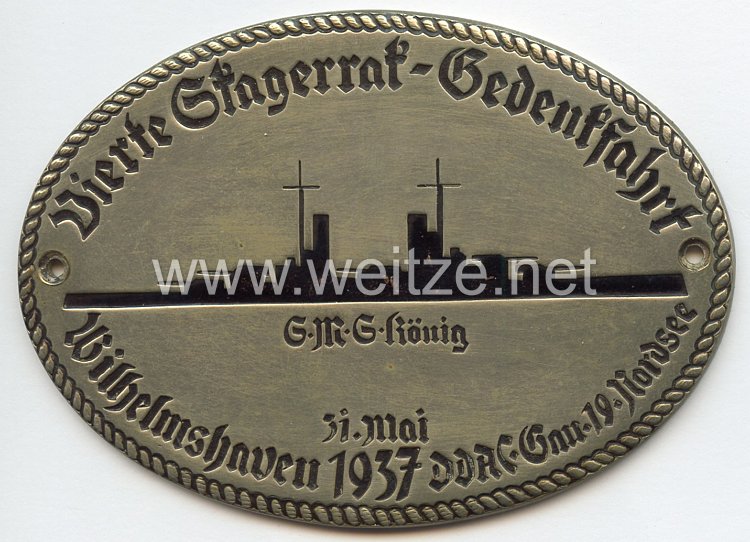
Third Reich - The German Automobile Club (D.D.A.C.) - Non-Portable Participant Plaque - “DDAC Gau 19 Nordsee 4th Skagerrak Memorial Rally S.M.S. König 31 May 1937 Wilhelmshaven”

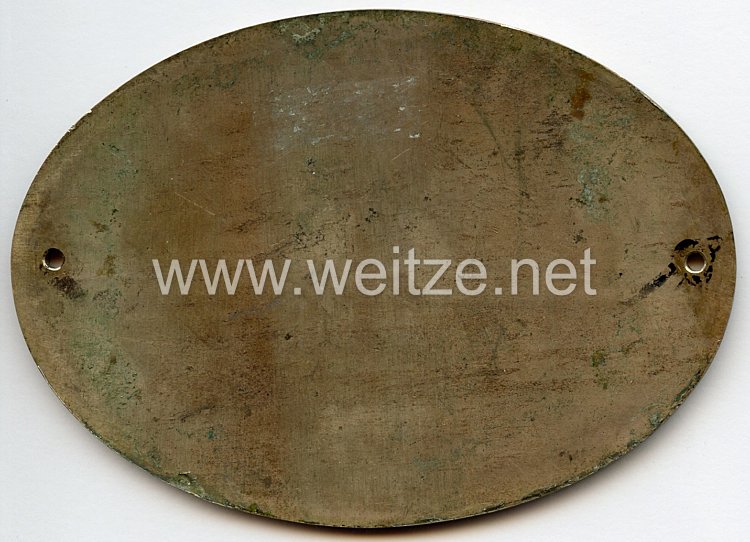
Silver-plated base metal, 70 x 100 mm, with 2 mounting holes, condition 2.
333134
350,00

Third Reich - The German Automobile Club (D.D.A.C.) - Non-Portable Participant Plaque - “DDAC Gau 19 Nordsee 4th Skagerrak Memorial Rally S.M.S. König 31 May 1937 Wilhelmshaven”

The DDAC Skagerrak Memorial Rally 1937: Commemoration of the Battle of Jutland

This non-wearable participant plaque documents a remarkable event from the history of the German Automobile Club (DDAC) in the Third Reich: the 4th Skagerrak Memorial Rally of DDAC Gau 19 Nordsee on May 31, 1937, to Wilhelmshaven. This event combined the automotive culture of the Nazi era with military commemoration of the largest naval battle of World War I.

The German Automobile Club under National Socialism

The DDAC was founded in 1933 through the forced merger of several German automobile clubs and developed into the National Socialist automobile association. As an organization, it was subordinated to the National Socialist Motor Corps (NSKK) and played an important role in the motorization policy of the Third Reich. The DDAC was organized into Gaue (regional districts), with Gau 19 Nordsee covering the North German coastal region.

The organization had not only traffic-related tasks but also served ideological mobilization and the cultivation of “military spirit.” Memorial rallies like the Skagerrak event combined motorsport with political propaganda and military hero worship.

The Battle of Skagerrak

On May 31, 1916, the Battle of Skagerrak (known in English as the Battle of Jutland) took place off the Danish coast. It was the largest naval battle of World War I between the German High Seas Fleet under Admiral Scheer and the British Grand Fleet under Admiral Jellicoe. Although the battle ended tactically indecisive, the British suffered higher losses in ships and personnel.

The SMS König, mentioned by name on the plaque, was a dreadnought battleship of the König class and actively participated in the Battle of Skagerrak. She sustained several hits during the engagement but remained operational and returned to port. The ship became a symbol of the Imperial Fleet's resilience.

The Memorial Rallies of the 1930s

In Nazi Germany, the Skagerrak commemoration was intensively cultivated. The NSDAP used the memory of the naval battle to promote militarism and justify rearmament policy. Wilhelmshaven, the traditional naval base and location of the Kriegsmarine, formed the natural destination for such memorial events.

The fact that 1937 saw the fourth Skagerrak Memorial Rally demonstrates the regularity of these events. The automobile convoys combined modern enthusiasm for technology with historical hero worship and served mass mobilization. Participants received plaques like the one described here as commemorative tokens.

The Plaque as Historical Document

The non-wearable participant plaque made of silver-plated base metal measuring 70 x 100 mm was not intended as a medal or decoration to be worn on a uniform, but as a souvenir. The two drill holes indicate that it was designed for mounting, possibly on an automobile or as wall decoration.

Such plaques document the comprehensive memorial culture of the Third Reich and the connection between civilian organizations and military commemoration. Today they are important sources for researching Nazi propaganda and the culture of remembrance in the 1930s.

Historical Context

The year 1937 marked a phase of intensive rearmament and military preparation in Nazi Germany. The Kriegsmarine was massively expanded, and the memory of supposed military successes of World War I was meant to prepare the population for a new war. Events like the Skagerrak Memorial Rally served this purpose.

For collectors and historians, such plaques are significant witnesses of this era. They document not only the activities of the DDAC but also the systematic instrumentalization of historical events for propaganda purposes. The quality of execution and detailed inscription show the high importance such events had in the Nazi state.