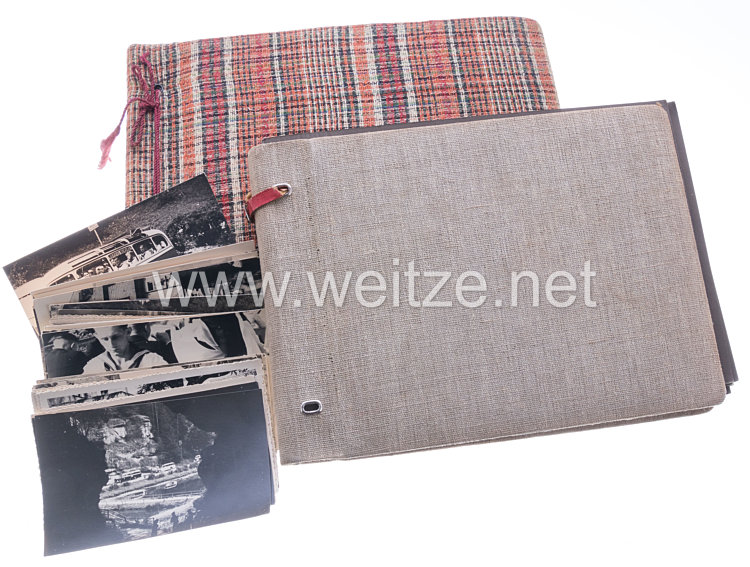
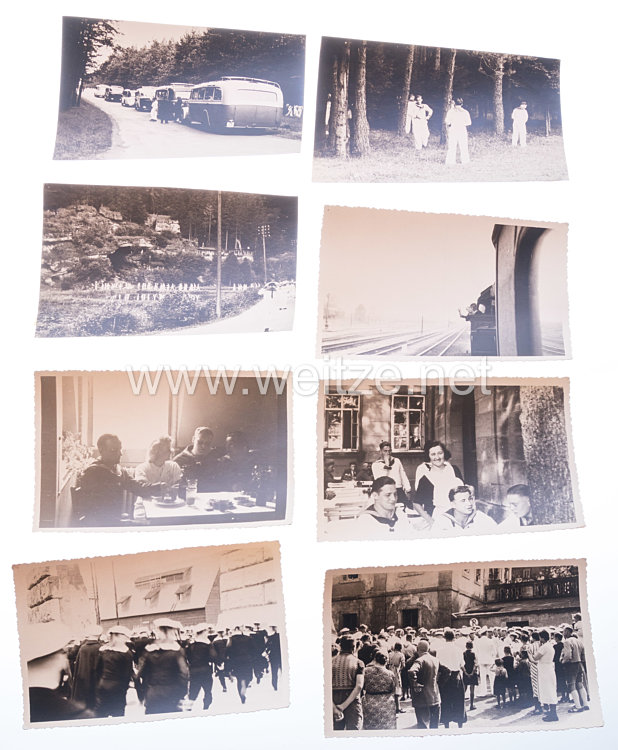
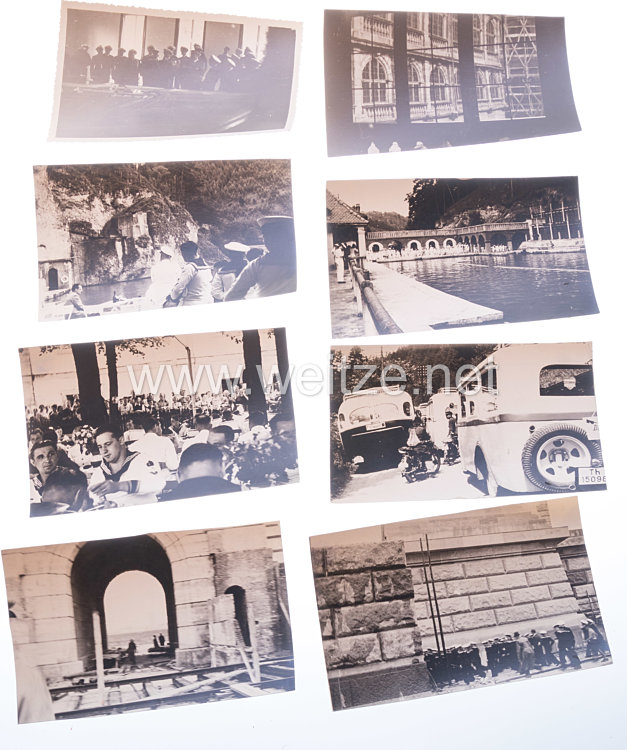
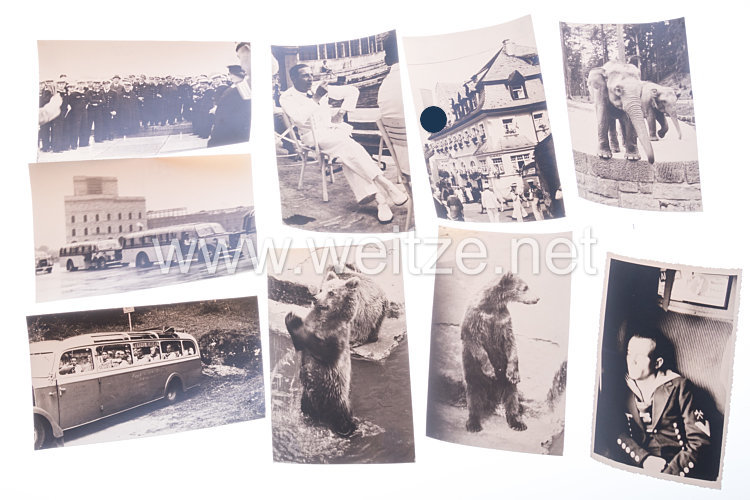
Kriegsmarine Photo Albums, Member of the Cruiser "Nürnberg" and later on the Heavy Cruiser "Admiral Graf Spee"

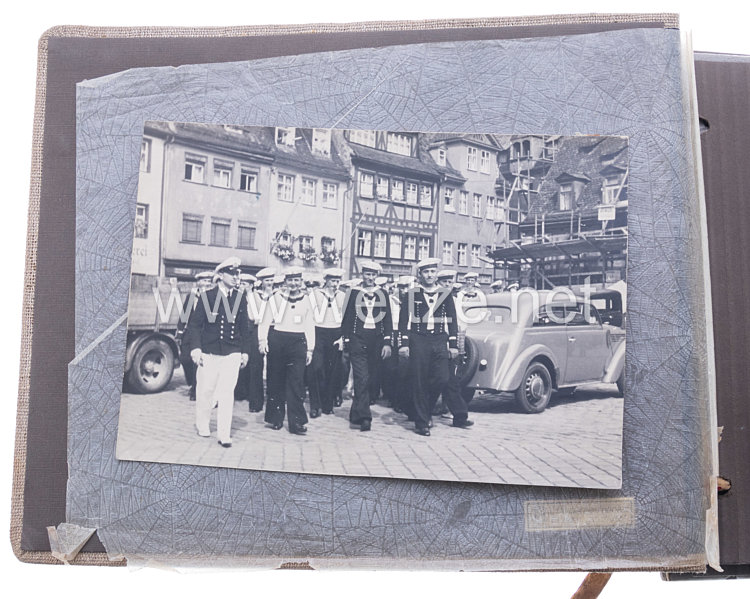
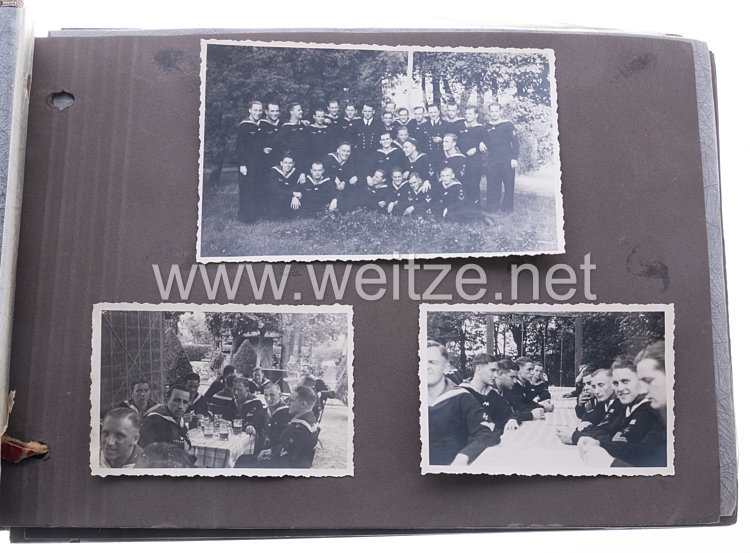
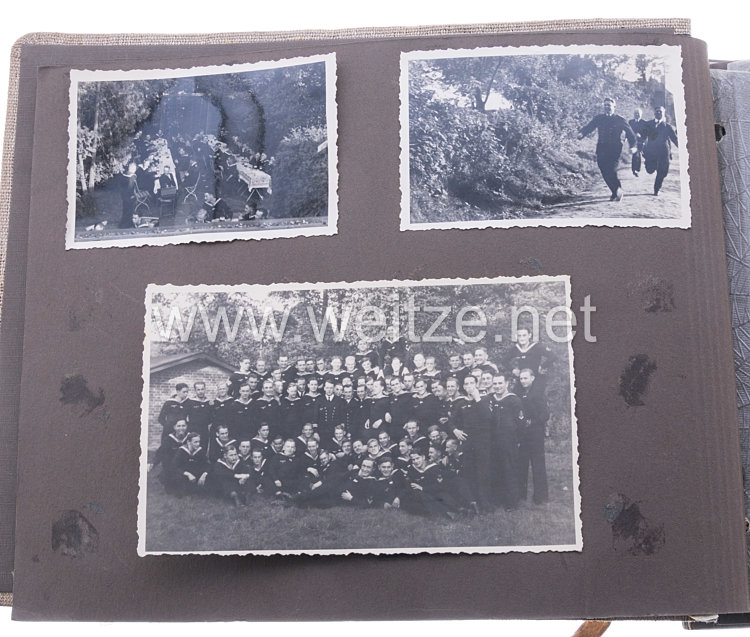
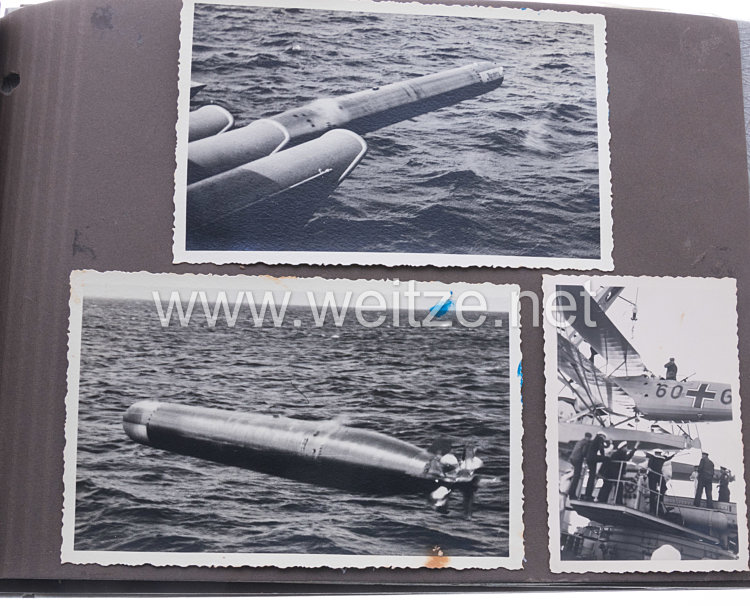
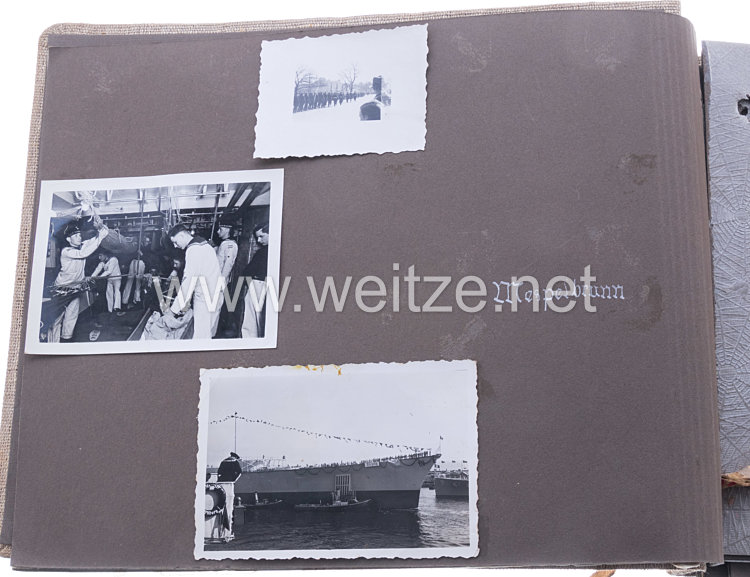
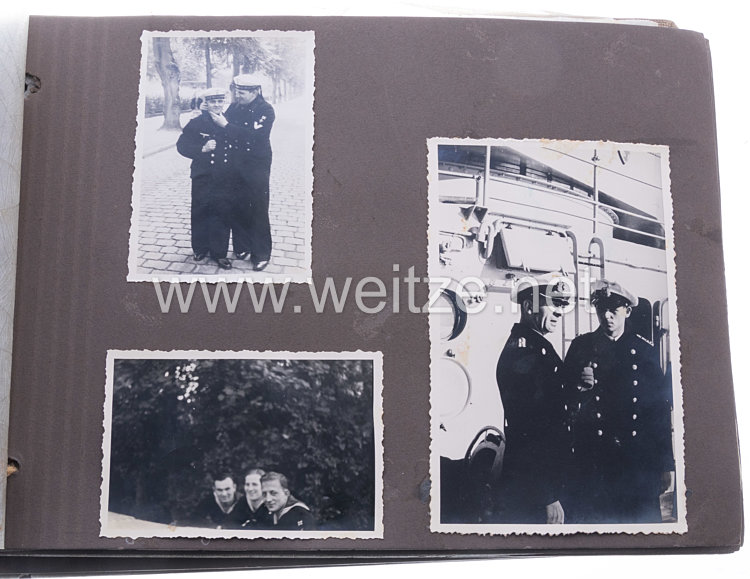
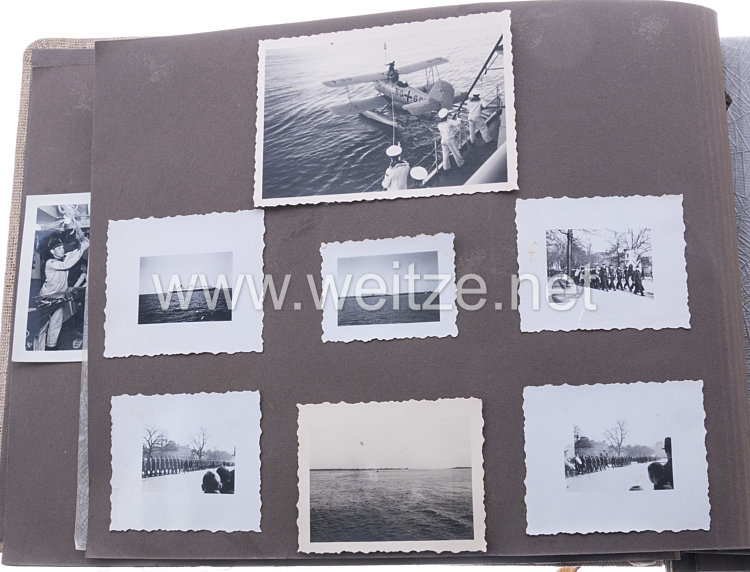
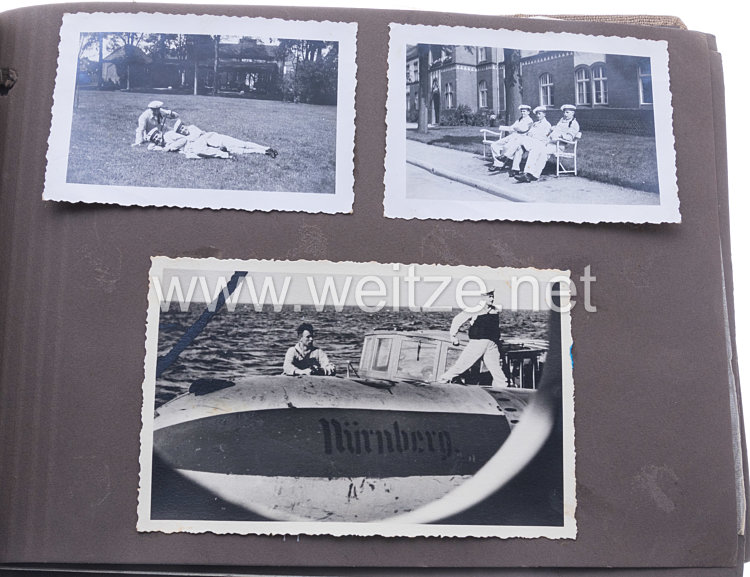
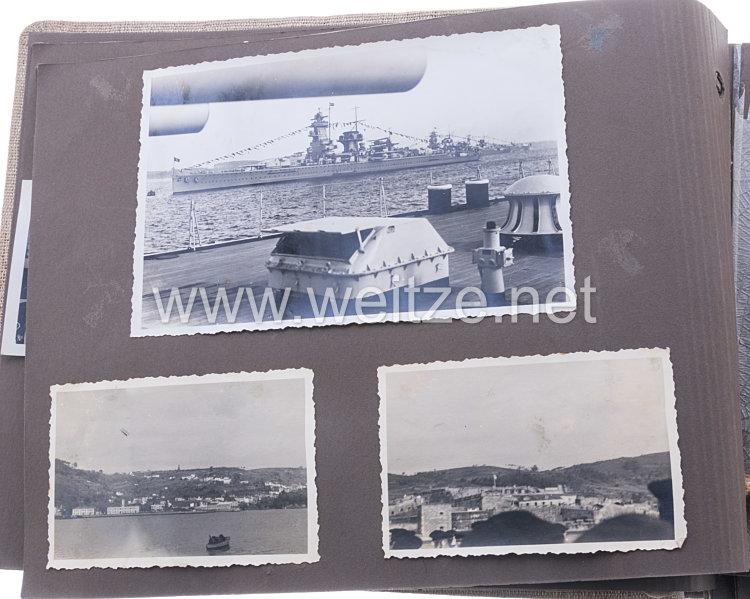
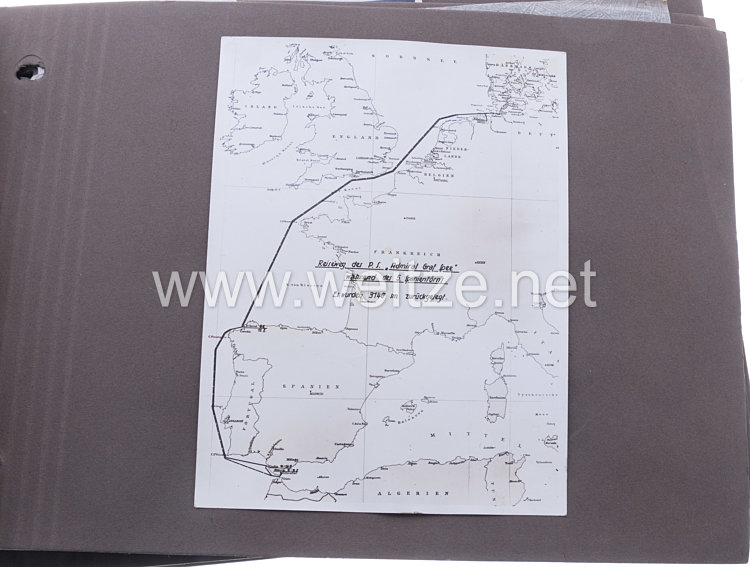
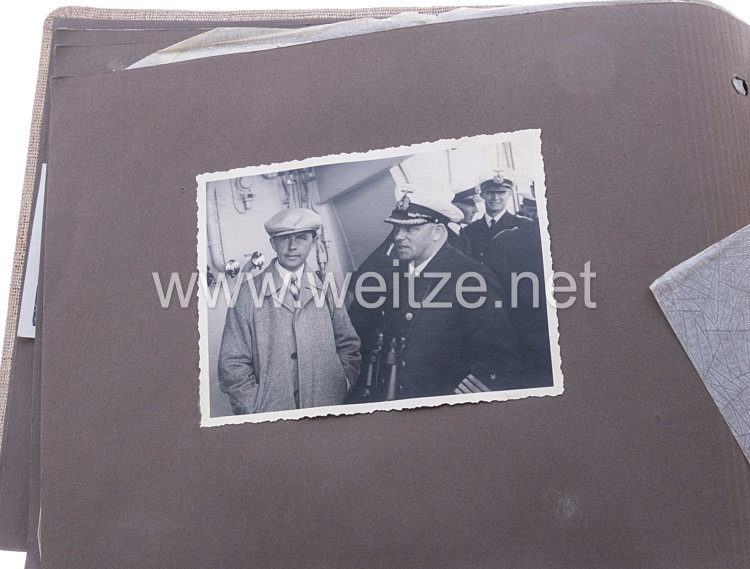
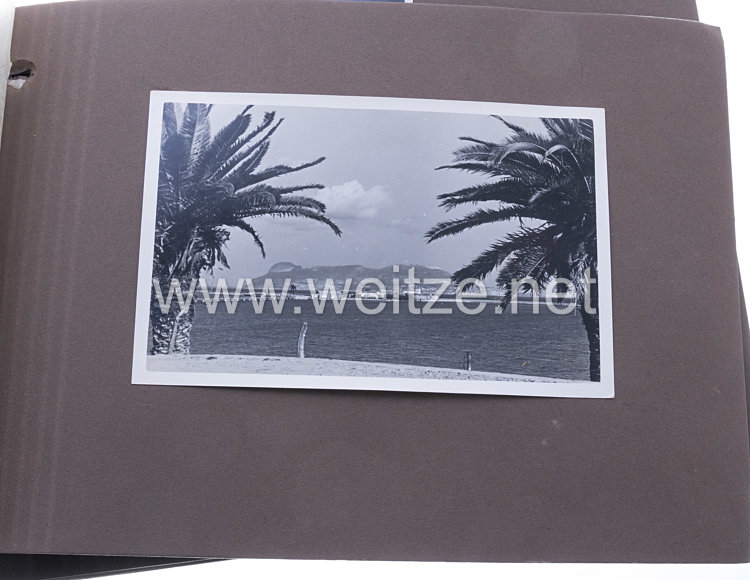
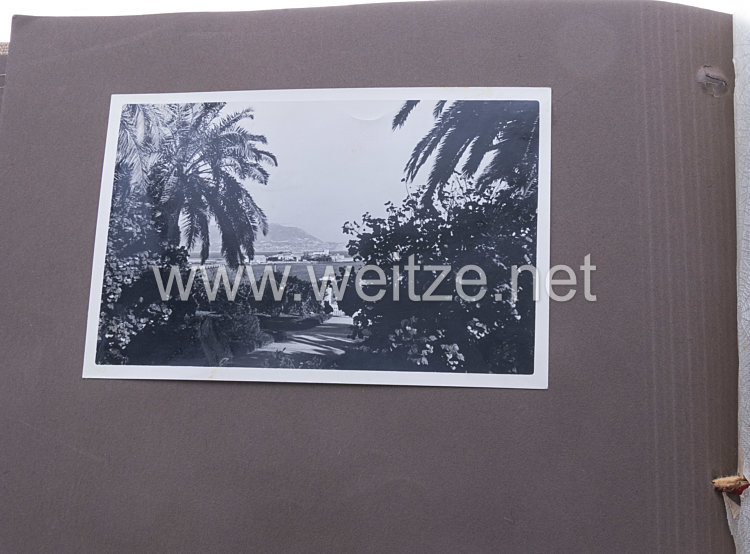
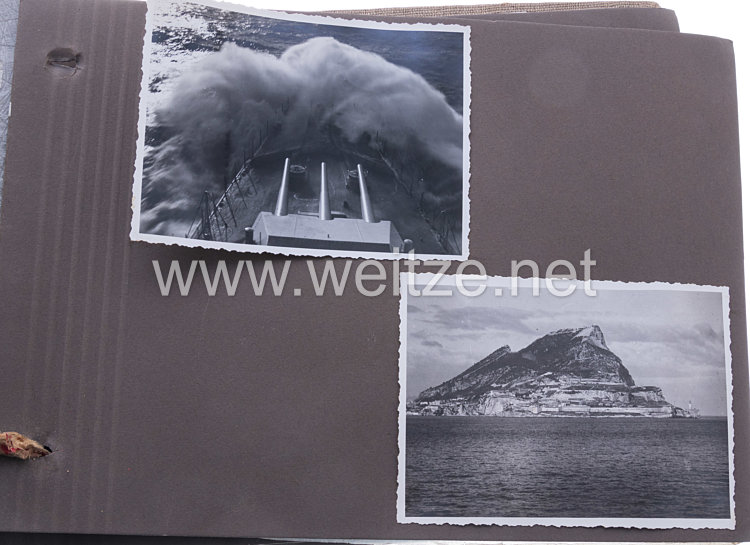
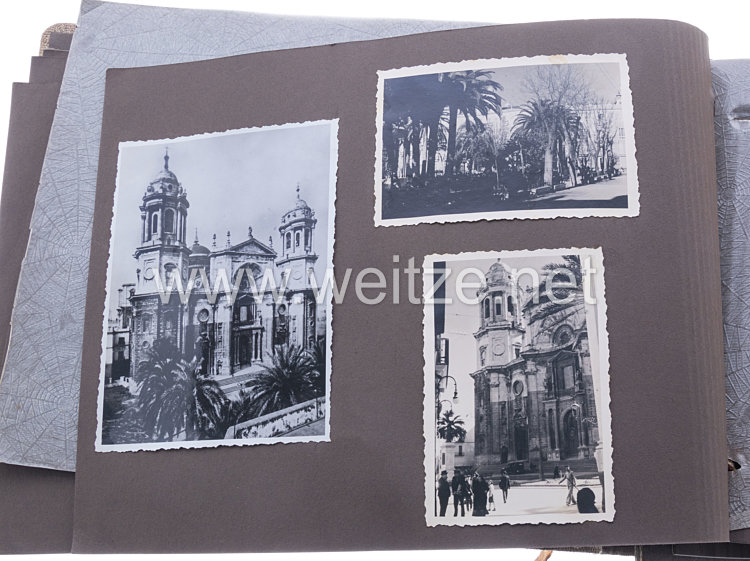
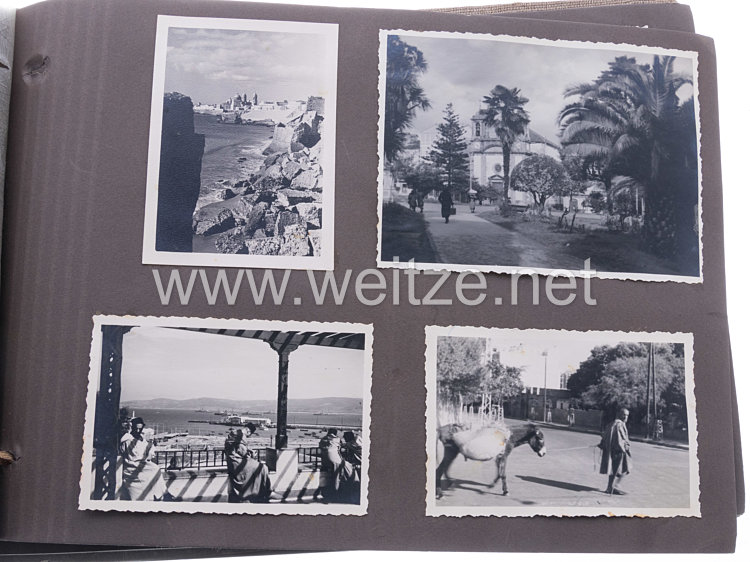
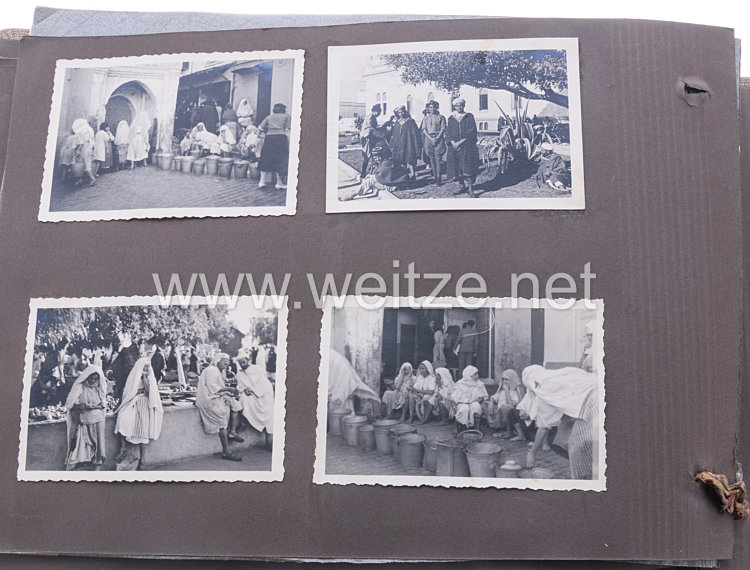
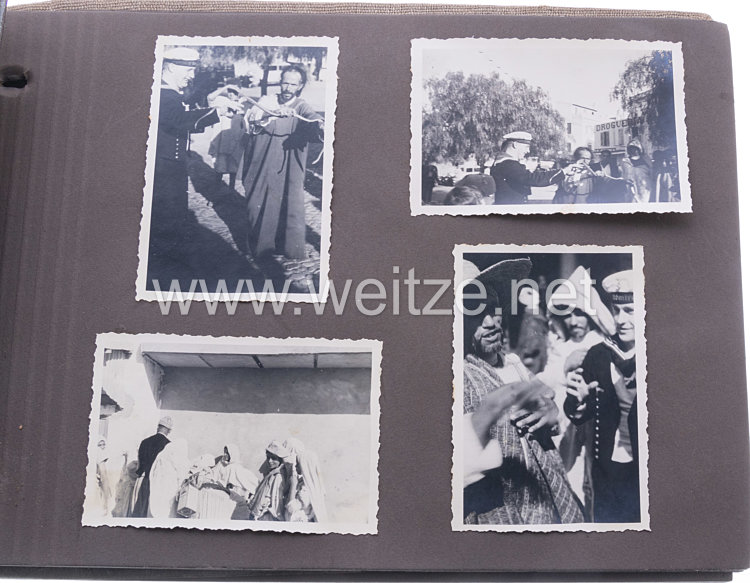
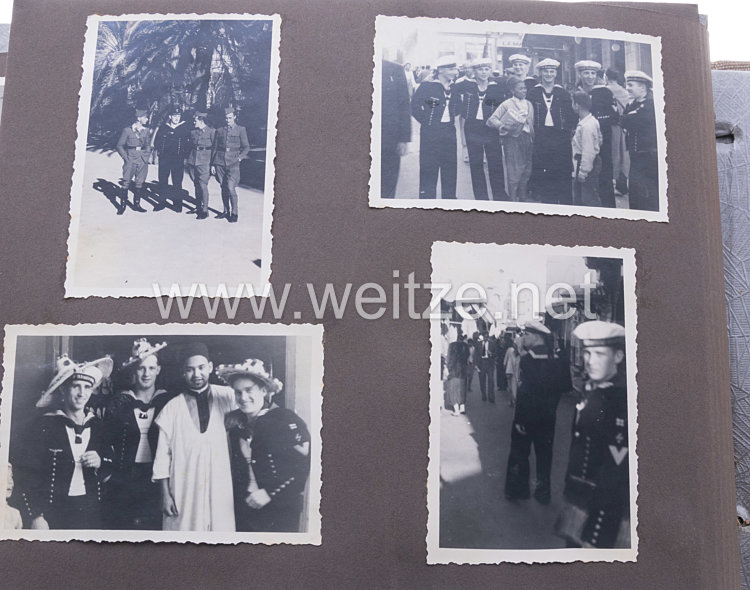
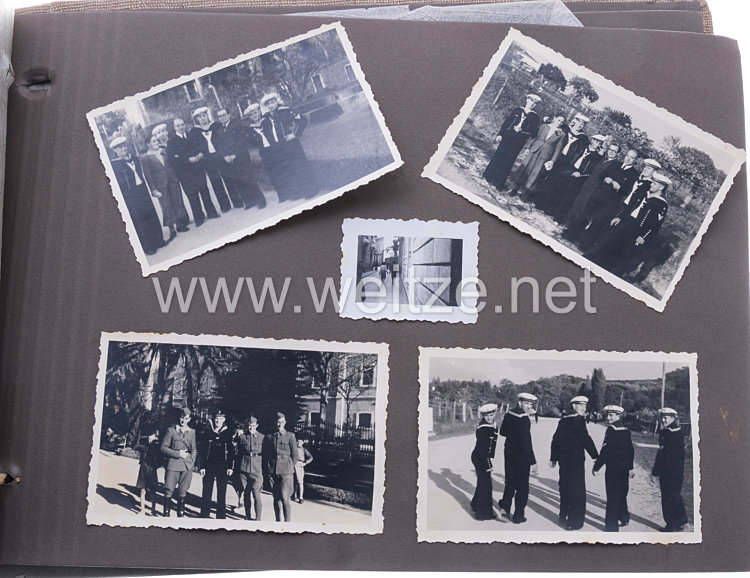
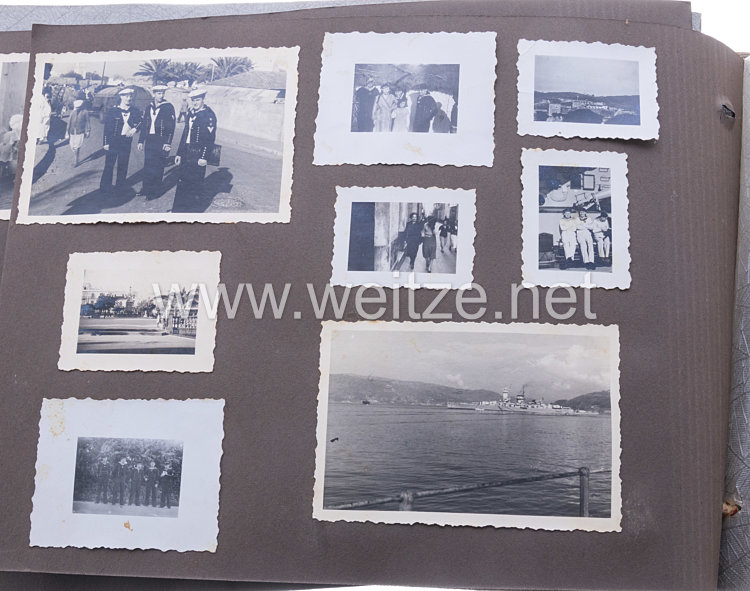
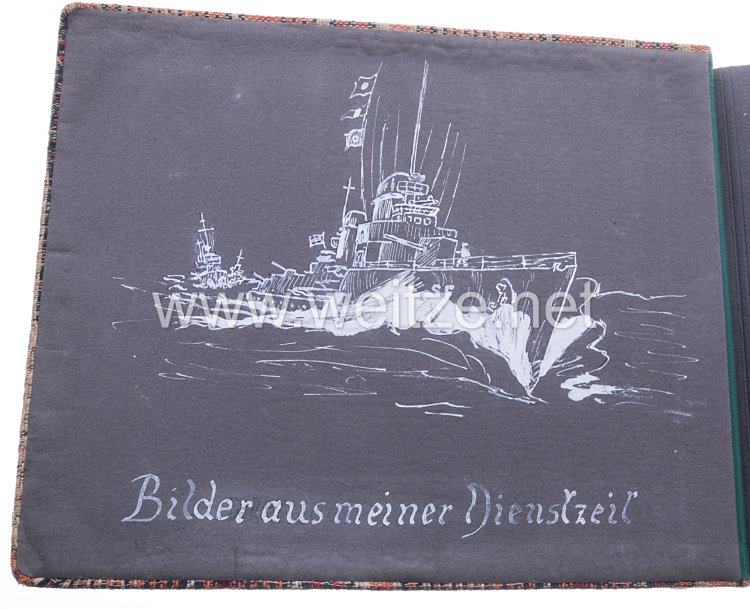
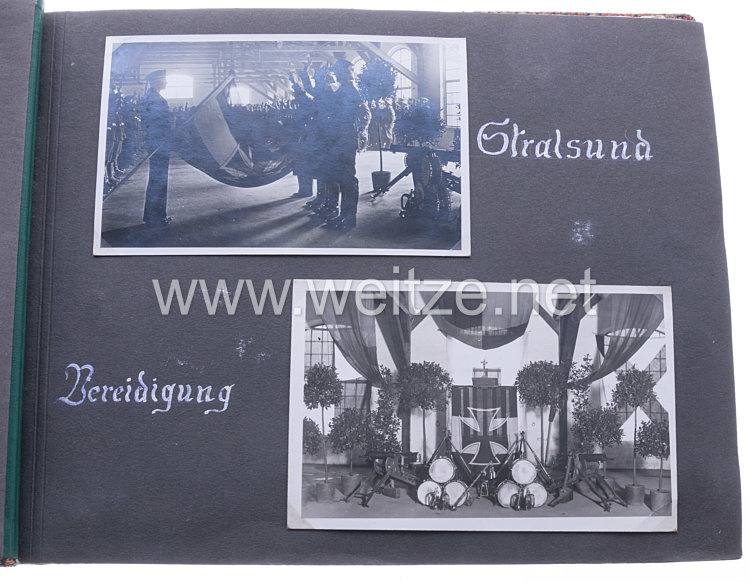
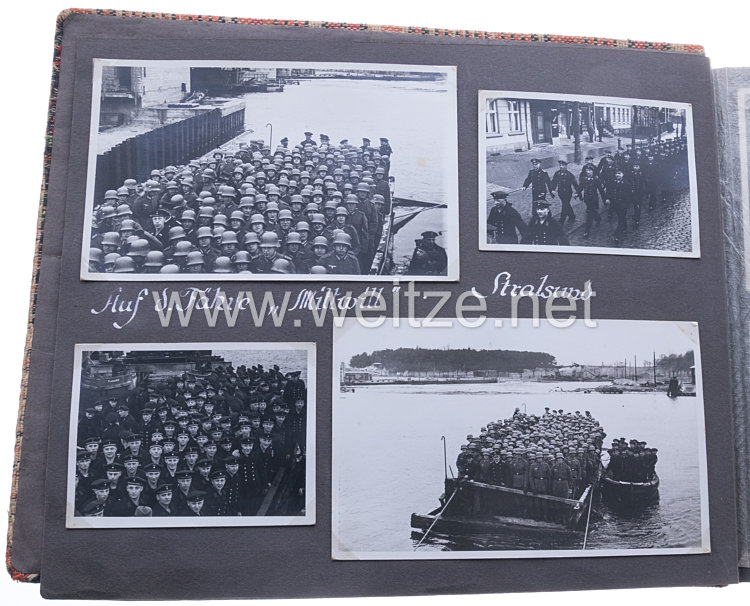
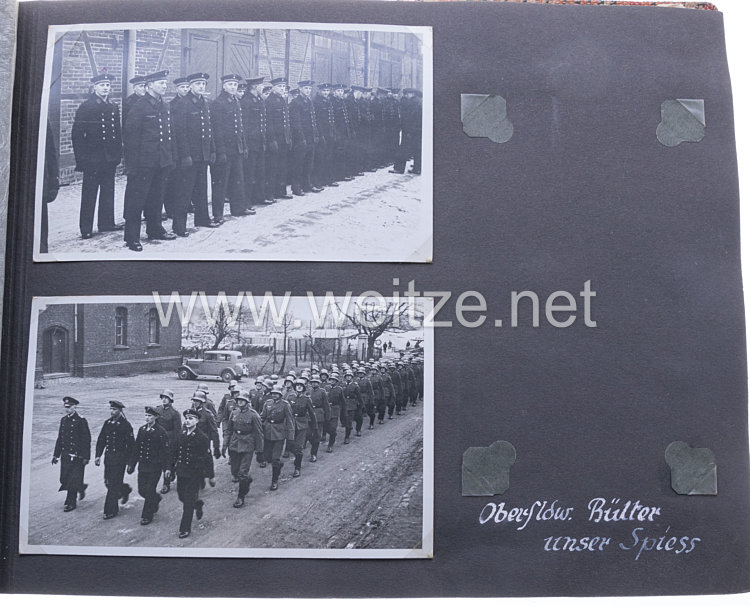
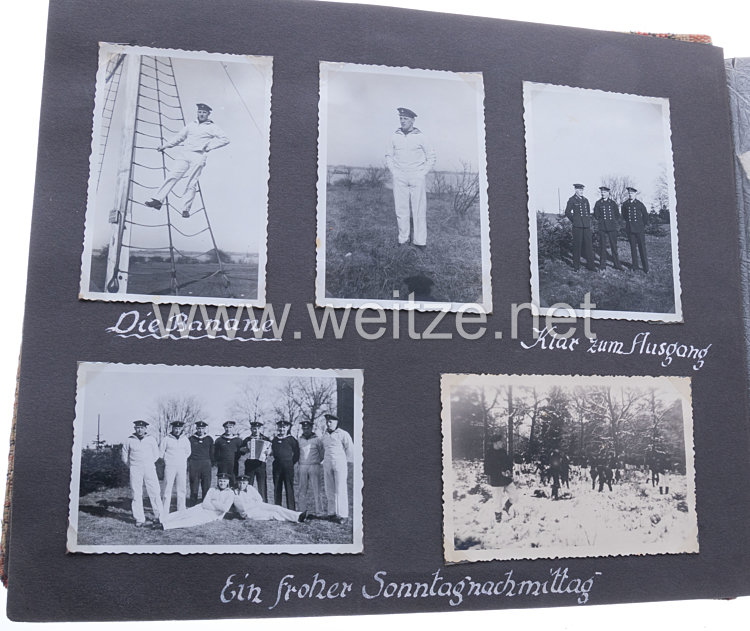
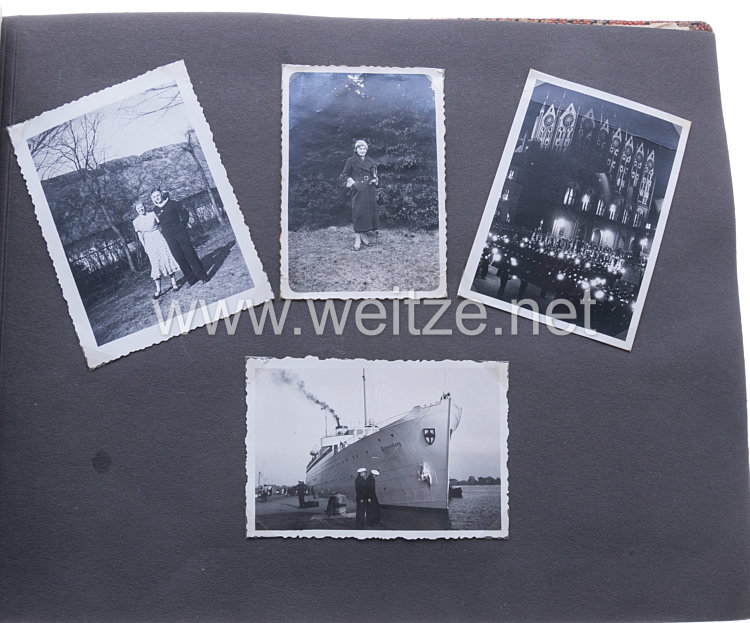
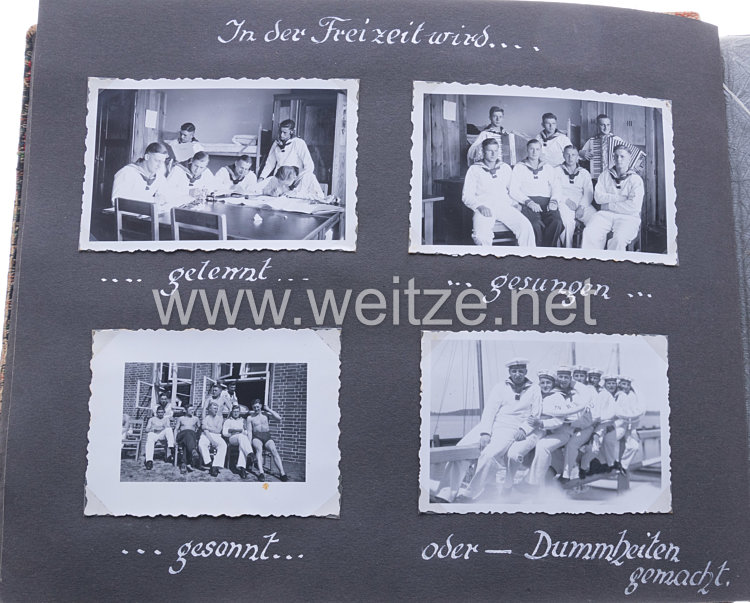
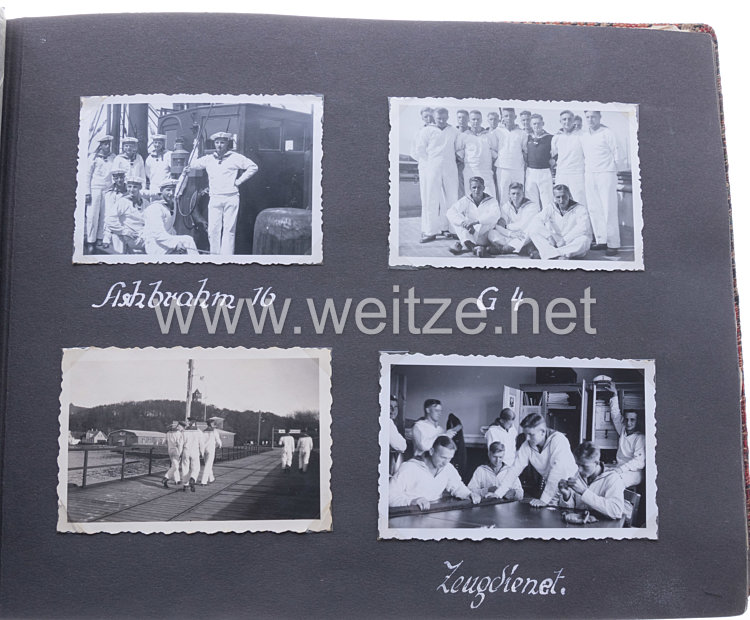
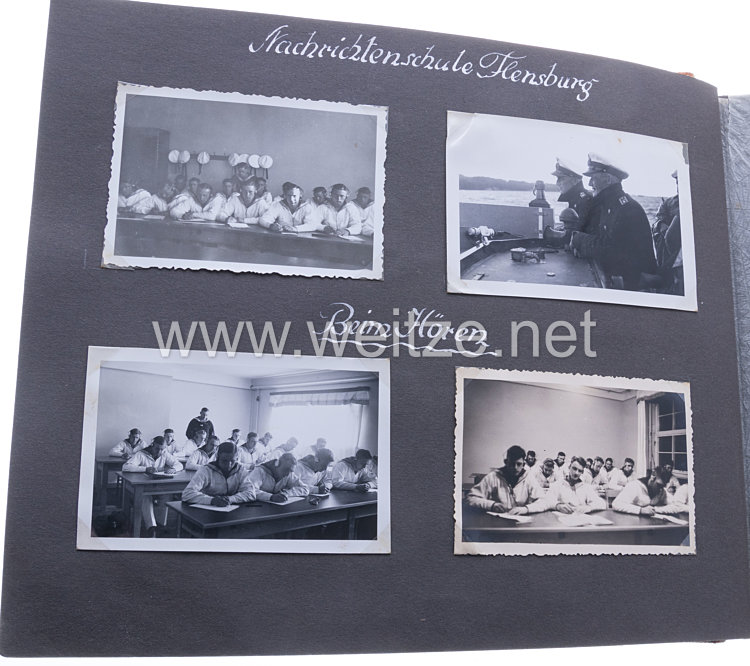
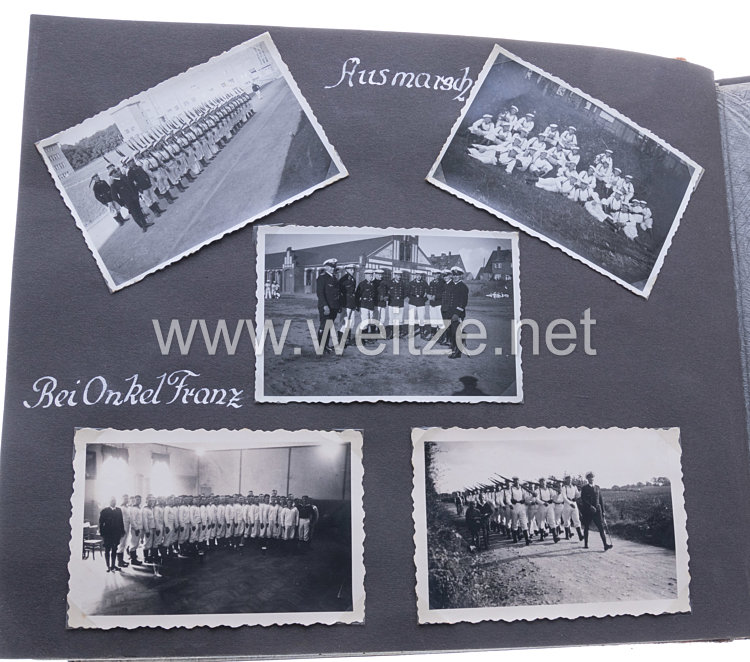
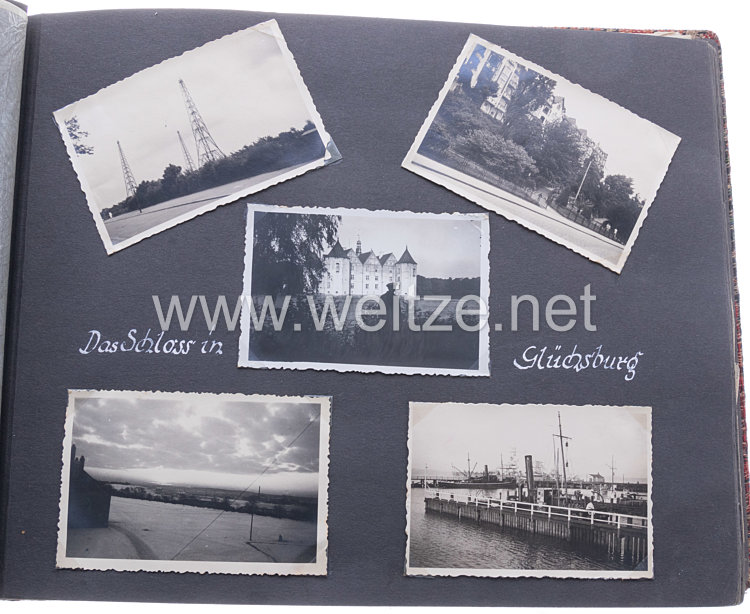
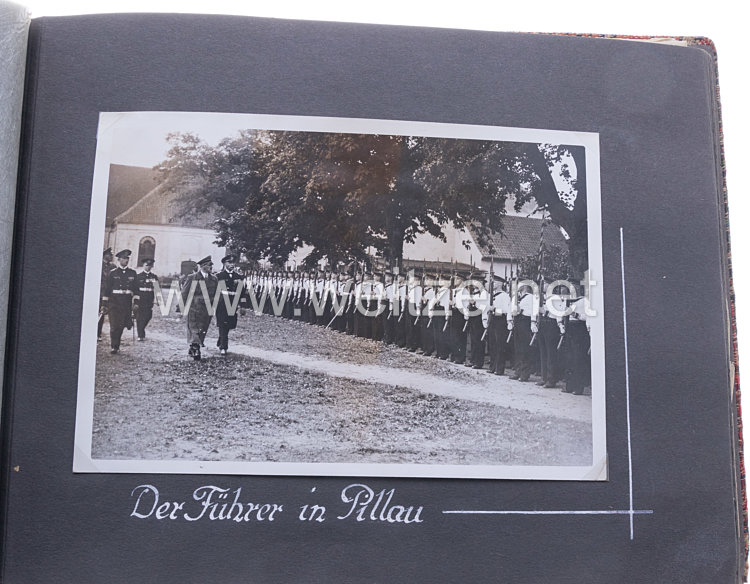
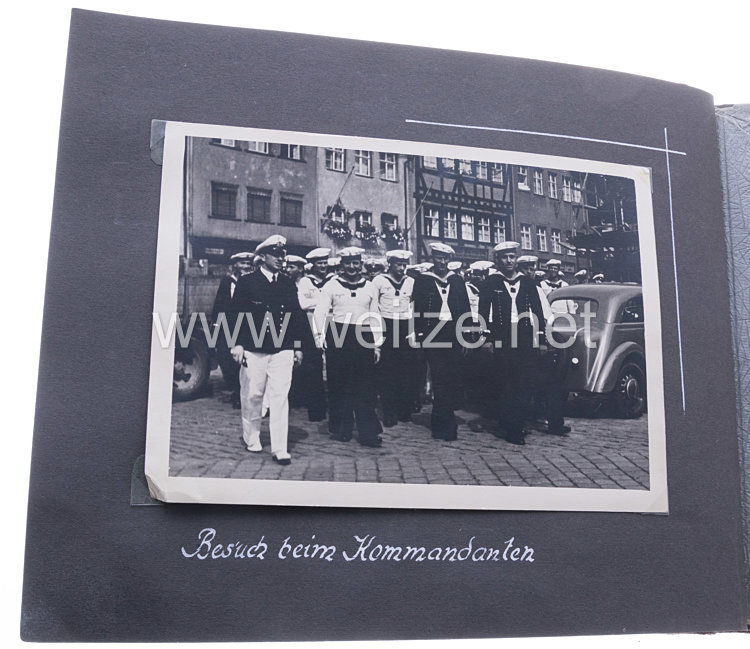
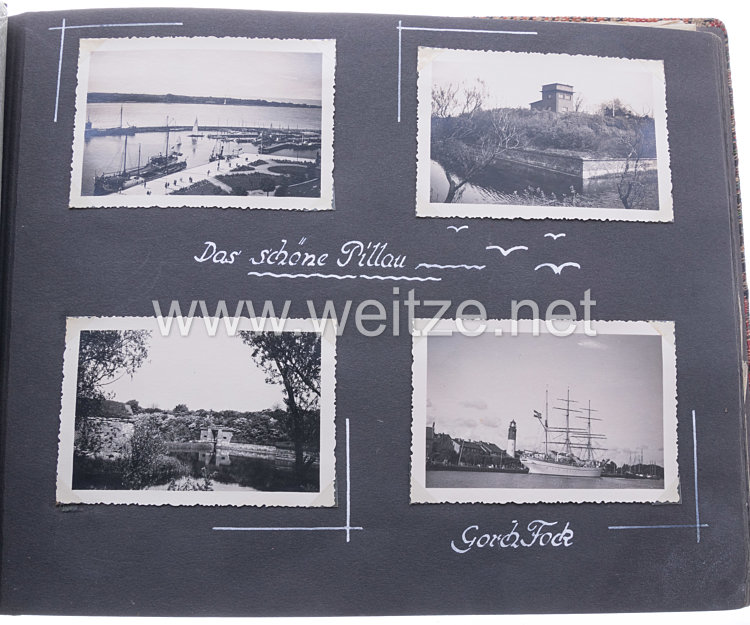
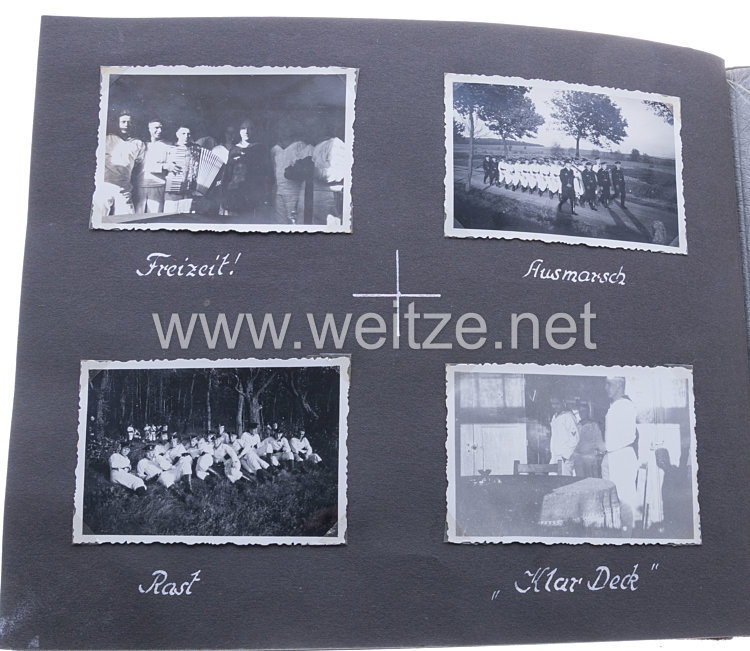
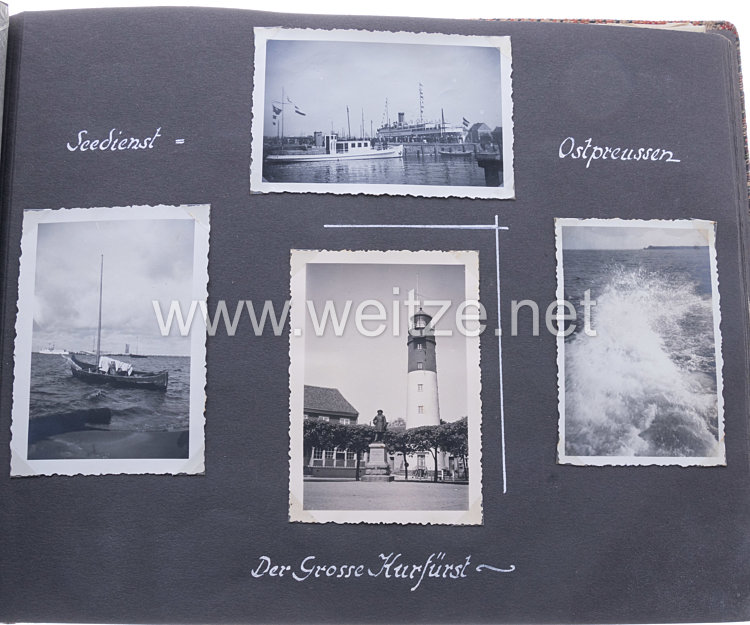
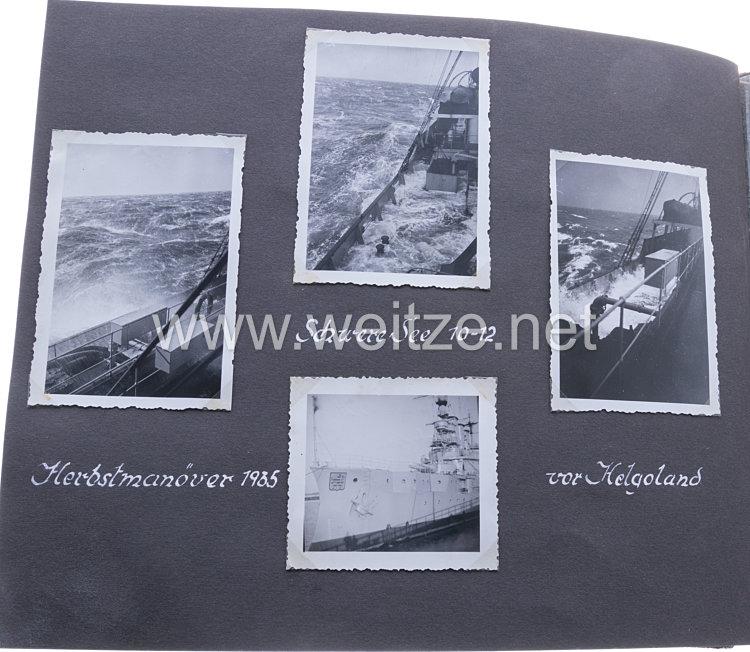
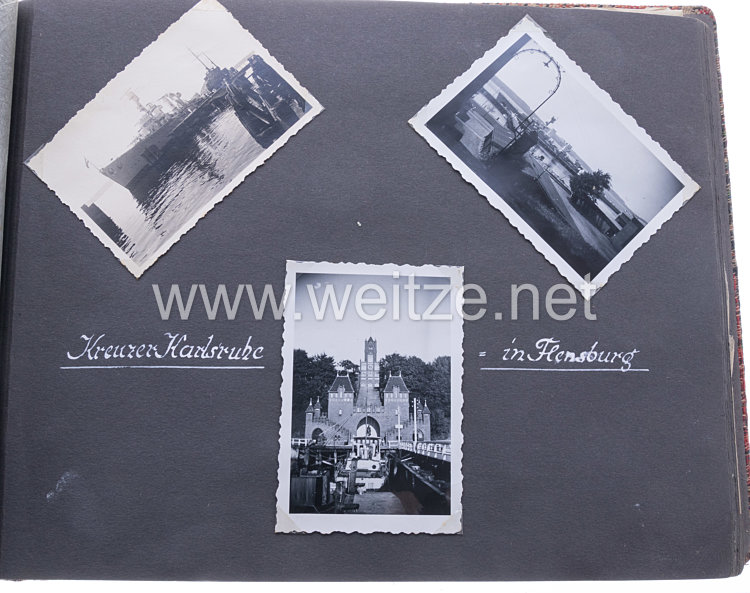
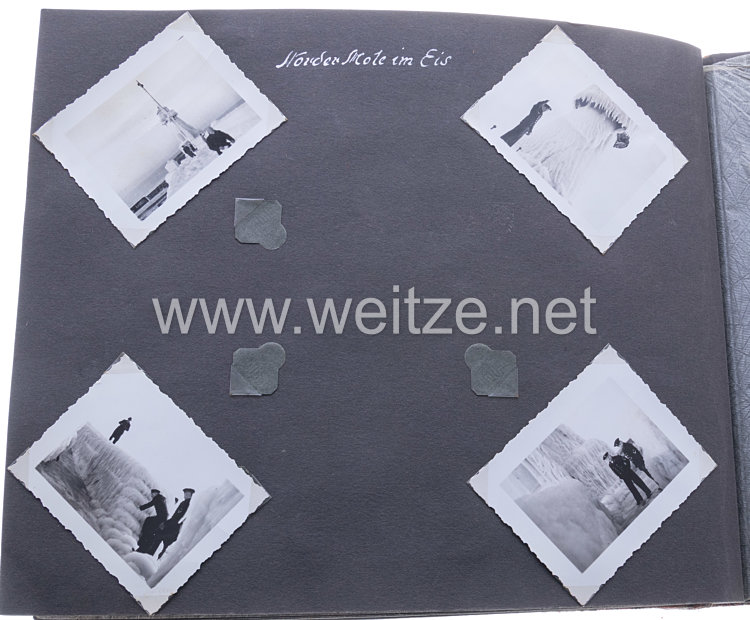
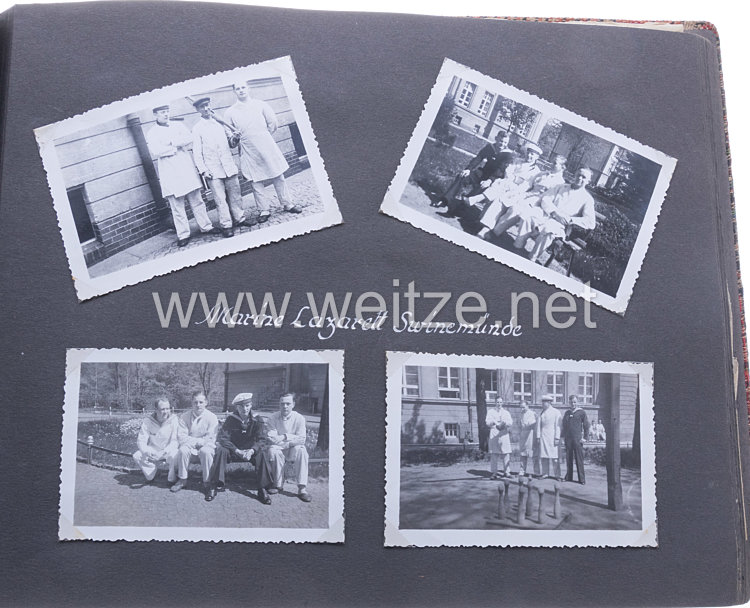
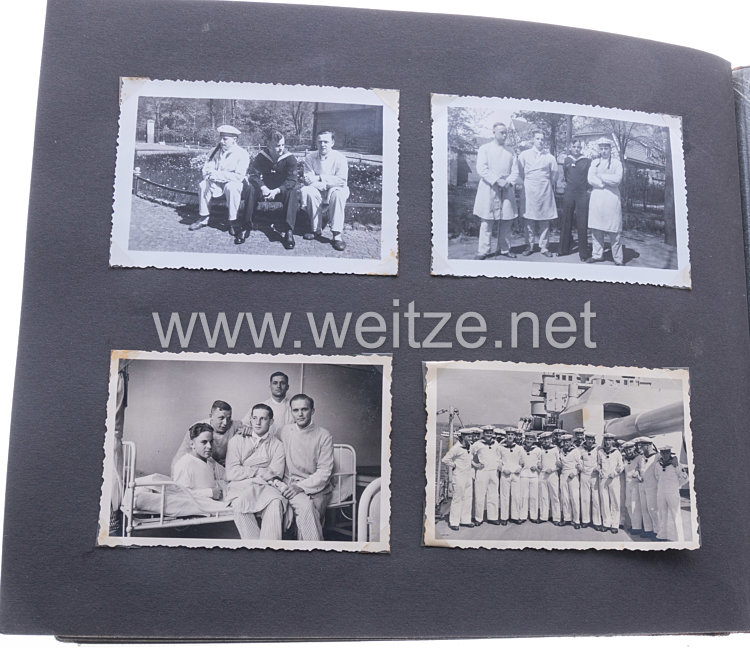
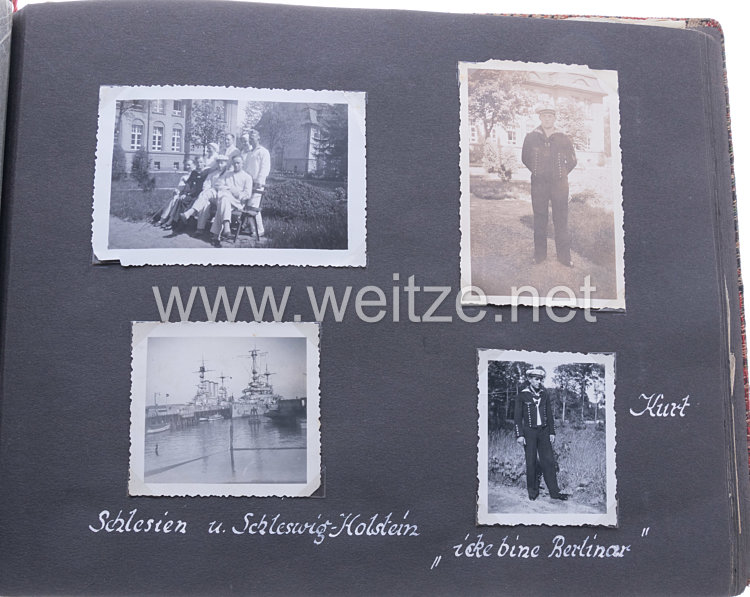
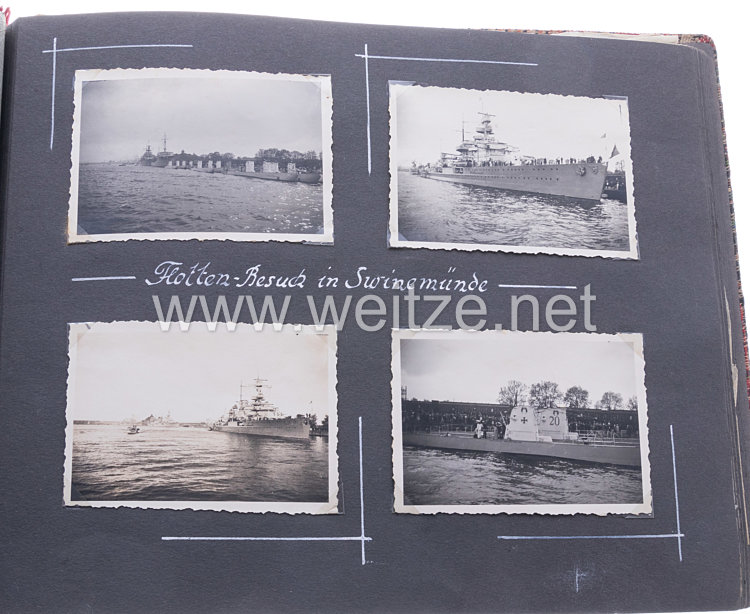
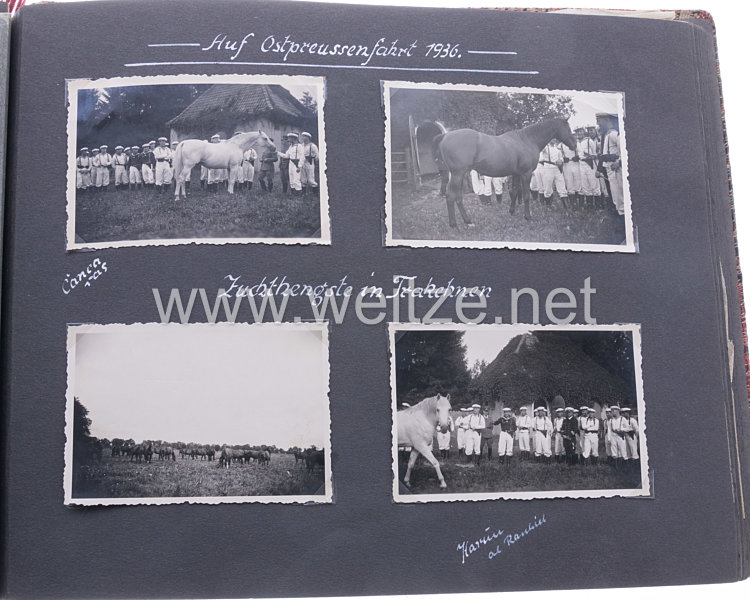
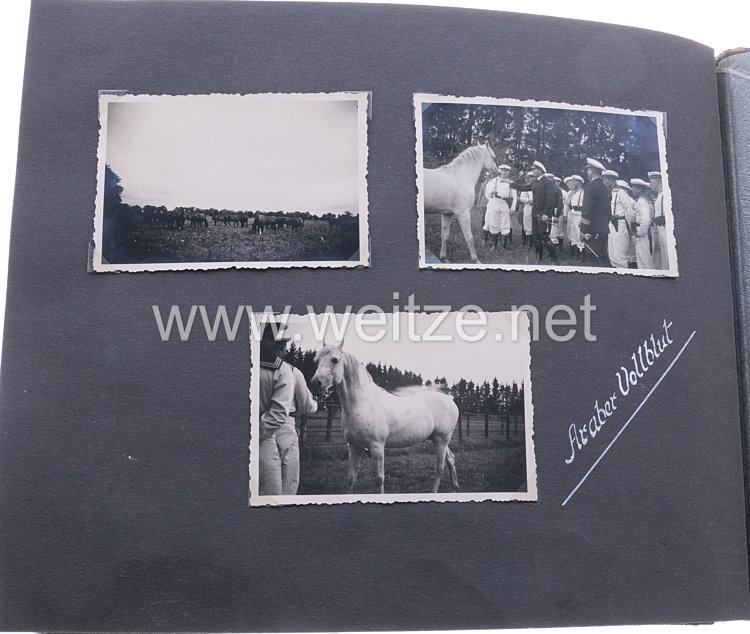
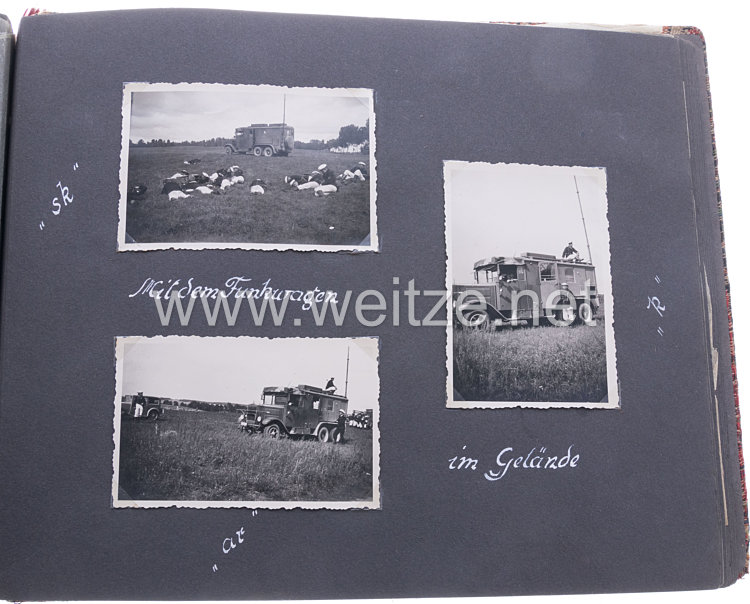
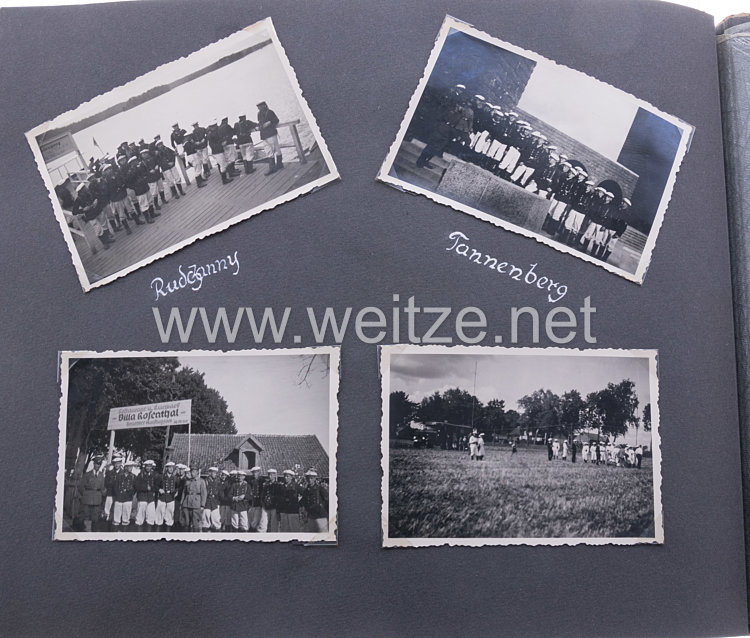
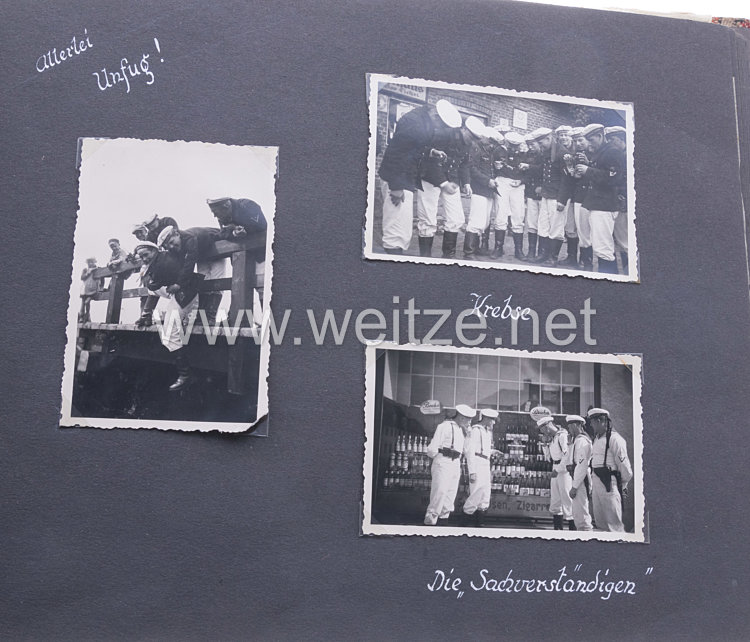
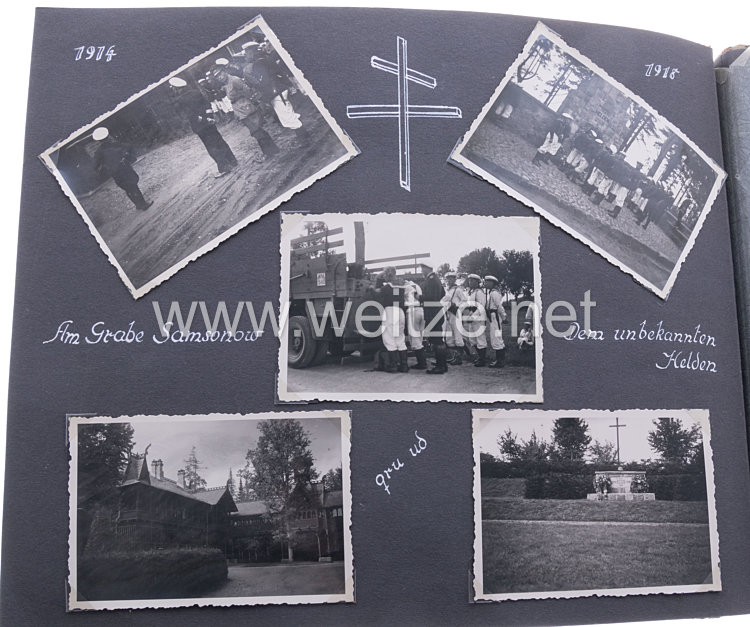
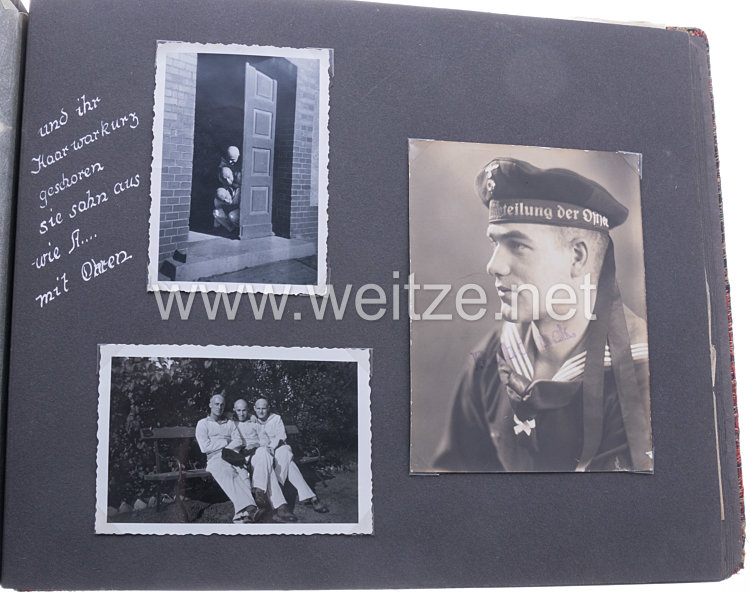
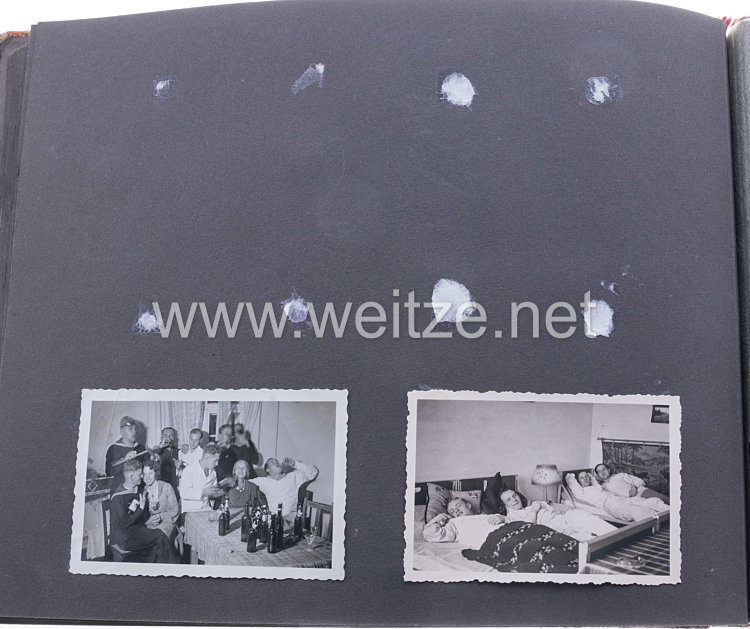
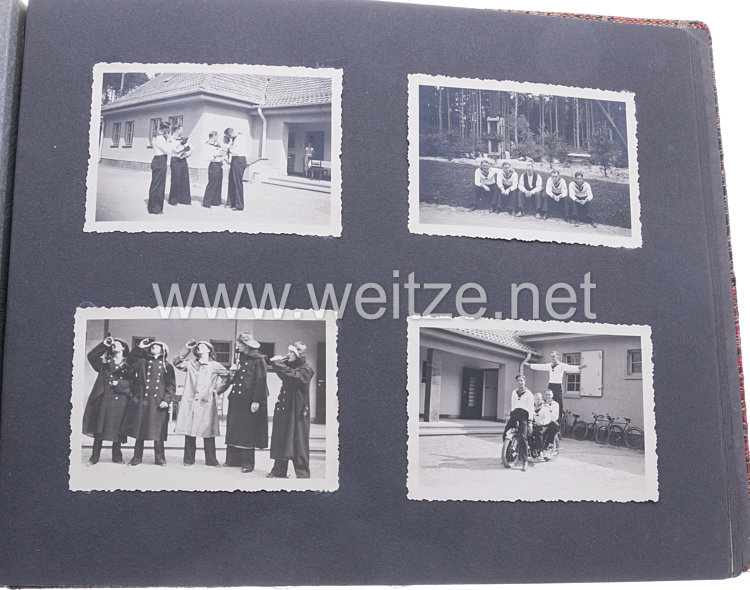
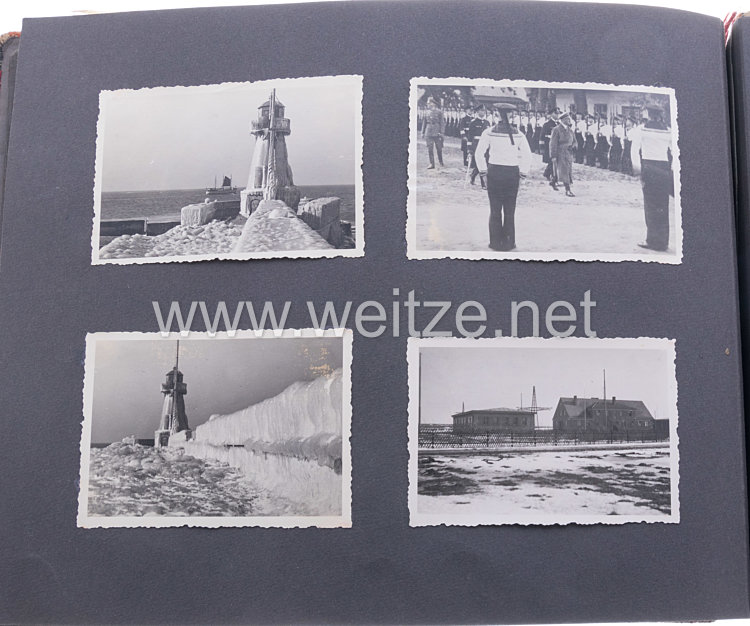
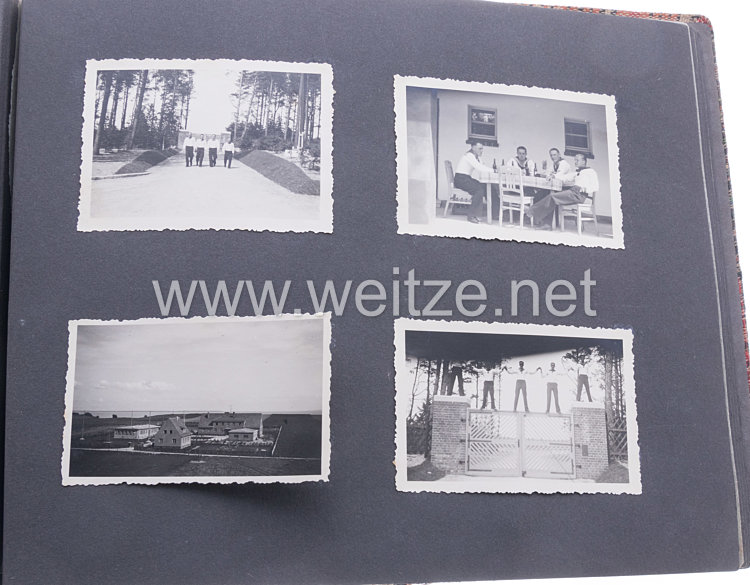
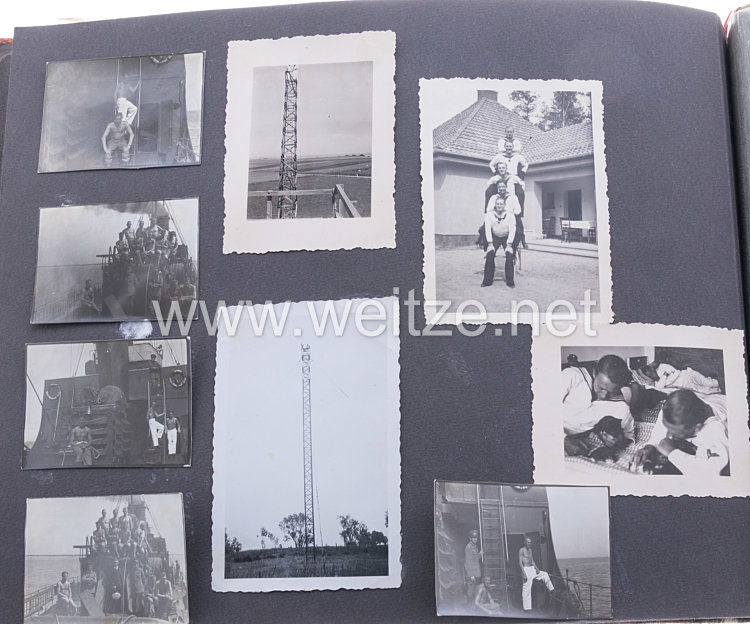
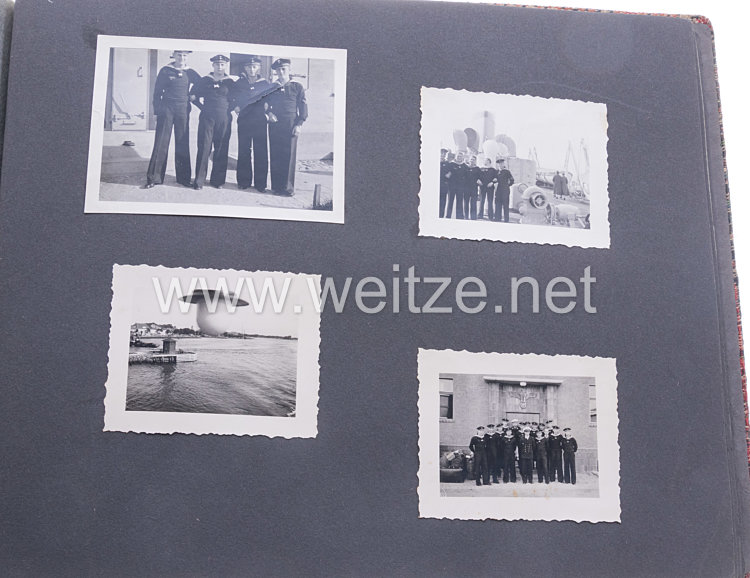
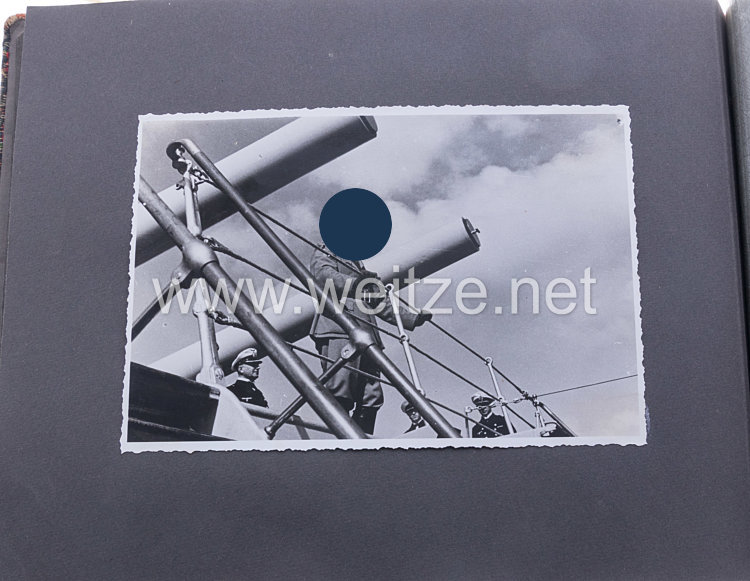
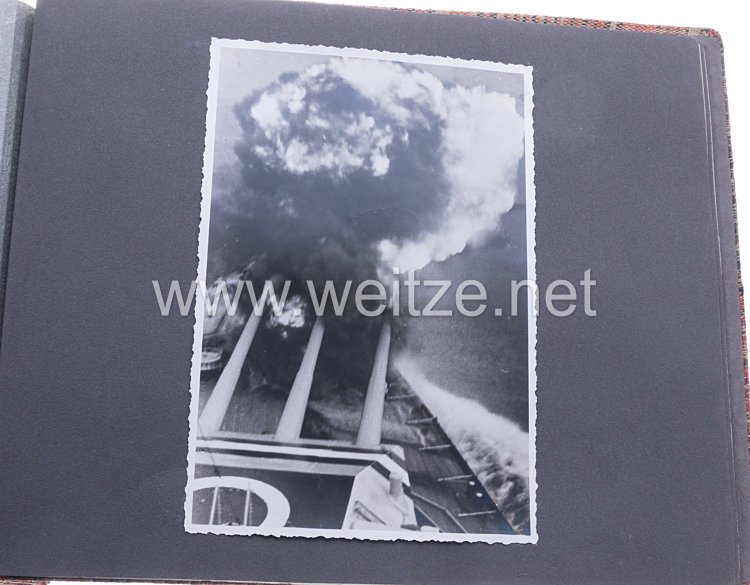
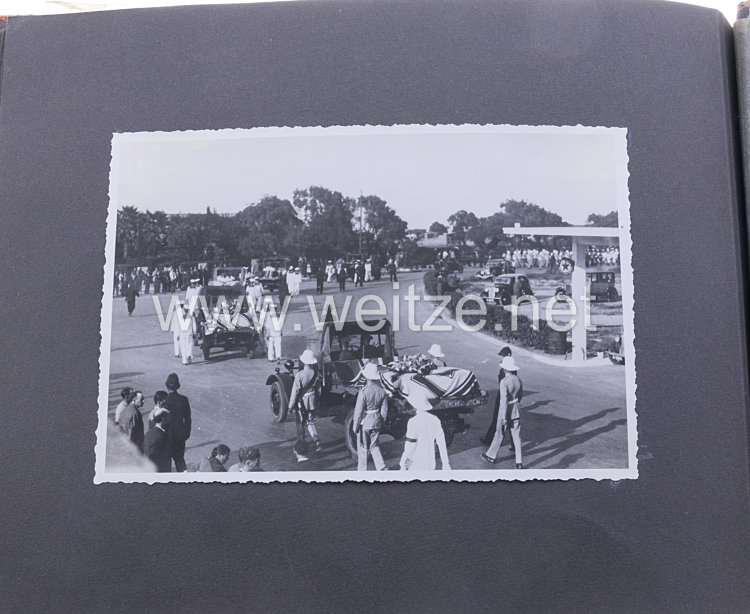
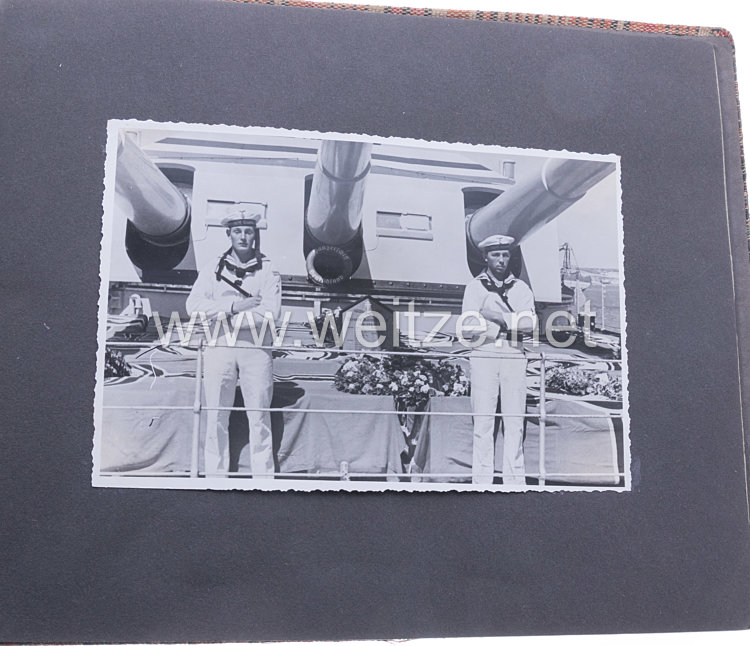
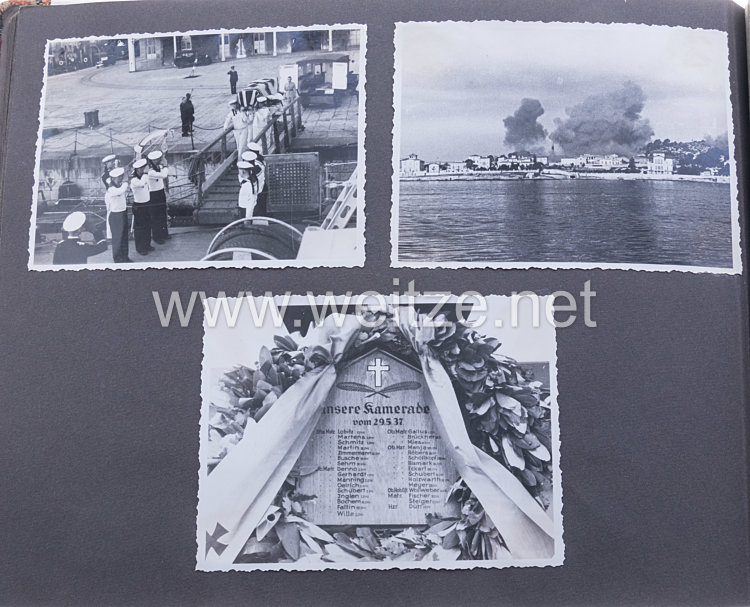
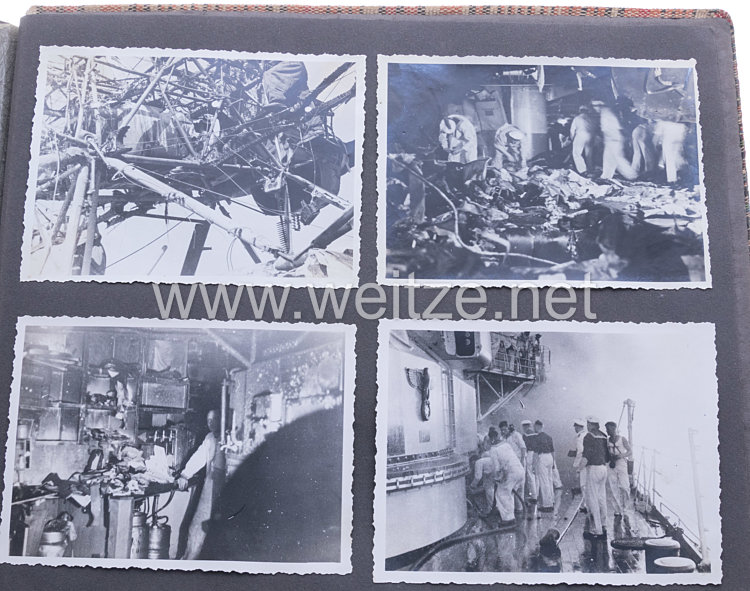
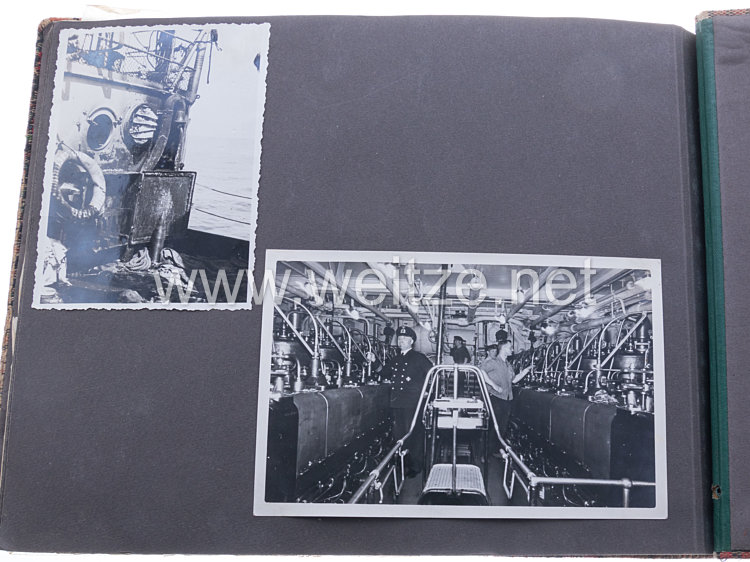
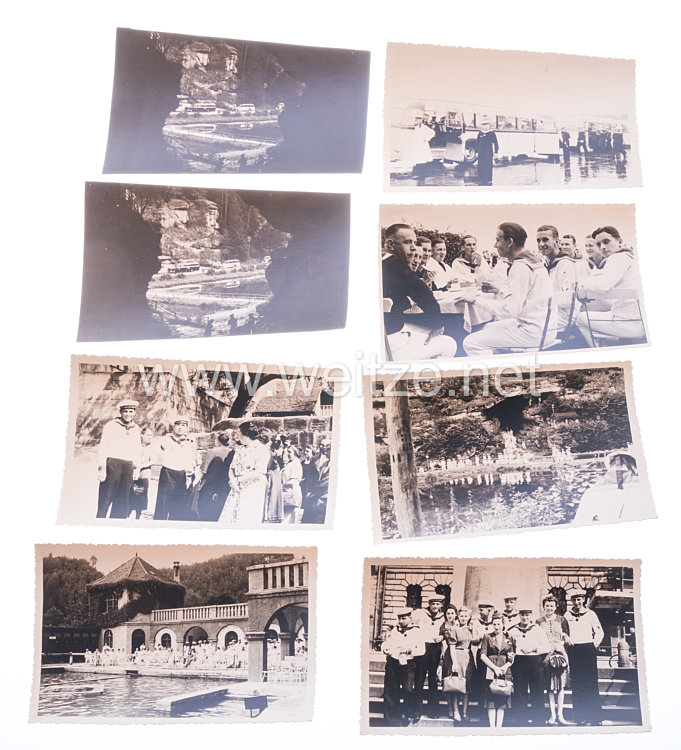
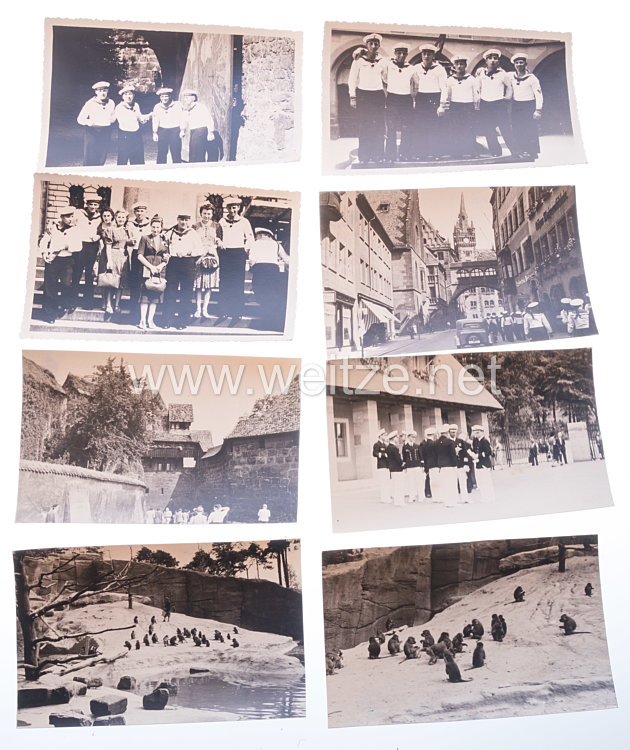
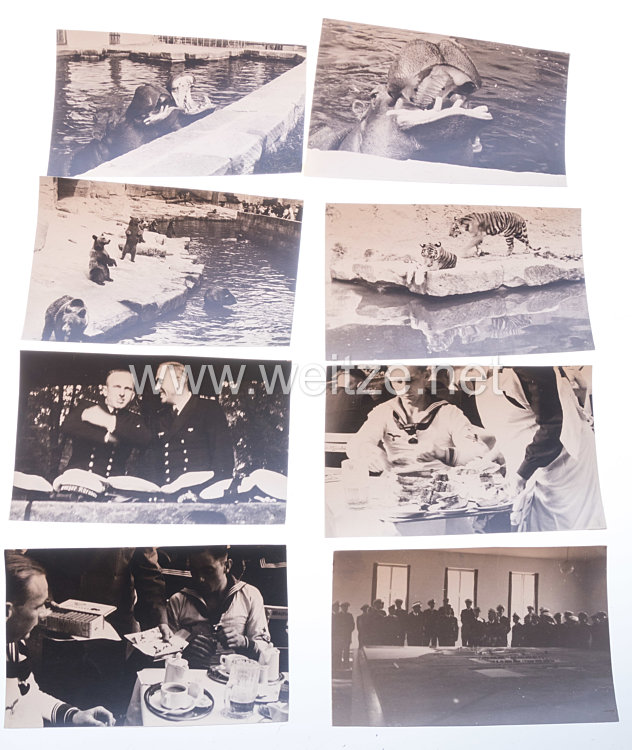
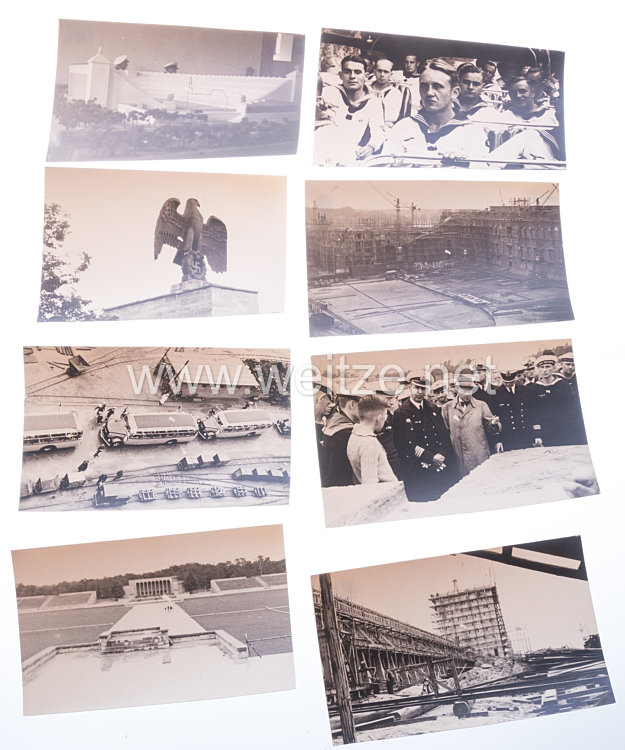
Approx. 270 photographs. Oath-taking ceremony in Stralsund, ship Tannenberg, Naval Communications School Flensburg, Glücksburg, Adolf Hitler in Pillau, Naval Service East Prussia, cruiser Karlsruhe in Flensburg, Naval Hospital Swinemünde, battleship "Schlesien" and "Schleswig-Holstein", U-boats in harbor, communications station Pillau, Adolf Hitler on the armored ship "Deutschland", honor guard for fallen soldiers from May 29, 1937, photographs of destruction from bomb hits, torpedo firing, seaplane being hoisted aboard, launch of the Tirpitz, armored ship "Graf Spee", foreign voyage to Spain, photographs with locals, Hamburg Zoo, Nürnberg. Used condition.


331632
500,00

Kriegsmarine Photo Albums, Member of the Cruiser "Nürnberg" and later on the Heavy Cruiser "Admiral Graf Spee"

These Kriegsmarine photo albums document the service of a German naval serviceman in the second half of the 1930s, offering an extraordinary insight into the life and operations of the German Navy during the rearmament phase before World War II.

The collection of approximately 270 photographs begins with the swearing-in ceremony in Stralsund, a traditional naval location on the Baltic Sea coast. Stralsund had played an important role in German naval history for centuries, serving as a training and base facility. The photographic documentation shows the typical career path of a naval serviceman who completed his training at various naval schools, including the Naval Communications School in Flensburg. This institution was responsible for training communication specialists for the Navy, a crucial specialization in modern naval warfare.

Particularly significant are the photographs aboard the cruiser Nürnberg, a light cruiser of the Leipzig class commissioned in 1935. The Nürnberg had a displacement of about 9,040 tons and was armed with nine 15-cm guns. The ship participated in numerous fleet exercises and represented the German Navy at international occasions. The photographer's transfer to the heavy cruiser Admiral Graf Spee marks an important career step. The Graf Spee belonged to the Deutschland class of armored ships, internationally known as “pocket battleships.”

The albums also contain significant historical moments, including photographs of Adolf Hitler in Pillau and aboard the armored ship Deutschland. These visits were part of National Socialist propaganda glorifying rearmament and served to display military strength. The dictator's presence with naval units underscores the political importance attached to building up the Kriegsmarine within the framework of National Socialist armament policy.
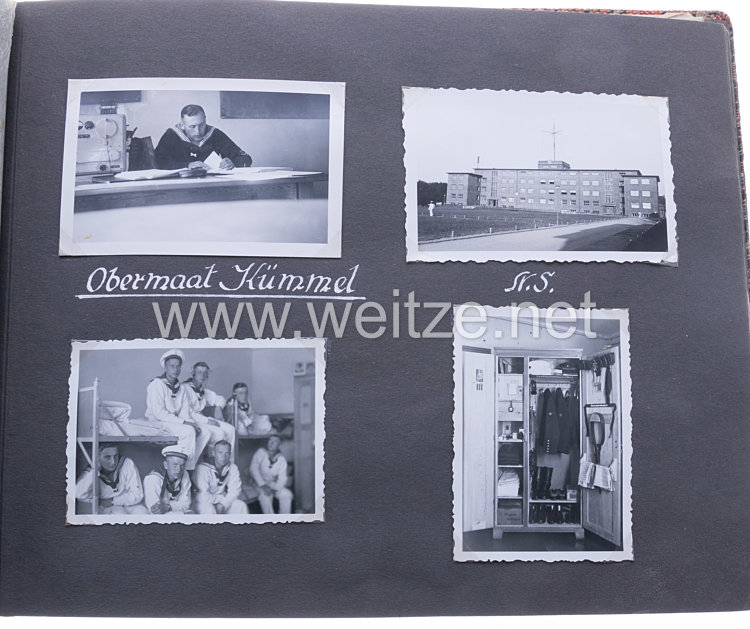
Of particular historical interest is the documented death watch for fallen soldiers on May 29, 1937. This date refers to casualties during the Spanish Civil War, where the German Navy was present as part of the international non-intervention patrol. On May 29, 1937, the armored ship Deutschland was bombed by Republican aircraft off Ibiza, killing 31 crew members and wounding 83. The photographs of destruction from bomb hits presumably document this attack, which led to a significant escalation of German intervention.

The photographic documentation of the launching of the Tirpitz on April 1, 1939, in Wilhelmshaven shows one of the most significant events in German naval shipbuilding. The Tirpitz was the sister ship of the Bismarck and, with over 42,000 tons displacement, one of the largest battleships ever built. The launch was staged as a major propaganda event and demonstrated the German Reich's claim to great maritime power status.

The foreign voyage to Spain documents the Kriegsmarine's participation in the Spanish Civil War (1936-1939), where German naval forces were officially deployed to evacuate German citizens and for non-intervention patrols, but actually provided support for Franco's nationalist troops. The photographs with locals show the everyday life of crews during these deployments.

Other documented ships such as the battleships Schlesien and Schleswig-Holstein represent the older generation of German warships from the Imperial era. The Schleswig-Holstein gained infamous notoriety as the ship whose bombardment of the Westerplatte at Danzig on September 1, 1939, marked the beginning of World War II.

The photographs of submarines in harbor, torpedo firing exercises, and seaplanes document the technical diversity of the Kriegsmarine. The integration of shipboard aircraft on cruisers and battleships was an important aspect of naval warfare for reconnaissance and artillery observation.

Such private photo albums are today valuable historical sources that document military daily life, technical details, and the perspective of individual soldiers. They supplement official historiography with personal insights into the lives of crews and the atmosphere of the pre-war period. At the same time, they are testimonies to an era in which the German Navy was deliberately instrumentalized for aggressive foreign policy objectives.