Kriegsmarine Photo Group, U-Boat U-48 on War Patrol

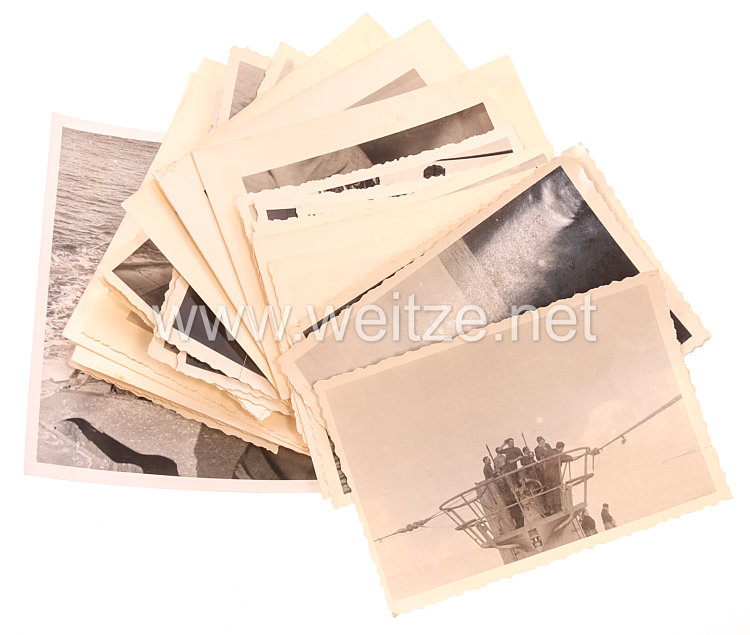
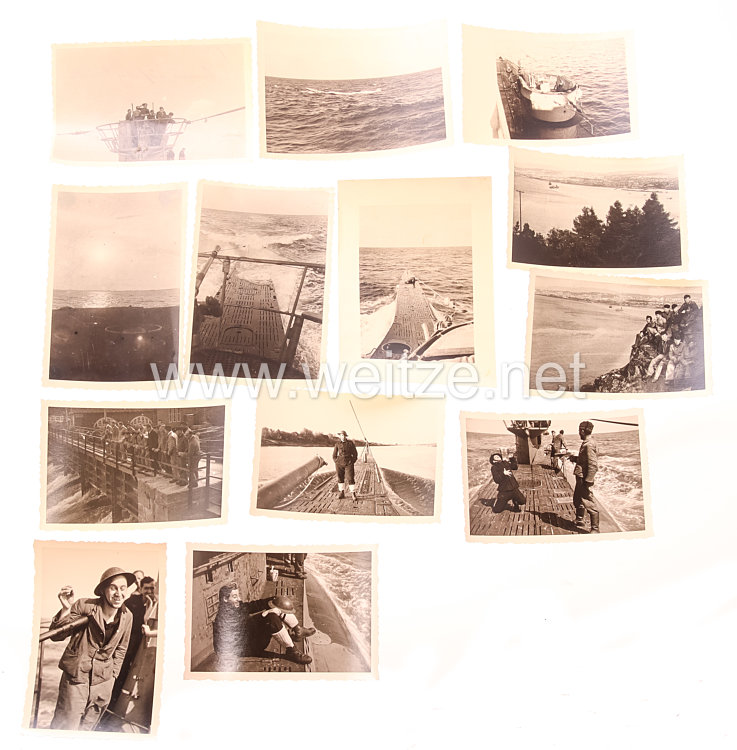
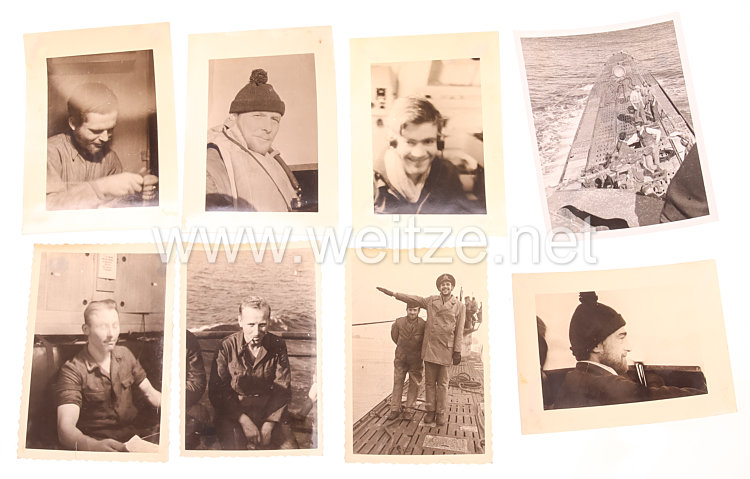
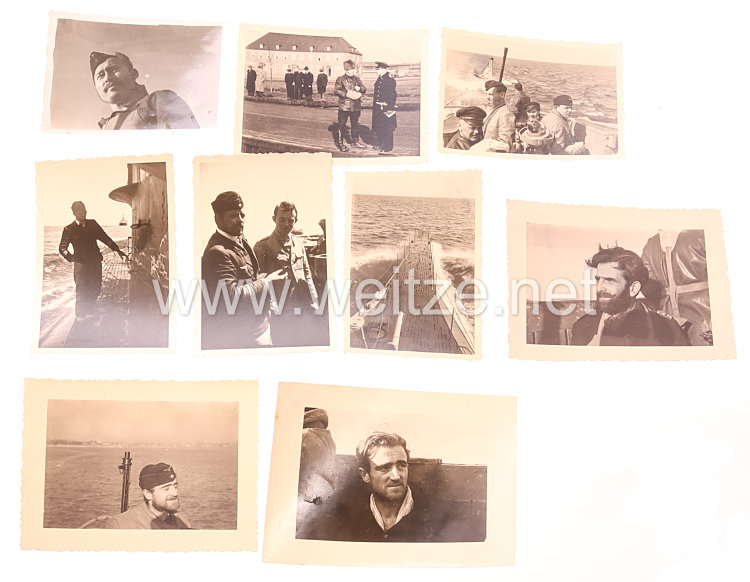
Approximately 30 photographs. On the high seas, Hans Rudolf Rösing, Herbert Schultze, Wilhelm Kruse, Maling, conning tower emblem, condition 2.
421025
650,00

Kriegsmarine Photo Group, U-Boat U-48 on War Patrol

This photographic collection documents the life and operations of the crew of the German U-boat U 48 during a combat patrol in World War II. With approximately 30 photographs, this group offers a rare and authentic glimpse into the daily life of Kriegsmarine submariners at sea.

U 48 was a Type VII B submarine and became one of the most successful German U-boats of the entire war. The boat was commissioned on April 22, 1939, at the Germaniawerft in Kiel and sank 51 ships totaling over 300,000 GRT during its operational career, while damaging three additional vessels. This remarkable record made U 48 the most successful submarine of any belligerent nation in World War II.

The individuals mentioned in the collection belonged to the most renowned U-boat commanders of their time. Herbert Schultze, known as “Vaddi” Schultze, was the first commander of U 48 from April to October 1939. He led the boat during its first two successful war patrols and became known for his chivalrous conduct of warfare, as he repeatedly ensured the safety of survivors from sunken ships. Schultze received the Knight's Cross of the Iron Cross in August 1940.

Hans-Rudolf Rösing took over U 48 in October 1939 as the second commander and led it on further successful combat patrols. Under his command, the boat continued its impressive success record. Rösing later became a significant figure in the U-boat arm and assumed higher leadership positions.

The mention of Wilhelm Kruse and Maling indicates additional crew members who were aboard during the documented patrol. These names represent the many submariners who served with distinction but are less well-known than their commanders.

The turret emblem visible in the photographs was a characteristic feature of Kriegsmarine U-boats. U 48 bore various emblems during its service life, which were mounted on the conning tower and contributed to identification and crew esprit de corps. These emblems were often designed by the crews themselves and reflected their character and traditions.

Photographs from war patrols are of particular historical value, as photography aboard U-boats was often restricted for security reasons. Nevertheless, many crew members documented their experiences with private cameras. These images typically show scenes of daily life in the confined environment of a submarine, shots at sea, sinkings, the crew engaged in various activities, and sometimes encounters with enemy or neutral vessels.

The designation “at sea” emphasizes the operational area of these photographs. U 48 operated primarily in the North Atlantic, where the German U-boat force attempted to disrupt British supply lines. The years 1939 to 1941 were the most successful period for German U-boats, before the Allies significantly strengthened their anti-submarine defenses.

U 48 conducted a total of twelve war patrols before being withdrawn from front-line service in June 1941 and used as a training boat. The boat survived the war and was scuttled in 1945 as part of Operation Deadlight.

Such photographic collections are important historical sources today for research into submarine warfare. They offer not only military-historical insights but also social-historical perspectives on the lives of the young men who served under extreme conditions. The stated condition 2 indicates a well-preserved collection, which is remarkable given the age and circumstances under which these photographs were taken and stored.

The documentation of specific commanders and crew members adds significant provenance to this collection, making it particularly valuable for researchers studying the personnel and operations of the Kriegsmarine's most successful submarine.