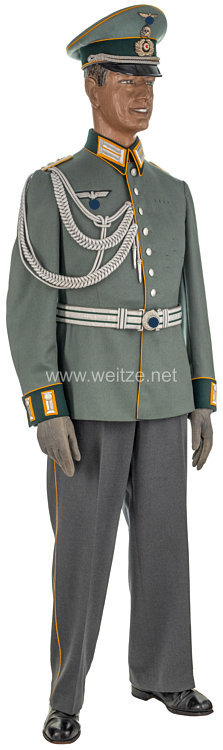
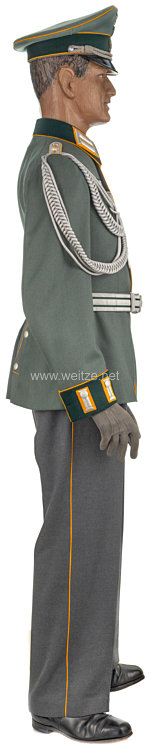
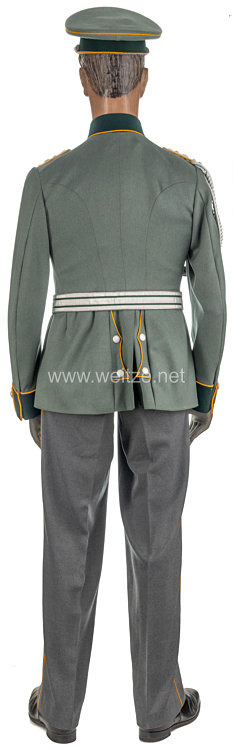
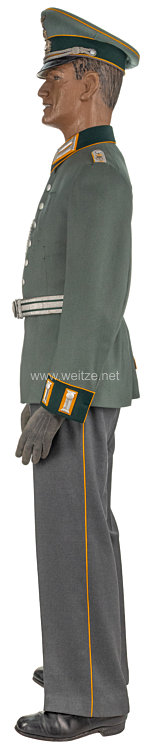
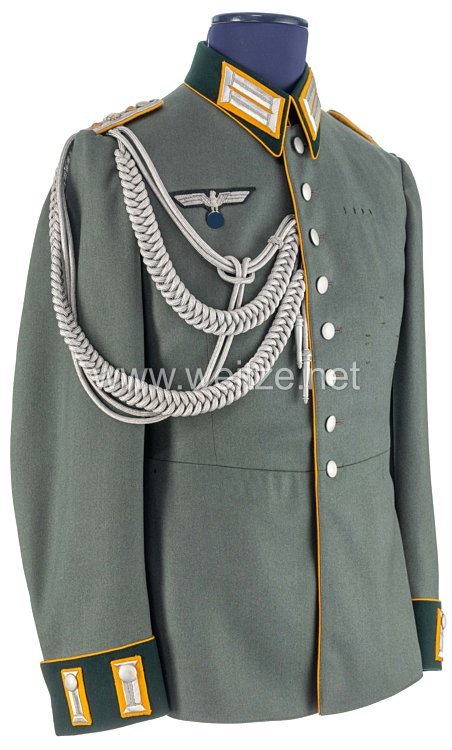
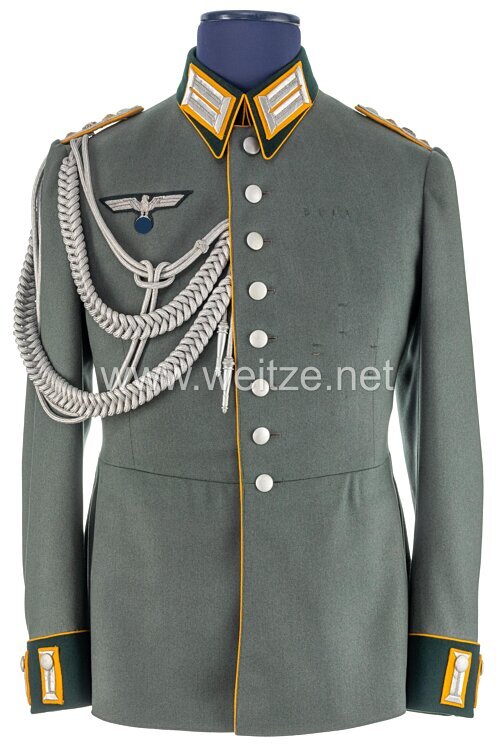
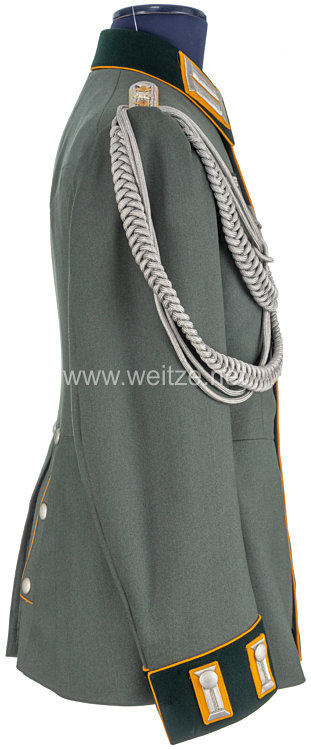
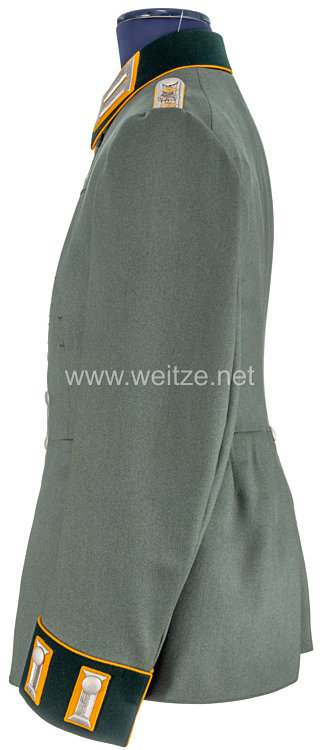
Wehrmacht komplette Parade-Uniform aus dem Besitz von Rittmeister F. Filser, Chef der 5. M.G. Schwadron im Kavallerie-Regiment Nr. 17
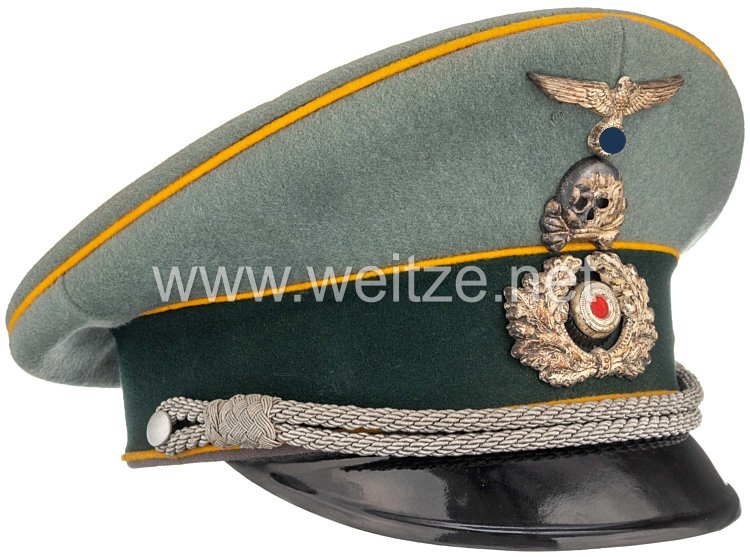
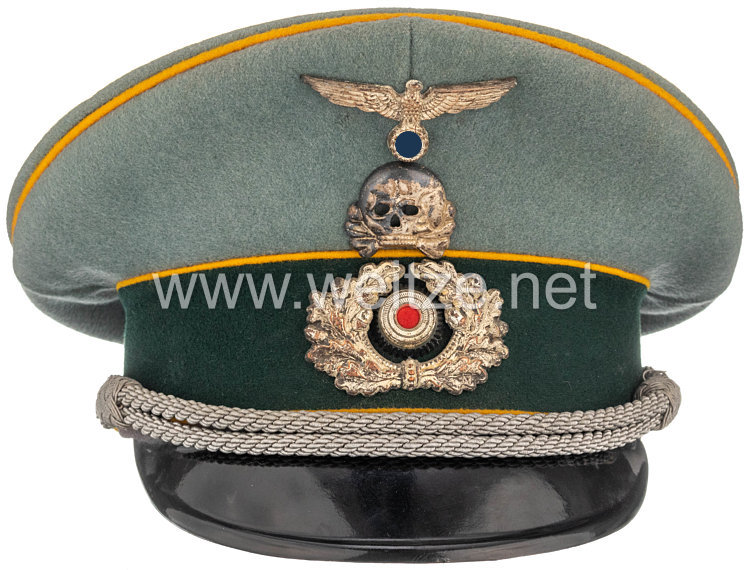
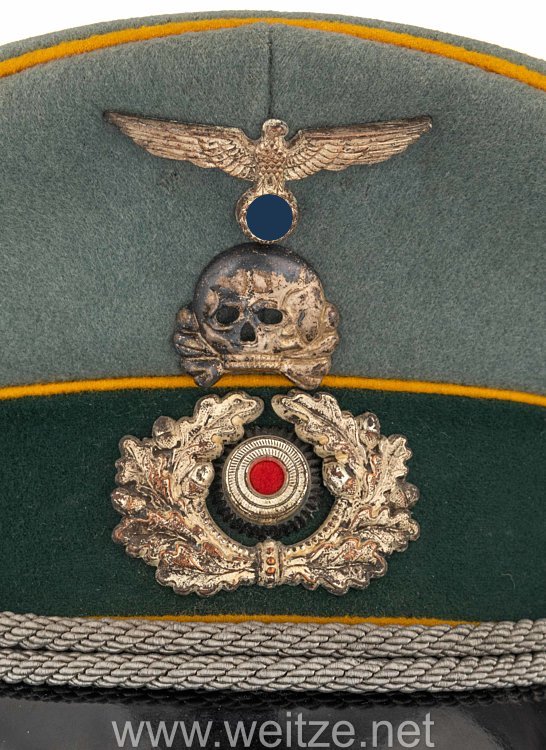
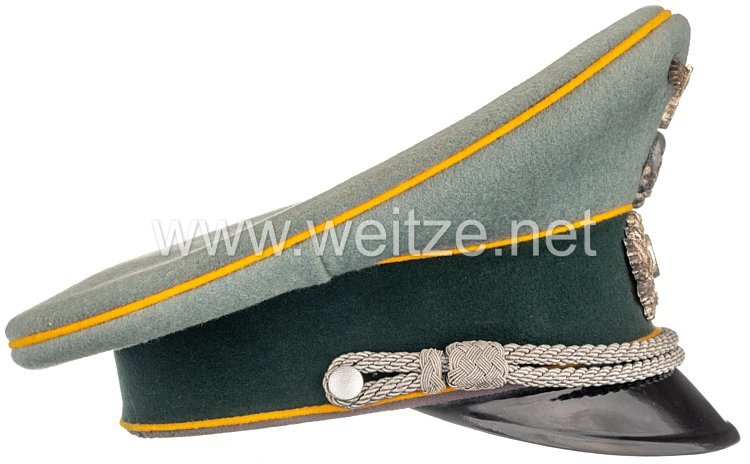
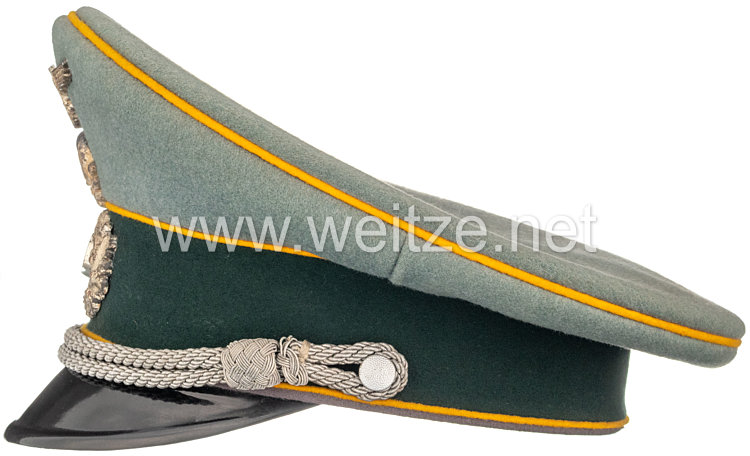
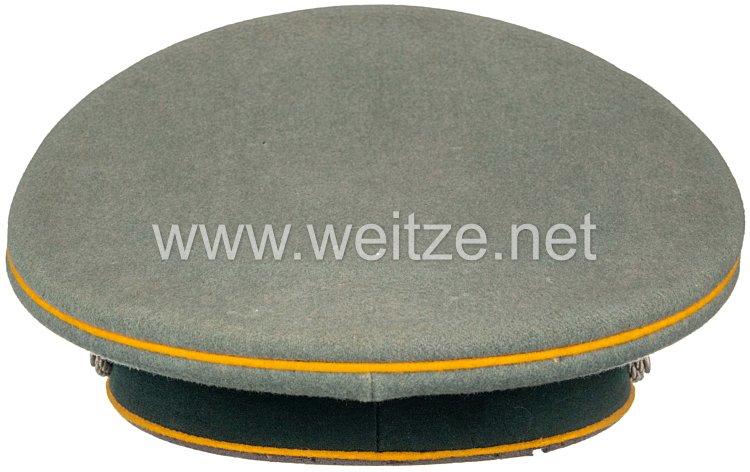
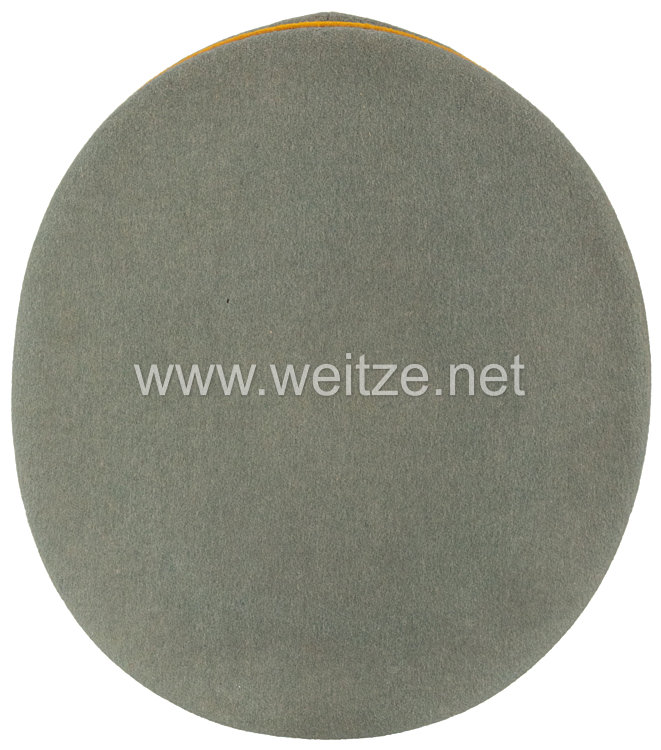
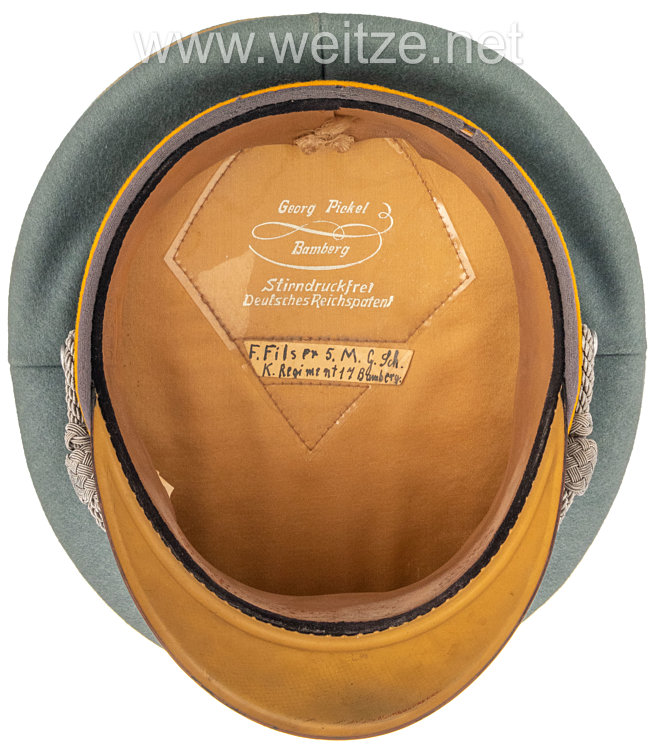
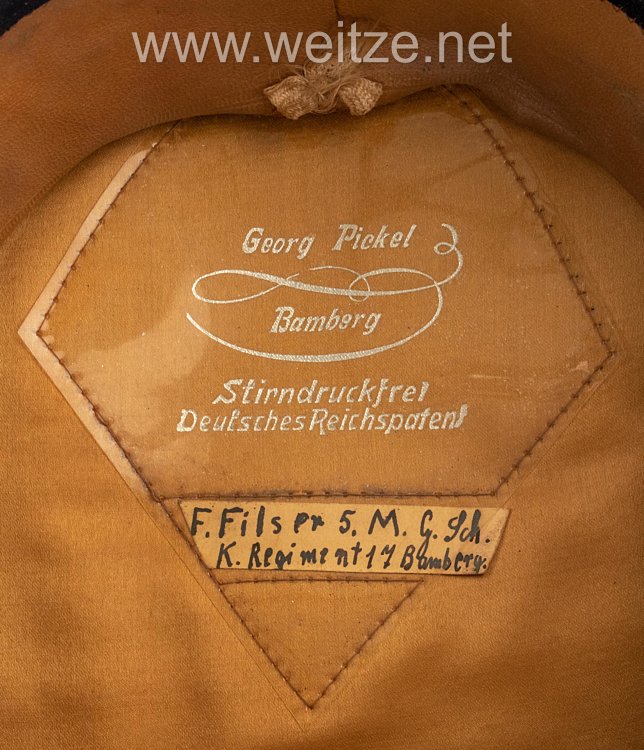
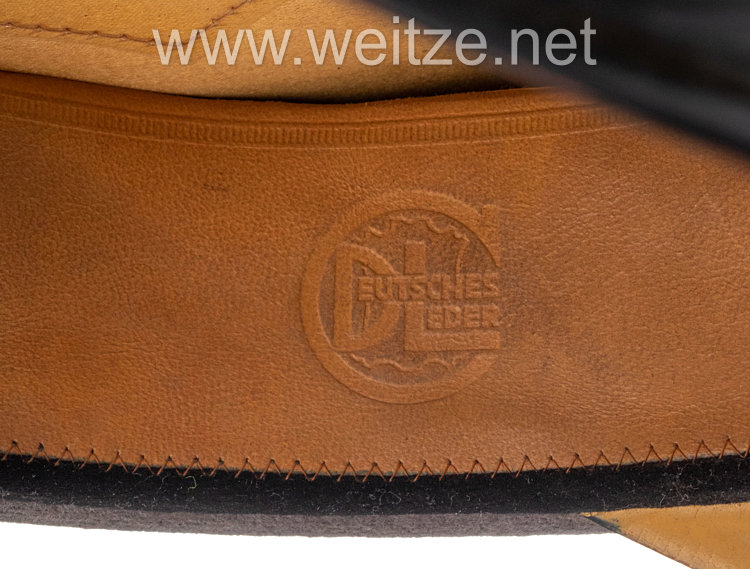
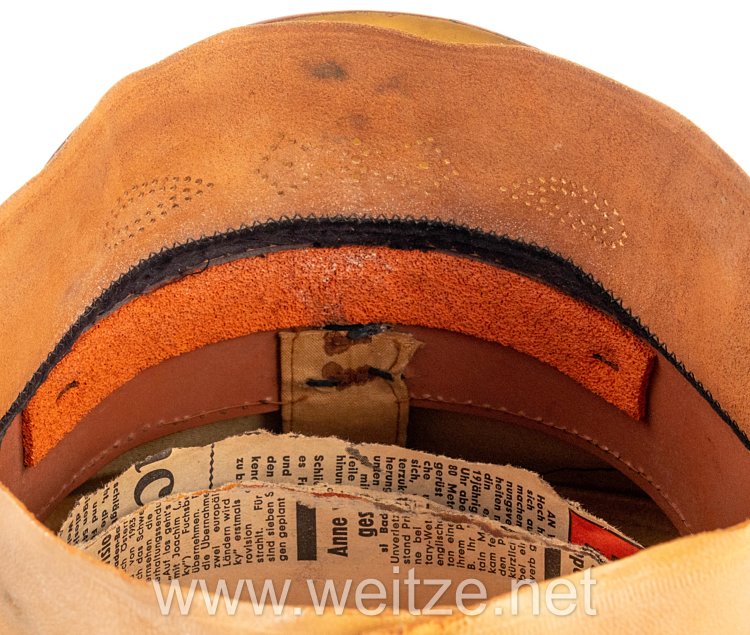
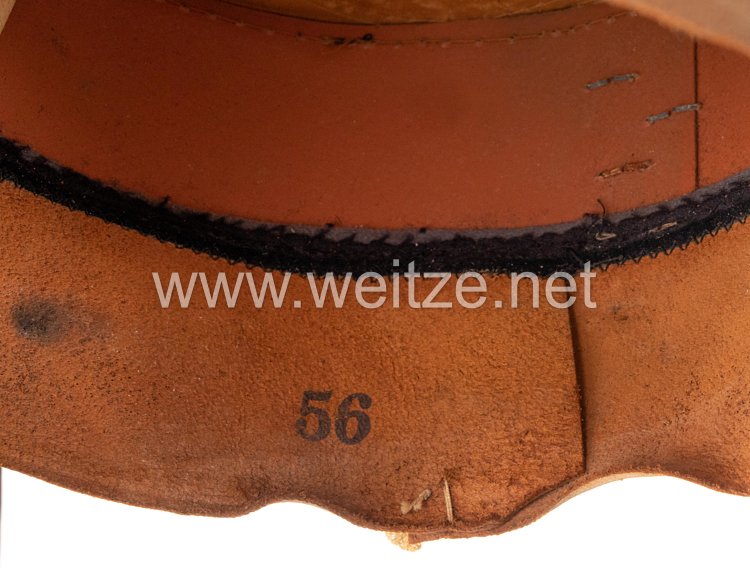
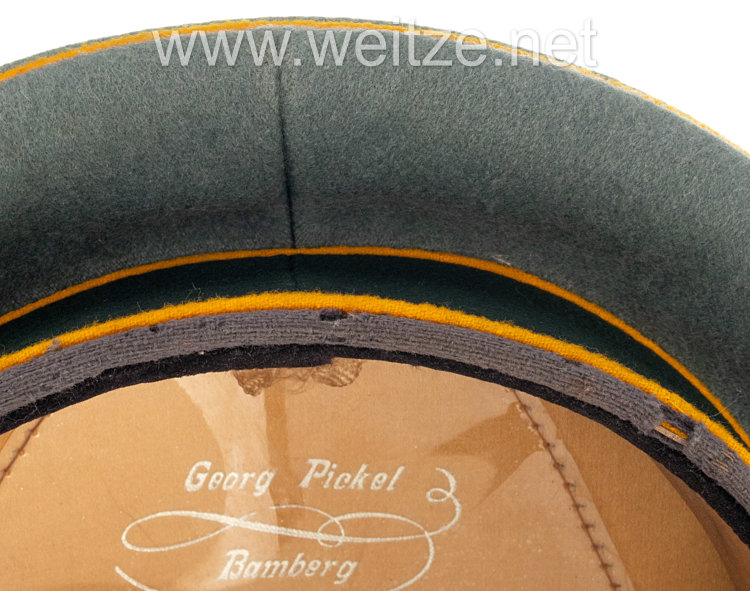
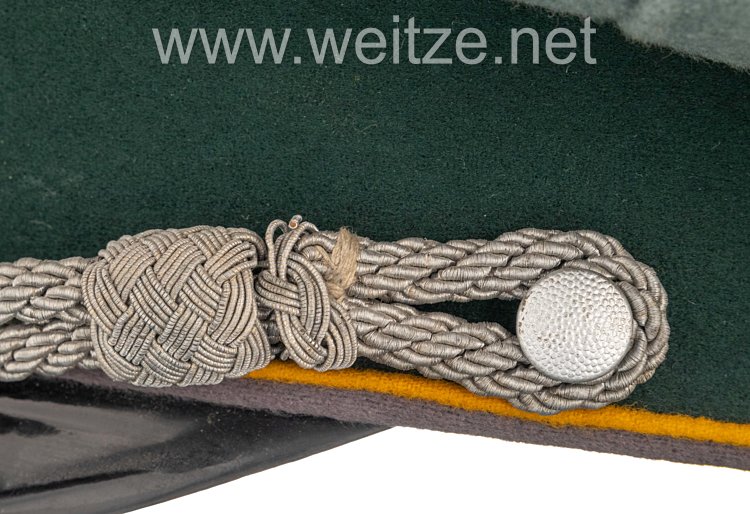
Standort Bamberg, um 1937. Sehr schönes Ensemble bestehend aus Schirmmütze, Parade-Waffenrock, Hose und Parade-Feldbinde. Die Schirmmütze ist eine typische Fertigung der Fa. Peküro für ein Bamberger Uniformgeschäft, die Mütze in hoher eleganter Sattelform, Fertigung aus feldgrauem Tuch in Feiner Offiziersqualität. Komplett mit Hoheitsadler, Traditions-Totenkopf, Eichenlaubkranz und Kokarde in Buntmetall versilbert, Waffenfarbe goldgelb. Innen hellbraunes Schweißleder mit schwarzer Samtkante, seitlich mit Prägestempel "Deutsches Leder", helles Seidenfutter, unter dem Zelluloidtrapez mit silber geprägter Bezeichnung "Georg Pickel Bamberg Stirndruckfrei Deutsches Reichspatent", mit handgeschriebenem Trägeretikett "F.Filser 5.M.G.Sch. K. Regiment 17 Bamberg.", Größe 57.
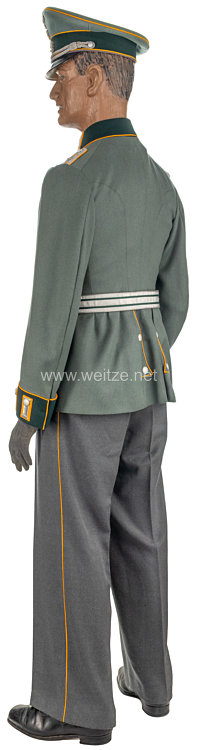
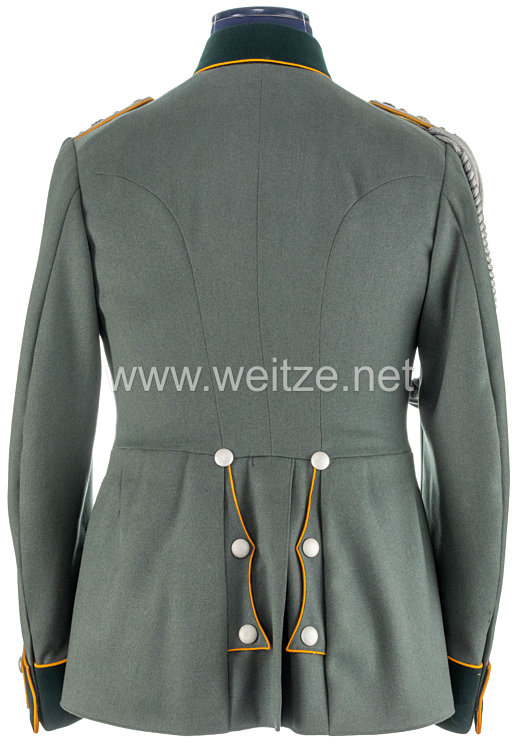
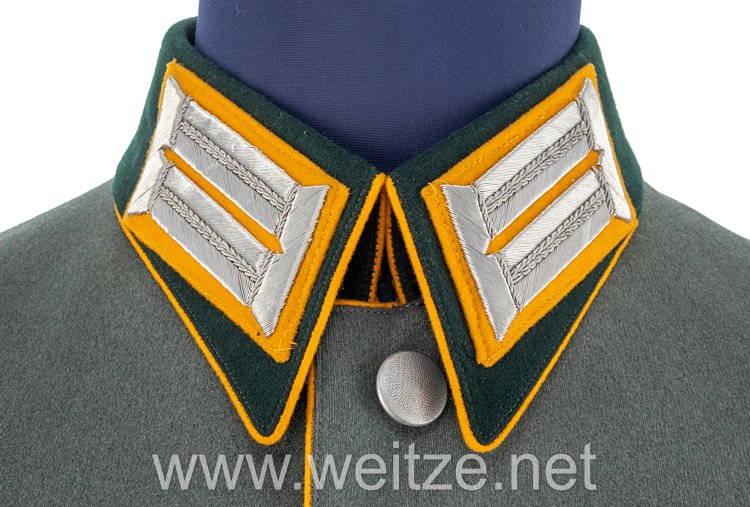
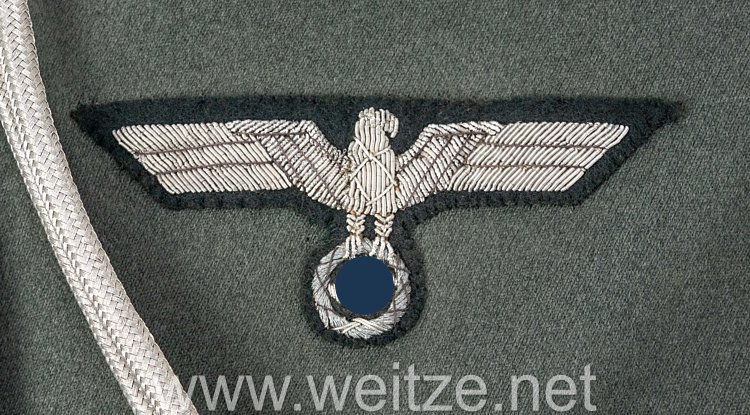
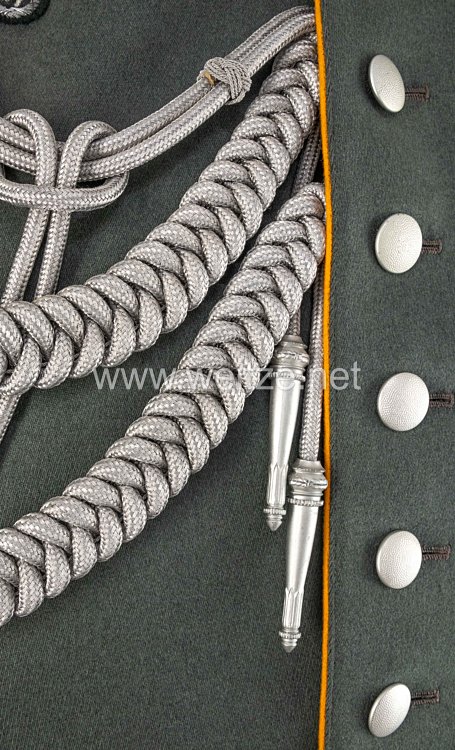
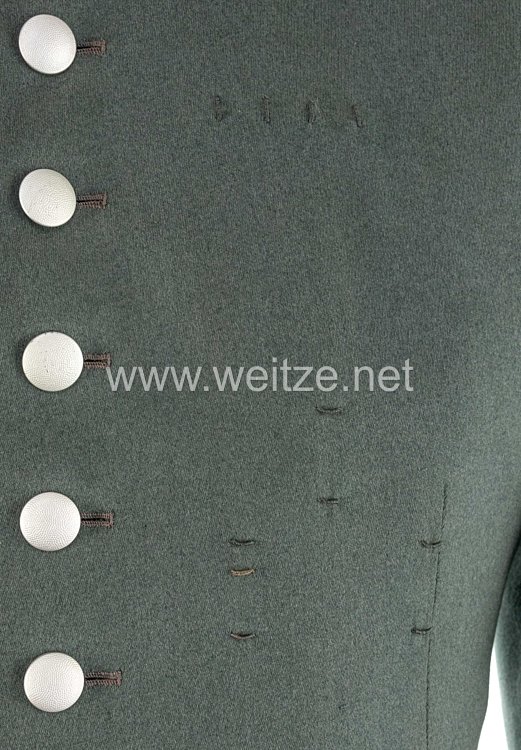
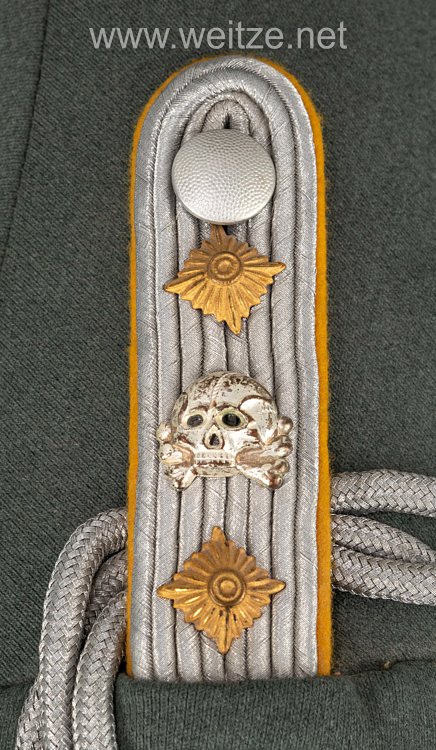
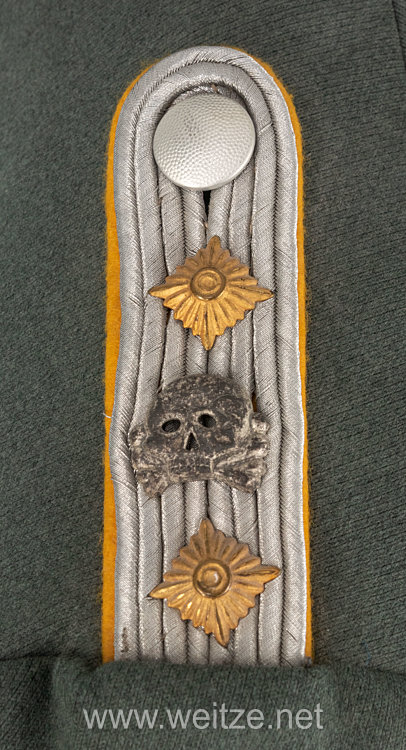
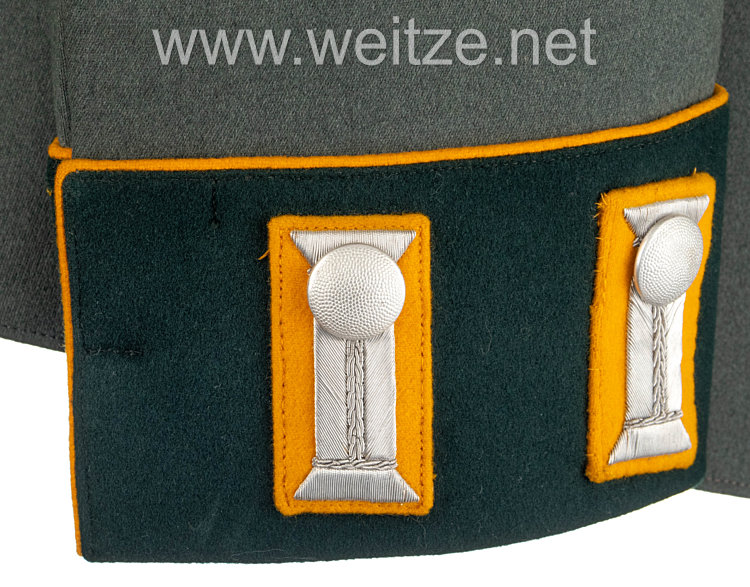
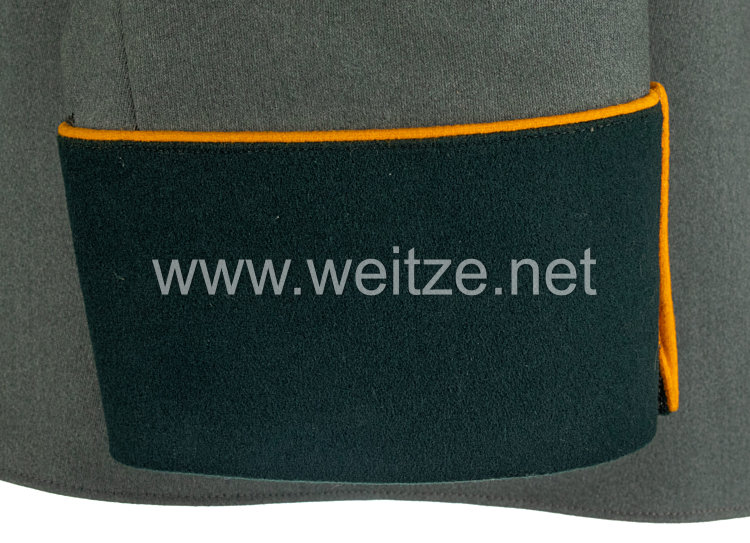
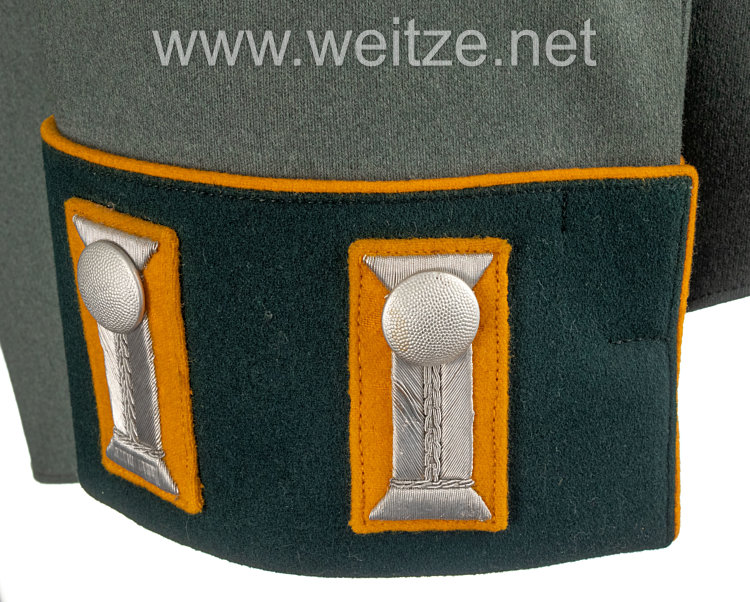
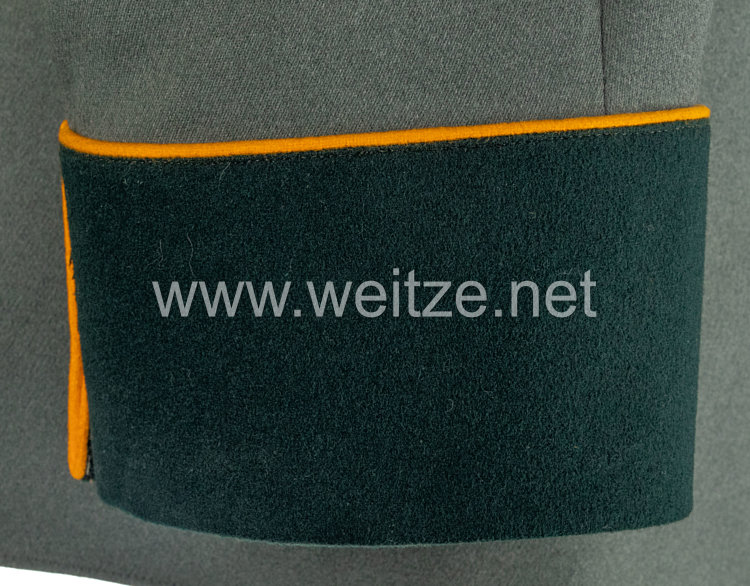
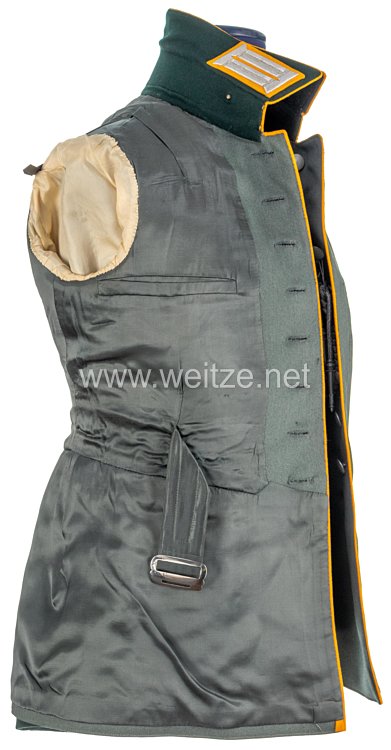
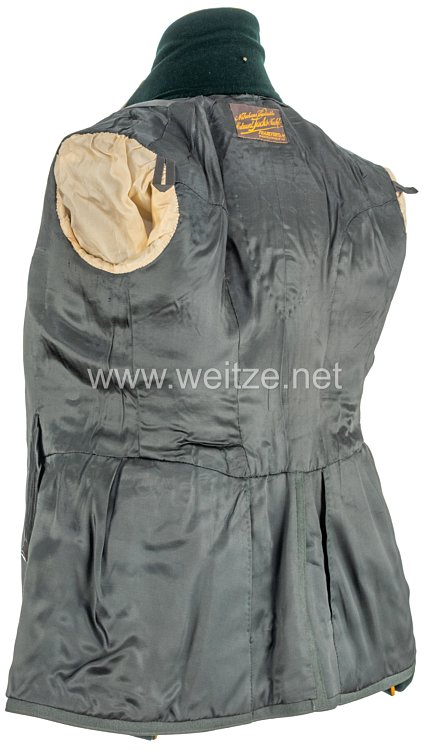
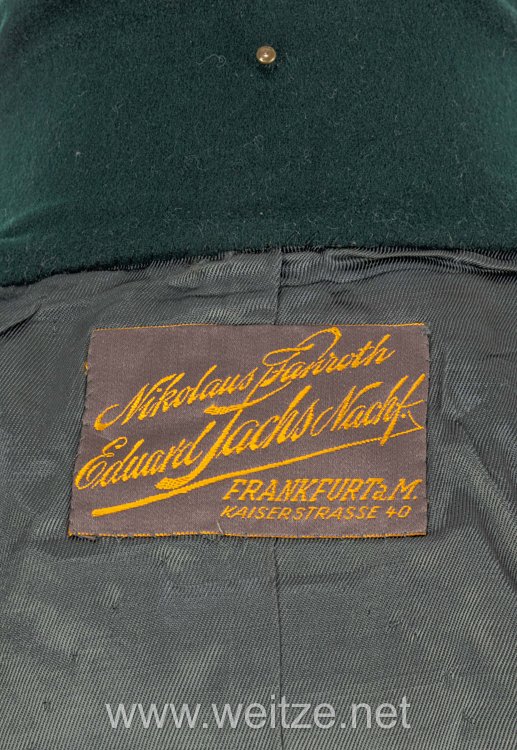
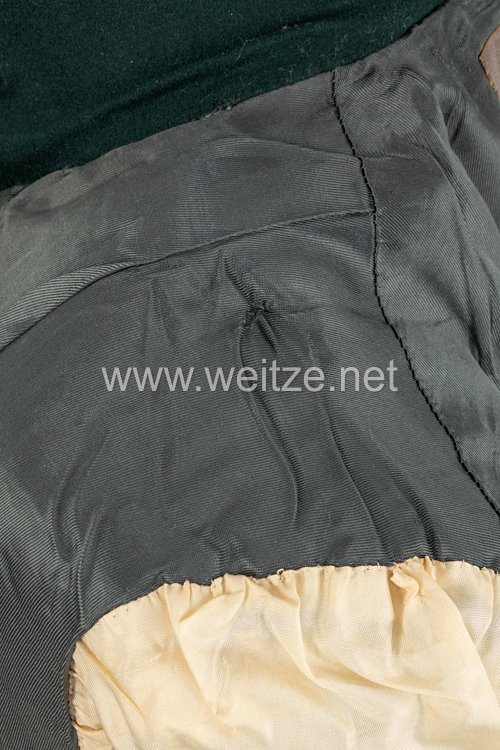
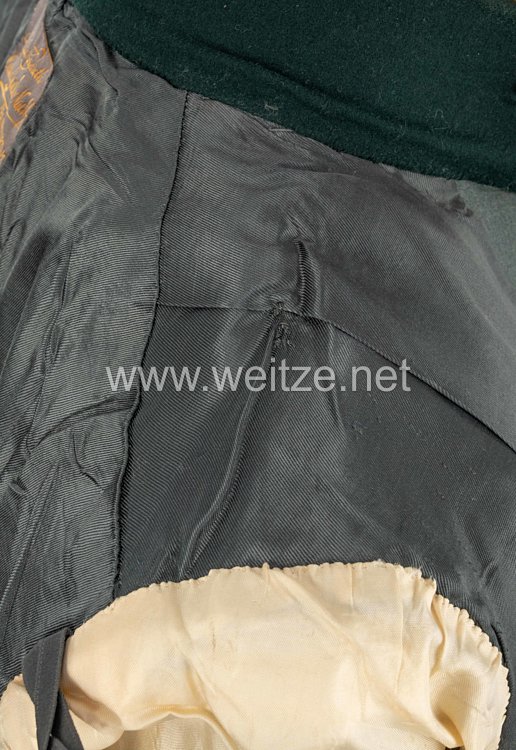
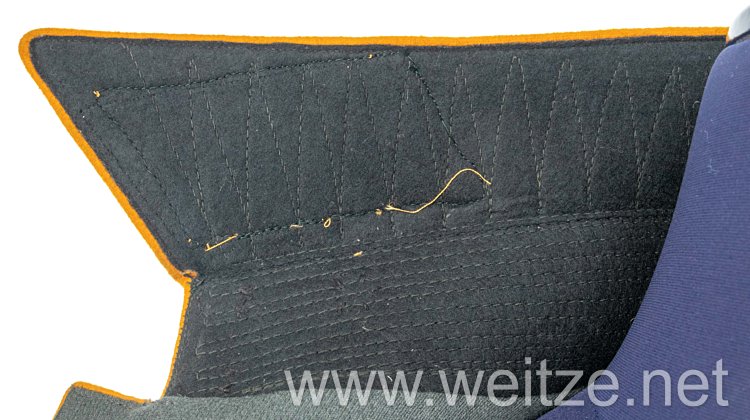
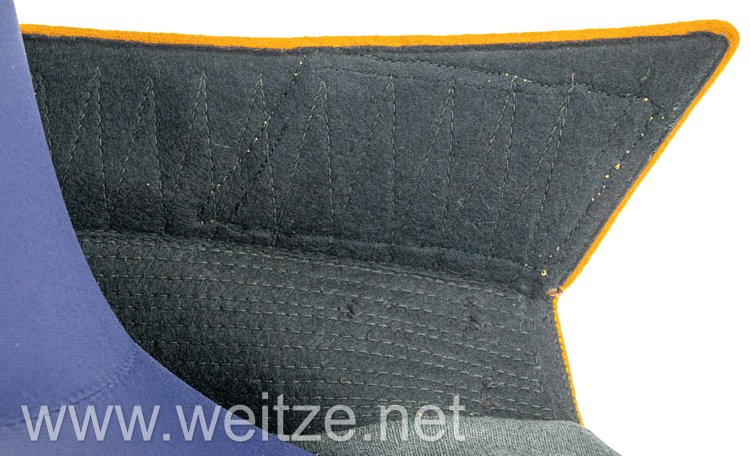
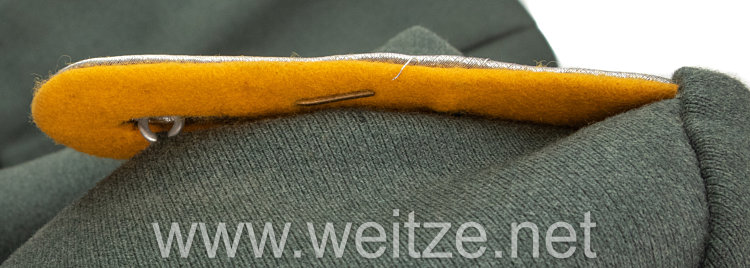
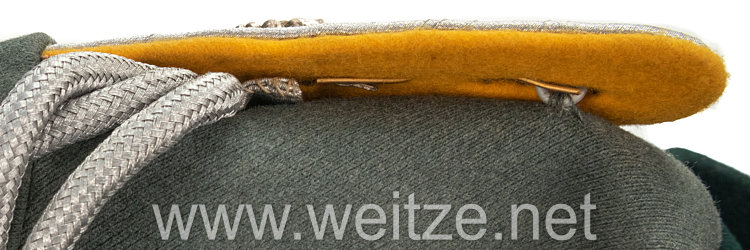
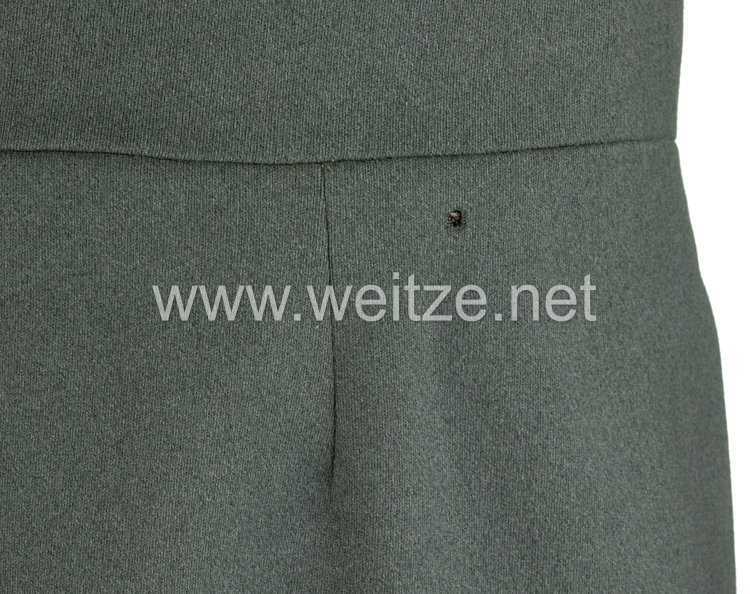
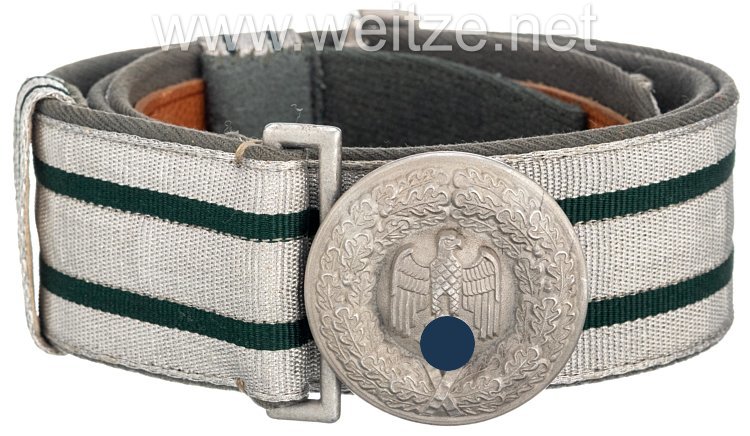
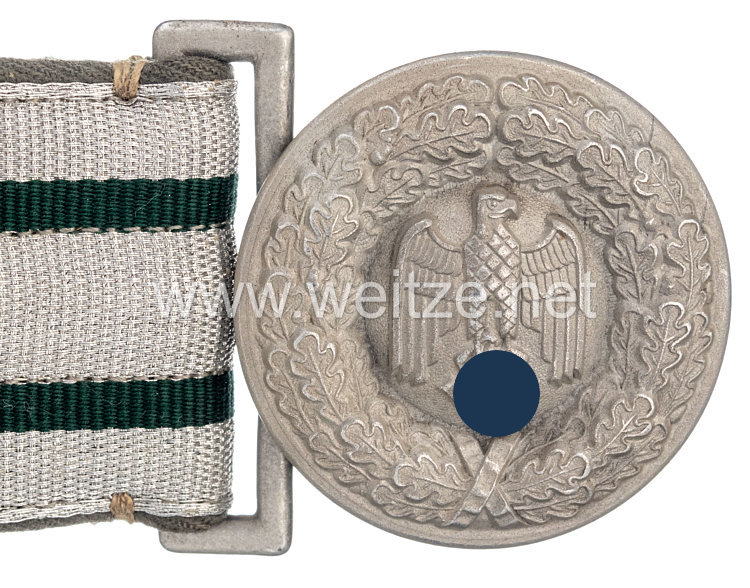
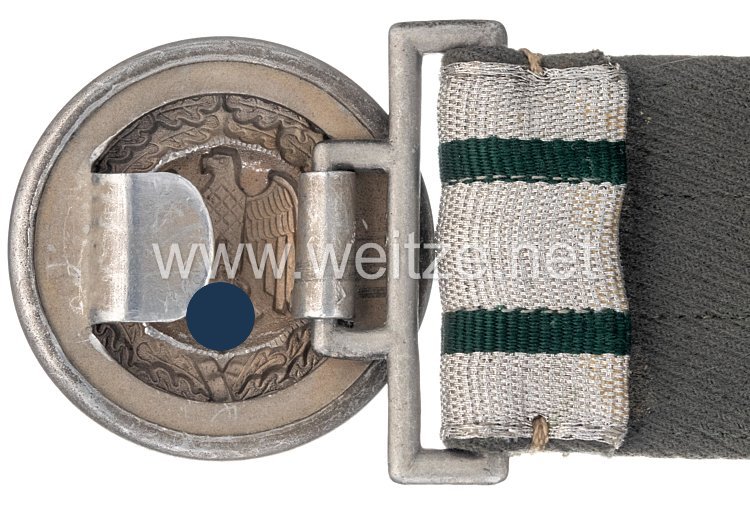
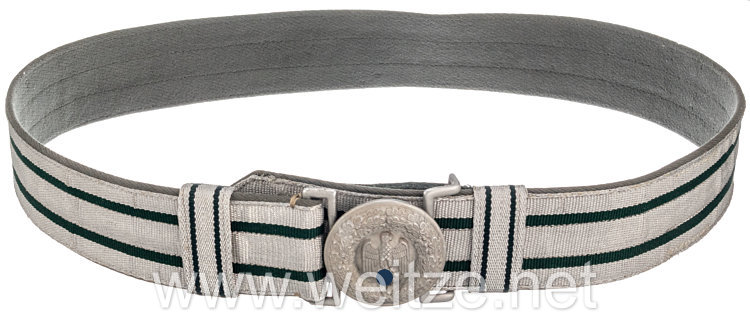
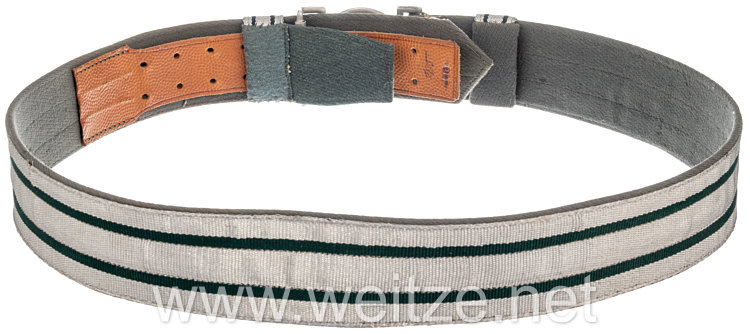
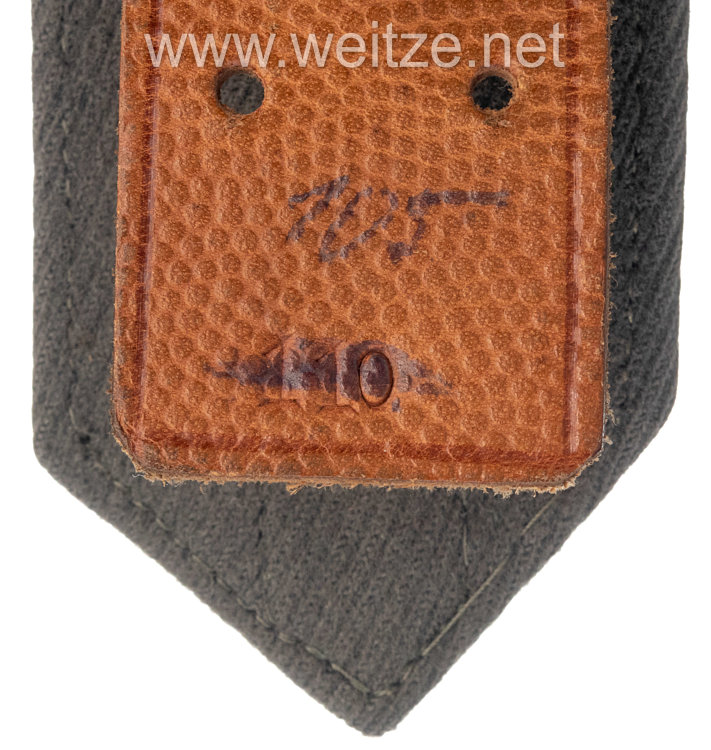
Wehrmacht Parade-Waffenrock als Rittmeister im Kavallerie-Regiment Nr. 17. Elegantes Eigentumsstück, Tuch in feiner Offiziersqualität, komplett mit allen Effekten. Metallfaden handgestickter Brustadler auf dunkelgrün, per Hand vernäht. Die Kragenspiegel und Ärmelpatten in Metallfaden-handgestickter Ausführung, maschinell vernäht. Die eingenähten Schulterstücke mit den aufgelegten Traditions-Totenköpfen in Offiziersausführung, hochgewölbt und versilbert (keine "normalen" Totenköpfe für Panzerkragenspiegel !), Waffenfarbe goldgelb. Auf der Brust Schlaufen für eine Bandspange und für drei Steckabzeichen: Eisernes Kreuz 1. Klasse, Deutsches Reiterabzeichen und Allgemeines Sturmabzeichen. Innen mit dunkelgrünem Seidenfutter, hinten mit gewebtem Schneideretikett "Nikolaus Farroth - Eduard Sachs Nachf. Frankfurt a.M. Kaiserstrasse 40". Komplett mit der Paradefangschnur, das Geflecht aus Aluminiumgespinst. Dazu die passende steingraue lange Hose aus Gabardine, seitlich mit goldgelber Biese. Weiterhin ein paar steingraue Handschuhe aus Wildleder für Offiziere sowie eine Parade-Feldbinde für Offiziere.
Die gesamte Uniform ist nur leicht getragen mit leichten Altersspuren, alle Effekten noch original vernäht, in unberührtem Originalzustand. Komplett mit einer Obermayer Puppe, fertig angezogen für eine Sammlung, bzw. Museums Ausstellung.
Extrem selten, in dieser Vollständigkeit mit Trägernachweis mit Sicherheit einmalig !
Im Jahr 1936 wurde das 17. Reiter-Regiment in das Kavallerie-Regiment Nr. 17 umbenannt, hierbei wurde auch die 5. Schwadron zur MG-Schwadron umgegliedert, Chef war Rittmeister Filser. Im Jahr 1937 erhielt das Regiment in München auf dem Königsplatz seine Standarte. Das Regiment führte die Tradition des 1. und 2. Leib-Husaren-Regiments weiter und trug als
Traditionszeichen den Totenkopf der Leibhusaren: getragen in der Reichswehr von 1. und 2. Eskadron; bei der Wehrmacht der Regimentsstab, Stab I. Abteilung 1.; 2., 4., 5. und 11. Schwadron; ab 1943/44 das ganze Regiment.
1939 wurde das Regiment aufgelöst, die Truppen aufgeteilt auf die die Divisions-Aufklärungs-Abteilung 12 , die Divisions-Aufklärungs-Abteilung 32 , die Divisions-Aufklärungs-Abteilung 175 und die Kavallerie-Ersatz-Abteilung 5.
Das 1944 neu aufgestellte Kavallerie-Regiment 5 erhielt mit Verfügung vom 3. Juni 1944 erneut den Traditionsnamen Kavallerie-Regiment 5 „Feldmarschall von Mackensen“. Es erhielt gleichzeitig die Tradition der beiden Leib-Husaren-Regimenter Nr. 1 und 2 der alten Armee verliehen. Mit Verfügung vom 29. Dezember 1944 erhielt der Sonderverband „Kavallerie-Regiment 5 „Feldmarschall von Mackensen““ den Totenkopf der Leibhusaren auf Schulterstücken und Kopfbedeckungen. Der Totenkopf war wie folgt zu tragen: An der Schirm- und der Feldmütze aus Weißmetall geprägt, zwischen Hoheitsabzeichen und Eichlaubkranz, bzw. Kokarde. Auf der Mitte der Schulterstücke, für Offiziere in Gelbmetall, für Unteroffiziere und Mannschaften in goldgelb gestickt und für Porteepeeoffiziere aus Weißmetall. Dem Regiment wurde am 4. Dezember 1944 das Tragen eines Ärmelstreifens Feldmarschall von Mackensen und des Degens gestattet. Die Reste der der Aufklärungs-Abteilungen wurden nach der Abgabe der Reiter-Schwadronen in Divisions-Füsilier-Bataillone umbenannt. Nach Kämpfen in Österreich wurde der Truppenteil Juni 1945 bei Aalen (Württemberg) aufgelöst.
Wehrmacht Parade-Waffenrock als Rittmeister im Kavallerie-Regiment Nr. 17. Elegantes Eigentumsstück, Tuch in feiner Offiziersqualität, komplett mit allen Effekten. Metallfaden handgestickter Brustadler auf dunkelgrün, per Hand vernäht. Die Kragenspiegel und Ärmelpatten in Metallfaden-handgestickter Ausführung, maschinell vernäht. Die eingenähten Schulterstücke mit den aufgelegten Traditions-Totenköpfen in Offiziersausführung, hochgewölbt und versilbert (keine "normalen" Totenköpfe für Panzerkragenspiegel !), Waffenfarbe goldgelb. Auf der Brust Schlaufen für eine Bandspange und für drei Steckabzeichen: Eisernes Kreuz 1. Klasse, Deutsches Reiterabzeichen und Allgemeines Sturmabzeichen. Innen mit dunkelgrünem Seidenfutter, hinten mit gewebtem Schneideretikett "Nikolaus Farroth - Eduard Sachs Nachf. Frankfurt a.M. Kaiserstrasse 40". Komplett mit der Paradefangschnur, das Geflecht aus Aluminiumgespinst. Dazu die passende steingraue lange Hose aus Gabardine, seitlich mit goldgelber Biese. Weiterhin ein paar steingraue Handschuhe aus Wildleder für Offiziere sowie eine Parade-Feldbinde für Offiziere.
Die gesamte Uniform ist nur leicht getragen mit leichten Altersspuren, alle Effekten noch original vernäht, in unberührtem Originalzustand. Komplett mit einer Obermayer Puppe, fertig angezogen für eine Sammlung, bzw. Museums Ausstellung.
Extrem selten, in dieser Vollständigkeit mit Trägernachweis mit Sicherheit einmalig !
Im Jahr 1936 wurde das 17. Reiter-Regiment in das Kavallerie-Regiment Nr. 17 umbenannt, hierbei wurde auch die 5. Schwadron zur MG-Schwadron umgegliedert, Chef war Rittmeister Filser. Im Jahr 1937 erhielt das Regiment in München auf dem Königsplatz seine Standarte. Das Regiment führte die Tradition des 1. und 2. Leib-Husaren-Regiments weiter und trug als
Traditionszeichen den Totenkopf der Leibhusaren: getragen in der Reichswehr von 1. und 2. Eskadron; bei der Wehrmacht der Regimentsstab, Stab I. Abteilung 1.; 2., 4., 5. und 11. Schwadron; ab 1943/44 das ganze Regiment.
1939 wurde das Regiment aufgelöst, die Truppen aufgeteilt auf die die Divisions-Aufklärungs-Abteilung 12 , die Divisions-Aufklärungs-Abteilung 32 , die Divisions-Aufklärungs-Abteilung 175 und die Kavallerie-Ersatz-Abteilung 5.
Das 1944 neu aufgestellte Kavallerie-Regiment 5 erhielt mit Verfügung vom 3. Juni 1944 erneut den Traditionsnamen Kavallerie-Regiment 5 „Feldmarschall von Mackensen“. Es erhielt gleichzeitig die Tradition der beiden Leib-Husaren-Regimenter Nr. 1 und 2 der alten Armee verliehen. Mit Verfügung vom 29. Dezember 1944 erhielt der Sonderverband „Kavallerie-Regiment 5 „Feldmarschall von Mackensen““ den Totenkopf der Leibhusaren auf Schulterstücken und Kopfbedeckungen. Der Totenkopf war wie folgt zu tragen: An der Schirm- und der Feldmütze aus Weißmetall geprägt, zwischen Hoheitsabzeichen und Eichlaubkranz, bzw. Kokarde. Auf der Mitte der Schulterstücke, für Offiziere in Gelbmetall, für Unteroffiziere und Mannschaften in goldgelb gestickt und für Porteepeeoffiziere aus Weißmetall. Dem Regiment wurde am 4. Dezember 1944 das Tragen eines Ärmelstreifens Feldmarschall von Mackensen und des Degens gestattet. Die Reste der der Aufklärungs-Abteilungen wurden nach der Abgabe der Reiter-Schwadronen in Divisions-Füsilier-Bataillone umbenannt. Nach Kämpfen in Österreich wurde der Truppenteil Juni 1945 bei Aalen (Württemberg) aufgelöst.