Kriegsmarine Pair of Epaulettes for a Rear Admiral

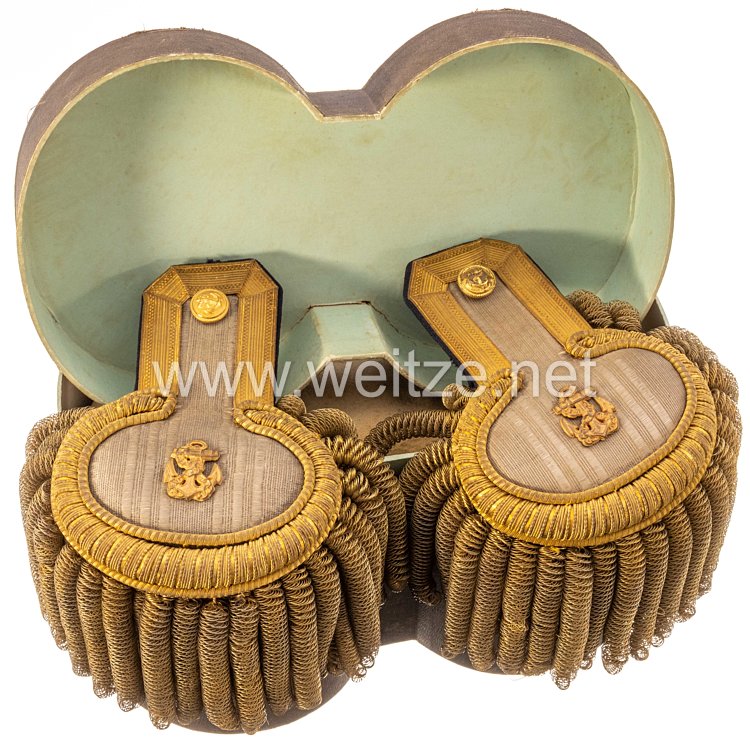
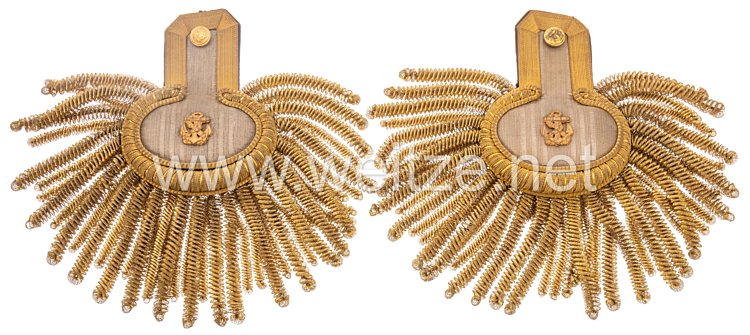
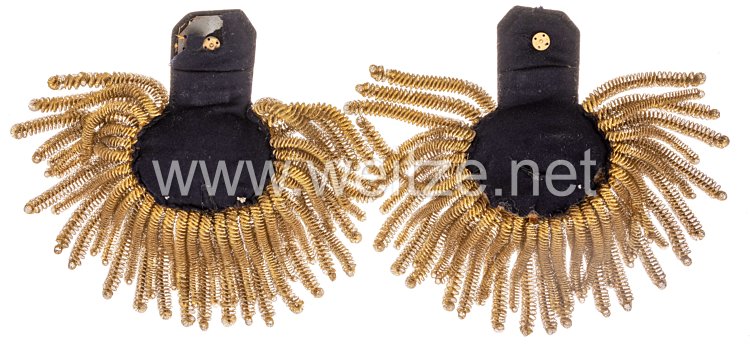
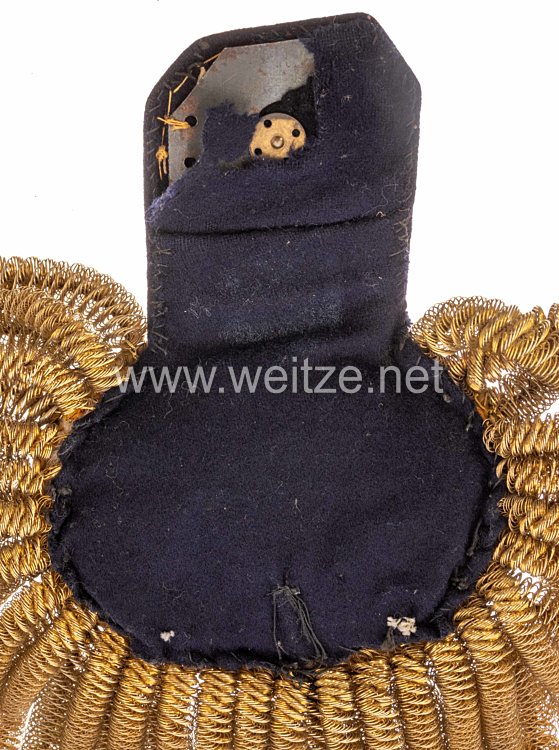
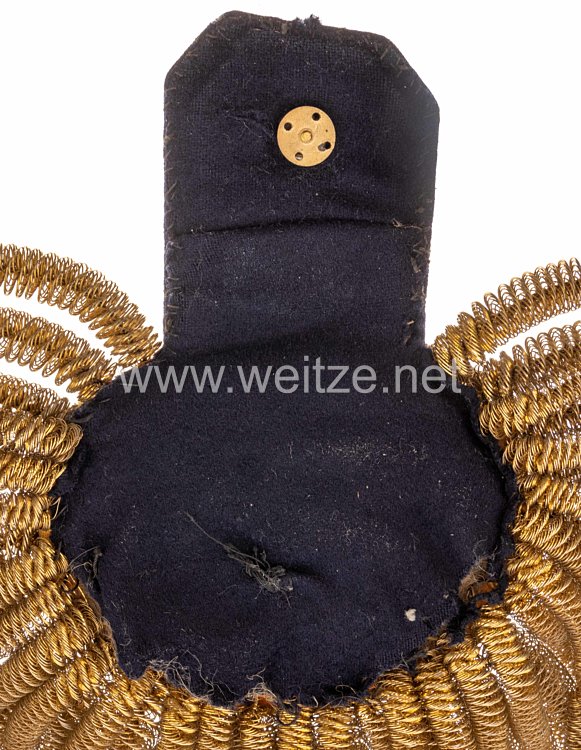
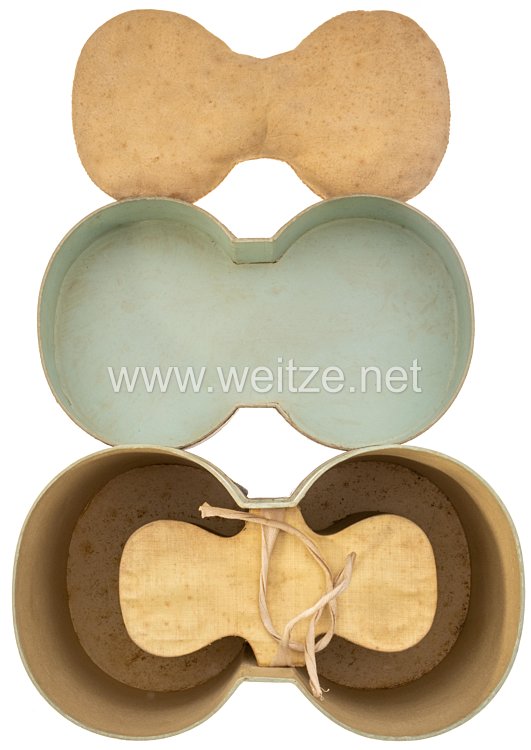
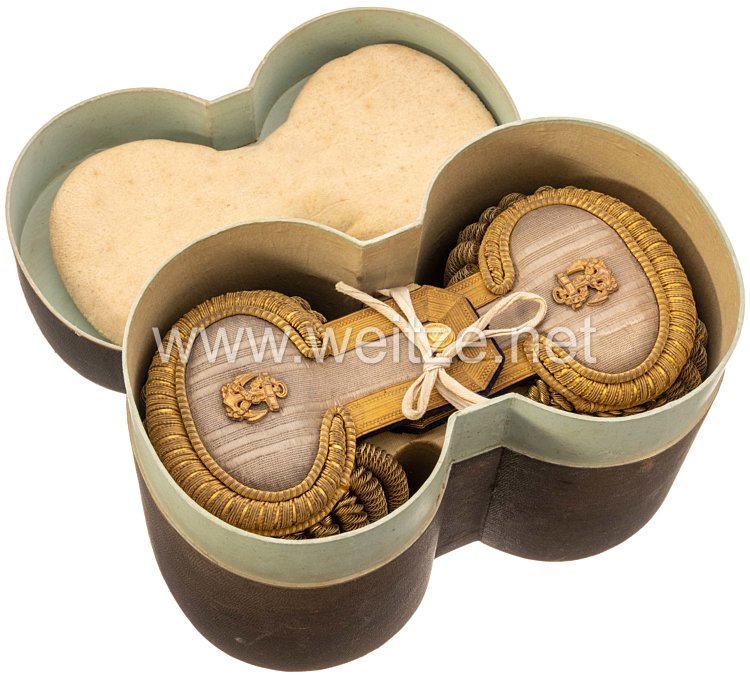
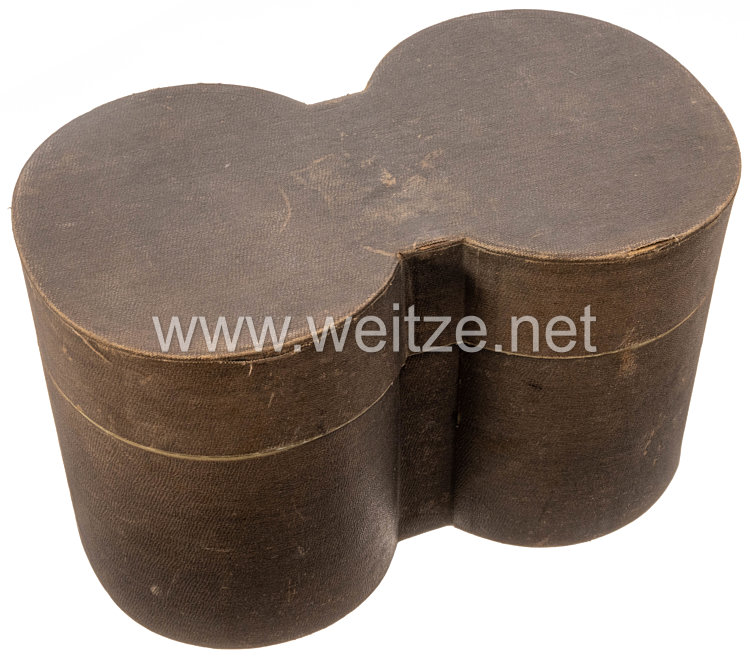
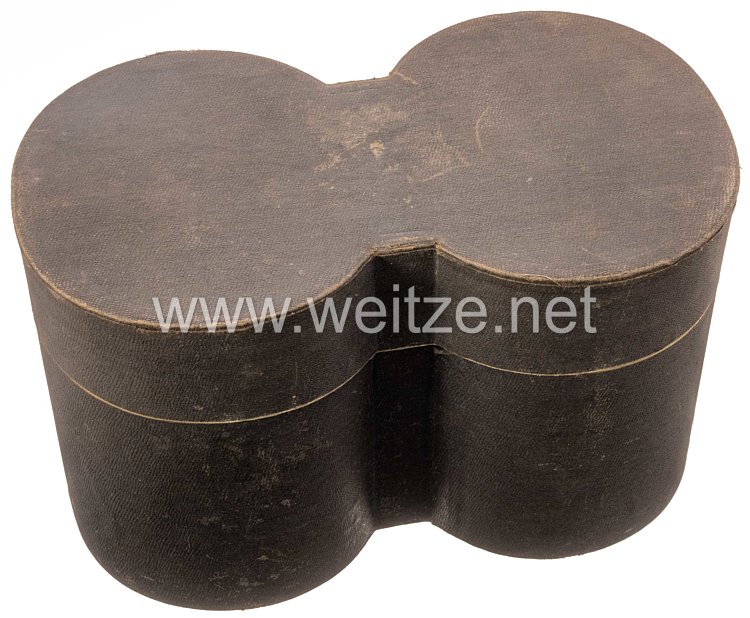
circa 1938. The epaulettes for Rear Admirals, with silver fields, applied gilt anchor with chain, heavy gold bullion. Complete with screw-in shoulder buttons, in original case. Worn, in good condition. Very rare!
446822
4.800,00

Kriegsmarine Pair of Epaulettes for a Rear Admiral

The epaulettes of a Rear Admiral of the Kriegsmarine from around 1938 represent a significant testimony to the military rank insignia of National Socialist Germany and the proud tradition of German naval officers. These magnificent shoulder boards were not merely functional rank insignia but also symbols of the position and responsibility of a flag officer within the Kriegsmarine organization.

The Kriegsmarine was officially established on June 1, 1935, when National Socialist Germany repudiated the provisions of the Treaty of Versailles and pursued rearmament. The new Kriegsmarine replaced the Reichsmarine of the Weimar Republic and marked the beginning of a massive expansion of German naval forces. Uniform regulations and rank insignia were carefully revised to incorporate both traditional maritime elements and new National Socialist symbolism.

The rank of Konteradmiral (Rear Admiral) represented the first flag officer rank in the Kriegsmarine hierarchy. Rear Admirals typically commanded smaller fleet units, naval stations, or assumed important staff functions within the naval leadership. This rank was held by approximately 20-30 officers throughout the entire Kriegsmarine in 1938, the time these epaulettes were made, which underscores the rarity and exclusivity of this rank designation.

The design of the epaulettes followed precise regulations detailed in the dress regulations for the Kriegsmarine. The silver fields of the epaulettes formed the base tone for flag officer ranks and thus differed markedly from the gold fields of lower officer ranks. This reversal of coloring upon reaching admiral rank was a long-standing tradition in many navies worldwide and symbolized the transition to the highest leadership level.

The central element of the Rear Admiral's epaulettes was the gilded anchor with chain, a universal symbol of seafaring and maritime authority. The anchor as an emblem has a long history in German naval tradition, dating back to the Imperial Navy. The elaborate workmanship with gilded elements on a silver background demonstrated both craftsmanship and the respect accorded to senior naval officers.

The heavy gold bullions (also called kantillen) at the edge of the epaulettes were characteristic of admiral ranks. These elaborately manufactured gold braids made of twisted metal wire were traditionally handcrafted and required considerable artisanal skill. The quality and weight of the bullions were often an indicator of high-quality manufacture by specialized military equipment manufacturers.

The screw-on shoulder buttons enabled secure attachment of the epaulettes to the uniform. This practical construction allowed officers to exchange epaulettes depending on the occasion and type of uniform. For the dress uniform, the full dress uniform, and other formal occasions, such magnificent epaulettes were prescribed, while simpler shoulder straps were worn for duty aboard ship or in the field.

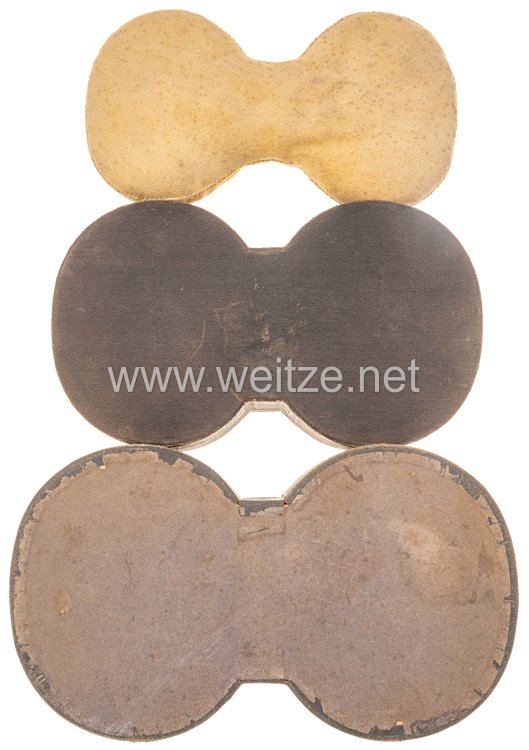
The original case in which these epaulettes were stored underscores their significance and the value placed on these rank insignia. Such cases were typically supplied by manufacturers and served to protect the delicate gold embroidery and gilded elements. Storage in a dedicated case was also an expression of the care with which officers treated their uniforms and rank insignia.

In 1938, when these epaulettes were made, the Kriegsmarine was in a phase of rapid expansion. The Z-Plan, an ambitious fleet construction program, was being prepared and was intended to make Germany the leading naval power by the mid-1940s. Rear Admirals played a crucial role during this build-up phase in organizing, training, and leading the rapidly growing fleet.

The rarity of such admiral's epaulettes today is explained by several factors: the small number of wearers during the war, the destruction of many military effects at war's end, and the deliberate destruction of NS militaria in the post-war period. Preserved examples in good condition, complete with original case, are therefore of considerable historical and collector value.

These epaulettes serve today as important historical documents that provide insight into the uniform studies, rank structure, and material culture of the Kriegsmarine. They remind us of the complex history of the German Navy in the 20th century and of the men who wore these rank insignia during one of the most turbulent periods in German history.

The craftsmanship evident in these epaulettes reflects the high standards maintained by German military tailors and manufacturers in the pre-war period. Firms such as Erel, Assmann, and others specialized in producing high-quality naval insignia, and their products were sought after by officers who took pride in their appearance and adherence to regulations.

r