SS-Verfügungstruppe Löwenkopfsäbel aus dem Besitz des späteren Ritterkreuzträgers SS-Standartenführer Fritz Klingenberg
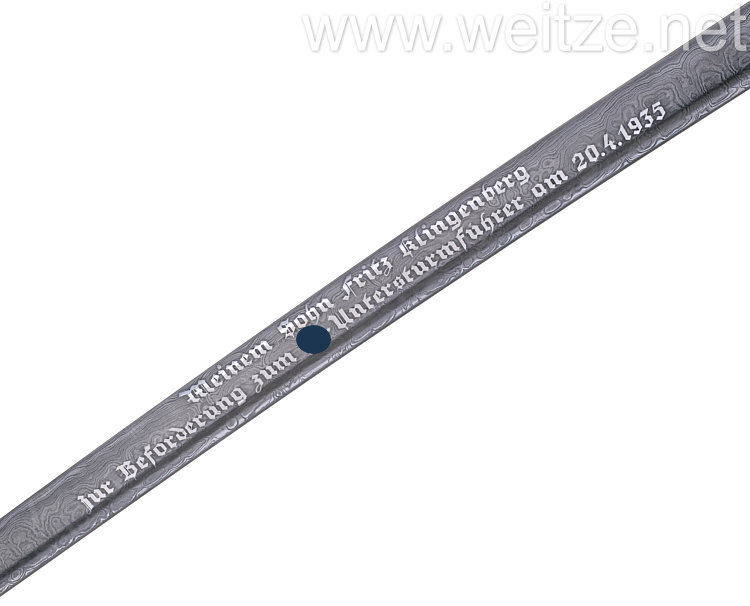
Bei dem Säbel handelt es sich um ein Geschenk an Fritz Klingenberg von seinem Vater zur Beförderung zum SS-Untersturmführer am 20.4.1935. Fritz Klingenberg gehörte zum 1. Führerlehrgang der SS-Schule Tölz.
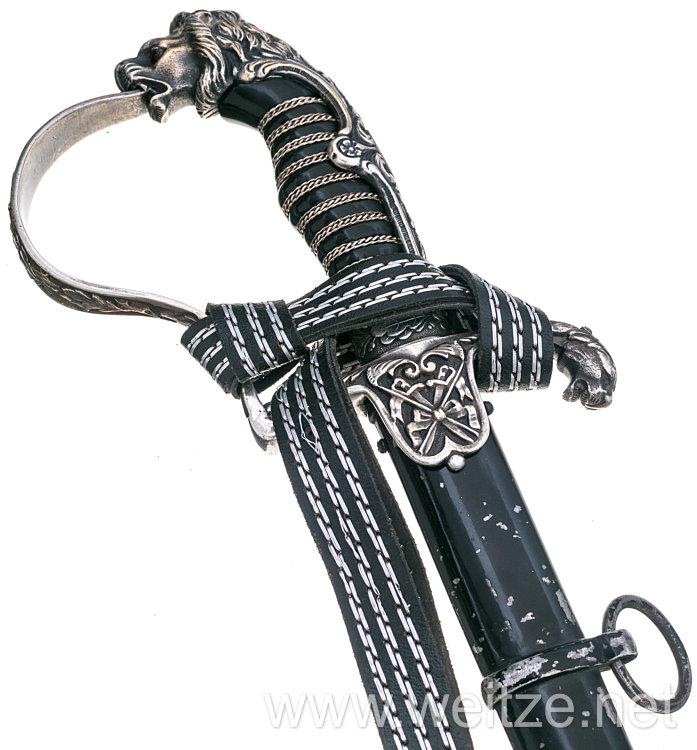
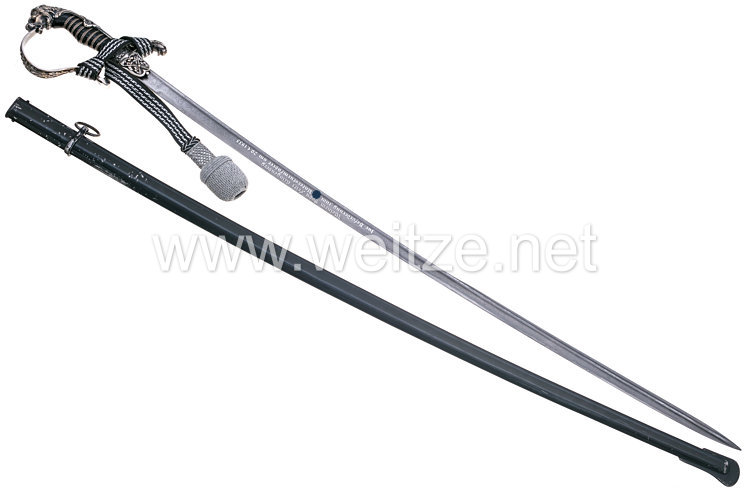
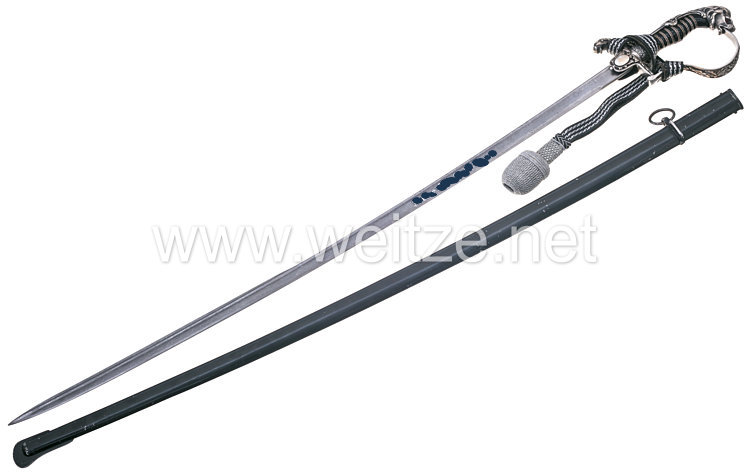
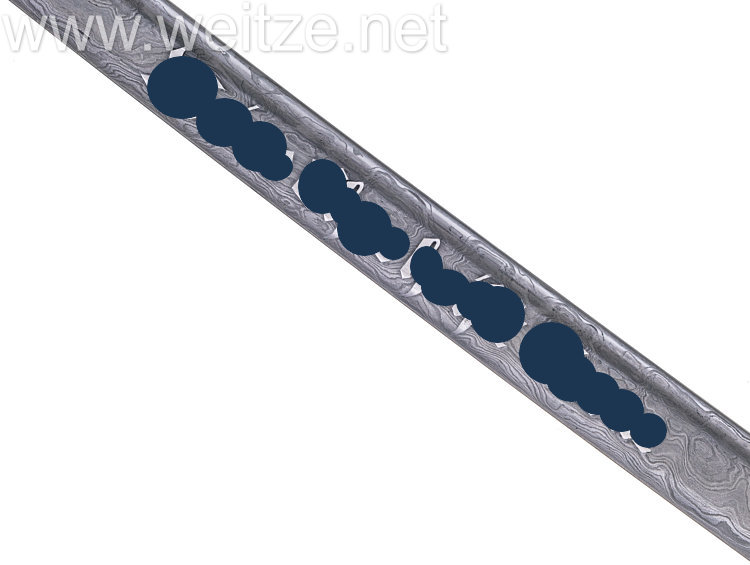
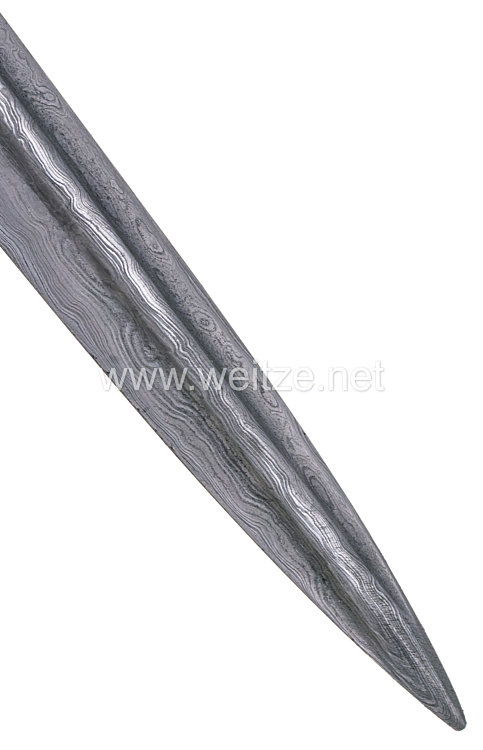
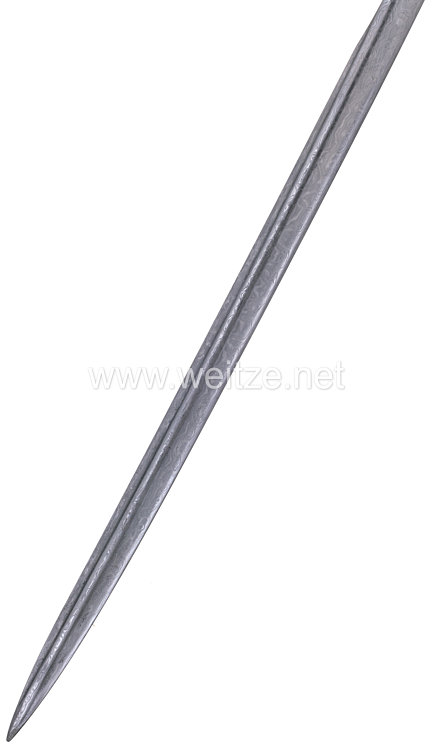
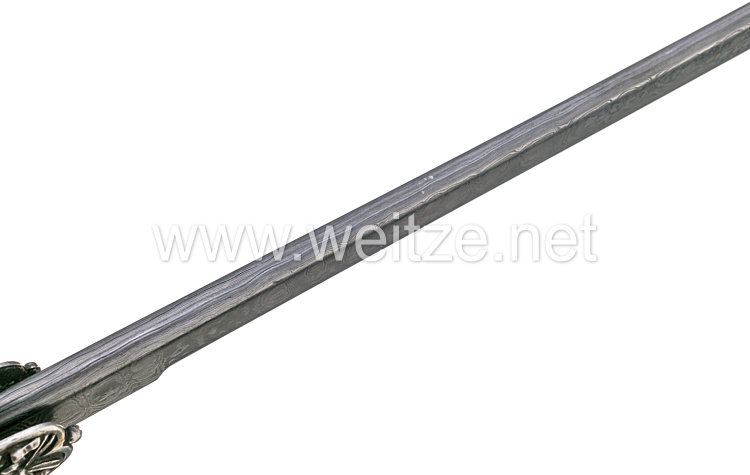
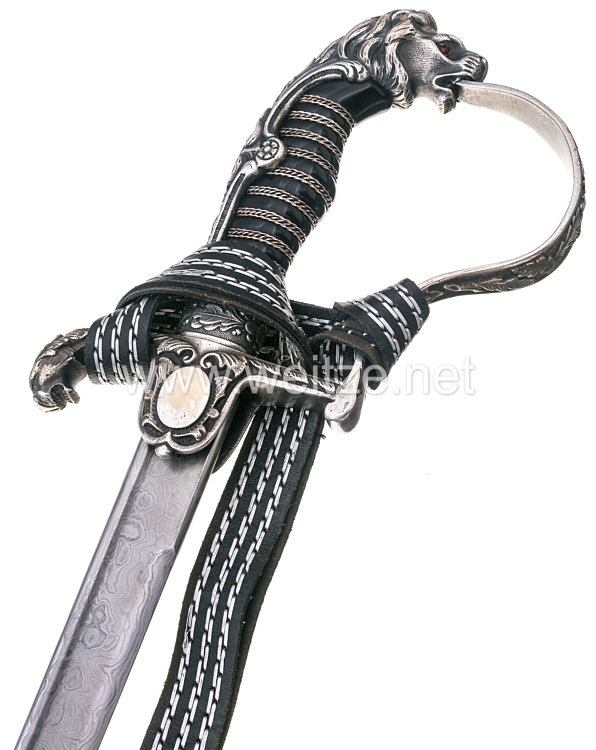
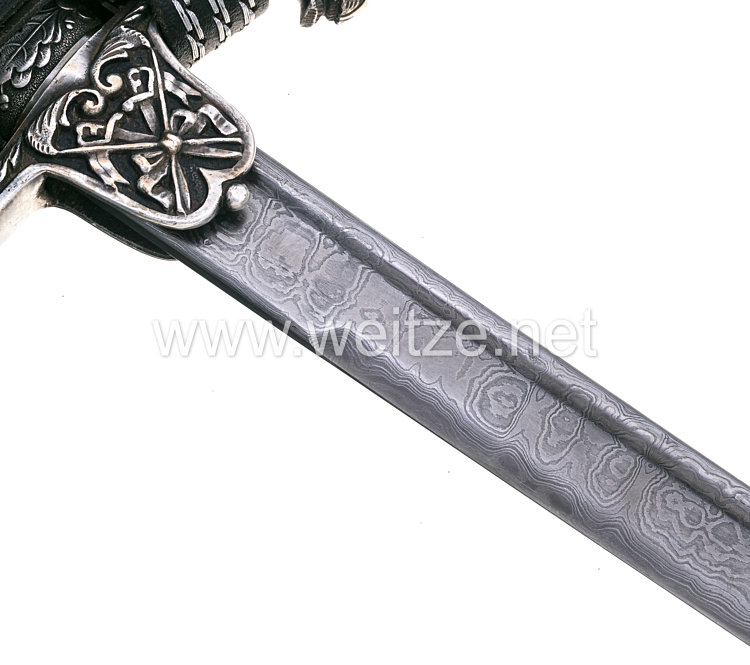
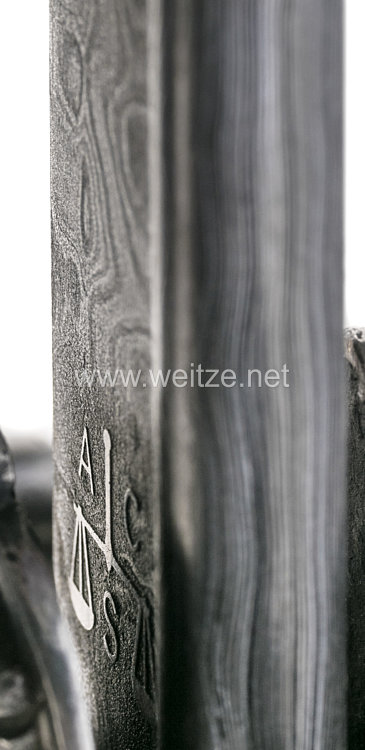
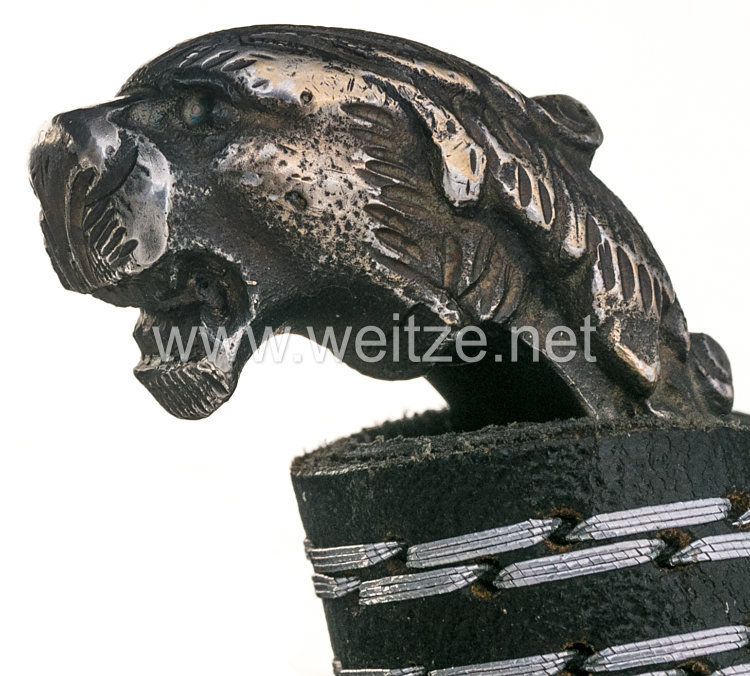
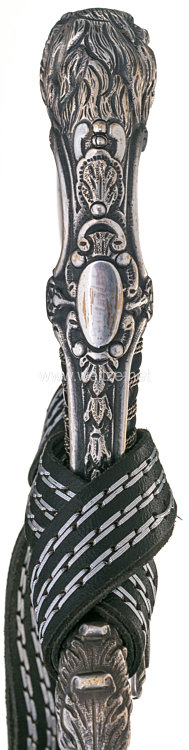
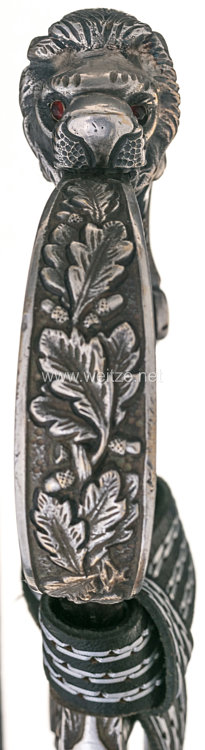
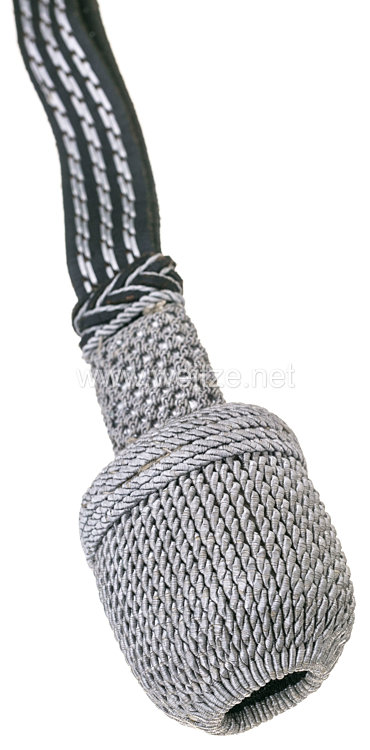
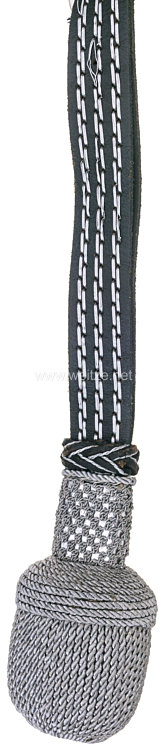
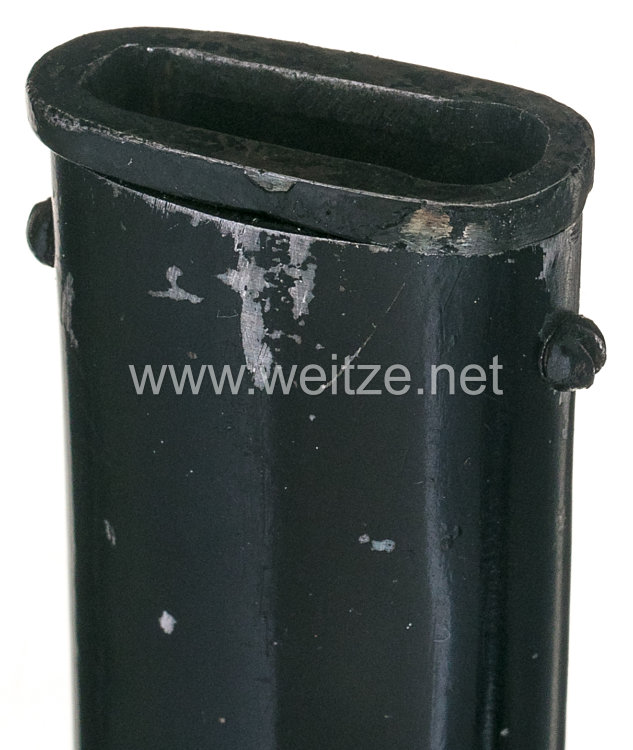
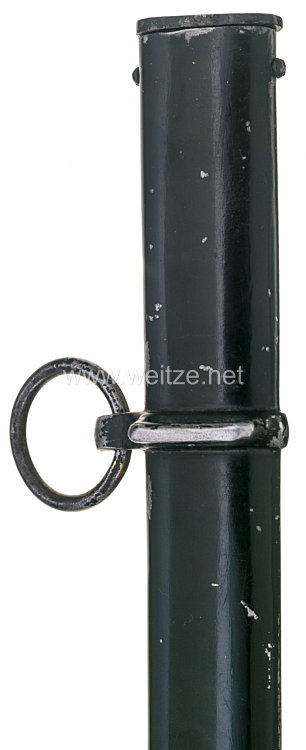
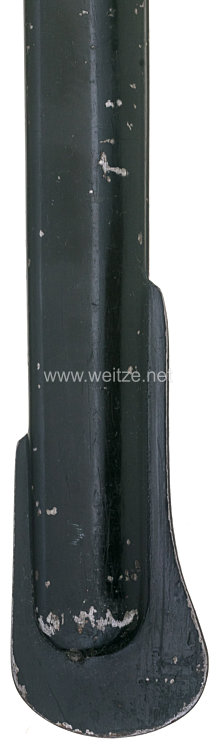
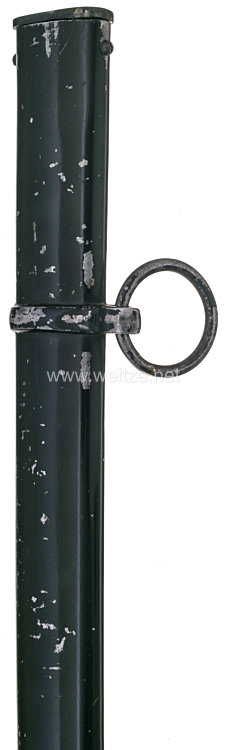
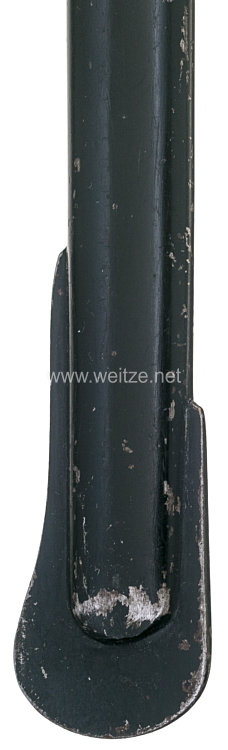
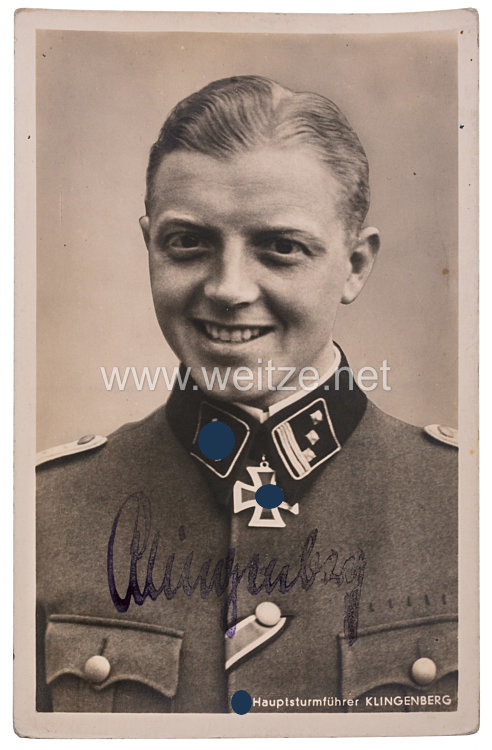
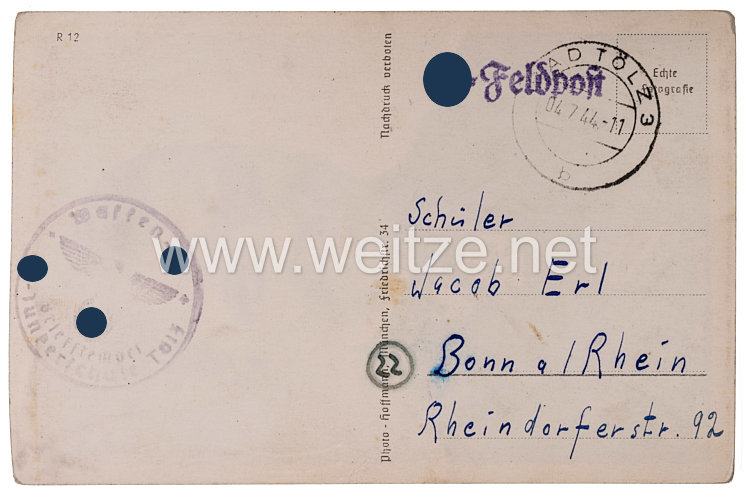
Der Säbel ist eine Luxusfertigung der Fa. Alcoso Solingen, um 1935. Das Säbelmodell wurde von Alcoso nur für die SS-Verfügungstruppe entworfen und ist in ihrem Verkaufskatalog als Modell Nr. 113 abgebildet. Neusilbernes Gefäß, der Löwenkopf mit roten Glasaugen, der Parierbügel mit Eichenlaubdekor. Der Parierlappen in ungewöhnlicher Ausführung in Tropfenform, mit gekreuzten Lanzen und Säbeln dekoriert. Rückseitig mit ovalem Medaillon für eine Gravur. Die Klinge mit Schör aus echtem Damaststahl in feinster Qualität, wahrscheinlich von Carl Wester. Auf der Vorderseite mit erhabener Widmung "Meinem Sohn Fritz Klingenberg zur Beförderung zum SS-Untersturmführer am 20.4.1935". Rückseitig mit erhabener Devise "Meine Ehre heißt Treue", unter dem Parierlappen mit dem frühen Alcoso Firmenzeichen "A C S". Die schwarze Originallackierung der Stahlscheide zu über 95 % erhalten. Komplett mit anhängendem Portepee für SS-Führer in schwarz. Nur leicht getragen, in besonders schönem Zustand. Anbei eine original Fotopostkarte des Trägers.
Extrem selten, als Geschenksäbel mit Damastklinge an einen bekannten Ritterkreuzträger der Waffen-SS mit Sicherheit einmalig !
SS-Standartenführer Fritz Klingenberg (1912-1945) Eintritt in die SS-Verfügungstruppe im April 1934. Zur "Leibstandarte" gehörend wurde er zum 1. Lehrgang an der neuen SS-Junkerschule Bad Tölz kommandiert, den er mit der Beförderung zum Untersturmführer, am 20.04.1935, abschloss. Mit Beginn des Polenfeldzuges 1939 wird Klingenberg als SS-Hauptsturmführer Ordonnanzoffizier des SS-Gruppenführers Paul Hausser. Am 01.08.1940 erhält Klingenberg das Kommando über die 15. (Kradschützen) Kompanie/"Der Führer". Ab 22.02.1941, Kompaniechef 2./Kradschützenbataillon "Das Reich". Während des Balkanfeldzuges erobert Klingenberg mit nur 11 Soldaten am 11.4.1941 Belgrad, die Hauptstadt Serbiens. Für diese beeindruckende und mit äußerster Kühnheit geführte Tat, sowie die Gefangennahme von mehr als 1000 Mann, erhielt Fritz Klingenberg als Hauptsturmführer und Chef der 2. Kradschützenkompanie des SS-Kradschützenbataillons "Das Reich", am 14.05.1941 das Ritterkreuz. Am 15.03.1944 erhält Klingenberg das Kommando über die Junkerschule Bad Tölz, er war damit der einzige Abgänger dieser Schule der sie später auch anführen durfte. Am 21.12.1944 Beförderung zum SS-Standartenführer. Am 12.01.1945 Übernahme des Kommandos über die 17. Panzergrenadier-Division "Götz von Berlichingen" übertragen wurde. Klingenberg fällt am 22.03.1945 in der Nähe von Herxheim/Rheinpfalz.
Der Säbel ist eine Luxusfertigung der Fa. Alcoso Solingen, um 1935. Das Säbelmodell wurde von Alcoso nur für die SS-Verfügungstruppe entworfen und ist in ihrem Verkaufskatalog als Modell Nr. 113 abgebildet. Neusilbernes Gefäß, der Löwenkopf mit roten Glasaugen, der Parierbügel mit Eichenlaubdekor. Der Parierlappen in ungewöhnlicher Ausführung in Tropfenform, mit gekreuzten Lanzen und Säbeln dekoriert. Rückseitig mit ovalem Medaillon für eine Gravur. Die Klinge mit Schör aus echtem Damaststahl in feinster Qualität, wahrscheinlich von Carl Wester. Auf der Vorderseite mit erhabener Widmung "Meinem Sohn Fritz Klingenberg zur Beförderung zum SS-Untersturmführer am 20.4.1935". Rückseitig mit erhabener Devise "Meine Ehre heißt Treue", unter dem Parierlappen mit dem frühen Alcoso Firmenzeichen "A C S". Die schwarze Originallackierung der Stahlscheide zu über 95 % erhalten. Komplett mit anhängendem Portepee für SS-Führer in schwarz. Nur leicht getragen, in besonders schönem Zustand. Anbei eine original Fotopostkarte des Trägers.
Extrem selten, als Geschenksäbel mit Damastklinge an einen bekannten Ritterkreuzträger der Waffen-SS mit Sicherheit einmalig !
SS-Standartenführer Fritz Klingenberg (1912-1945) Eintritt in die SS-Verfügungstruppe im April 1934. Zur "Leibstandarte" gehörend wurde er zum 1. Lehrgang an der neuen SS-Junkerschule Bad Tölz kommandiert, den er mit der Beförderung zum Untersturmführer, am 20.04.1935, abschloss. Mit Beginn des Polenfeldzuges 1939 wird Klingenberg als SS-Hauptsturmführer Ordonnanzoffizier des SS-Gruppenführers Paul Hausser. Am 01.08.1940 erhält Klingenberg das Kommando über die 15. (Kradschützen) Kompanie/"Der Führer". Ab 22.02.1941, Kompaniechef 2./Kradschützenbataillon "Das Reich". Während des Balkanfeldzuges erobert Klingenberg mit nur 11 Soldaten am 11.4.1941 Belgrad, die Hauptstadt Serbiens. Für diese beeindruckende und mit äußerster Kühnheit geführte Tat, sowie die Gefangennahme von mehr als 1000 Mann, erhielt Fritz Klingenberg als Hauptsturmführer und Chef der 2. Kradschützenkompanie des SS-Kradschützenbataillons "Das Reich", am 14.05.1941 das Ritterkreuz. Am 15.03.1944 erhält Klingenberg das Kommando über die Junkerschule Bad Tölz, er war damit der einzige Abgänger dieser Schule der sie später auch anführen durfte. Am 21.12.1944 Beförderung zum SS-Standartenführer. Am 12.01.1945 Übernahme des Kommandos über die 17. Panzergrenadier-Division "Götz von Berlichingen" übertragen wurde. Klingenberg fällt am 22.03.1945 in der Nähe von Herxheim/Rheinpfalz.